The Rise of the Balkans: Indigenous Grapes Take Center Stage at the 2026 Decanter World Wine Awards

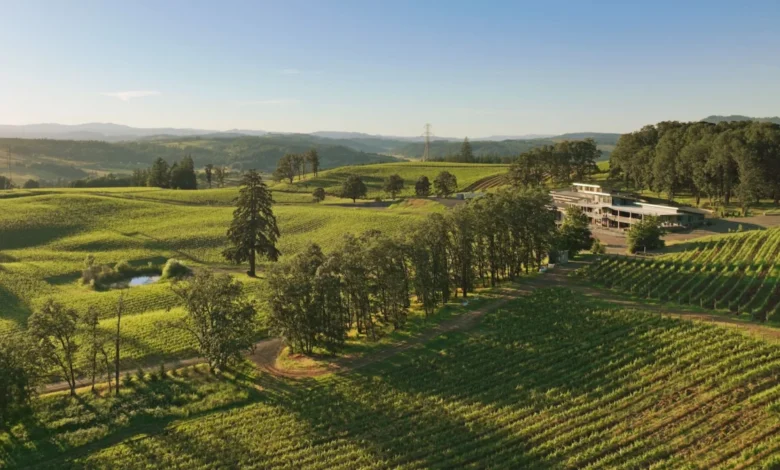
A tectonic shift has occurred in the global viticultural landscape as the 2026 Decanter World Wine Awards (DWWA) officially recognized the Balkans not merely as a burgeoning wine region, but as a powerhouse of quality and historical significance. While traditional titans such as France, Italy, and Spain continue to dominate the medal tallies, the 2026 results reveal a profound pivot: blind judging panels have overwhelmingly favored indigenous varieties from South-eastern Europe. This year’s competition, which serves as a definitive benchmark for global wine quality, saw Croatia, Bosnia and Herzegovina, Serbia, and Slovenia secure a historic number of top-tier medals, signaling that the "Old World" is being redefined by its long-neglected eastern frontiers.
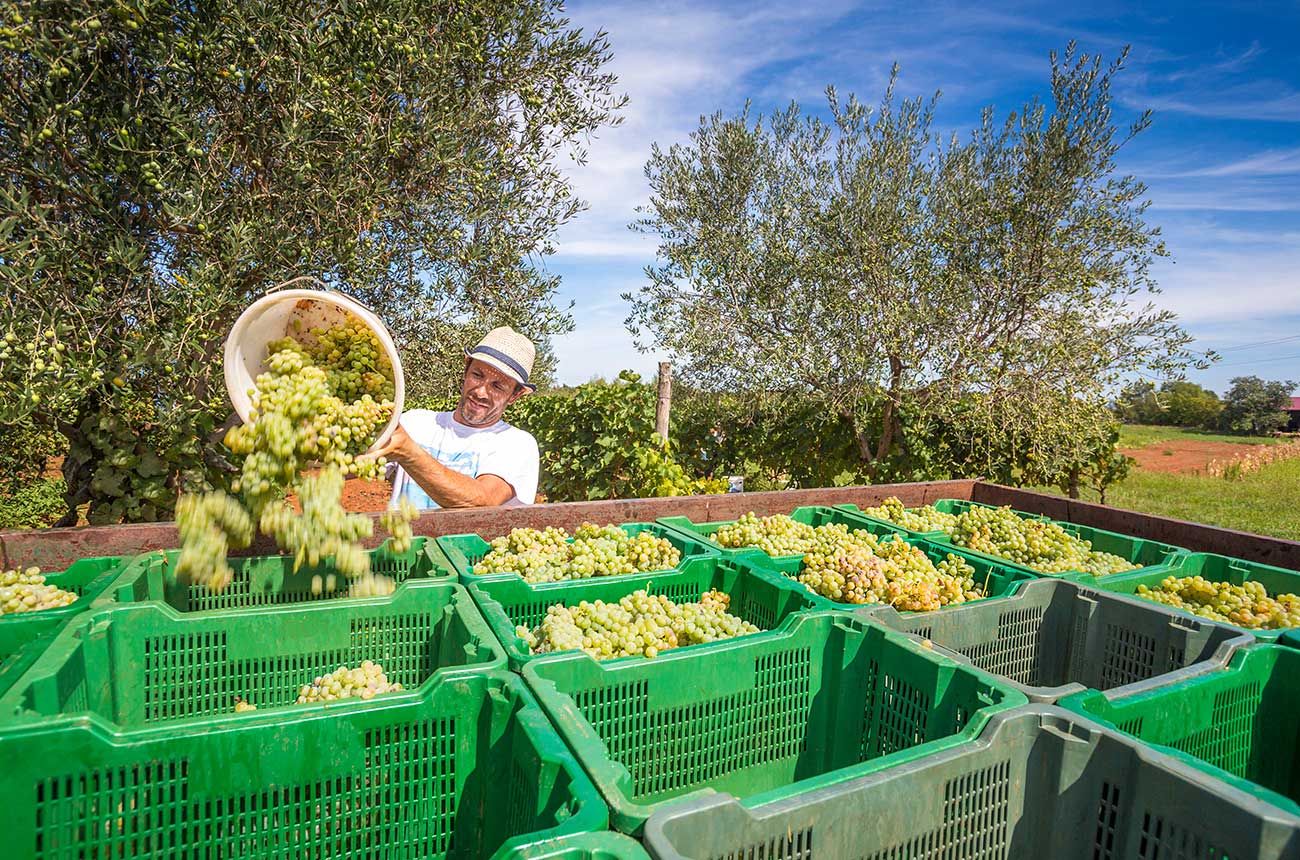
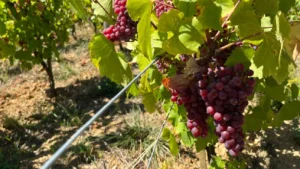
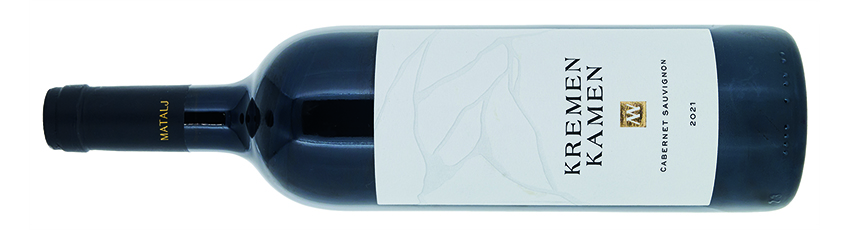
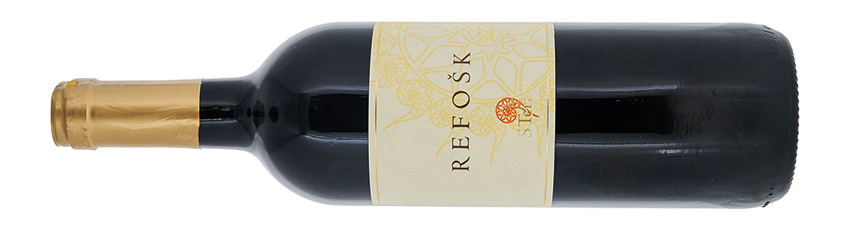
The shift is grounded in a resurgence of regional identity. Varieties that have been cultivated for centuries—Plavac Mali, Žilavka, Prokupac, and Refošk—are now outperforming globally recognized cultivars in blind tastings. This transition reflects a broader consumer trend toward authenticity and terroir-driven wines, moving away from the homogenized styles that dominated the early 21st-century market.
A Chronology of Progress: From Commendation to Best in Show
The success of the Balkan region in 2026 is the culmination of a decade-long maturation process. Analyzing the historical performance at the DWWA provides a clear trajectory of this evolution. In 2011, producers from the region were largely limited to "Commended" or "Bronze" status, as winemakers were still refining their export strategies and modernizing vineyard management.
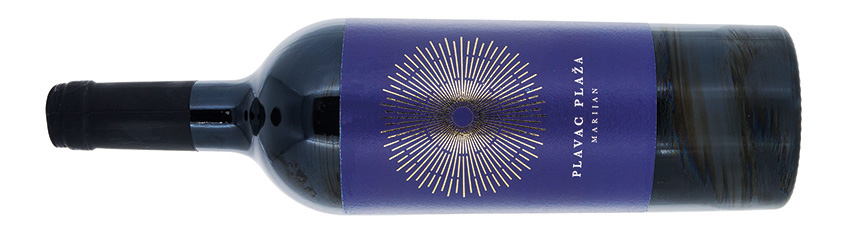
By 2016, a critical turning point arrived when a Croatian red made its first appearance on the "Best in Show" list. However, that momentum remained stalled for years as the region struggled to bridge the gap between traditional, rustic production and the precision required for international acclaim. The 2026 results shatter that stagnation. Croatia alone claimed 40 top-tier medals, including five Platinums and 34 Golds. Most significantly, the Marijan family’s Plaža Plavac 2021 achieved the "Best in Show" distinction, marking the first time a 100% Plavac Mali has reached the top 50 wines in the world in a decade.
For Serbia, the 2026 awards ended a five-year "Platinum drought." The country’s performance was highlighted by a hat-trick of Platinum awards, including the notable success of the indigenous Prokupac variety, which judges described as having the structural elegance of a high-end Pinot Noir.
The Heroic Viticulture of Dalmatia
The success of the Marijan family is emblematic of the "heroic viticulture" required in the Croatian islands. On the island of Hvar, the terrain is characterized by steep, 60-degree inclines that make mechanical harvesting impossible. The limestone-rich karst soil, combined with "triple insolation"—direct sunlight, reflection from the Adriatic Sea, and heat radiation from the bare rock—creates an environment of extreme stress for the vines.
Tonči Marijan, the winemaker behind the award-winning 2021 Plavac, notes that the process is entirely manual, from the care of 50-year-old vines to the harvest. The resulting wine is a testament to the potential of these difficult sites. The judges’ evaluation highlighted the wine’s "dense blackberry and black cherry fruit with overtones of fig, sage and thyme," noting that the extended maceration and indigenous yeast fermentation allowed the raw, wild character of the land to coalesce into a sophisticated, opulent structure.
Herzegovina and the Mineral Expression of Žilavka
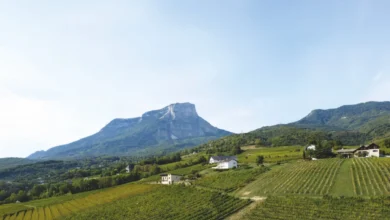
While Croatia’s reds captured the headlines, Bosnia and Herzegovina’s performance in the white wine categories was arguably the competition’s most significant surprise. The Mostar region, with its stark, sun-drenched karst landscape, has proven to be an ideal cradle for the Žilavka grape.
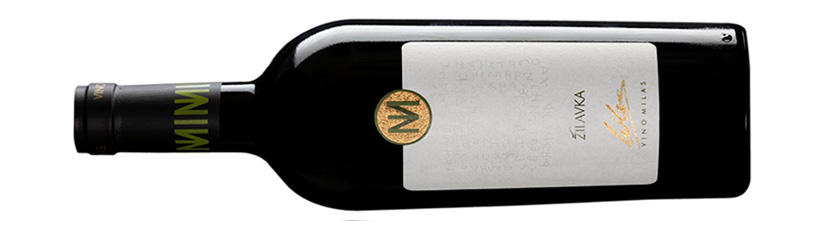
The 2026 results saw the country achieve its best-ever Gold performance. Leading producers such as Vino Milas, Vilinka, and Vinogradi Nuić dominated the category. The success of Žilavka lies in its ability to balance the intense heat of the Herzegovinian summer with the sharp, cooling mountain winds that descend from the Dinaric Alps. This thermal contrast preserves the grape’s natural acidity, preventing the wine from becoming flabby or overly alcoholic. Industry experts suggest that as climate change forces winemakers in traditional regions to seek out higher altitudes and heat-resistant varieties, the ancient, drought-resistant vines of the Balkans—specifically the deep-rooted Žilavka—offer a viable and exciting blueprint for the future of viticulture.
Serbia: The Renaissance of Prokupac
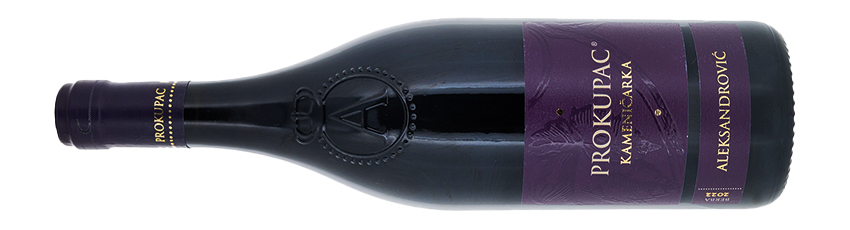
Serbia’s emergence as a source of premium wine is no longer a matter of speculation. The success of the Aleksandrović winery’s Kameničarka Prokupac 2022, which earned a 97-point Platinum award, is a case study in long-term investment. Jelisaveta Aleksandrović, the winery’s marketing manager, attributed the success to 15 years of patient research, including clonal selection and the modernization of cellar techniques.
Prokupac is now being positioned by critics as the "Serbian Pinot Noir" due to its ability to express a sense of place through delicate tannins and vibrant, smoldering fruit aromas. The fact that this variety, which was once relegated to local consumption, has now achieved a 97-point rating on an international stage confirms that the "sense of place" is a marketable commodity that resonates with contemporary, high-end consumers.
Broader Economic and Global Implications
The data from the 2026 Decanter World Wine Awards suggests several key implications for the global wine market:
- Value Proposition: Despite the rising quality, Balkan wines remain competitive in price relative to their "Old World" counterparts. As noted by Dr. Caroline Gilby MW, the Regional Chair for the Balkans, these regions offer exceptional value for money, providing world-class quality at price points that are becoming increasingly elusive in Bordeaux or Tuscany.
- Climate Resilience: The indigenous varieties of the Balkans have survived for centuries in harsh, drought-prone environments. Their success in 2026 highlights a potential shift in the global supply chain, where international importers may increasingly look to these regions to source wines that are inherently more resilient to the warming global climate.
- Tourism and Branding: The awards serve as a catalyst for wine tourism. Following the 2026 announcement, regional authorities in Croatia and Serbia have reported an uptick in interest from international distributors and wine-focused tour operators. The recognition of specific sub-regions, such as the Fruška Gora in Serbia or the Dalmatian coast in Croatia, effectively places these locations on the map for the global oenophile.
Official Assessment: A New Era
Dr. Caroline Gilby MW, who oversaw the judging process for the region, emphasized that the shift is not merely about novelty. "What we are seeing is a move toward more sympathetic winemaking," she stated. "There is less emphasis on the brute force of extraction or excessive oak and more focus on allowing the native grapes to express their true, unique character. These are not just ‘good wines for the Balkans’; they are exceptional wines by any global metric."
The judging panels noted that the "off-the-beaten-track" strategy is increasingly becoming the preferred approach for both sommeliers and collectors. By focusing on grapes with difficult-to-pronounce names and origins that defy traditional classification, the Balkan wine industry has successfully engaged a new generation of curious, educated consumers who prioritize provenance over brand recognition.
As the industry reflects on the 2026 results, the message is clear: the hierarchy of the wine world is no longer static. With centuries of history now being bottled with modern precision, the Balkans have transformed from a regional curiosity into a cornerstone of the modern wine conversation. The challenge for these countries moving forward will be scaling production without compromising the artisanal integrity that led to their current success. However, if the 2026 DWWA is any indication, the region is well-prepared to meet the demands of an increasingly discerning global market.