Beyond the Trend: Uncovering the Ancient Origins and Modern Resurgence of Orange Wine

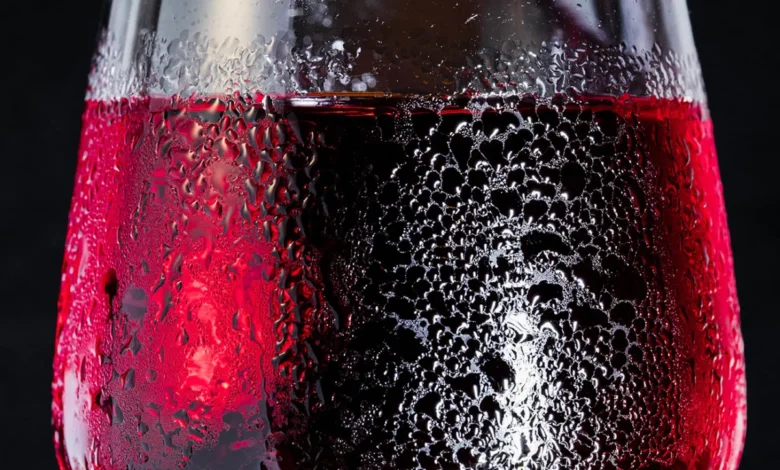
While contemporary urban wine bars have rebranded skin-contact white wine as a cutting-edge phenomenon, the category—frequently referred to as orange wine—represents one of the oldest and most geographically significant traditions in the history of viticulture. Far from being a modern invention of hipster subcultures, orange wine is the result of a winemaking methodology that dates back over 8,000 years to the Caucasus region, specifically modern-day Georgia. Understanding this category requires peeling back the layers of current marketing to reveal a sophisticated, historically dense, and complex style of winemaking that continues to gain significant traction in the global fine wine market.
The Historical Foundations of Skin-Contact Winemaking
The genesis of orange wine is inextricably linked to the Neolithic period. Archaeological evidence recovered from the Republic of Georgia suggests that winemaking in the region dates back to at least 6,000 BCE. The traditional method, which remains in practice today, involves the use of qvevri—large, egg-shaped earthenware vessels buried underground.
In this ancient process, white grapes are crushed, and the juice, skins, seeds, and sometimes stems are placed together in the qvevri. The fermentation occurs in contact with these solids, which is the defining characteristic of orange wine. Unlike conventional white winemaking, where the skins are pressed and removed immediately after harvest to ensure clarity and freshness, the skin-contact method allows for the extraction of tannins, pigments, and phenolic compounds. This historical practice was not a stylistic choice born of luxury, but a functional necessity for preservation and storage in a pre-industrial era. The natural antimicrobial properties of the grape skins and stems, combined with the stable temperature of the underground clay vessels, provided a natural stabilization method that allowed wines to survive for months or even years.
A Chronological Perspective: From Antiquity to Modernity
The trajectory of orange wine is not a linear progression but a series of distinct epochs. Following the ancient Georgian tradition, the method persisted in Eastern Europe and parts of Italy, particularly the Friuli-Venezia Giulia region, for millennia.
- 6,000 BCE – 19th Century: The era of qvevri winemaking. The practice remains largely localized to the Caucasus, serving as a staple of regional culture and agricultural survival.
- Early 20th Century: The industrialization of wine leads to the global dominance of temperature-controlled stainless steel fermentation. The emphasis shifts toward "clean," fruit-forward, and filtered white wines, pushing skin-contact methods to the margins of the industry.
- 1990s: A revival begins in Northern Italy and Slovenia. Visionary winemakers like Josko Gravner and Stanko Radikon begin experimenting with extended maceration, seeking to move away from the reductive, technological winemaking that dominated the late 20th century.
- 2010s: The term "orange wine" is coined by British wine importer David A. Harvey. The category begins to transition from a cult curiosity to a staple in natural wine bars across London, New York, and Tokyo.
- 2020 – Present: Orange wine experiences a period of professionalization. Major auction houses and international wine competitions begin creating specific categories for skin-contact wines, acknowledging their place in the mainstream market.
Supporting Data and Market Analysis
The economic shift regarding orange wine is corroborated by market analytics. According to recent reports from the International Organisation of Vine and Wine (OIV) and industry-specific market trackers, the category has moved from a niche sub-segment to a recognized market trend. In the United States, specialty wine retailers have reported an average annual growth rate of approximately 15% for skin-contact white wines since 2018.
The growth is not merely a result of increased production, but a diversification of price points. While early "orange" bottles were often associated with low-intervention, small-batch producers charging premium prices, there is now a significant volume of entry-level orange wine produced by larger, more established estates in regions such as South Africa, Australia, and California. This democratization of the style has been a catalyst for broader consumer adoption. Furthermore, sensory data indicates that the "grippy" mouthfeel—derived from the grape tannins—allows these wines to pair effectively with a broader spectrum of foods, including spicy Asian cuisine and rich, protein-heavy dishes, which traditionally presented challenges for lighter white wines.
Perspectives from the Viticultural Community
Industry professionals are increasingly viewing orange wine as a legitimate expression of terroir rather than a passing trend. Dr. Elena Vaskova, a consultant in historical enology, notes, "The categorization of these wines as ‘orange’ is somewhat reductive. What we are witnessing is a return to the structural potential of the grape. When you retain the skins, you are not just extracting color; you are extracting the soul of the vineyard, including the polyphenols that act as natural preservatives."
Conversely, some traditionalists maintain that the style requires extreme precision. "It is an unforgiving method," notes a spokesperson for a major Italian estate that recently introduced a skin-contact Pinot Grigio. "Without the protective veil of modern filtration and temperature control, any error in the qvevri or the maceration tank is magnified. You cannot hide behind technology in this style." This sentiment underscores the reality that successful orange wine production requires a high level of expertise in viticulture, as the grapes must be perfectly healthy to undergo extended maceration without spoilage.
The Implications of Sustainability and Natural Wine
The rise of orange wine is also intrinsically linked to the broader "natural wine" movement. The methodology often aligns with organic and biodynamic farming practices. Because the skins and seeds provide a structural backbone to the wine, producers often find they require fewer chemical additives, such as sulfur dioxide, to stabilize the final product.
This has significant implications for the industry. As consumers become increasingly focused on ingredient transparency and sustainable agricultural practices, orange wine is perfectly positioned to capitalize on these shifts. The transparency of the production process—often involving minimal intervention, native yeasts, and gravity-fed bottling—resonates with a demographic that prioritizes environmental stewardship.
The Future of the Category: Beyond the Label
Looking ahead, the market for orange wine is likely to see a bifurcation. On one hand, there will be the "prestige" market—wines produced in qvevri using ancient techniques that demand high price points due to their labor-intensive nature and scarcity. On the other hand, a "commercial" segment is already emerging, where winemakers use abbreviated skin-contact periods (sometimes only a few days) to provide a subtle textural lift to mass-market whites.
The challenge for the industry will be definition and regulation. Currently, "orange wine" is a loose term, lacking the strict appellation control found in traditional wine categories. There is ongoing debate among European regulators regarding whether the category should be formally recognized under specific labeling laws, similar to the way "rosé" is classified. Such a move would provide clarity for the consumer but might also stifle the experimental nature that currently defines the category.
Conclusion: A Persistent Legacy
The narrative of orange wine is a reminder that the history of viticulture is cyclical. The methodologies that were standard in the Bronze Age were discarded for the sake of efficiency and aesthetic clarity during the 20th century, only to be reclaimed in the 21st century by a generation seeking authenticity and complexity. As the global palate continues to evolve, the distinction between "white," "red," and "orange" is likely to become more porous, with skin-contact wines firmly established as a permanent fixture on the world’s wine lists.
Whether one is exploring the amber-hued depths of a Georgian Rkatsiteli or a vibrant, modern skin-contact Sauvignon Blanc from the New World, the experience is essentially an engagement with history. The "orange wine" movement is not merely about a change in color; it is a movement toward a more holistic, structural, and deeply rooted understanding of the grape. As the industry continues to refine its practices, the category will likely move beyond the trendy labels and into the pantheon of classic winemaking traditions, where it has belonged for the better part of a millennium. The challenge for the modern enthusiast is not just to taste these wines, but to understand the profound intersection of geology, chemistry, and history that allows them to exist in the glass today.