Joel Gott Wines Debuts Sauvy B Canned Spritz as Functional Hydration Trends Permeate the Global Wine Industry

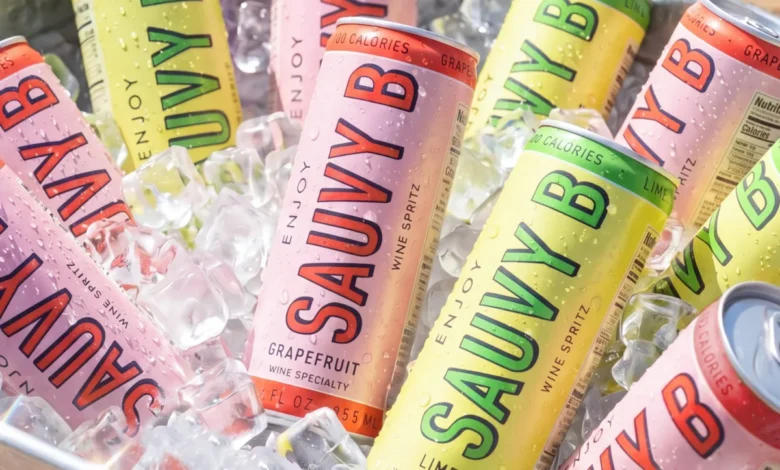
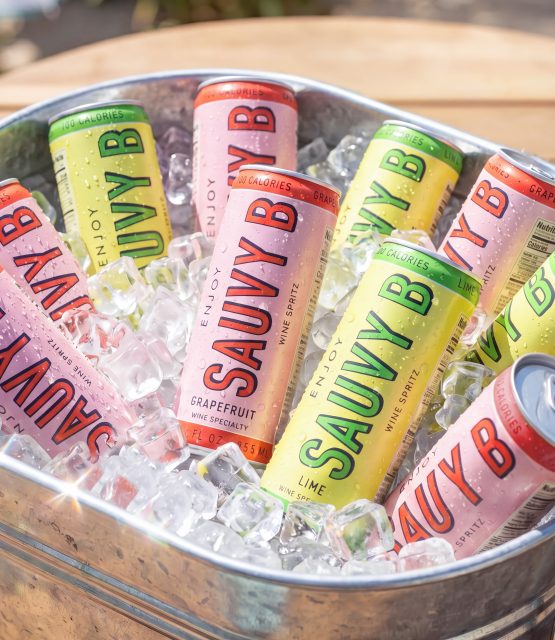
Joel Gott Wines, in partnership with Trinchero Family Estates, has officially launched Sauvy B, a new line of canned Sauvignon Blanc spritzes infused with electrolytes derived from pink Himalayan salt. This strategic release marks a significant turning point in the beverage industry, signaling that functional hydration ingredients—once the exclusive domain of sports drinks, wellness supplements, and hangover recovery aids—are now making a concerted entry into the traditional wine sector.
The product, which debuted on July 15, is a low-alcohol, ready-to-drink (RTD) beverage designed to appeal to a demographic that prioritizes wellness, convenience, and moderate alcohol consumption. Launched initially in Lime and Grapefruit flavors, Sauvy B is priced at US$13.99 for a four-pack of 12-ounce (355ml) cans. The initial retail footprint includes major national distributors such as Target, Walmart, and Total Wine & More, underscoring the brand’s intent to capture a broad, mainstream consumer base.
Product Composition and the "Better-for-You" Strategy
Each 12-ounce can of Sauvy B is formulated at 4.5% alcohol by volume (ABV), a strength that aligns it more closely with hard seltzers and light beers than with traditional table wines, which typically range from 12% to 14% ABV. The beverage is a blend of approximately 9% California Sauvignon Blanc, sparkling water, and natural citrus flavorings.
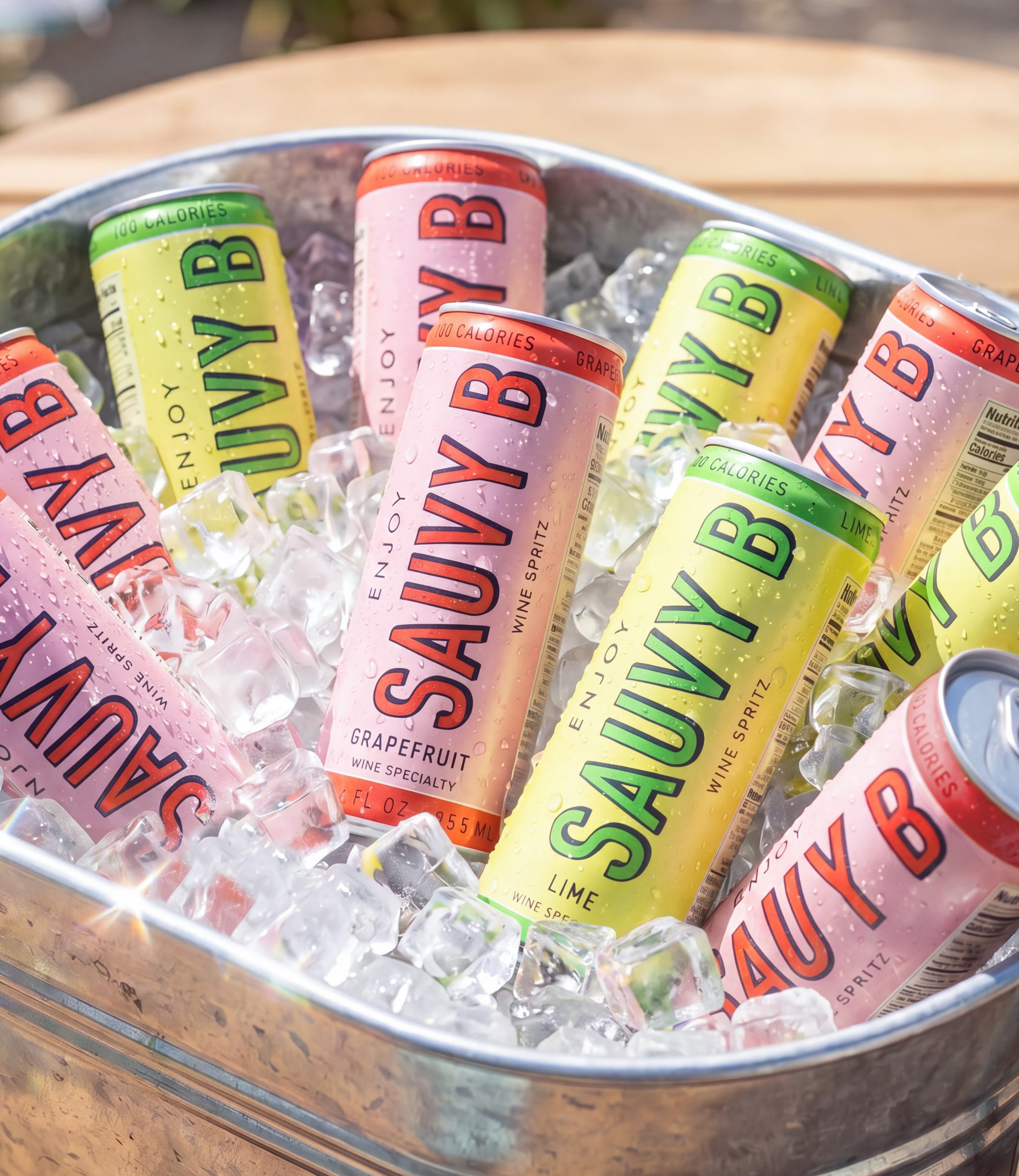
By maintaining a low wine-to-water ratio, the brand has achieved a calorie count of approximately 100 calories per can. This positioning is critical in the current market, where "clean label" attributes—such as low sugar, low calorie, and gluten-free—are high priorities for younger consumers. The inclusion of pink Himalayan salt as a source of electrolytes is the product’s most distinctive feature, tapping into the "functional" beverage trend that suggests a more balanced approach to alcohol consumption.
The Trinchero Family Estates Connection
While the brand carries the name of renowned vintner Joel Gott, the operational powerhouse behind the launch is Trinchero Family Estates. As the third-largest wine supplier in the United States, Trinchero possesses the distribution muscle and market insights necessary to scale a niche concept into a national staple. Their portfolio, which includes household names like Sutter Home and Three Thieves, has increasingly pivoted toward innovation to combat the stagnation seen in the traditional wine category.
Founder Joel Gott, alongside his wife and winemaking partner Sarah Gott, has been transparent about the product’s purpose. Rather than targeting connoisseurs or existing wine enthusiasts, Sauvy B is intended as a "recruitment tool" for Gen Z and Millennial drinkers. In statements regarding the launch, Gott emphasized that the goal is to integrate the word "wine" into the everyday vocabulary of younger generations who might otherwise reach for a spirit-based RTD or a hard seltzer. By utilizing the colloquialism "Sauvy B"—a popular shorthand for Sauvignon Blanc—the brand seeks to demystify wine and remove the barriers of pretension often associated with the category.
Market Context: The Electrolyte and Functional Drink Boom
The decision to incorporate electrolytes is supported by robust market data. According to analysis from Fortune Business Insights, the global electrolyte drinks market is projected to reach approximately $43 billion by 2026, with an estimated compound annual growth rate (CAGR) of 8.4% through 2034. This growth is largely driven by a shift in consumer behavior toward "active lifestyle" beverages.
Historically, the wine industry has remained insulated from the functional beverage craze. However, as the "sober-curious" movement gains traction and consumers demand more from their beverages than just intoxication, the lines between categories are blurring. Sauvy B follows in the footsteps of other recent "functional" alcohol launches. For example, earlier this year, Stateside Brands introduced Super Lyte, a vodka-based RTD with electrolytes, and Svedka launched its "Vodka Water" line. Both products also utilize a 4.5% ABV, suggesting that this specific alcohol content is becoming the industry standard for beverages marketed under the "functional" or "hydration-adjacent" umbrella.
Addressing the Decline in Wine-Based RTDs
The launch of Sauvy B arrives at a critical juncture for the wine industry. Recent data from industry analysts like IWSR Drinks Market Analysis indicates that spirit-based RTDs (such as canned Moscow Mules or Tequila Sodas) have significantly outperformed wine-based and malt-based RTDs in terms of market share growth. Younger drinkers, in particular, have shown a preference for the perceived "cleanliness" of spirits over the perceived "heaviness" or "sugar content" of wine.
Canned wine has struggled to find a permanent foothold. While the format offers portability and sustainability, it has often failed to compete with the branding and lifestyle marketing of seltzer giants like White Claw or Truly. Sauvy B represents an attempt to close this gap by competing on the same terms as seltzers—focusing on hydration, low calories, and approachable branding—while still leveraging the premium associations of the "Joel Gott" winemaking pedigree.
Chronology of the Rollout and Future Expansion
The strategic rollout of Sauvy B is planned in phases to ensure maximum retail penetration and consumer awareness:
- July 15, 2024: Official launch of Lime and Grapefruit flavors in select national retailers (Target, Walmart, Total Wine & More).
- Autumn 2024: Expansion of distribution to independent liquor stores and regional grocery chains across the United States.
- January 2025: Full national availability expected across all 50 states.
- Spring 2025: Introduction of line extensions, including Pineapple and Watermelon flavors, to capitalize on the summer beverage season.
This timeline suggests a long-term commitment from Trinchero and Gott to establish "Sauvy B" as a sub-brand capable of sustained growth, rather than a limited-time novelty.
Industry Implications and Trade Perspectives
For the broader wine trade, the emergence of electrolyte-infused wine products raises important questions about category definitions and regulatory standards. The Alcohol and Tobacco Tax and Trade Bureau (TTB) maintains strict guidelines regarding health claims on alcoholic beverages. By focusing on "electrolytes for hydration" through the use of pink Himalayan salt, brands like Sauvy B are navigating a fine line between flavor enhancement and functional benefit.
Industry analysts suggest that the success of Sauvy B will be a bellwether for the "functional wine" category. If the product achieves high repeat-purchase rates, it is likely that other major wine conglomerates will follow suit, potentially leading to a new "wellness wine" aisle in retail environments. This would mirror the evolution of the beer industry, which saw the rise of "ultra-light" beers and craft lagers marketed specifically to athletes and fitness enthusiasts.
However, some critics argue that the "functional" angle may be a fleeting trend. The early wave of flavored hard seltzers saw a meteoric rise followed by a significant market correction as consumer palates became fatigued by artificial flavors and "gimmicky" additives. The durability of Sauvy B will depend on whether consumers find the flavor profile of a wine-water-salt blend palatable enough to choose it over established spirit-based alternatives.
Fact-Based Analysis of the "Functional" Shift
The shift toward functional ingredients in wine is part of a larger "premiumization" trend. Consumers are willing to pay a higher price point—$13.99 for a four-pack is higher than many mass-market malt beverages—if they perceive an added value, such as "better" ingredients or a reduced physical toll the next day.
Furthermore, the environmental impact of the canned format cannot be ignored. Aluminum cans have a higher recycling rate and a lower carbon footprint for shipping compared to glass bottles. For a brand like Joel Gott, which has built a reputation on California heritage, the move into cans is also a move toward modernizing the brand’s sustainability profile, another key factor for the younger demographic they are desperate to recruit.
Conclusion
The release of Sauvy B is more than just a new product launch; it is a calculated response to a shifting cultural landscape where the boundaries between health, wellness, and social drinking are increasingly fluid. By combining the recognizable varietal of Sauvignon Blanc with the functional appeal of electrolytes, Joel Gott Wines and Trinchero Family Estates are betting that the future of wine lies in its ability to adapt to the "on-the-go" and "wellness-first" lifestyle of the modern consumer. Whether this will lead to a permanent "functional" category within the wine industry or remain a niche experiment will be determined by the retail performance of the brand over the coming 18 months as it completes its national rollout.