The intersection of viticulture and culinary arts represents one of the most enduring traditions in gastronomy: the pairing of wine and steak. While the general convention of matching red wine with red meat has anchored dining culture for centuries, modern oenology and culinary science reveal that achieving an exceptional pairing requires a precise understanding of meat composition, fat distribution, protein structures, and chemical compounds within wine such as tannins, acidity, and alcohol levels. As consumer interest in artisanal cooking and boutique winemaking surges, mastering these combinations elevates a standard meal into a sophisticated sensory experience.

Historical context underscores the evolution of this pairing tradition. For generations, traditional wine-producing regions in France, Italy, and Spain established regional pairings out of geographic necessity—local wines were naturally consumed alongside local livestock. In Bordeaux, the high-tannin Cabernet Sauvignon and Merlot blends were historically paired with rich, local beef dishes. Similarly, in Tuscany, robust Sangiovese-based wines cut through the heavy fats of traditional regional steaks. Over the past several decades, the globalization of agriculture and winemaking has dismantled rigid geographical boundaries, allowing culinary enthusiasts to experiment with global cuts and diverse varietals. According to recent data from agricultural and hospitality market research groups, global consumption of premium red wines and specialty beef cuts has risen steadily by approximately 4.5% annually over the last ten years, driven by an expanding middle class and a cultural shift toward home gourmet cooking.
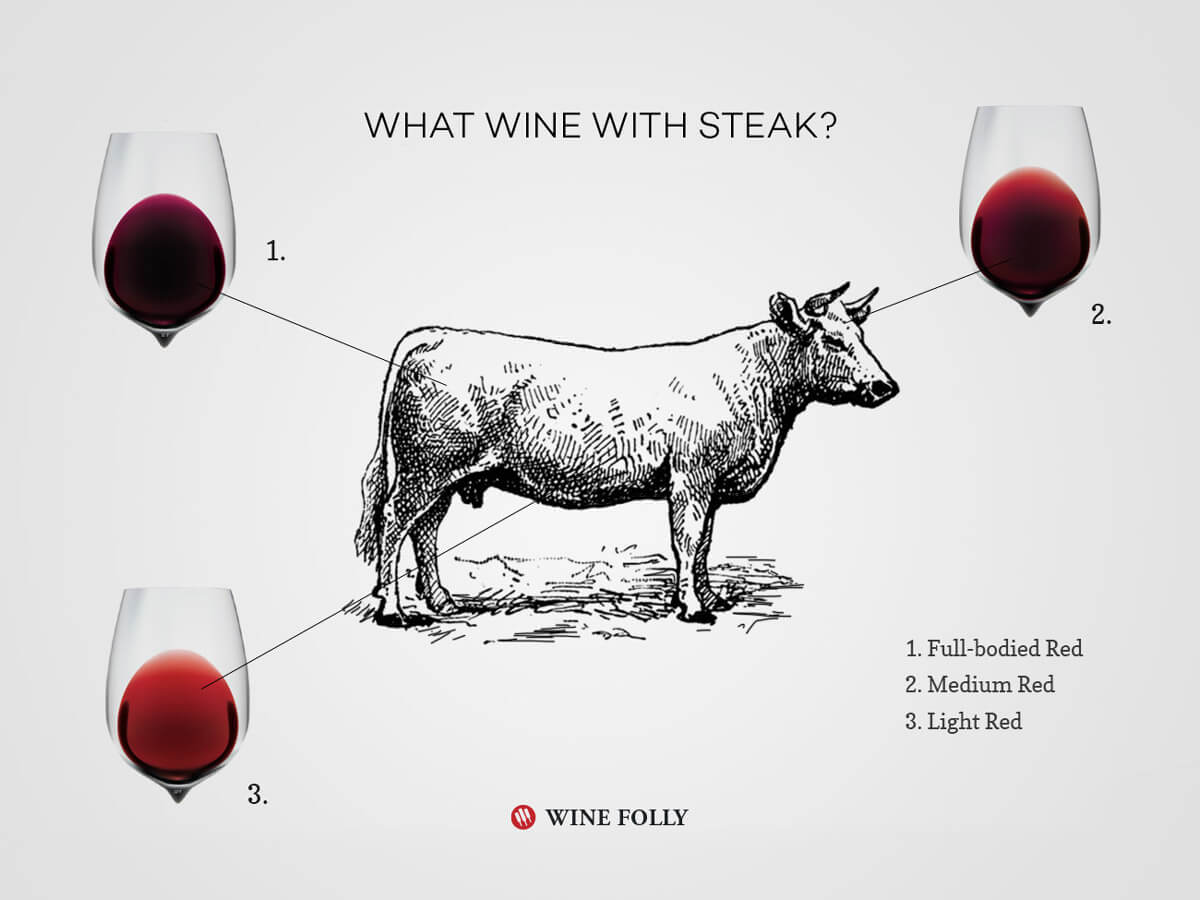
The fundamental science governing steak and wine pairings relies on physiological reactions on the palate. Red wine contains tannins—polyphenols derived from grape skins, seeds, and oak barrels—which bind to proteins in saliva, creating a drying sensation. When paired with a rich, fatty cut of steak, the fat coats the tongue, while the tannins in the wine bind to the fat molecules and proteins, cleansing the palate and softening the perception of astringency. Conversely, leaner cuts lack sufficient fat to buffer high-tannin structures, meaning that heavy, aggressive wines can overpower delicate meats, leaving a metallic or overly bitter finish. Consequently, culinary experts establish a primary rule of thumb: leaner cuts require lighter, more nuanced red wines, whereas heavily marbled, high-fat cuts demand robust, high-tannin varietals capable of cutting through the richness.
Analyzing Specific Cuts and Their Optimal Wine Profiles
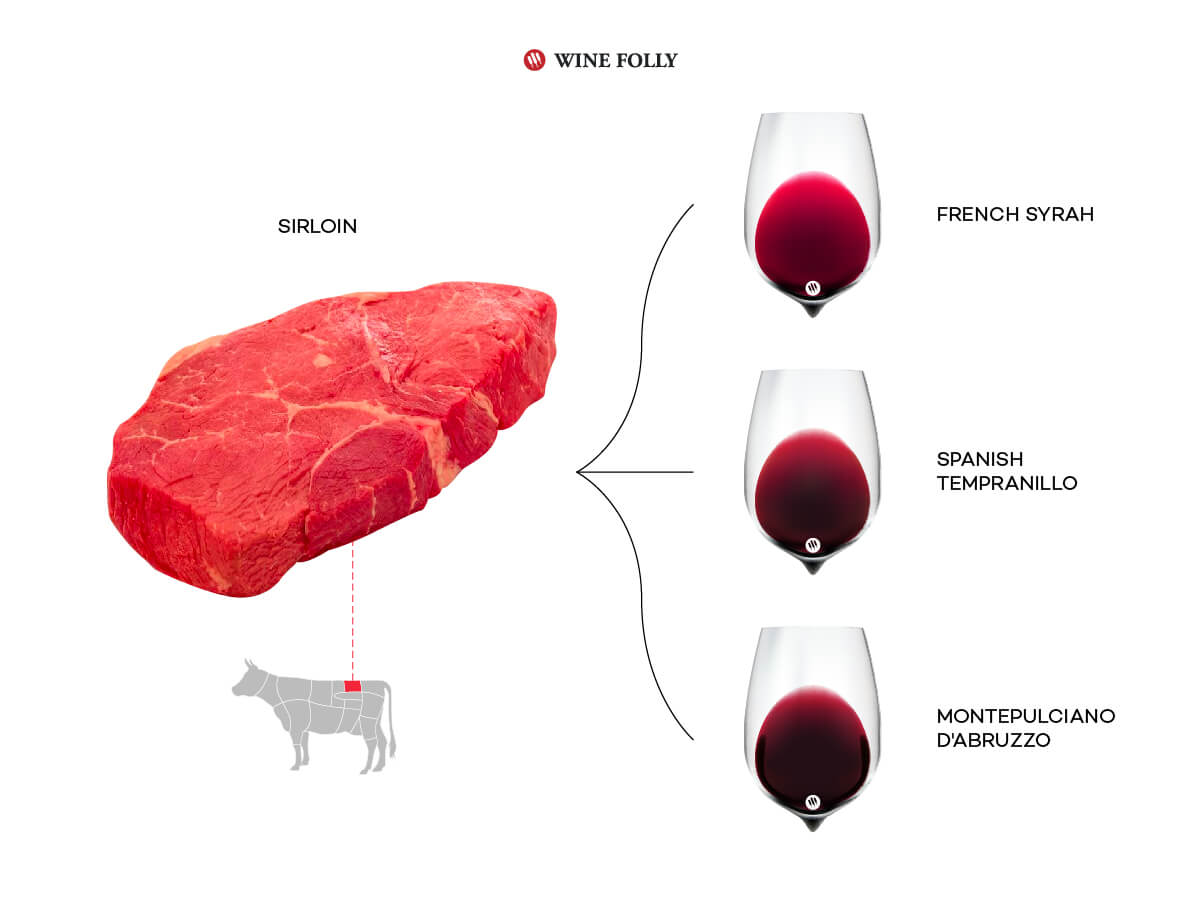
Sirloin remains one of the most versatile and frequently consumed cuts of beef available in global markets. Characterized by light fat marbling and a distinct strip of external fat, the sirloin acts as a culinary workhorse capable of handling a wide array of cooking methods, from cast-iron searing to open-flame grilling. Because sirloin can be adapted with diverse seasoning blends, rubs, and pan sauces, the accompanying wine must maintain enough flexibility to bridge the gap between the beef’s natural profile and external flavor enhancements. Culinary professionals recommend medium-to-full-bodied reds with moderate acidity and approachable tannins, allowing the wine to adapt to herbal rubs or simple salt-and-pepper preparations without dominating the dish.
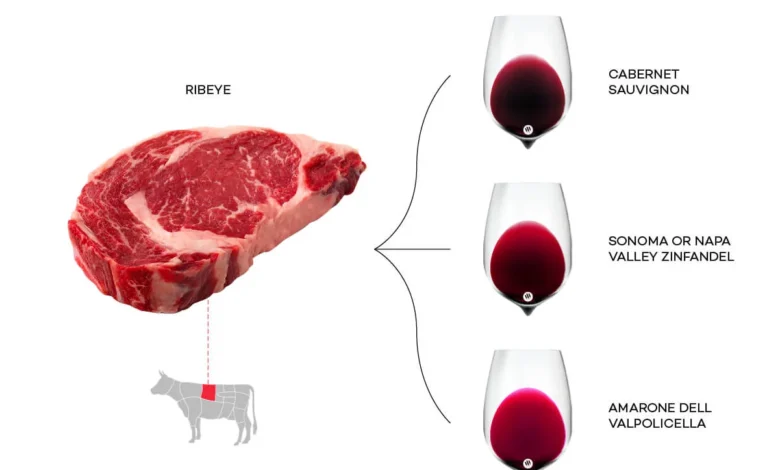
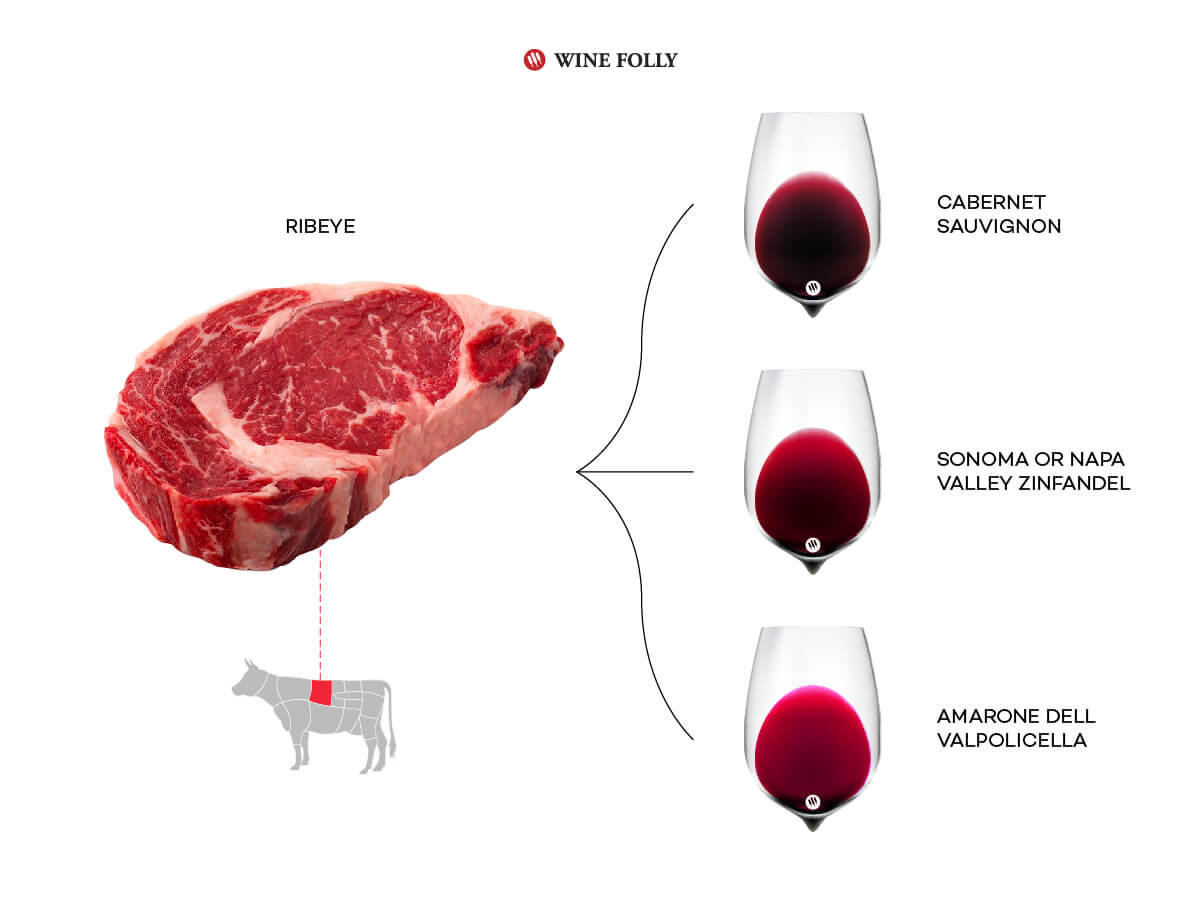
In contrast, the Ribeye and its bone-in counterpart represent the pinnacle of richness and marbling within the beef spectrum. The dense network of intramuscular fat melts during the cooking process, infusing the muscle fibers with a buttery texture and intense savory flavor. To balance this high fat content, sommeliers consistently point to high-tannin powerhouses or wines characterized by intense fruit concentration. The tannins effectively scour the palate of excess lipids, while bold fruit profiles provide a harmonious contrast to the savory umami notes of char-grilled beef.
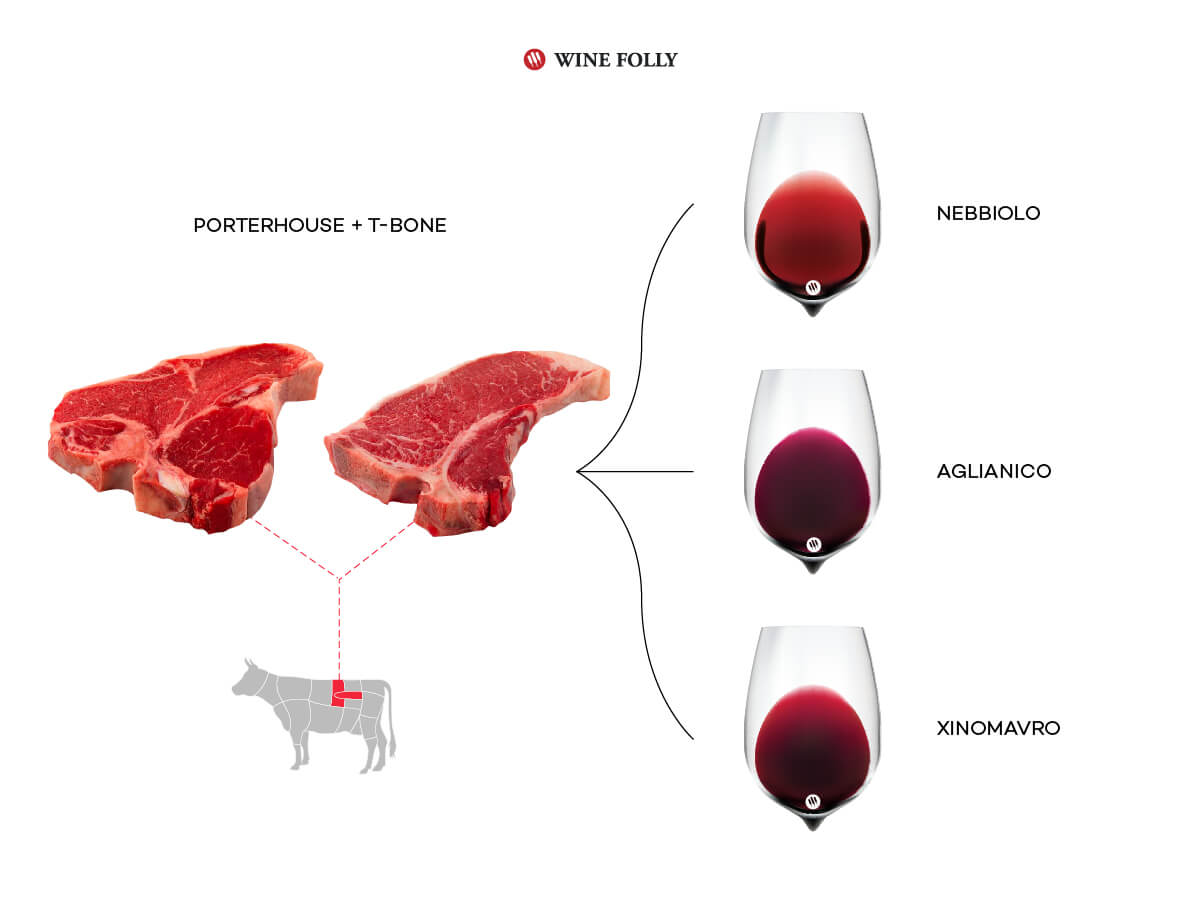
Porterhouse and T-Bone steaks present a unique anatomical challenge and reward, featuring two distinct muscles separated by a T-shaped lumbar bone: the tender, lean filet mignon on one side and the firmer, robust strip loin on the other. Because these cuts combine textural tenderness with distinct, lean muscle flavor, they benefit from aromatic, medium-to-full-bodied red wines. These selections complement the dual nature of the cut, ensuring that neither the delicate filet nor the beefier strip is overwhelmed by excessive oak or aggressive alcohol burn.
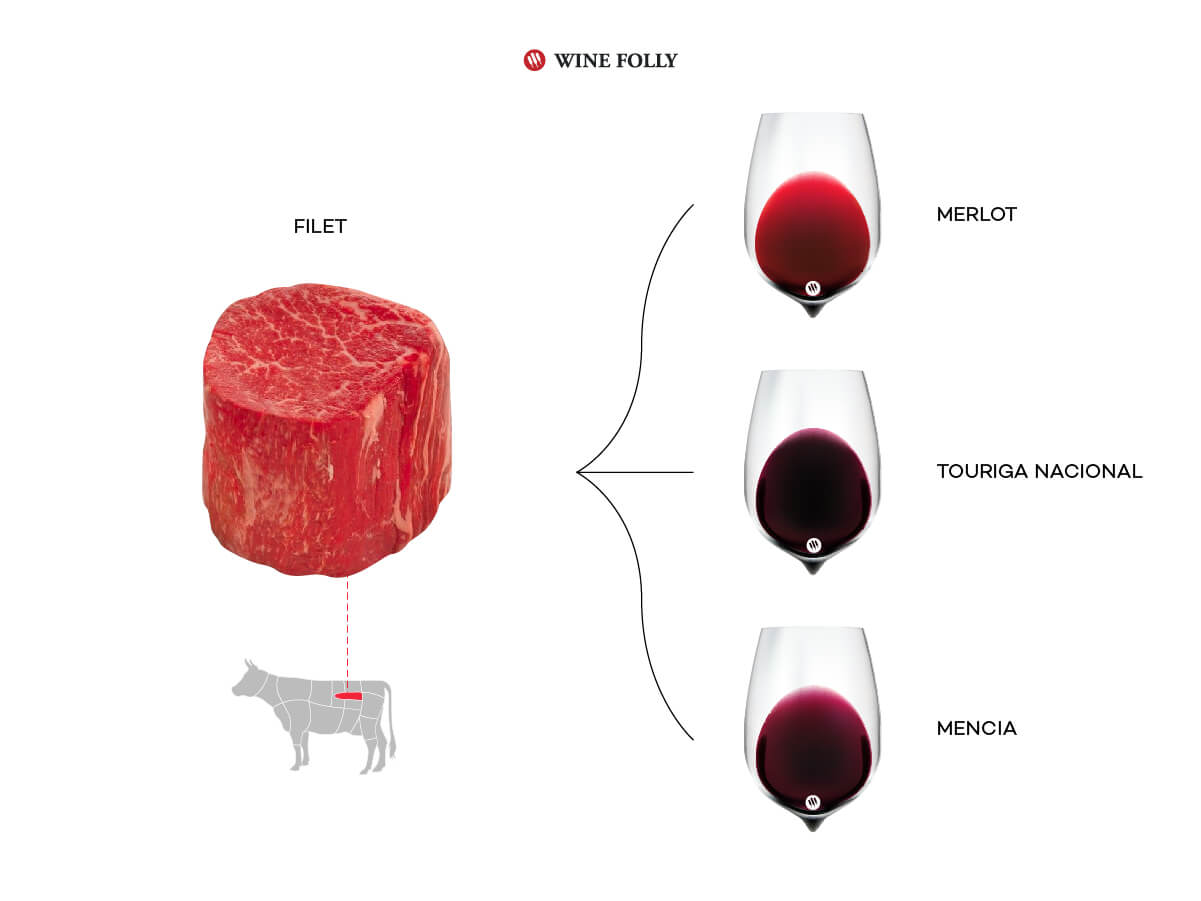
The Filet Mignon, frequently celebrated as the most tender cut of beef, possesses a remarkably fine-grained muscle structure with minimal fat content. Because it relies on its delicate texture and subtle flavor rather than heavy marbling, the filet is often prepared via pan-searing and butter-basting, or paired with rich demi-glaces and cream-based mushroom sauces. Wine selections for filet mignon must exercise restraint; elegant, refined reds with velvety tannins and subtle earthy undertones ensure that the wine complements rather than masks the meat’s delicate profile.
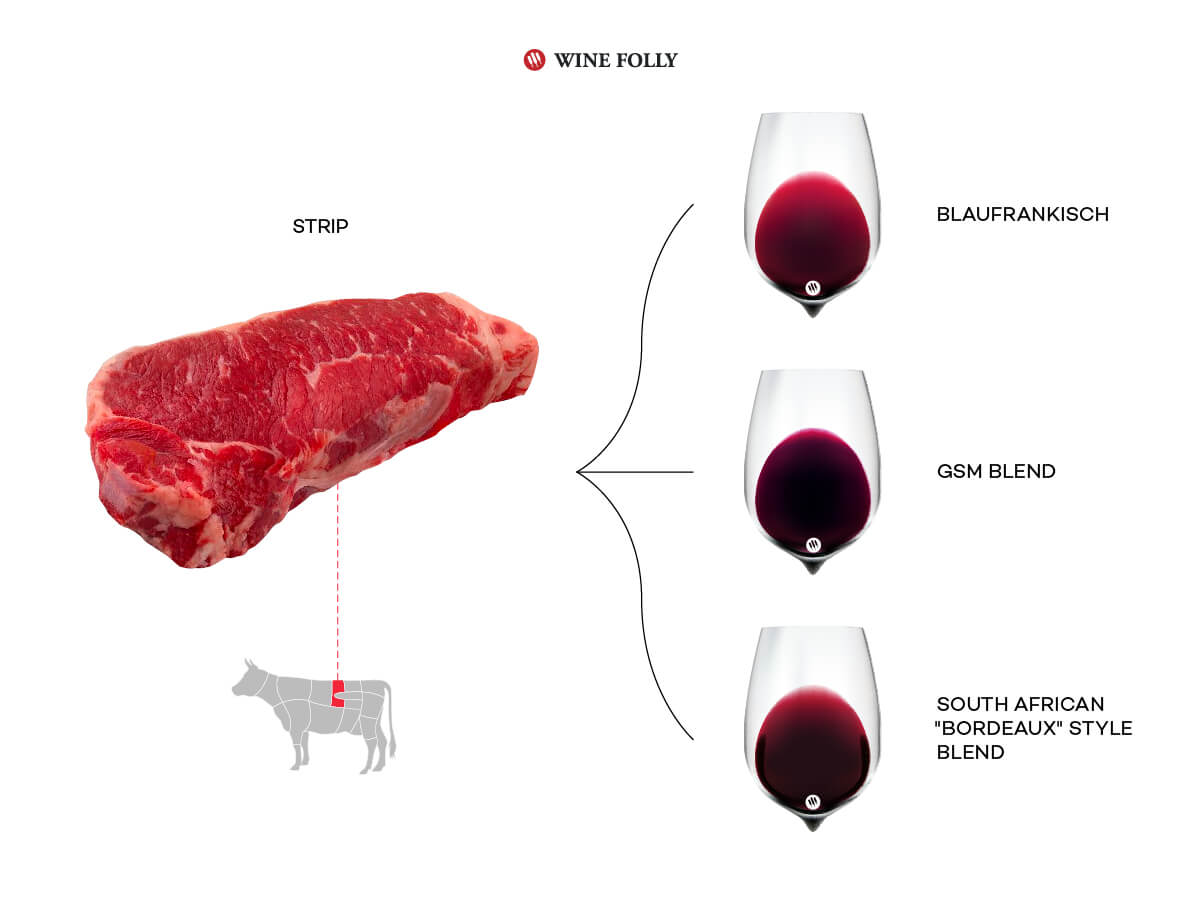
The New York Strip, also known as shell steak or Kansas City strip, offers an exceptional balance of deep beef flavor and moderate-to-high fat marbling along the edge. Containing slightly more connective tissue than a tenderloin, a properly rested strip steak delivers a robust mouthfeel and pronounced beefiness that requires a wine capable of standing up to its structural density. Bold reds featuring strong fruit characteristics, vibrant acidity, and firm tannins serve to cut through the peripheral fat while accentuating the savory, iron-rich qualities of the short loin.
Alternative Cuts: Rump, Flank, Skirt, and Brisket
Beyond the classic premium steaks, alternative cuts have gained immense popularity across home kitchens and restaurant menus alike, requiring distinct pairing strategies.
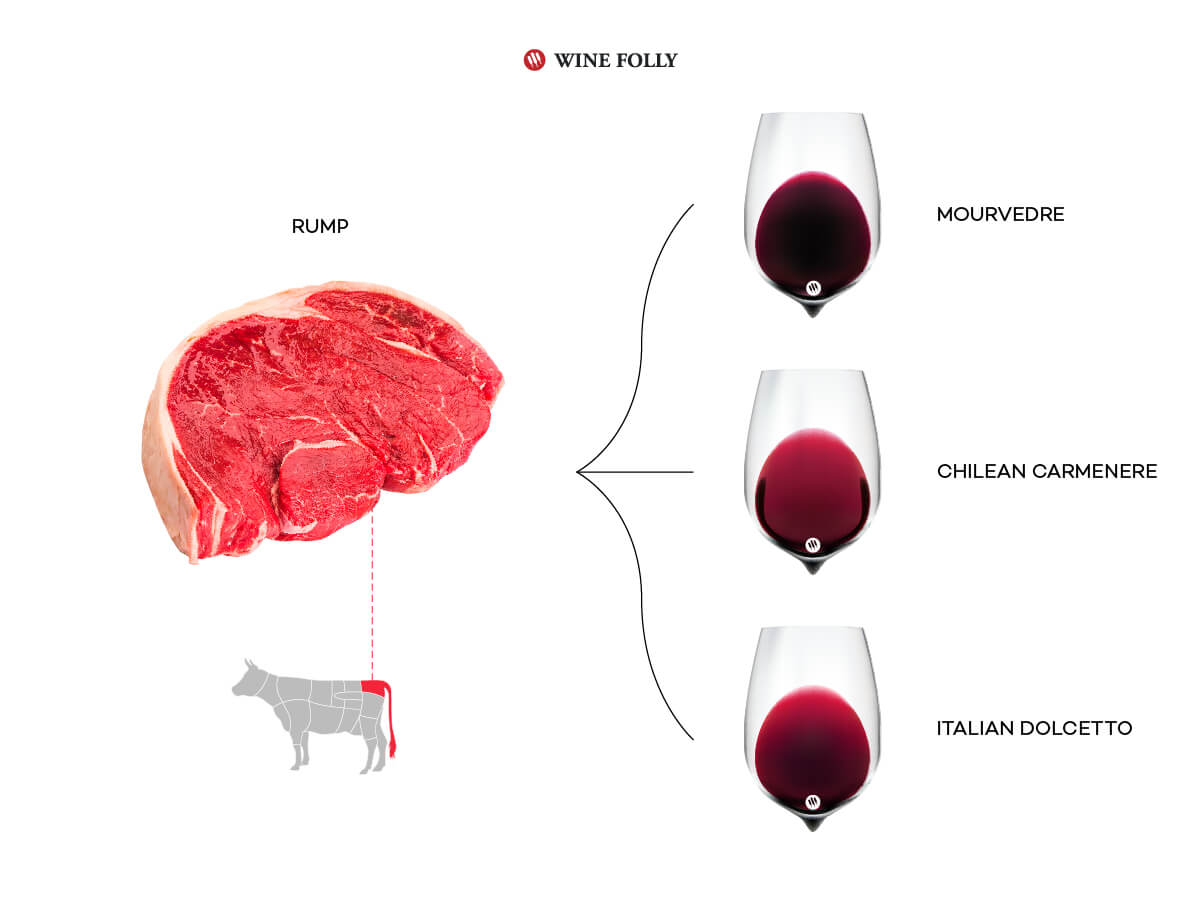
The Rump steak, sourced from a heavily exercised muscle group, offers a firm texture and deeply concentrated beef flavor. Because preparation methods often involve marinades or slow roasting to tenderize the muscle fibers, wine pairings must account for both the inherent firmness of the meat and any accompanying acidic or sweet components introduced during the marinating process. Versatile reds with bright acidity and moderate body provide the necessary structural support without clashing with culinary additives.
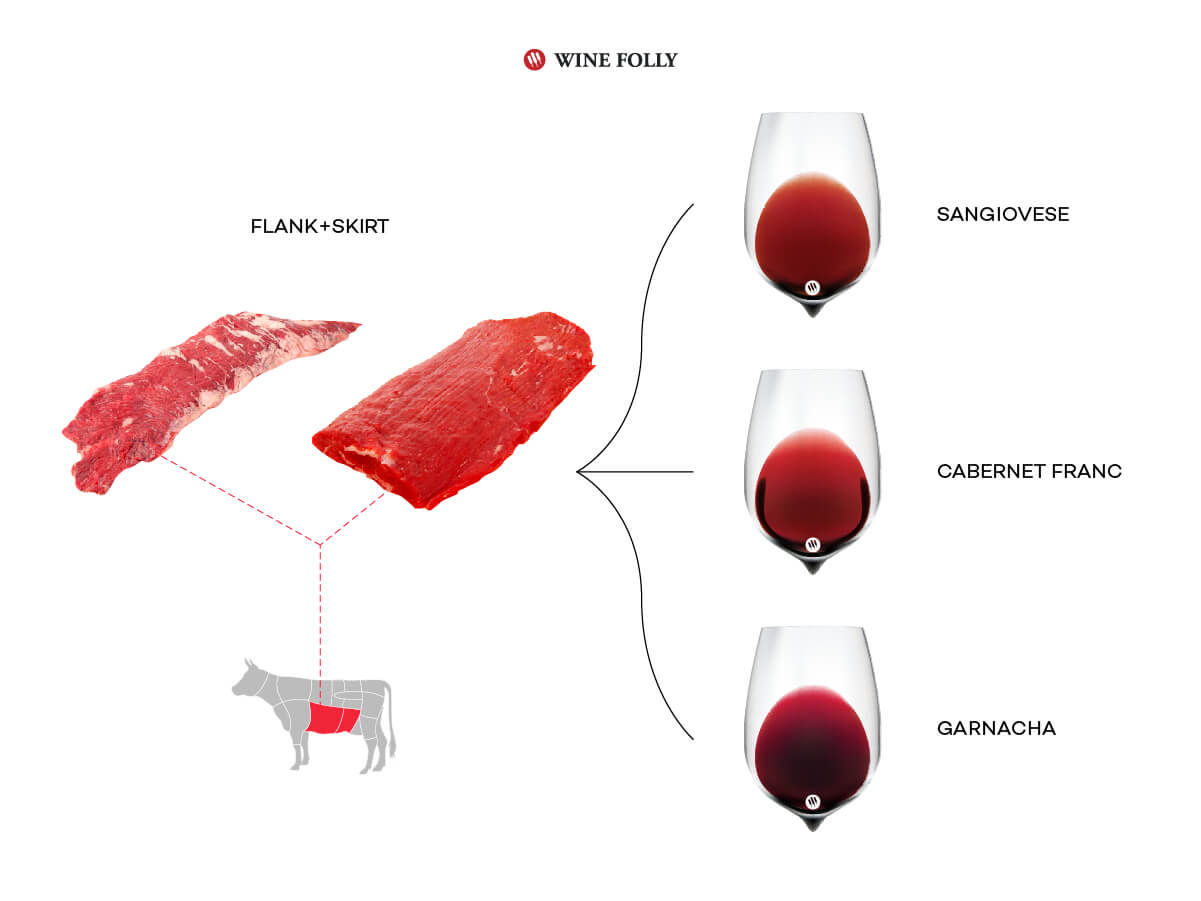
Flank and Skirt steaks, prized for their pronounced grain and rich, beefy flavor profile, are frequently utilized in international cuisine, including traditional fajitas and carne asada. When prepared simply on a grill with salt and pepper, these cuts offer a chewy, intensely savory experience. To transform this texture from a culinary challenge into a rewarding dining experience, pairings should feature lively acidity and juicy fruit notes that refresh the palate between bites of fibrous, flavorful beef.
Finally, the Brisket represents a departure from traditional pan-seared or grilled steaks, requiring a low-and-slow approach, typically within a smoker utilizing hardwoods such as hickory, oak, or mesquite. The prolonged cooking process breaks down tough collagen into gelatin, while smoke infusion imparts heavy aromatic compounds. Consequently, wine selection is heavily influenced by the type of wood fuel and dry rubs utilized. Robust, smoky, and fruit-forward reds that can mirror and amplify the tertiary smoke aromas are essential for a successful brisket pairing.
Broader Economic and Gastronomic Implications
The rising sophistication of home cooking, amplified by digital media and accessible culinary education, has transformed the consumer approach to pairing wine and steak. Market analysis indicates that retail sales of specialized wine glassware, instant-read meat thermometers, and premium-tier subscription box wines have increased significantly over the past five years. Consumers are no longer treating wine and steak pairings as an arbitrary weekend luxury, but as an applied science and an accessible artistic pursuit.
Culinary institutes and hospitality organizations emphasize that while standardized pairing guidelines provide an invaluable framework, individual preference remains the ultimate arbiter of quality. Food science demonstrates that human perception of taste is highly subjective, influenced by genetic variations in palate sensitivity, personal dietary habits, and cultural background. Therefore, rigid adherence to pairing rules should serve as a baseline rather than an absolute mandate.
As the global agricultural sector continues to innovate in sustainable livestock management and viticulturists adapt to changing climate conditions through resilient grape varietals, the landscape of wine and steak pairing will continue to evolve. By understanding the underlying biochemical interactions between proteins, fats, tannins, and acids, enthusiasts are better equipped to navigate this dynamic culinary frontier, ensuring that every dining experience remains a successful exploration of taste, texture, and tradition.