Bordeaux Vintages Ending in Six: A Retrospective Analysis of Half a Century of Excellence and Evolution

The history of Bordeaux wine is frequently interpreted through the lens of decennial cycles, where the numerical suffix of a vintage year serves as a shorthand for weather patterns, viticultural challenges, and ultimate market success. While wine enthusiasts and collectors often focus on the legendary "five" vintages or debate the merits of the historically difficult "four" years, the vintages ending in "six"—spanning from 1966 to 2016—offer a particularly compelling narrative of consistency, technological advancement, and climatic adaptation. Spanning fifty years, these vintages provide a unique window into how the region has navigated the shifting demands of global palates and the realities of a changing climate.
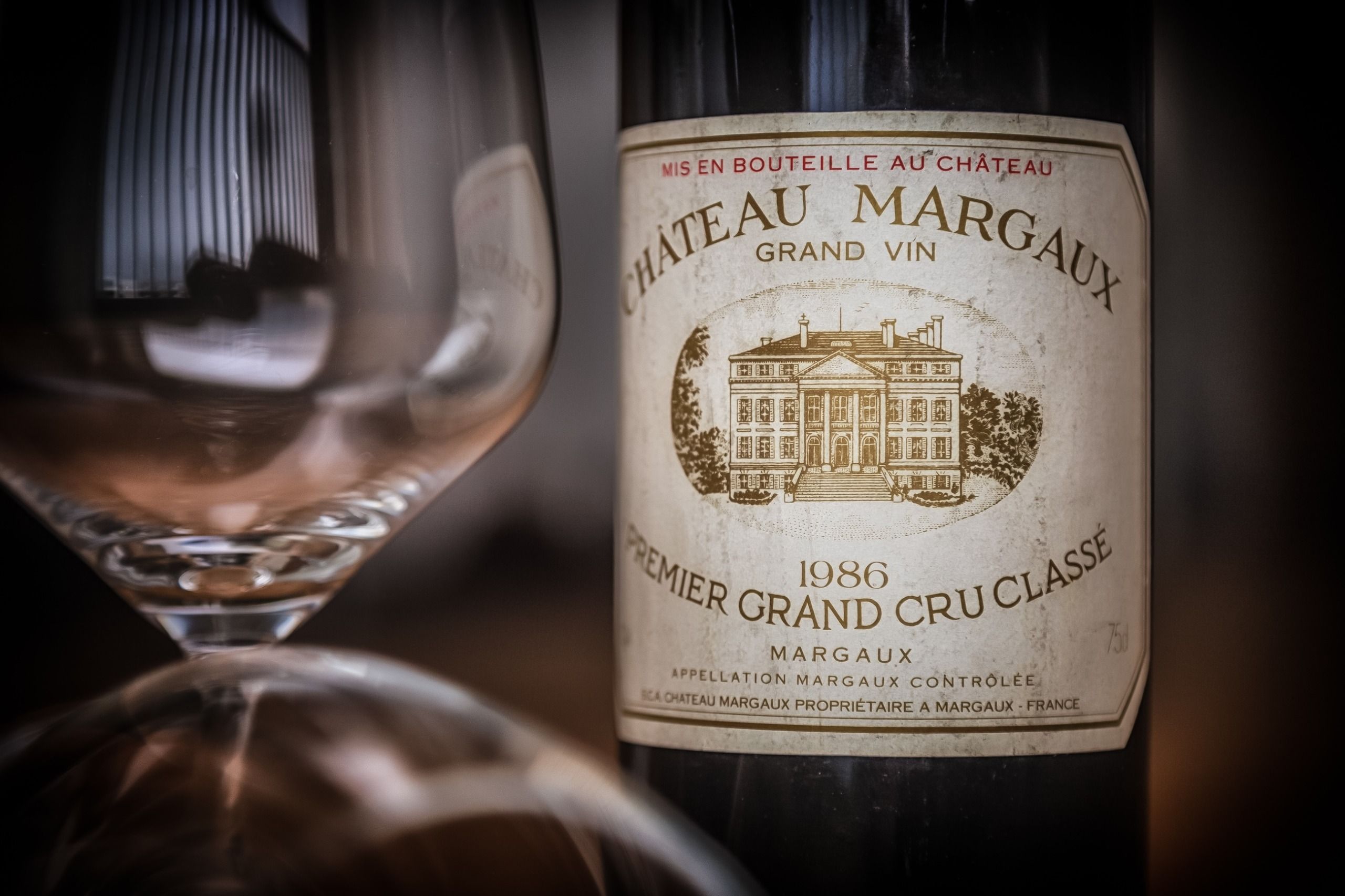
The 1966 Vintage: A Benchmark of Old-World Stability
The 1966 vintage remains a cornerstone for collectors of classic Bordeaux. Coming at a time when the region was still transitioning into modern viticultural practices, the 1966 harvest was characterized by a cool, wet spring followed by a warm, dry summer. This climate trajectory resulted in wines with firm, structured tannins and a notable longevity that has served them well into the 21st century.
Historical records indicate that the 1966 season provided a significant boost to the reputation of Left Bank producers, particularly those in St-Julien and Pauillac. Estates such as Château Gruaud-Larose demonstrated the endurance of this vintage, often showing a dusty, tertiary complexity that defines the "classic" Bordeaux profile. Unlike the more opulent styles that would become popular in later decades, the 1966 wines emphasize restraint, minerality, and an acidity that has allowed them to retain a core of fruit despite their age.
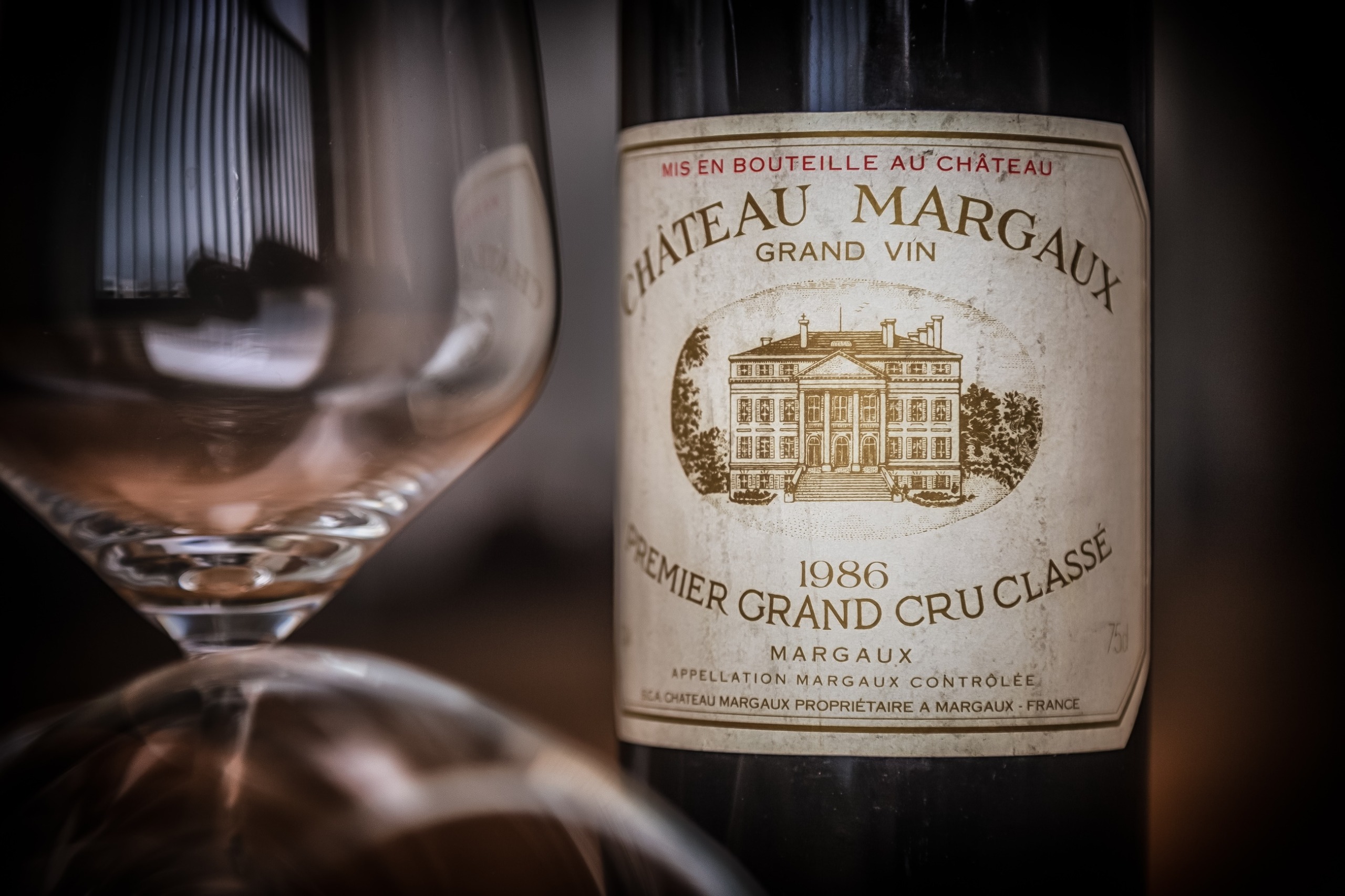
The 1976 and 1986 Contrast: Heat and Structure
The 1976 vintage serves as a study in climatic volatility. A year defined by an exceptionally hot and dry summer, the 1976 harvest brought the challenge of ripeness management long before modern canopy management techniques were widely adopted. As a result, the 1976 wines, such as the offerings from Château Duhart-Milon, often exhibit a "baked" or "warmed" character, with a structure that is arguably more fragile than its 1966 counterpart.
In stark contrast, 1986 represented a pivotal moment for structural density. The 1986 vintage is frequently cited by oenologists as having some of the highest tannin levels of the late 20th century. Wines like the 1986 Château Léoville-Las Cases and Château Gruaud-Larose have become notorious for their "locked" nature. For decades, these wines have resisted rapid evolution, maintaining a stoic, impenetrable character that continues to perplex sommeliers and private collectors. The 1986 vintage serves as a reminder that structural power does not always equate to immediate accessibility, demonstrating that some of the greatest wines require half a century to truly reveal their potential.
The 1996 and 2006 Eras: Consolidation of Modern Methods
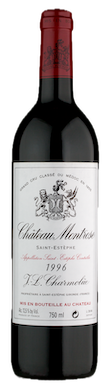
By the mid-1990s, the application of more precise viticultural techniques—such as green harvesting and stricter selection processes—began to bear fruit. The 1996 vintage is widely regarded as one of the finest of the decade, particularly for Cabernet Sauvignon-dominant blends. Château Lynch-Bages and Château Montrose 1996 stand as quintessential examples of this period, characterized by a seamless integration of fruit and tannin that is rarely achieved in younger, less experienced vintages.
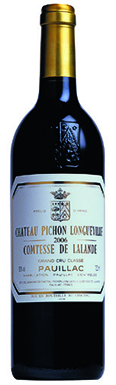
The 2006 vintage, appearing a decade later, reflected a more nuanced approach to winemaking. While the 2006 wines are often described as having "classic" concentration, they arrived at a time when producers were beginning to fine-tune their extraction methods to avoid the harshness that plagued some mid-80s vintages. The 2006 Château Pichon Longueville Comtesse de Lalande serves as a barometer for this era; it possesses the necessary concentration to age, yet exhibits a level of aromatic complexity that signifies a shift toward earlier maturity without sacrificing the potential for cellar development.
The 2016 Vintage: The Pinnacle of Precision
The 2016 vintage is frequently discussed in current market reports as a "modern masterpiece." Unlike the heat-stressed years of the early 2000s, 2016 benefited from a unique weather pattern: a wet spring followed by a very dry summer, with a significant diurnal temperature shift in the final weeks before harvest. This allowed for the full development of phenolic ripeness while preserving the natural acidity that is vital for structural balance.
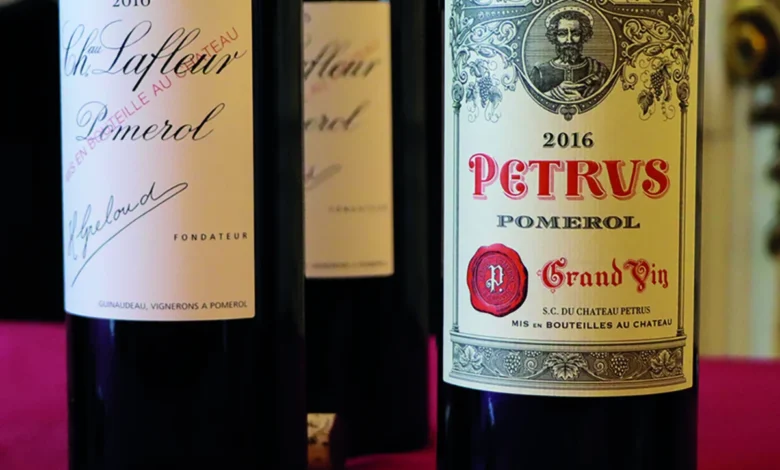
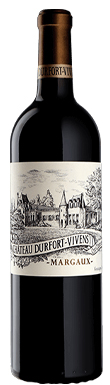
Top-tier producers such as Château Calon Ségur, Château Lafleur, and Château Durfort-Vivens have produced wines that display an extraordinary level of "lift" and aromatic purity. These wines are marked by fine-grained, integrated tannins and a dark fruit intensity that feels entirely distinct from the heavier, more extracted styles of the late 2000s. The 2016 vintage represents the culmination of fifty years of learning, where the integration of advanced meteorological forecasting and improved vineyard management has allowed winemakers to capture the terroir of Bordeaux with unprecedented precision.
Chronology of the "Six" Vintages
- 1966: A vintage of stability and grace; notable for its firm structure and longevity.
- 1976: Defined by heat; a challenging year that required careful vineyard management.
- 1986: Known for massive, persistent tannin structures; many wines from this year remain closed even today.
- 1996: A landmark year for Cabernet Sauvignon; widely considered a classic benchmark for the Médoc.
- 2006: A transitional vintage that balanced traditional power with emerging, more refined winemaking techniques.
- 2016: A modern paradigm; characterized by perfect phenolic ripeness, high acidity, and exceptional aromatic complexity.
Economic Implications and Market Sentiment
From a market perspective, the "six" vintages have consistently outperformed many of their neighbors in the decennial cycle. According to recent auction data, the 1996 and 2016 vintages, in particular, command a premium due to their reputation for consistency across the Left and Right Banks.
Institutional investors and private collectors view these years as "safe havens" in the volatile fine wine market. The 2016 vintage has seen significant interest from the secondary market, driven by high scores from international critics and a growing realization that climate change may make such balanced conditions increasingly rare. The broader implication is that the market is placing a higher value on "freshness" and "balance"—qualities that are the hallmark of the 2016s—over the high-alcohol, high-extraction styles that defined the market in the early 2000s.
The Role of Viticultural Adaptation
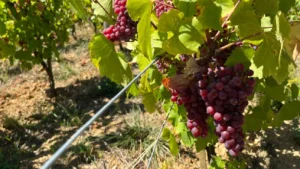
The evolution from 1966 to 2016 is not merely a story of improved winemaking, but one of profound viticultural adaptation. Over these fifty years, the Bordeaux region has transitioned from reactive farming to proactive, data-driven viticulture. The 2016 vintage, in particular, demonstrated how canopy management can protect grapes from heat spikes, ensuring that the acidity remains intact despite rising average summer temperatures.
Furthermore, the shift in clonal selection and the move toward more sustainable farming practices have allowed châteaux to handle the climatic pressures of recent years with greater success than they could have in 1976 or 1986. As the industry looks toward the next cycle, the lessons learned from these vintages serve as the foundational knowledge for future adaptation.
Conclusion
The study of Bordeaux vintages ending in "six" provides more than just a list of high-scoring wines; it provides a longitudinal study of the region’s development. From the structured, austere profiles of the mid-20th century to the refined, precise expressions of the modern era, these vintages map the history of Bordeaux’s pursuit of perfection. As the industry continues to evolve, the 2016 vintage stands as a testament to the fact that, when climate and technology align, Bordeaux remains capable of producing some of the most compelling and age-worthy wines in the world. Whether through the lens of a collector or a student of viticulture, the "six" years remain a defining chapter in the chronicle of fine wine.