The Ultimate Guide to Elevating Your London Decanter Fine Wine Encounter Experience Beyond the Tasting Room

For wine enthusiasts travelling to London for the annual Decanter Fine Wine Encounter (DFWE), the weekend offers a unique opportunity to transcend the traditional trade-tasting format by immersing oneself in the capital’s world-class culinary and hospitality ecosystem. As international delegates prepare to congregate at The Landmark London, the event has evolved into more than a mere showcase of viticulture; it serves as a central hub for a broader gastronomic exploration of one of the world’s most vibrant culinary landscapes. Expert insights from industry figures, such as Gareth Birchley of Burns & German Vintners, highlight how strategic planning can transform a standard tasting visit into a comprehensive, multi-sensory weekend of discovery.
The Decanter Fine Wine Encounter: An Institutional Overview
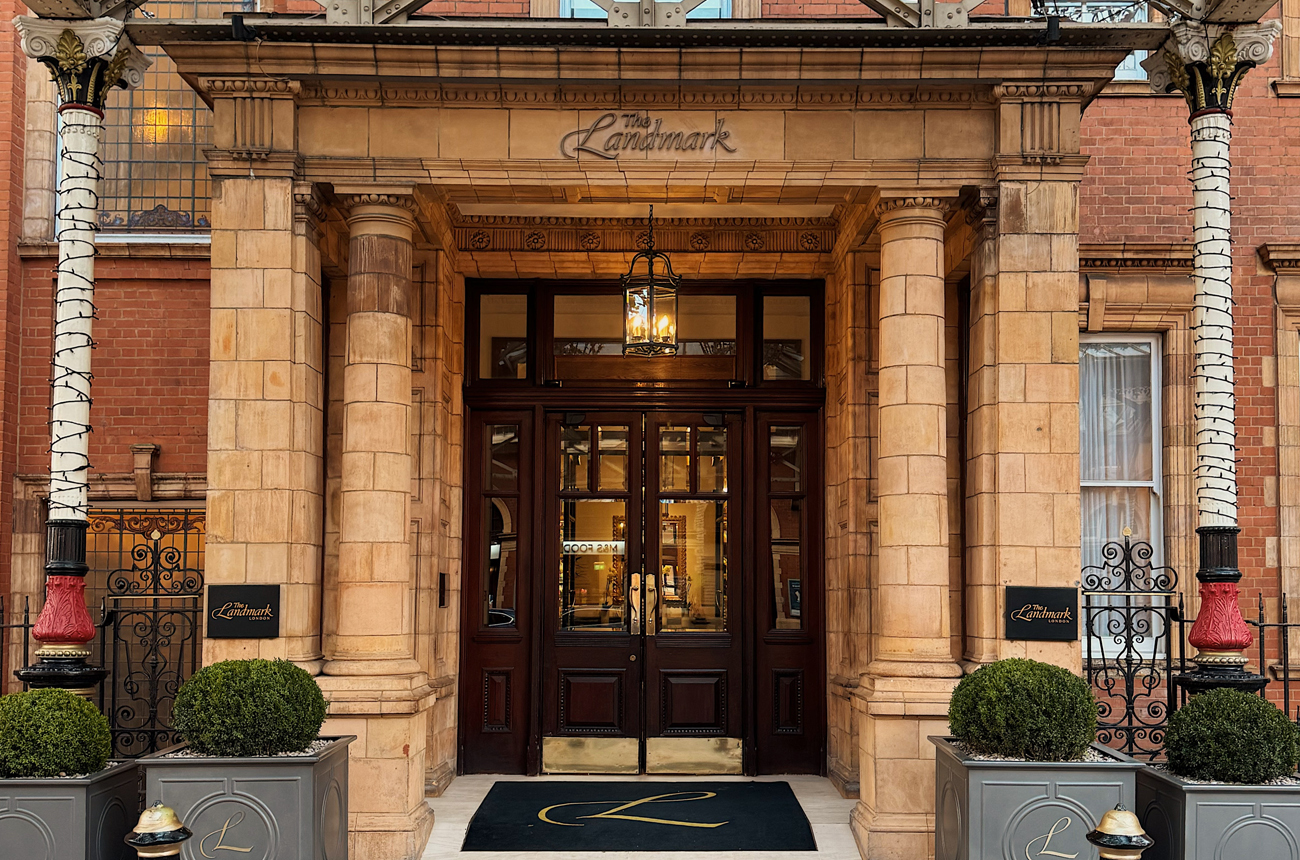
The Decanter Fine Wine Encounter is widely considered the premier event on the UK’s fine wine calendar. Held at the historic Landmark Hotel in Marylebone, the event brings together globally renowned producers, masterclasses, and an audience of serious collectors and trade professionals. The 2024 iteration, scheduled for 6–7 November, continues a tradition of curating rare, mature, and limited-production vintages that are otherwise inaccessible to the general public.
The logistical scale of the event is significant. With hundreds of estates represented—ranging from storied Bordeaux châteaux to innovative New World producers—the DFWE serves as a barometer for the global fine wine market. Industry analysts suggest that the concentration of such high-caliber producers in a single location provides a unique dataset for observing shifting consumer preferences, such as the increasing interest in premiumized rosé and the growing prestige of English sparkling wine production.
Chronological Itinerary: A Strategic Approach to the Weekend
For those arriving on Thursday evening, the pre-event window offers a crucial opportunity to acclimate to London’s high-end dining scene. The logistical benefit of staying at The Landmark Hotel cannot be overstated; it acts as a base camp that minimizes travel time and allows for brief periods of rest, which are essential for maintaining the palate acuity required for the rigorous tasting schedule that follows.
Thursday: Pre-Event Gastronomy
For the discerning traveler, Thursday dinner should serve as an introduction to the weekend’s theme of excellence. Les 110 des Taillevent, situated on Cavendish Square, remains a standout recommendation for its sophisticated French menu and its unique wine-by-the-glass program. The establishment is notable for providing access to legendary producers like Raveneau and Lafon, allowing attendees to calibrate their palates with mature Burgundy before the weekend’s broader tastings commence.
Alternatively, for a more communal and contemporary experience, Lurra on Seymour Place provides a masterclass in Basque-inspired cooking. The menu, which emphasizes fire-grilled seafood and high-quality proteins such as Suckling Lamb and Iberico Presa, aligns with modern trends in pairing robust red wines from the Iberian Peninsula. The restaurant’s success serves as an example of how London’s dining scene has moved toward ingredient-led, informal luxury, providing a sharp contrast to the more formal settings of traditional fine dining.
Friday: The Winemaker’s Perspective
The official event proceedings typically begin with exclusive masterclasses and the Winemakers’ Lunch. For those with access, the lunch hosted by Lucy Hill-Smith of Yalumba represents a significant historical link to the global wine trade. With 175 years of family-owned history, Yalumba’s participation is not merely a marketing exercise but an educational opportunity. The inclusion of flagship wines such as ‘The Caley’ Cabernet-Shiraz provides attendees with a rare look at the aging potential of Australian viticulture.
The afternoon Grand Tasting session requires a disciplined approach. The sheer volume of offerings—from the precision of Philipponnat’s Clos des Goisses to the structural integrity of wines from Chateau D’Esclans—can lead to sensory fatigue. Experts advise beginning with sparkling wines to cleanse the palate before moving toward the more robust tannins of Northern Rhône Syrah or Spanish Rioja.
The Evolution of the London Wine Scene
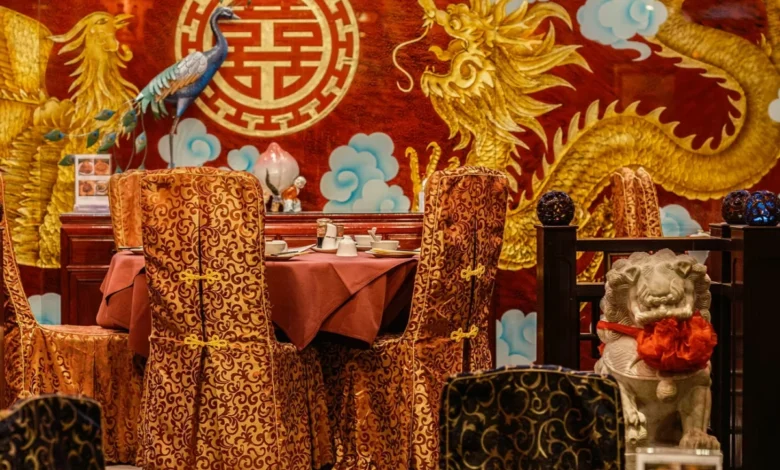
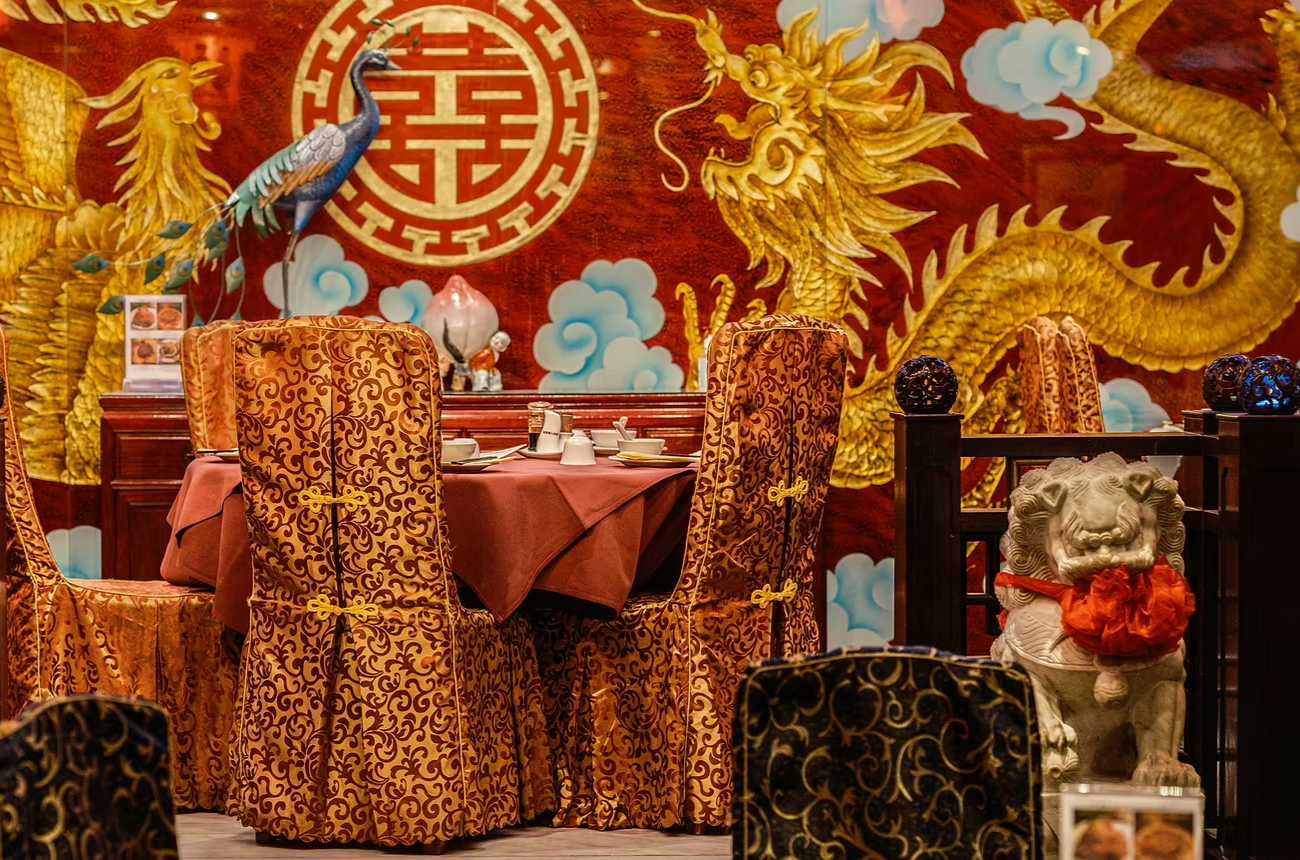
The Friday evening transition offers a moment to reflect on the diversity of the industry. The Phoenix Palace on Glentworth Street provides an interesting case study in the longevity of high-end, family-style dining. While the restaurant is not strictly a wine-focused venue, its extensive cellar, containing rare vintages of Lafite, Margaux, and Petrus, illustrates the deep-rooted culture of wine consumption among London’s established restaurant scene.
Similarly, Oslo Court in St. John’s Wood represents a cultural touchstone for a specific era of luxury. The survival of such institutions, which maintain a 1970s aesthetic and menu, speaks to a persistent demand for consistency and tradition. This juxtaposition—between the avant-garde, technique-heavy approaches seen at newer establishments and the preservation of classic, high-service dining—is what defines London’s unique appeal to the global wine community.
Saturday: Analytical Tasting and The Final Flourish
Saturday’s agenda should ideally focus on the comparative tasting of Bordeaux. The presence of producers like Brane-Cantenac, Giscours, and the Barton family’s estates offers a rare chance to assess the impact of recent changes in vineyard management and winemaking philosophy. The transition of leadership at estates like Lascombes, under the guidance of industry veterans like Axel Heinz, has become a key focal point for collectors.
Data from previous years suggests that attendees are increasingly prioritizing wines with long-term storage potential. As such, the focus on St. Julien estates—known for their consistent aging profiles—remains a staple of the Saturday sessions. Furthermore, the inclusion of sweet wines from Royal Tokaj or the late-harvest Rieslings of Hugel serves as a necessary, albeit complex, finish to the tasting experience, demonstrating the diverse range of the global market.
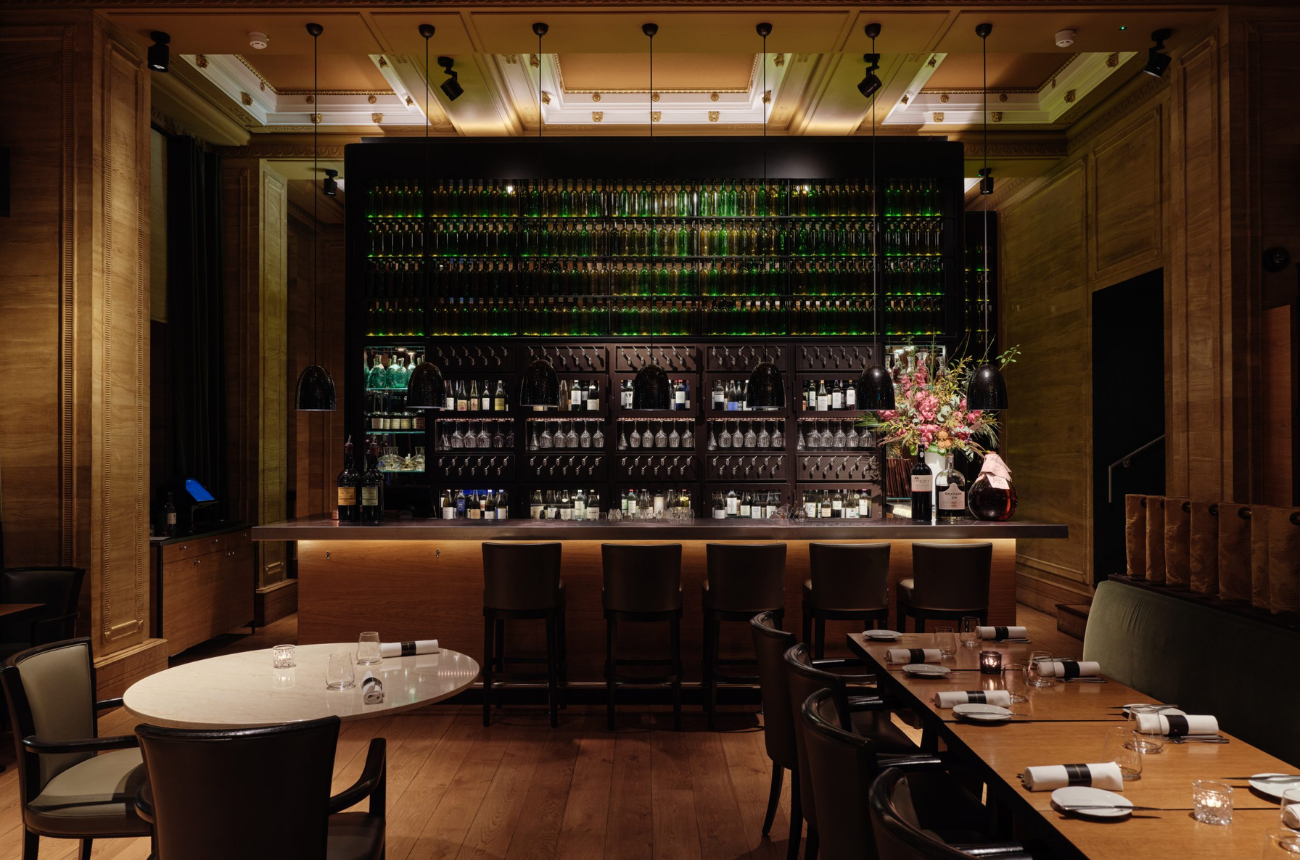
The final stop for many veteran attendees is the Arches Wine Bar in Swiss Cottage. The history of the venue, bolstered by the legacy of the late Harry Gill, serves as a poignant reminder of the personal relationships that form the bedrock of the wine industry. The sight of empty bottles lining the shelves is not merely decor; it is an archive of the social history of the trade.
Broader Implications and Future Outlook
The Decanter Fine Wine Encounter is more than a commercial event; it is an essential mechanism for the transfer of knowledge between producers and consumers. The trend toward hosting these events in central, high-amenity locations like Marylebone reflects a broader shift in the luxury goods sector. Consumers are no longer seeking isolated product demonstrations; they are seeking immersive experiences that integrate culture, travel, and fine dining.
Looking forward, the integration of regional outposts, such as Taittinger’s Domaine Evremond in Kent, into the tasting lineup signals a shift in perception regarding English wine. The industry’s willingness to highlight domestic production alongside international titans suggests that the UK is not merely a consumption market, but an increasingly significant producer in its own right.
For those planning their participation in future encounters, the takeaway is clear: the success of the weekend is determined by the balance between professional inquiry and personal enjoyment. By leveraging the logistical infrastructure provided by the event and supplementing it with the capital’s most enduring culinary institutions, the weekend becomes an exercise in cultural and professional enrichment. As the event continues to sell out annually, it remains a vital component of the international fine wine calendar, cementing London’s status as a global leader in the promotion and appreciation of viticultural excellence.