Beyond the Salad Bowl: The Culinary Versatility of Caesar Dressing in Modern Mediterranean Cuisine

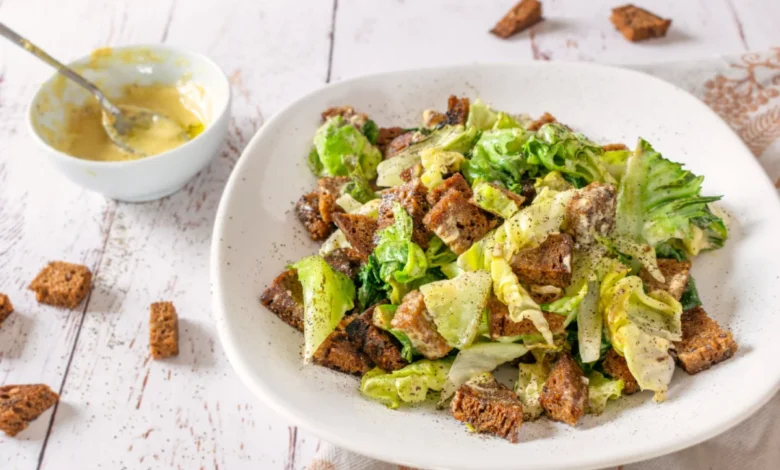
The culinary landscape of the Mediterranean-inspired kitchen is currently experiencing a shift in how foundational condiments are utilized, with the traditional Caesar dressing emerging as a versatile cornerstone for home cooking rather than a mere accompaniment to romaine lettuce. Updated as of November 19, 2026, culinary experts are advocating for the integration of this savory, emulsion-based dressing into a wider array of dishes, ranging from roasted vegetables to protein-forward main courses. This evolution reflects a broader trend in home nutrition: the desire to streamline pantry staples into multi-functional ingredients that reduce food waste and simplify meal preparation.

The Anatomy and Evolution of Caesar Dressing
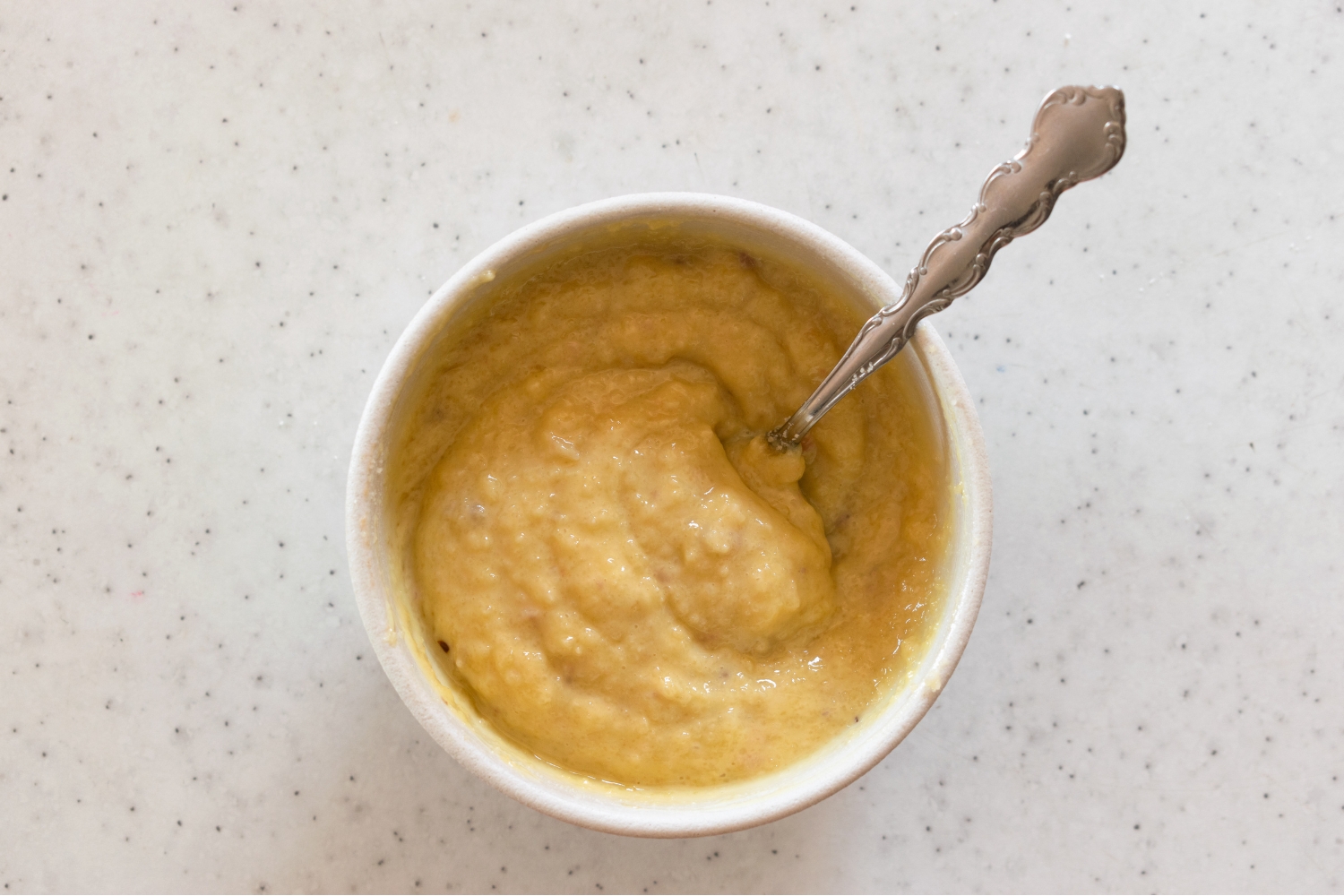
Historically, the Caesar dressing—named after Caesar Cardini, an Italian-born restaurateur who popularized the salad in the 1920s—relied on a precise balance of acidity, salinity, and creaminess. The modern iteration, particularly within the Mediterranean diet framework, emphasizes high-quality extra virgin olive oil, fresh lemon juice, garlic, Dijon mustard, and anchovies.
From a nutritional perspective, the transition toward homemade dressings allows for the removal of processed stabilizers and excessive sodium found in shelf-stable commercial alternatives. Recent culinary data suggests that home cooks are increasingly opting for "scratch-made" versions, often replacing raw egg yolks with mayonnaise or yogurt-based emulsions to improve safety and longevity. When prepared correctly, a balanced Caesar dressing provides a rich profile of umami—a savoriness derived from the anchovies and aged Parmesan cheese—which acts as a flavor enhancer for otherwise mild base ingredients like white beans or cabbage.

Chronology of Culinary Integration
The integration of Caesar dressing into non-salad applications has evolved over the past decade. Initial culinary experiments began with simple chicken marinades, capitalizing on the tenderizing properties of the acidic lemon and the flavor infusion of the garlic. By 2024, the scope of use expanded to high-heat applications, such as roasting, where the dressing’s fat content helps caramelize vegetables like Brussels sprouts and asparagus. As of 2026, the current culinary movement involves the inclusion of legumes, specifically white beans, which absorb the dressing’s complex profile, creating a high-fiber, protein-dense side dish.
Six Strategic Applications for the Modern Kitchen
To maximize the utility of a single batch of dressing, professional kitchens and home-cooking advocates suggest the following six strategic applications:
- The Marinade Method: Utilizing the dressing as a marinade for chicken thighs provides a dual benefit. The acidity breaks down muscle fibers, ensuring the meat remains juicy, while the fat content facilitates even browning under high heat. Culinary standards suggest a minimum of one hour for marination, though longer periods are recommended for deeper flavor penetration.
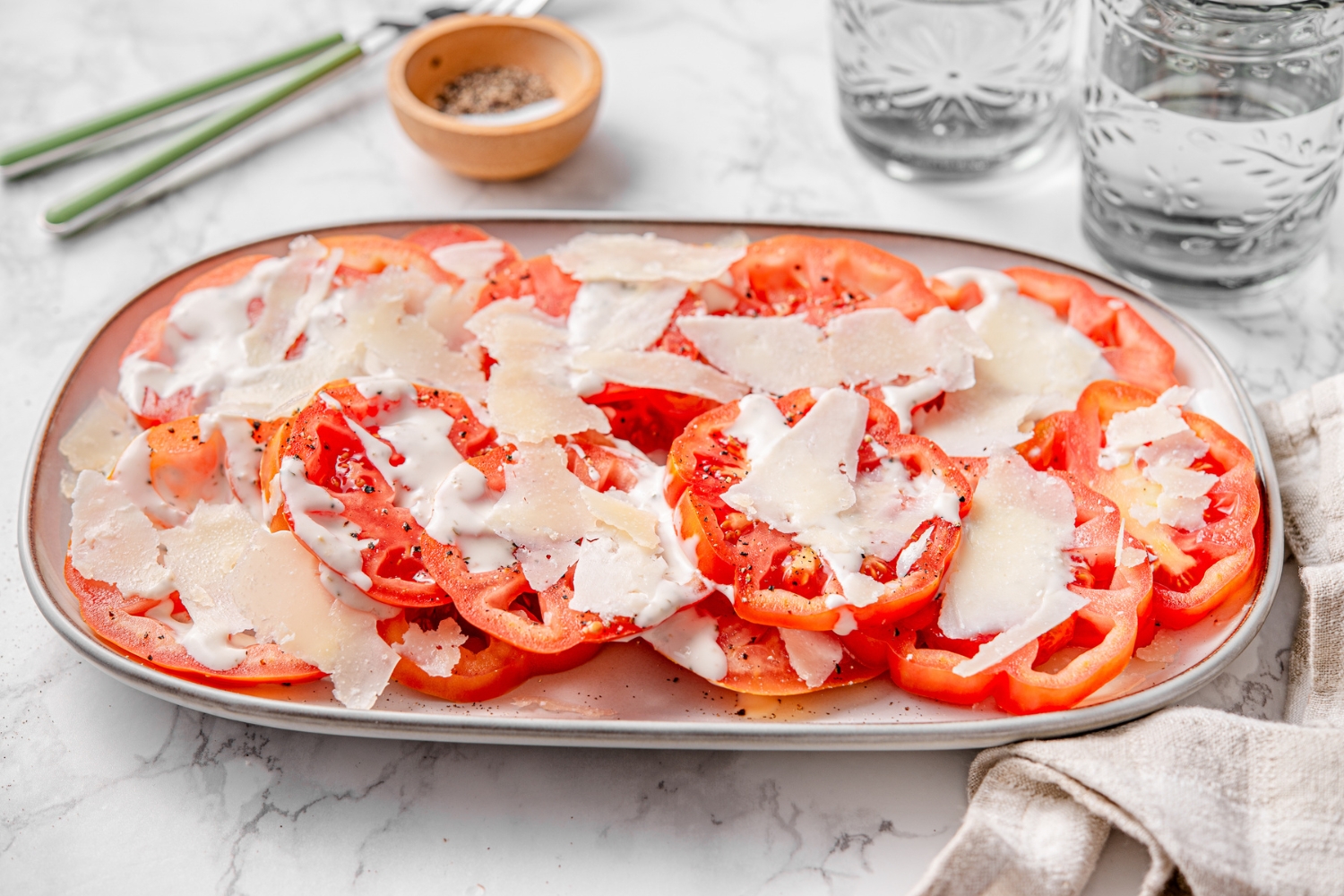
- Tomato-Based Pairings: Pairing the dressing with heirloom tomatoes creates a balance between the brightness of the fruit and the savory depth of the Parmesan-anchovy base. This application highlights the importance of using fresh, seasonal produce as the primary canvas for the condiment.
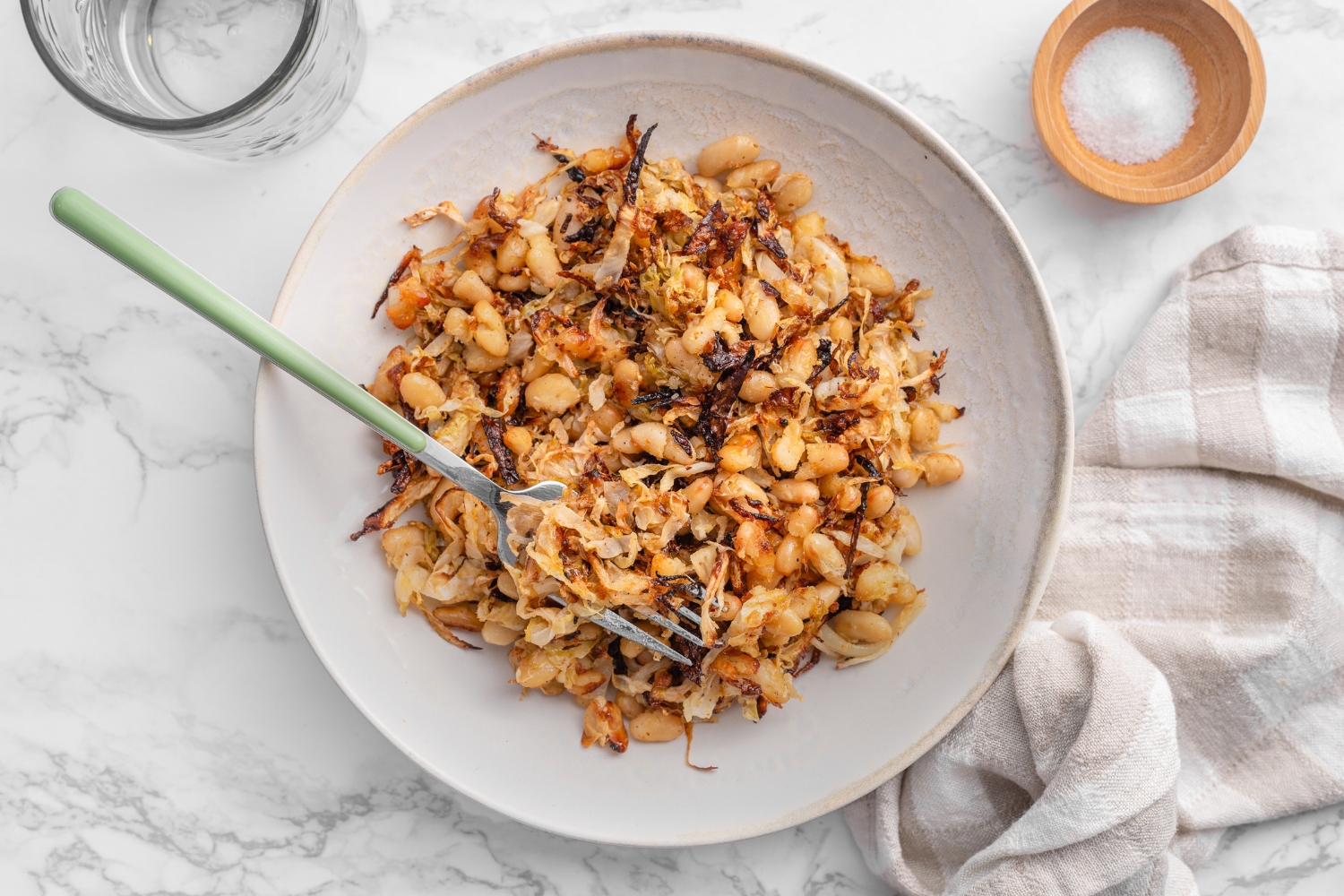
- Sheet-Pan Roasted Vegetables: The introduction of shredded cabbage and white beans to the oven, tossed in a light coating of Caesar dressing, demonstrates the versatility of the sauce. As the moisture evaporates, the dressing creates a savory glaze on the cabbage, enhancing its natural sweetness.
- Convenience Wraps: The Caesar wrap serves as a practical solution for the time-constrained consumer. By layering protein, greens, and dressing in a whole-grain wrap, home cooks can replicate the nutritional profile of a full salad in a portable format.
- Baked Asparagus: Similar to roasting, baking asparagus with a thin coat of dressing imparts a charred, savory finish that distinguishes the vegetable from the standard olive oil and salt preparation.
- Grilled Romaine and Bread: Moving beyond the traditional bowl, the practice of grilling romaine leaves and whole-grain bread adds a layer of smokiness. This technique, which has been featured in major culinary workshops, provides a textural contrast that elevates the salad from a side to a potential centerpiece.
Supporting Data and Nutritional Implications
The Mediterranean diet has long been recognized by health organizations for its focus on whole foods, healthy fats, and high fiber intake. The use of Caesar dressing, when prepared with olive oil as the primary fat source, aligns with these nutritional goals. According to a 2025 health report, incorporating more plant-based proteins—such as the white beans used in the Caesar-roasted cabbage recipe—into the daily diet can significantly reduce cardiovascular risks.
Furthermore, the shift toward "batch cooking" or preparing a master sauce for the week has been shown to increase adherence to home-cooking routines. By having a pre-made dressing ready in the refrigerator, households report a 35% decrease in the reliance on processed snacks or takeout, as the "barrier to entry" for preparing a fresh meal is lowered.

Official Perspectives on Culinary Versatility
Culinary experts note that the success of this approach lies in the "flavor bridge" created by the dressing. By combining ingredients that are already staples in the Mediterranean diet—lemon, olive oil, garlic, and aged cheese—the dressing acts as a bridge that makes unfamiliar or mundane vegetables more palatable to children and picky eaters.
"The goal is not to reinvent the wheel but to optimize the pantry," says a representative from the Mediterranean Living research group. "When we use a dressing that contains garlic, anchovies, and quality oils to season our vegetables, we are essentially amplifying the natural benefits of those vegetables while satisfying our palate’s desire for complexity."
Broader Impact on Home Cooking Trends
The implications of this culinary trend are significant for the food industry. As consumers move away from specialized sauces for every individual dish, the "all-in-one" condiment approach becomes more attractive. This reduces the number of bottles in the refrigerator and encourages the consumption of fresh, whole foods.
Moreover, the emphasis on homemade dressings allows for the control of ingredient quality. In an era where food transparency is paramount, the ability to whisk together a dressing in less than five minutes—using only a bowl, a whisk, and a knife—represents a move toward culinary independence. The trend also supports the broader movement toward sustainable cooking, as the versatile nature of the dressing ensures that leftover vegetables or proteins can be repurposed into a new meal the following day, effectively curbing household food waste.
Conclusion: A Foundation for Future Meals
The versatility of Caesar dressing is a testament to the power of a well-balanced emulsion. By treating this condiment as a flexible tool rather than a static salad component, home cooks can unlock a new range of flavor profiles for their daily meals. Whether it is a quick weeknight dinner of marinated chicken or a carefully prepared side of roasted asparagus, the principles remain the same: high-quality ingredients, careful preparation, and the willingness to experiment beyond the traditional salad bowl.
As we continue to prioritize health-conscious, Mediterranean-inspired cooking, the ability to integrate such classic flavors into a modern, fast-paced lifestyle will remain an essential skill. By keeping a jar of homemade Caesar dressing in the refrigerator, the home cook is prepared for almost any culinary scenario, turning simple, wholesome ingredients into a satisfying, restaurant-quality experience. The shift is not merely about a dressing; it is about adopting a philosophy of cooking that values efficiency, flavor, and the nutritional integrity of the ingredients we consume.