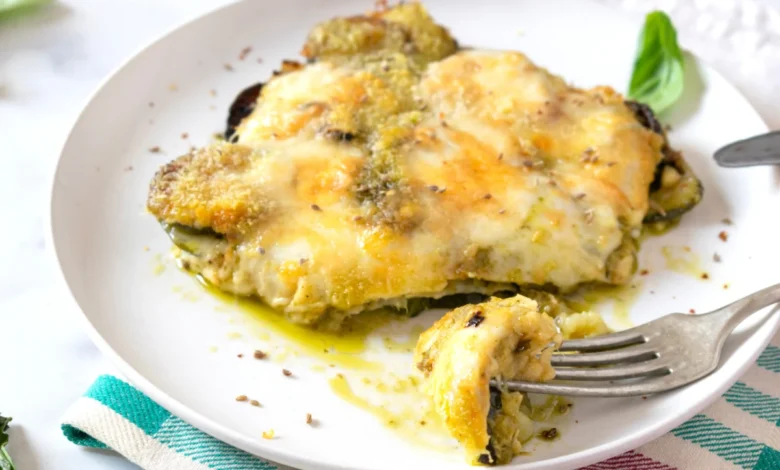
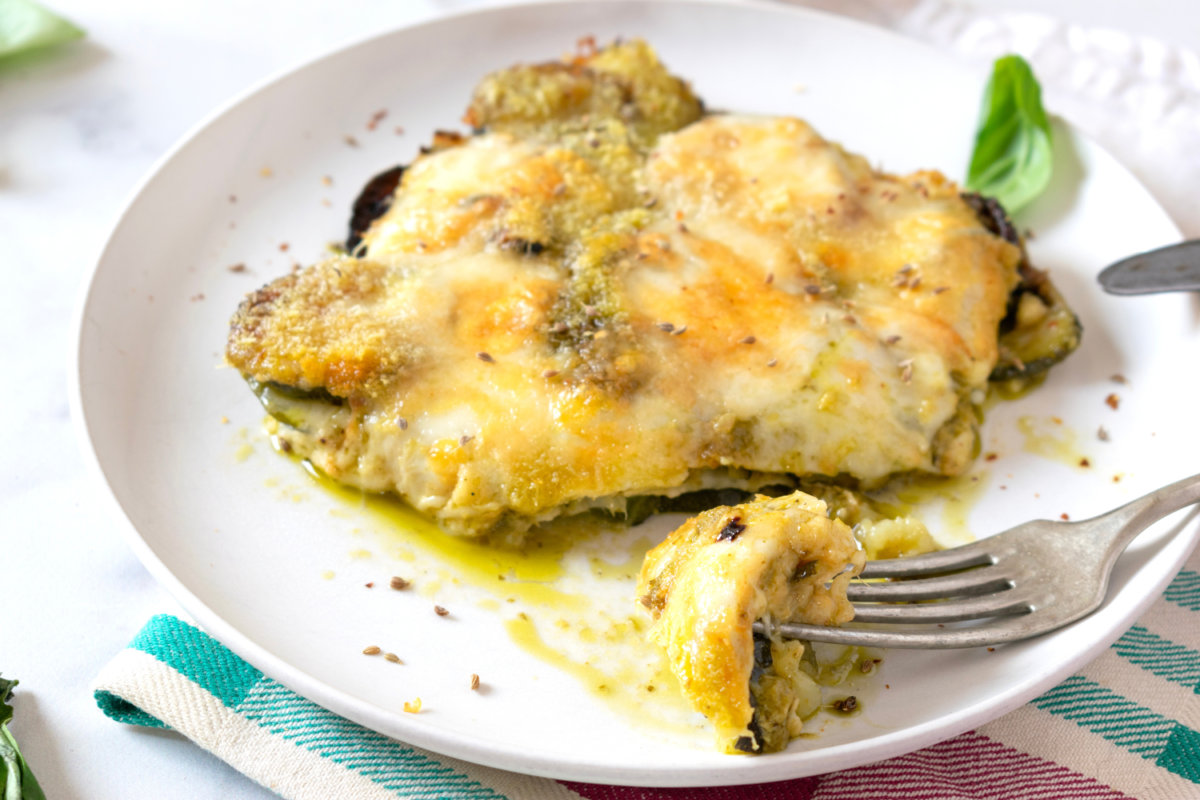
A culinary innovation is emerging from the bounty of summer produce, offering a lighter, herbaceous take on a beloved Italian classic. This Squash Parmesan, featuring tender slices of zucchini and summer squash layered with vibrant basil pesto, creamy mozzarella, and sharp Parmesan cheese, presents a compelling alternative to its eggplant-based predecessor. The dish, inspired by the traditional Italian Parmigiana technique, reinterprets the familiar comfort food experience by highlighting the delicate sweetness of seasonal squash and infusing it with the bright, fresh notes of basil. This innovative approach not only transforms simple garden vegetables into a sophisticated dish but also aligns seamlessly with the principles of a Mediterranean Diet, emphasizing whole foods, healthy fats, and abundant plant-based ingredients.
From Garden Abundance to Culinary Delight
The current season is witnessing a surge in the availability of zucchini and summer squash, prompting home cooks and chefs alike to seek creative and delicious ways to utilize these versatile vegetables. This Squash Parmesan recipe directly addresses this need, transforming what might otherwise be an oversupply into a dish that is both visually appealing and deeply flavorful. Unlike the often dense and rich nature of traditional Parmigiana dishes, this iteration offers a refreshing lightness. The absence of a heavy tomato sauce, replaced by the aromatic punch of basil pesto, contributes significantly to its bright, summery profile. This substitution underscores a culinary trend towards lighter, more herb-forward flavor profiles, particularly during warmer months.
The recipe draws inspiration from the rich culinary heritage of Italy. Parmigiana, a category of dishes characterized by layered ingredients baked with cheese, has its roots in Southern Italy, with Eggplant Parmesan being the most widely recognized example. However, the spirit of Italian home cooking has always been one of adaptation and resourcefulness, with cooks historically utilizing whatever fresh produce was readily available. This Squash Parmesan exemplifies this tradition, substituting zucchini and summer squash for eggplant, thereby showcasing the peak flavors of the current harvest. The incorporation of basil pesto, a quintessential element of Northern Italian cuisine, specifically from the Liguria region, further enriches the dish, creating a delightful fusion of regional Italian culinary traditions. This blend of Southern Italian layering techniques with Northern Italian pesto flavors results in a dish that is both familiar and refreshingly new.
A Lighter, Healthier Comfort Food
The appeal of this Squash Parmesan extends beyond its seasonal relevance and Italian inspiration; it offers a nutritionally sound and satisfying comfort food experience. The base of zucchini and summer squash is inherently low in calories, yet rich in essential vitamins such as Vitamin C and Vitamin A, along with vital minerals like potassium and dietary fiber. These nutritional benefits are further amplified by the inclusion of extra virgin olive oil in the basil pesto, a cornerstone of the Mediterranean Diet renowned for its heart-healthy monounsaturated fats and antioxidant-rich polyphenols. The cheeses, mozzarella and Parmesan, contribute valuable protein and calcium, rounding out the dish’s nutritional profile without overwhelming it.
In an era where the Mediterranean Diet is increasingly recognized for its health benefits, including reduced risk of cardiovascular disease and improved longevity, dishes like this Squash Parmesan serve as exemplary embodiments of its principles. The recipe’s emphasis on vegetables, healthy fats, and moderate dairy aligns perfectly with a plant-forward lifestyle. Furthermore, its naturally gluten-free composition makes it accessible to a wider audience, accommodating various dietary needs and preferences without compromising on flavor or satisfaction. This makes it an ideal candidate for a vegetarian main course, a sophisticated side dish to accompany grilled fish or chicken, or a vibrant component of a larger Mediterranean-inspired feast.
The Art of Preparation: Simple Steps to Deliciousness
The preparation of Squash Parmesan with Basil Pesto is designed to be straightforward, making it an accessible recipe for cooks of all skill levels. The process begins with preheating the oven to 375°F (190°C) and lightly greasing a baking dish, typically a 9×13 inch pan, to ensure easy serving and prevent sticking. The key to achieving an even bake lies in the uniform slicing of the zucchini and yellow squash, ideally to about ¼-inch thickness. This consistency allows all the squash slices to cook at a similar rate, preventing some from becoming mushy while others remain undercooked.
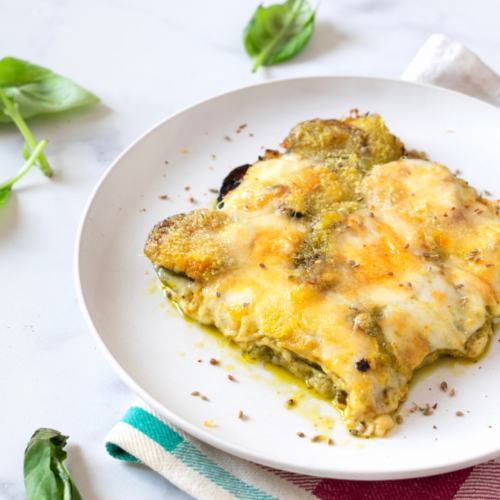
The layering process mirrors that of traditional Parmigiana. Half of the prepared squash slices are arranged in a single, even layer at the bottom of the baking dish. This is followed by a generous spread of basil pesto, which imparts its distinctive herbaceous aroma and flavor. The pesto is then topped with a layer of shredded mozzarella and grated Parmesan cheese, creating the foundation for the dish’s creamy, cheesy texture. This layering process is then repeated with the remaining squash, pesto, and cheeses, culminating in a visually appealing strata of ingredients.
To ensure the squash cooks through and becomes tender, the dish is initially covered with aluminum foil and baked for approximately 30 to 40 minutes. The foil traps steam, aiding in the tenderization of the squash. During the final 5 to 10 minutes of baking, the foil is removed. This crucial step allows the cheese to melt fully, bubble, and develop a beautiful golden-brown crust, achieving that signature baked-cheese finish. A brief resting period of several minutes after baking is recommended, allowing the dish to settle and the flavors to meld, resulting in a more cohesive and satisfying final product.
The Pesto Factor: Elevating the Flavor Profile
The article places significant emphasis on the role of basil pesto in this dish, advocating for homemade pesto as the superior choice. While acknowledging the convenience of high-quality store-bought options, it highlights that homemade pesto offers an unparalleled depth and freshness. The traditional Pesto Genovese, crafted from fresh basil, high-quality extra virgin olive oil, pine nuts, garlic, and Parmesan cheese, creates a vibrant and aromatic sauce that perfectly complements the mild sweetness of the squash.
The advantage of homemade pesto lies in the ability to control ingredient quality and adjust flavor profiles. Opting for a flavorful extra virgin olive oil, for instance, can significantly enhance the dish’s overall taste. Furthermore, the absence of preservatives in freshly made pesto ensures a more authentic and intense basil flavor, contributing to a more genuine Italian-inspired culinary experience. The recipe provides a direct link to a detailed guide for making Pesto Genovese, encouraging readers to embrace this element for an enhanced dining experience.
Tips and Tricks for Culinary Success
To further refine the Squash Parmesan, several helpful tips and tricks are offered. Salting the squash slices beforehand is a technique borrowed from eggplant preparation; it draws out excess moisture, leading to a firmer final texture and preventing a watery dish. This involves lightly salting the squash slices and allowing them to sit for 20 to 30 minutes, followed by patting them dry.
The importance of slicing vegetables uniformly cannot be overstated, as it ensures even cooking. A mandoline slicer is recommended for achieving consistent, thin slices quickly and efficiently. The advice to not skip the resting time after baking is crucial, as it allows the dish to set, similar to how lasagna benefits from resting, helping the layers hold together and preventing a soupy consistency.
For those looking to add further complexity and nutritional value, the suggestion to incorporate additional vegetables between the layers—such as roasted red peppers, tomatoes, spinach, or mushrooms—offers a flexible approach to customization. This dish is also presented as an excellent option for meal preparation, as it can be assembled in advance and refrigerated, then baked when needed, making it ideal for busy individuals or those planning future meals.
Pairing and Health Benefits: A Harmonious Integration
The versatility of Squash Parmesan extends to its serving suggestions, seamlessly integrating into a variety of Mediterranean-inspired meals. It pairs exceptionally well with grilled fish like salmon or cod, where the richness of the seafood is balanced by the bright pesto and tender squash. A simple green salad with a light vinaigrette offers a refreshing counterpoint to the warm, baked dish. For a more substantial meal, it can be served alongside Mediterranean beans like cannellini or chickpeas, adding protein and fiber. Crusty whole-grain bread is a perfect accompaniment for soaking up any residual pesto and cheese. Grilled chicken also complements the dish well, and for a light Mediterranean-style dessert, fresh summer fruits like peaches or berries provide a natural and healthy conclusion to the meal.
From a health perspective, this recipe is a champion of the Mediterranean Diet. Its core ingredients—zucchini, summer squash, basil, olive oil, and moderate amounts of cheese—are all staples of this health-promoting eating pattern. The abundance of vegetables provides essential vitamins, minerals, and fiber. The use of extra virgin olive oil contributes healthy monounsaturated fats and antioxidants. The protein and calcium from the cheeses add nutritional value. By placing vegetables at the forefront, the recipe embodies the plant-forward philosophy of Mediterranean cuisine, offering a nutrient-dense comfort food that avoids the pitfalls of refined grains and processed ingredients often found in less healthy versions of comfort dishes. Its naturally gluten-free status further enhances its broad appeal.
Storage, Leftovers, and Frequently Asked Questions
The practicality of Squash Parmesan is further underscored by its excellent storage and reheating potential. Leftovers can be stored in an airtight container in the refrigerator for up to four days. Reheating is simple, with individual portions easily warmed in the microwave, while larger portions benefit from reheating in a 350°F oven for optimal texture. The dish also freezes reasonably well, though the squash may soften slightly upon thawing; it can be stored in freezer-safe containers for up to three months. Its suitability for meal prep makes it a convenient option for weekly meal planning. Notably, many find that the flavors of the dish deepen and meld beautifully after a day in the refrigerator, making leftovers even more delicious.
A series of frequently asked questions addresses common inquiries about the recipe. It clarifies that this dish is distinct from Eggplant Parmesan due to the primary vegetable used and the incorporation of basil pesto instead of tomato sauce. The article confirms that using only zucchini is a viable option and that store-bought pesto can be used for convenience. It reiterates that salting the squash and allowing the dish to rest are key steps to managing moisture. The recipe’s vegetarian nature and its suitability for make-ahead preparation are also confirmed. Finally, its alignment with the Mediterranean Diet and the possibility of adding protein are addressed, reinforcing its adaptability and health-conscious attributes.
In conclusion, Squash Parmesan (Zucchini & Summer Squash) with Basil Pesto stands as a testament to the power of seasonal ingredients and thoughtful culinary adaptation. It successfully marries the comforting, layered appeal of Italian Parmigiana with the fresh, vibrant flavors of basil pesto, all while championing the nutritional benefits and lifestyle principles of the Mediterranean Diet. This dish offers a delightful way to savor the abundance of summer squash, providing a wholesome, flavorful, and adaptable option for any table, from a casual weeknight dinner to a more festive gathering.