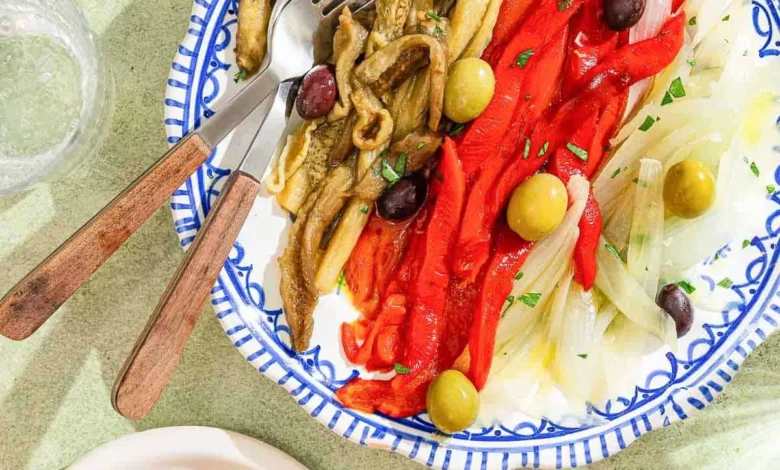
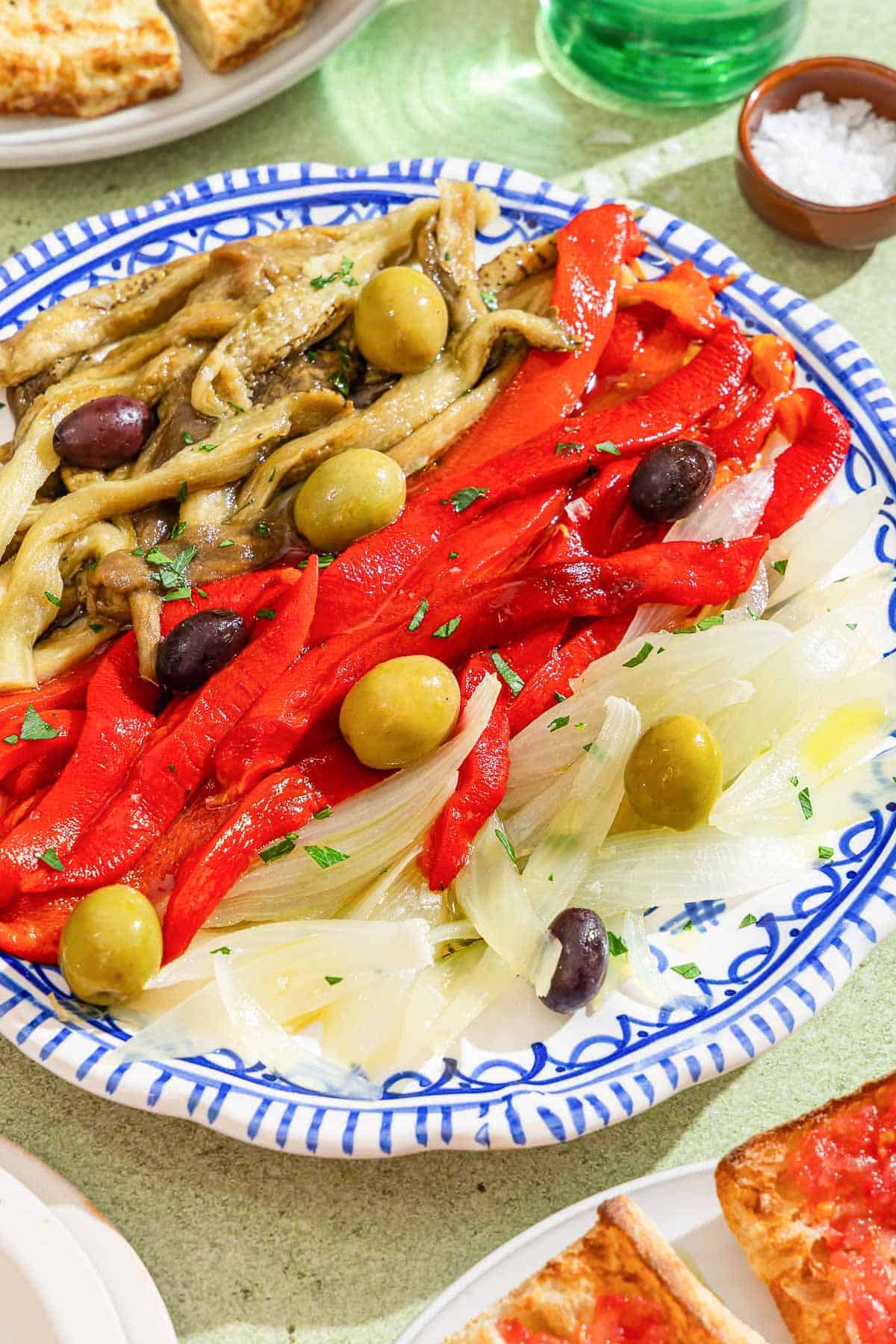
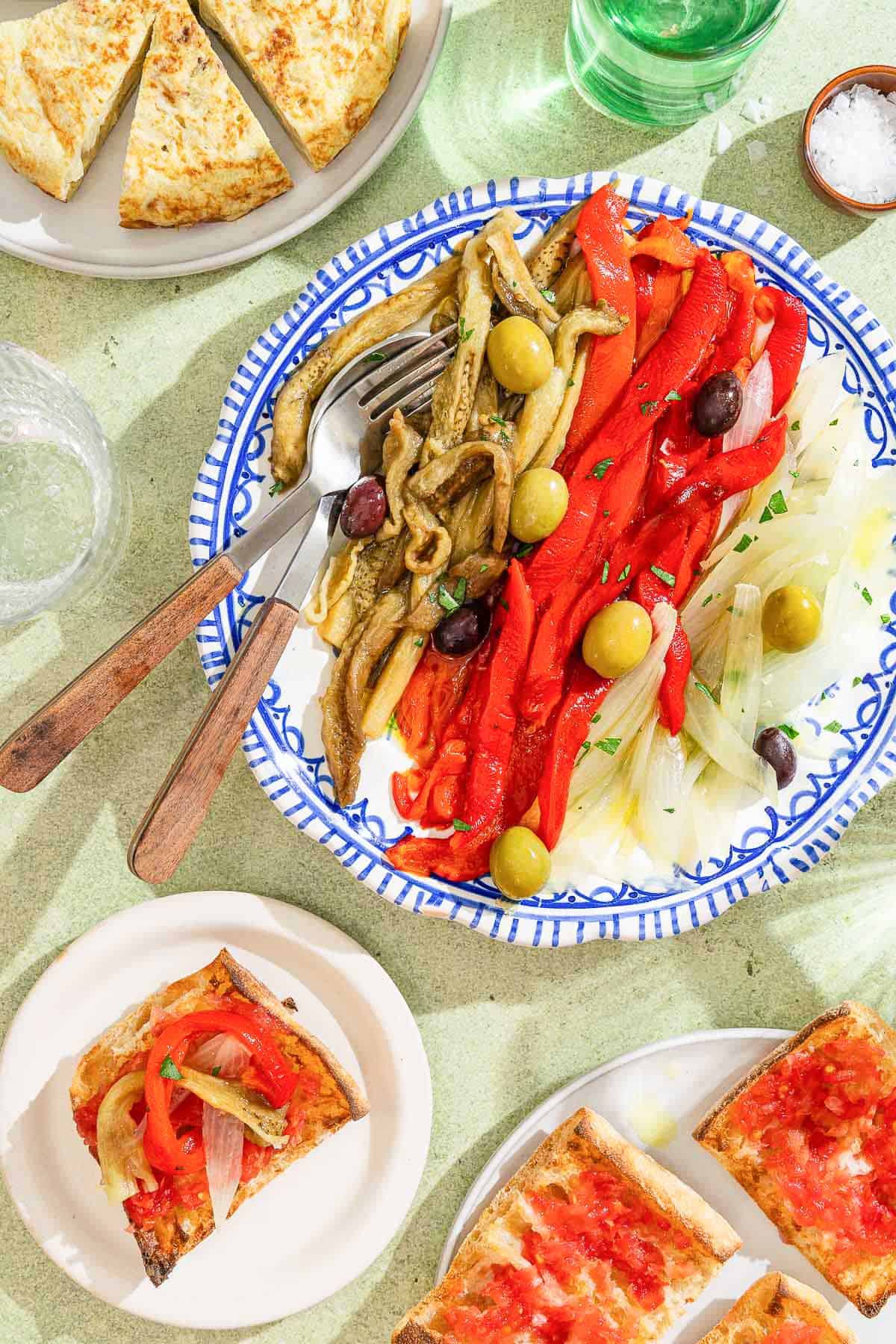
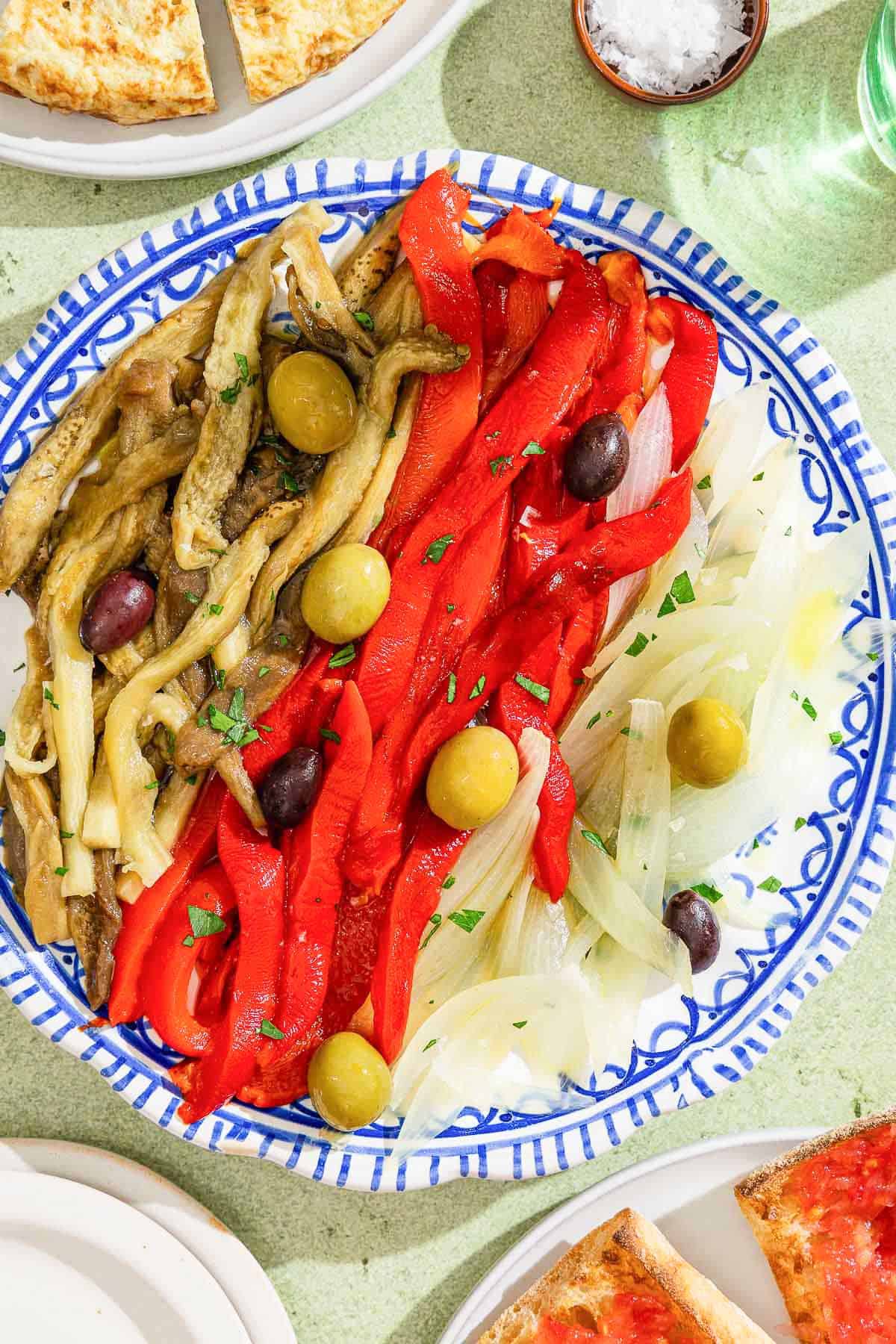
Escalivada, a celebrated dish hailing from the sun-drenched region of Catalonia, Spain, offers a symphony of smoky, sweet, and savory notes, achieved through the slow roasting of whole red peppers, eggplants, and onions. This rustic yet refined preparation, typically finished with a generous drizzle of high-quality olive oil, stands as a testament to the region’s deep appreciation for fresh, seasonal produce. It is a versatile culinary staple, frequently served as part of a traditional tapas spread, as a vibrant accompaniment to grilled meats and seafood, or enjoyed on its own as a light yet satisfying meal.
The genesis of escalivada is deeply intertwined with the agricultural rhythms and culinary traditions of Catalonia. The name itself is derived from the Catalan verb "escalivar," which translates to "to cook in ashes." Historically, this dish was prepared over the dying embers of a wood fire, a method that imparted an unparalleled depth of smoky flavor to the vegetables. This traditional technique, while less common in modern home kitchens, continues to be practiced in some rustic settings and by culinary purists, evoking a direct connection to ancestral cooking methods. Today, the most prevalent preparation involves roasting the vegetables in a hot oven, a more accessible method that still yields meltingly tender textures and concentrated flavors. This oven-baked approach has democratized escalivada, making it a frequent feature not only in Catalan households but also a readily available item in the produce sections of grocery stores throughout the region.
The cultural significance of vegetables in Catalan cuisine cannot be overstated, and escalivada serves as a prime example. Residents of Catalonia, particularly in areas like Barcelona, possess a profound connection to their local produce, often measuring the passage of time by the seasonal availability of specific vegetables. From the delicate white asparagus of spring to the earthy abundance of wild mushrooms in the autumn, the culinary landscape is dictated by what is at its peak. Conversations among Catalans frequently revolve around the weather’s impact on harvests and the latest market finds, underscoring the central role of fresh ingredients in their daily lives. This reverence for produce is vividly reflected in escalivada, a dish that celebrates the inherent sweetness and depth of simple, high-quality vegetables.
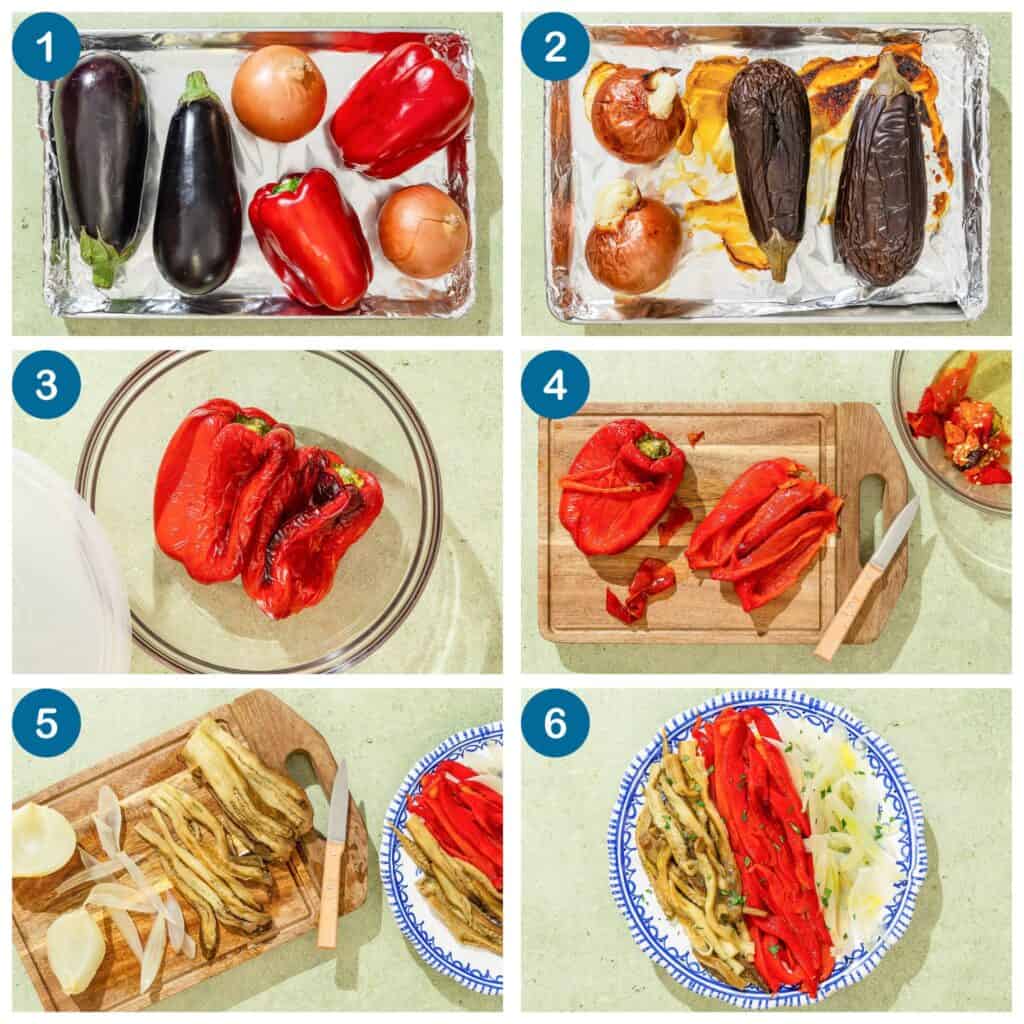
The preparation of escalivada, while requiring patience due to the roasting and cooling times, is remarkably straightforward, making it an ideal dish for home cooks seeking to infuse their meals with authentic Mediterranean flavors. The process begins with selecting prime specimens of red peppers, eggplants, and onions. These vegetables are typically roasted whole, allowing their skins to char and protect the flesh within, concentrating their natural sugars and developing a subtle smokiness. Once tender and slightly collapsed, they are removed from the heat. The peppers are often the first to be ready and are usually set aside to steam in a covered bowl, which facilitates the easy removal of their skins and seeds. The eggplants and onions, requiring a bit longer, are then peeled and sliced. The resulting medley of tender, smoky vegetables, often enhanced with a generous pour of robust olive oil, forms the heart of escalivada.
The Art of Preparation: Crafting Escalivada at Home
The foundational elements of escalivada are its core vegetables, which undergo a transformation through the art of roasting. While specific ingredient quantities can vary based on personal preference and the size of the vegetables, a typical recipe would include:
- Red Bell Peppers: These form the sweet and vibrant backbone of the dish. Their skins char and peel away, revealing a tender, flavorful interior.
- Eggplants: Their meaty texture absorbs the smoky notes and softens beautifully during roasting, contributing a rich, earthy dimension.
- Onions: Sweet onions, when roasted whole, caramelize and develop a deep, savory sweetness that complements the other vegetables.
The process is generally as follows:
- Preheating the Oven: A high oven temperature, typically around 400-425°F (200-220°C), is essential for achieving the desired char and tenderness.
- Roasting the Vegetables: The whole peppers, eggplants, and onions are placed directly on a baking sheet or, for a more rustic approach, directly on the oven rack with a pan beneath to catch drips. They are roasted until the skins are blackened and blistered, and the vegetables are visibly softened. This can take anywhere from 30 to 60 minutes, depending on the size of the vegetables and the oven’s efficiency.
- Steaming and Peeling: The roasted red peppers are typically removed first and placed in a bowl, covered tightly with plastic wrap or a lid, allowing them to steam. This crucial step makes peeling the charred skin effortless. Once cooled enough to handle, the skins are peeled away, and the seeds and membranes are discarded.
- Cooling and Slicing: The eggplants and onions are also allowed to cool slightly before being peeled. The flesh of all the vegetables is then sliced into bite-sized pieces or strips.
Beyond the Basics: Variations and Enhancements
While the classic combination of peppers, eggplants, and onions is widely recognized, escalivada is a dish that lends itself beautifully to regional interpretations and personal adaptations. Depending on the specific locale within Catalonia or the chef’s individual flair, additional ingredients may be incorporated to enrich its flavor profile and texture.
Some popular variations include:
- Tomatoes: While not always a primary component, small, ripe tomatoes can be roasted alongside the other vegetables, adding bursts of juicy sweetness.
- Garlic: A few cloves of garlic, roasted whole within their skins, can be squeezed out and mashed into the dressing, providing a subtle but distinct aromatic depth.
- Artichokes: In regions where artichokes are abundant, their tender hearts can be roasted and added to the escalivada, offering a slightly different texture and a delicate, nutty flavor.
- Leeks: Similar to onions, leeks can be roasted to develop a sweet and mellow profile, adding another layer of complexity to the vegetable medley.
The final dressing for escalivada is typically a celebration of simplicity and quality. A liberal drizzle of extra virgin olive oil, ideally a robust Spanish variety such as Hojiblanca, is essential. The peppery, grassy notes of good olive oil bind the flavors together and enhance the natural sweetness of the roasted vegetables. Freshly ground black pepper and a pinch of sea salt are often the only other seasonings required, allowing the inherent flavors of the produce to shine. Some cooks may also add a hint of sherry vinegar or a sprinkle of fresh parsley for a touch of acidity and freshness, respectively.
Serving and Enjoyment: A Versatile Culinary Companion
The beauty of escalivada lies not only in its preparation but also in its remarkable versatility. Its role in Catalan cuisine extends far beyond a single application, making it a valuable addition to any meal.
- Tapas Staple: Escalivada is a quintessential element of any Spanish tapas spread. Served in small portions, it offers a refreshing and flavorful counterpoint to other small plates like patatas bravas, gambas al ajillo, and jamón ibérico.
- Accompaniment to Mains: Its robust flavors make it an excellent side dish for grilled or roasted meats, poultry, and fish. The smoky sweetness of the vegetables complements the richness of proteins, creating a balanced and satisfying meal.
- Light Meal or Appetizer: Enjoyed on its own, perhaps with a slice of crusty bread for dipping, escalivada can serve as a light and healthy lunch or a sophisticated appetizer.
- Sandwich Filling: The tender, flavorful vegetables can be used as a delicious filling for sandwiches or wraps, offering a vegetarian option packed with flavor.
- In Salads: Chilled escalivada can be incorporated into mixed green salads, adding a smoky, savory depth that elevates a simple salad into something more substantial.
The longevity of escalivada also adds to its practicality. Once prepared, it can be stored in an airtight container in the refrigerator for several days, often improving in flavor as the ingredients meld. This makes it an ideal dish for meal prepping, allowing home cooks to enjoy a taste of Catalonia throughout the week without repeated effort.
Broader Implications and Culinary Legacy
The enduring popularity of escalivada speaks volumes about the principles of Mediterranean cooking: a focus on fresh, seasonal ingredients, simple yet effective preparation methods, and the celebration of natural flavors. In an era where culinary trends often lean towards complexity and novelty, escalivada stands as a reminder of the profound satisfaction that can be derived from elemental ingredients treated with respect. Its influence can be seen in contemporary roasted vegetable dishes across various cuisines, demonstrating the timeless appeal of well-executed, vegetable-forward cooking.
The cultural exchange facilitated by dishes like escalivada also plays a vital role in fostering understanding and appreciation for different culinary traditions. By bringing this Catalan classic into kitchens around the world, it not only offers a delicious eating experience but also serves as a culinary ambassador, sharing a piece of Catalonia’s rich gastronomic heritage. The simplicity of its preparation belies the depth of flavor and cultural significance it holds, making escalivada a true gem of Mediterranean cuisine.