
Doro Wat Ethiopian Chicken Dish

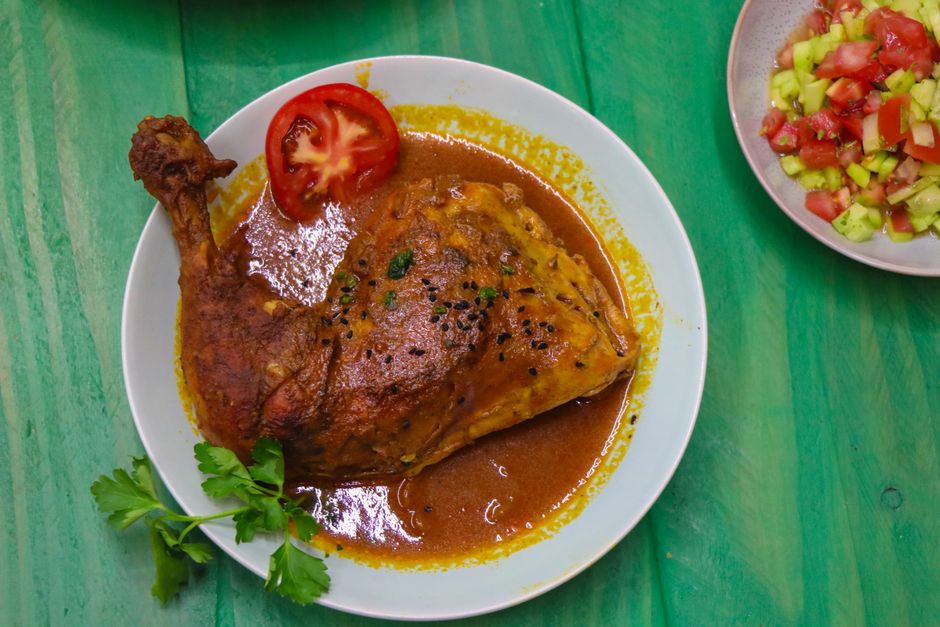
Doro Wat: An Ethiopian Culinary Masterpiece, Explained
Doro Wat, the quintessential Ethiopian chicken stew, is a cornerstone of Ethiopian cuisine, celebrated for its deep, complex flavors and its symbolic significance in cultural celebrations. This slow-cooked dish, characterized by its vibrant red hue and rich, spicy profile, is a testament to the patient art of Ethiopian cooking, where layers of flavor are meticulously built over time. At its heart, Doro Wat is a celebration of simple ingredients transformed into something extraordinary through careful preparation and the masterful use of aromatic spices. The foundation of this dish is the tender chicken, traditionally bone-in pieces, which imbues the stew with a depth of flavor that boneless cuts cannot replicate. The slow simmering process allows the meat to become exceptionally succulent, practically melting off the bone, while simultaneously infusing it with the potent spices that define the dish. The iconic red color originates from copious amounts of niter kibbeh, a spiced clarified butter, and the pervasive use of berbere, a signature Ethiopian spice blend. These two ingredients are not merely seasonings; they are the soul of Doro Wat, dictating its aroma, its heat, and its unforgettable taste. Understanding Doro Wat involves appreciating the interplay of these elements and the traditional methods employed in its creation.
The preparation of Doro Wat begins with the chicken, which is typically cut into generous pieces, often including the neck and giblets for added richness. The chicken is then marinated, a crucial step that tenderizes the meat and begins the infusion of flavor. While specific marinades can vary slightly, a common practice involves a mixture of lemon juice or vinegar, salt, and sometimes a portion of the berbere spice blend. The acidity helps to break down the muscle fibers, ensuring a more tender result after the long cooking period. Simultaneously, the base of the stew is built through the painstaking process of sautéing onions. Ethiopian cuisine is renowned for its liberal use of onions, and Doro Wat is no exception. Large quantities of finely chopped or ground onions are slowly cooked in oil or, more traditionally, niter kibbeh until they are deeply caramelized and translucent, often for an extended period. This slow sautéing transforms the sharpness of raw onions into a sweet, mellow foundation, providing a velvety texture and a subtle sweetness that balances the heat of the spices. This foundational step is critical for achieving the signature smooth consistency of Doro Wat, preventing any grittiness and creating a rich, cohesive sauce.
Berbere is the undisputed star spice blend of Doro Wat, and indeed, much of Ethiopian cooking. This complex mixture is the soul of the dish, providing its characteristic warmth, smoky notes, and deep red color. While commercial berbere is available, many Ethiopian households have their own treasured recipes, often passed down through generations. The typical ingredients in berbere include chili peppers (which provide the heat), fenugreek, ginger, garlic, cardamom, coriander, cumin, cloves, and cinnamon, among others. The precise ratios and inclusion of specific spices can lead to subtle but significant variations in flavor. When preparing Doro Wat, a generous amount of berbere is incorporated into the sautéed onions, allowing the spices to toast and release their full aromatic potential. This toasting is vital, as it deepens their flavor and removes any raw, bitter notes. The duration and intensity of this toasting directly impact the final depth and complexity of the Doro Wat.
Niter kibbeh, or spiced clarified butter, is another indispensable component of authentic Doro Wat. Clarified butter, with its higher smoke point and pure fat content, provides a richer mouthfeel and allows the spices to infuse more effectively. Niter kibbeh takes this a step further by infusing the butter with aromatics, typically including onions, garlic, ginger, and a selection of spices like fenugreek, cumin, and cardamom, often simmered together for an extended period. This slow infusion imbues the butter with an incredible depth of flavor and a distinctive aroma that is unmistakably Ethiopian. When the niter kibbeh is added to the sautéing onions and berbere, it not only provides a cooking medium but also enriches the entire dish, adding a creamy texture and a layer of fragrant spice that is both comforting and intoxicating. The generous use of niter kibbeh is a hallmark of authentic Doro Wat, contributing significantly to its luxurious richness and its unforgettable taste.
The slow cooking process is where the magic of Doro Wat truly unfolds. Once the onions, berbere, and niter kibbeh have formed a fragrant paste, the marinated chicken pieces are added. The stew is then simmered, often for several hours, on low heat. This extended cooking time is crucial for several reasons. Firstly, it allows the chicken to become incredibly tender, as mentioned previously. Secondly, it enables the flavors to meld and deepen, creating a complex and harmonious profile. The slow simmer allows the spices to fully penetrate the meat and the sauce to thicken naturally, reaching a consistency that is rich and coating, but not overly heavy. Water or broth is added judiciously throughout the cooking process to maintain the desired moisture level and to ensure the stew doesn’t become too dry. Some recipes might also call for the addition of tomato paste or purée to further enhance the color and add a touch of acidity, but the core flavor profile remains driven by the berbere and niter kibbeh.
A traditional element often found gracing a Doro Wat is the hard-boiled egg. These eggs are typically cooked separately and then peeled, and are nestled into the stew during the latter stages of cooking. They absorb the rich flavors of the Doro Wat sauce, becoming a delicious and integral part of the meal. The eggs not only add visual appeal but also provide a different textural contrast to the tender chicken and smooth sauce. They are often served with the chicken, sharing in the communal dining experience that is so central to Ethiopian culture. The presence of the egg is more than just an addition; it’s a symbolic element in many celebratory meals, particularly weddings and holidays, signifying fertility and new beginnings.
The serving of Doro Wat is as culturally significant as its preparation. It is almost exclusively served with injera, a sourdough flatbread made from teff flour. Injera’s unique spongy texture and slightly tangy flavor are the perfect counterpoint to the rich, spicy Doro Wat. The bread acts as both a plate and an eating utensil. Diners tear off pieces of injera and use them to scoop up the Doro Wat, traditionally eating with their right hand. The communal aspect of sharing food from a single platter, with injera as the edible canvas, is a deeply ingrained part of Ethiopian dining etiquette and a testament to the social fabric of the culture. The vibrant red of the Doro Wat, contrasted with the earthy tones of the injera, creates a visually appealing presentation that stimulates the appetite.
While traditional Doro Wat focuses on chicken, variations exist, though they often deviate significantly from the authentic experience. These might include beef (though this would more accurately be referred to as beef wat) or lamb. However, the defining characteristics of Doro Wat are inextricably linked to the chicken and the specific spice and butter combinations. Exploring authentic Doro Wat means understanding these core components and their traditional preparation. The dish’s rich history and cultural importance make it more than just a meal; it’s an edible narrative of Ethiopian heritage.
The nutritional profile of Doro Wat is noteworthy. The generous use of chicken provides a good source of lean protein. The abundant onions contribute dietary fiber and various vitamins and minerals. While niter kibbeh, being butter, adds fat, it is predominantly healthy fats when consumed in moderation as part of a balanced diet. The spices in berbere also offer potential health benefits, with many having anti-inflammatory and antioxidant properties. Of course, as with any rich stew, portion control is advisable. The pairing with injera, particularly if made from 100% teff, adds complex carbohydrates and minerals like iron and calcium, making it a relatively well-rounded meal.
For those seeking to recreate this iconic dish, sourcing high-quality ingredients is paramount. Finding authentic berbere and good quality niter kibbeh can be a game-changer. Many ethnic grocery stores or online retailers specializing in African foods will carry these essential components. Patience is also a key ingredient. The slow cooking process cannot be rushed without sacrificing depth of flavor and texture. Experimenting with the heat level of the berbere is also a personal journey, as individual spice blends will vary, and personal heat tolerance differs. Ultimately, preparing Doro Wat is an act of culinary devotion, a rewarding endeavor that culminates in a dish that is both profoundly satisfying and deeply culturally significant. Its enduring popularity is a testament to its deliciousness, its versatility as a celebratory dish, and its ability to evoke a sense of warmth, community, and tradition.


