
These Are Superior Potatoes

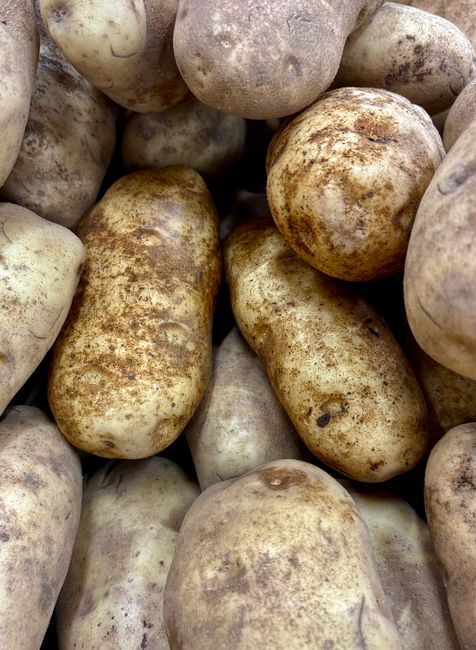
Superior Potatoes: Unveiling the Versatility and Nutritional Powerhouse
The potato, a seemingly humble tuber, stands as a cornerstone of global cuisine and a vital source of sustenance. Far from being a monolithic entity, potatoes encompass a remarkable diversity, with countless varieties offering distinct textures, flavors, and culinary applications. Understanding the nuances of these superior potatoes unlocks a world of gastronomic possibilities and nutritional benefits that often go unrecognized. From their ancient origins to their modern cultivation, potatoes have evolved into an indispensable crop, providing essential carbohydrates, vitamins, and minerals to billions worldwide. This article delves into the characteristics that elevate certain potato varieties to a superior status, exploring their genetic makeup, cultivation techniques, nutritional profiles, and unparalleled culinary adaptability. We will dissect what makes a potato truly superior, moving beyond generic classifications to highlight the specific traits that contribute to their exceptional performance in the kitchen and their significant impact on human health. The journey will encompass an exploration of starch content, moisture levels, skin integrity, and flavor compounds, all of which play a crucial role in defining a potato’s superiority. Furthermore, we will examine how different cooking methods interact with these inherent qualities, revealing why a Yukon Gold excels as a creamy mash while a Russet becomes the ultimate fluffy baked potato. The inherent adaptability of potatoes, coupled with their rich nutritional payload, positions them as a truly remarkable foodstuff, deserving of a deeper appreciation and understanding.
The genetic diversity of potato varieties is the primary determinant of their inherent superiority. Bred over millennia through selective cultivation, these tubers exhibit a spectrum of characteristics that dictate their suitability for various culinary applications. Starch content, a fundamental differentiator, dictates a potato’s texture when cooked. Varieties with high starch content, such as the Idaho Russet or King Edward, are typically described as ‘floury’ or ‘mealy.’ Their cellular structure breaks down easily during cooking, absorbing large amounts of water and resulting in a light, fluffy texture. This makes them ideal for baking, mashing, and frying, where a dry, airy interior is desired. Conversely, potatoes with lower starch content and higher moisture, often referred to as ‘waxy’ or ‘new’ potatoes (examples include Red Bliss, fingerlings, or most European varieties), possess a denser, more tightly bound cellular structure. They hold their shape well when boiled or roasted, offering a distinct creamy mouthfeel without becoming mushy. This inherent structural difference is critical for achieving optimal results in specific dishes. The subtle interplay of amylose and amylopectin, the two main types of starch molecules, further refines these textural qualities. High amylose content contributes to a firmer texture, while high amylopectin results in a softer, creamier consistency. Understanding this genetic predisposition allows chefs and home cooks alike to select the most appropriate potato for their intended preparation, thereby elevating the final dish from merely edible to truly superior. The selection process, whether in ancient Andean terraced fields or modern agricultural research labs, has consistently favored varieties that offer distinct advantages in terms of texture, flavor, and yield, laying the groundwork for the diverse and superior potato landscape we see today.
Beyond starch content, the moisture level and skin characteristics of superior potatoes significantly contribute to their performance. Waxy potatoes, with their lower starch and higher moisture, retain their structural integrity when cooked. This makes them excellent candidates for potato salads, gratins, and roasted dishes where distinct pieces are desired. The skin of a potato also plays a crucial role. Varieties with thin, delicate skins, such as new potatoes or Yukon Golds, often do not require peeling and contribute to the overall flavor and texture of a dish. These skins are rich in fiber and antioxidants, adding to the nutritional value. Conversely, thicker-skinned varieties, like the Russet, are ideal for baking and frying, as the skin becomes crisp and flavorful when cooked. The integrity of the skin also influences shelf life and susceptibility to disease, factors that are vital for superior potatoes intended for commercial production and long-term storage. Bruising and damage to the skin can lead to spoilage and a diminished eating experience. Therefore, superior potato varieties often possess skins that are resilient yet tender, offering a balance of durability and culinary appeal. The subtle sweetness and earthy undertones that can be imparted by the skin are often overlooked but are a hallmark of a well-chosen potato. For instance, the slightly reddish hue of a Red Bliss skin, when roasted, offers a visually appealing and subtly flavored element that enhances the overall dish. The ability of the skin to crisp up during high-heat cooking, as seen in the perfect roasted potato, is a testament to the specific composition of certain potato varieties and their inherent superiority.
Flavor is an often-underestimated aspect that distinguishes superior potatoes. While many associate potatoes with a neutral taste, a closer examination reveals a spectrum of subtle, yet significant, flavor profiles. Certain varieties possess a natural sweetness, an earthy depth, or even a nutty undertone that can enhance the overall sensory experience of a dish. The Yukon Gold, for instance, is renowned for its buttery flavor and creamy texture, a result of its balanced starch and moisture content. Fingerling potatoes, with their elongated shape and firm texture, often exhibit a slightly peppery or nutty taste that makes them particularly delightful when roasted or pan-fried. The intensity of flavor is also influenced by cultivation practices, soil composition, and the time of harvest. Potatoes grown in mineral-rich soils, under optimal climatic conditions, tend to develop more complex and pronounced flavors. Furthermore, the way a potato is stored can impact its taste. Storing potatoes in cool, dark, and well-ventilated conditions helps to preserve their natural sugars and prevent the development of bitter flavors that can arise from exposure to light. The inherent aroma of a potato, too, can be a distinguishing factor. A truly superior potato will release a pleasant, earthy scent when cut or cooked, hinting at the depth of flavor to come. This sensory dimension, often experienced subconsciously, elevates the culinary journey and solidifies the perception of a potato’s superiority. The subtle nuances in flavor are what allow a simple potato dish to transcend the ordinary, showcasing the inherent quality of the tuber itself.
Nutritionally, superior potatoes are a powerhouse, offering a wide array of essential vitamins and minerals that contribute to a healthy diet. They are an excellent source of complex carbohydrates, providing sustained energy without the rapid blood sugar spikes associated with refined carbohydrates. Beyond carbohydrates, potatoes are notably rich in Vitamin C, an important antioxidant that supports the immune system and aids in collagen production. The amount of Vitamin C can vary depending on the variety and how it is stored, but many superior potatoes offer a significant contribution to daily intake. Potassium is another key mineral found in abundance in potatoes, playing a vital role in regulating blood pressure, fluid balance, and nerve function. The high potassium content of potatoes makes them a valuable food for cardiovascular health. Furthermore, potatoes are a good source of Vitamin B6, which is essential for brain development and function, as well as for the metabolism of proteins and carbohydrates. Fiber, particularly when the skin is consumed, is also a significant nutritional component. Dietary fiber aids in digestion, promotes satiety, and can help manage cholesterol levels. Antioxidants, such as carotenoids and flavonoids, are also present in many potato varieties, offering protective benefits against cellular damage. The concentration of these beneficial compounds can be influenced by the color of the potato flesh; for instance, purple or red-fleshed potatoes are often richer in anthocyanins, potent antioxidants. When considering ‘superior’ potatoes, their nutritional density, combined with their versatility, makes them an exceptional food choice for promoting overall well-being. The unassuming potato, when understood in its full nutritional scope, proves to be a remarkably beneficial addition to any diet.
The culinary versatility of superior potatoes is virtually unparalleled, making them a cornerstone of diverse cuisines worldwide. Their distinct textural properties allow them to excel in a multitude of cooking methods. Floury potatoes, with their high starch content, are the quintessential choice for mashing, producing a light and airy accompaniment to rich gravies and savory dishes. Their ability to absorb liquids and fats makes them ideal for creating a cloud-like texture. For baking, the Russet potato reigns supreme. Its thick skin crisps beautifully in the oven, encasing a fluffy, absorbent interior that is perfect for scooping up butter, sour cream, and other toppings. When it comes to frying, both floury and waxy potatoes can be utilized, but for crispy fries with a fluffy interior, floury varieties are generally preferred. The process of double-frying, a technique often employed for superior French fries, leverages the starch content to create an exceptionally crisp exterior and a tender core. Waxy potatoes, with their lower starch and higher moisture, shine in applications where they need to hold their shape. They are the preferred choice for potato salads, where they remain distinct and hold their creamy dressing well. Their firm texture also makes them ideal for boiling and roasting, where they develop a satisfying bite and a slightly caramelized exterior. In gratins and scalloped dishes, waxy potatoes are essential for their ability to create layers of tender potato infused with cream and cheese without disintegrating. The inherent adaptability of these superior tubers allows them to transform into an endless array of dishes, from humble side dishes to the star of a meal. The ability to be transformed into a crispy potato chip, a creamy soup, or a robust stew underscores their remarkable culinary flexibility and their enduring appeal across global palates. The inherent starch-to-moisture ratio, coupled with their unique cellular structure, dictates their performance, allowing for a precise culinary outcome when the right variety is chosen for the right task. This level of control and predictability is a hallmark of superior ingredients.
The selection of superior potatoes for any given application hinges on understanding the specific requirements of the dish. For example, a creamy, smooth mashed potato demands a high-starch, low-moisture potato like a Russet or a Yukon Gold. The starch granules swell and separate easily during cooking, allowing them to break down into a fine, fluffy consistency when mashed. Adding butter and milk further emulsifies these starches, creating a luxurious texture. Conversely, a potato salad requires a waxy potato, such as a Red Bliss or a fingerling. These varieties have a higher moisture content and a tighter cellular structure that prevents them from becoming mushy when boiled and dressed. The skin of waxy potatoes often contributes to their appealing texture and can be left on for added visual appeal and nutritional benefit. When roasting, both types can be used, but the desired outcome influences the choice. Floury potatoes will become softer and more absorbent of cooking fats, resulting in a crispy exterior and a very tender interior. Waxy potatoes will retain more of their shape and offer a firmer bite, with a pleasant chewiness. The addition of herbs and spices to roasted potatoes is also amplified by the surface area and texture of the tuber; a well-roasted potato offers a perfect canvas for flavor infusion. For French fries, the classic choice is a Russet, due to its high starch content which allows for maximum crispness when fried. However, some argue that a blend of Russet and a slightly waxy potato can offer a more complex texture. Ultimately, the ‘superiority’ of a potato is directly linked to its ability to perform optimally within its intended culinary context. This precision in application is what separates a good potato dish from an exceptional one, highlighting the importance of recognizing and utilizing the unique attributes of each superior variety.
Beyond the common culinary applications, superior potatoes also lend themselves to more specialized preparations that further showcase their inherent qualities. For instance, the delicate sweetness and firm texture of fingerling potatoes make them exceptional when gently pan-seared with garlic and herbs, allowing their unique flavor to shine without being overshadowed by heavier accompaniments. Their elongated shape provides an elegant presentation, making them suitable for more refined dining experiences. Similarly, purple or red-fleshed potatoes, such as the Purple Majesty or the All Red, offer not only a stunning visual appeal but also a unique flavor profile that can range from slightly sweet to earthy. These varieties are excellent for roasting, boiling, and even in salads, where their vibrant color adds a striking element. The anthocyanins that give them their color also contribute to their antioxidant properties. In some cultures, potatoes are transformed into intricate dishes like potato dumplings or gnocchi. The success of these dishes relies heavily on the potato’s ability to bind and hold its shape. High-starch potatoes are often preferred for gnocchi, as they create a tender yet cohesive dough. The careful balance of potato, flour, and egg is crucial, and the inherent properties of the potato play a significant role in achieving the desired light and pillowy texture. Furthermore, the exploration of heirloom potato varieties, many of which possess unique shapes, colors, and flavor nuances, opens up even more avenues for culinary innovation. These often-overlooked gems can offer a depth of flavor and a distinctive character that is hard to replicate with more common varieties. The continued cultivation and appreciation of these diverse and superior potato types ensure that this fundamental foodstuff remains a dynamic and exciting element in the global culinary landscape, constantly offering new possibilities for delicious and nutritious meals. The sheer range of potential applications, from everyday staples to gourmet creations, firmly establishes the potato’s position as a truly superior food ingredient.


