The Science and Art of the Perfect Homemade Loaf Mastering the Simple Artisan Bread Method

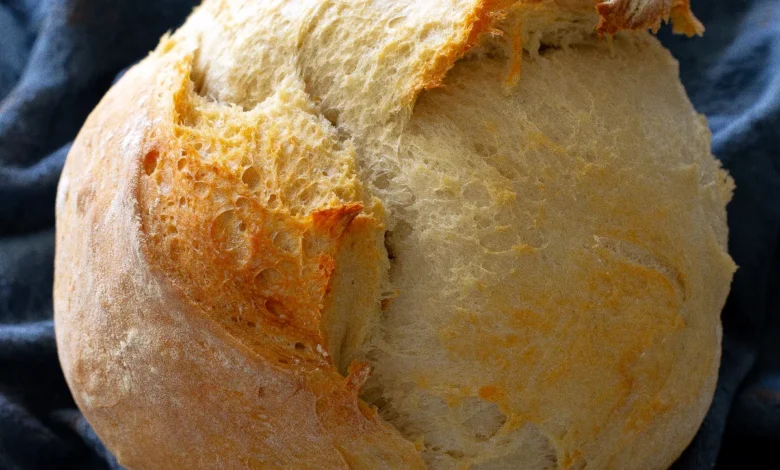
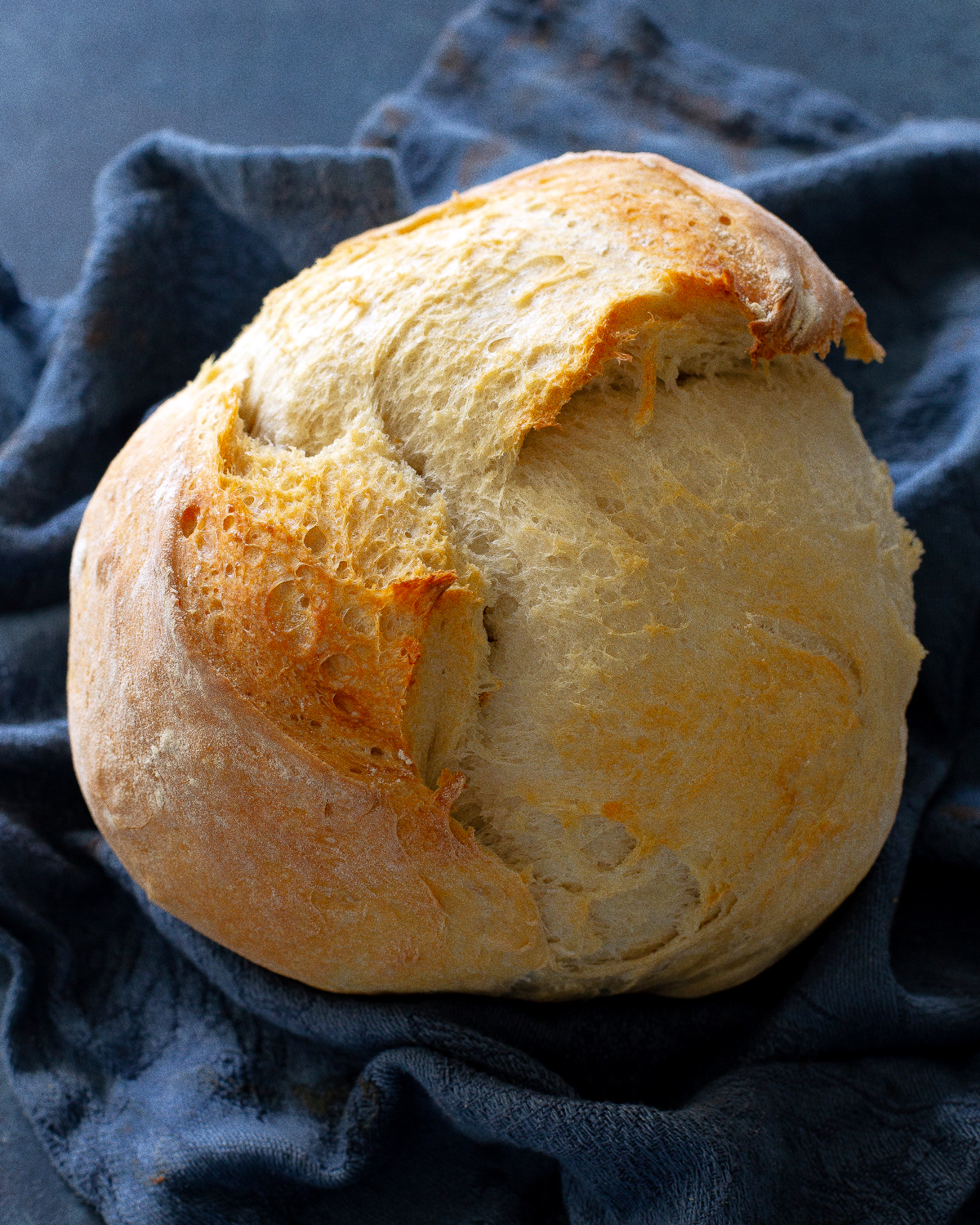
The culinary landscape has witnessed a significant shift over the past decade as consumers increasingly pivot away from mass-produced, preservative-laden baked goods in favor of traditional, "artisan" methods. Artisan bread, characterized by its rustic appearance, crackly crust, and irregular crumb structure, has moved from the specialized shelves of high-end boulangeries into the heart of the domestic kitchen. This movement is driven by a desire for transparency in ingredients and a return to the foundational elements of baking: flour, water, salt, and yeast. By stripping away the complexity of modern industrial baking, the simple artisan bread method allows home cooks to achieve professional-grade results with minimal equipment and no specialized training.
The Definition and Rise of Artisan Baking
Artisan bread is broadly defined as bread that is crafted rather than mass-produced. While the term is not strictly regulated by food agencies, it generally implies the use of traditional fermentation processes and a minimalist ingredient list. Unlike the soft, uniform texture of commercial sandwich bread—which often contains dough conditioners, sugars, and oils to extend shelf life—artisan loaves rely on time and high-heat physics to develop flavor and texture.
The surge in popularity of homemade artisan bread can be traced back to the "no-knead" revolution of the mid-2000s, popularized by figures like Jim Lahey of the Sullivan Street Bakery and food journalist Mark Bittman. Their research demonstrated that a high-hydration dough, left to ferment over several hours, could develop a gluten structure comparable to laboriously kneaded dough. This discovery democratized bread making, removing the physical barrier of kneading and the technical barrier of expensive bread machines.
The Four Pillars: A Chemical Analysis of Ingredients
The efficacy of the artisan method lies in the synergy of its four basic components. Each ingredient plays a critical role in the chemical transformation from a "shaggy" mixture to a structured loaf.
- Flour: The structural foundation of the bread. While all-purpose flour is frequently used for its accessibility, bread flour is often preferred by professionals due to its higher protein content (typically 12% to 14%). When hydrated, these proteins—glutenin and gliadin—form gluten, the elastic network that traps carbon dioxide produced by yeast.
- Yeast: The biological leavening agent. Artisan recipes typically utilize active dry yeast or instant yeast. In the slow-fermentation process, yeast consumes the sugars found in the flour, releasing carbon dioxide and ethanol. This not only causes the dough to rise but also creates the complex, slightly acidic flavor profiles associated with high-quality bread.
- Salt: Beyond flavor enhancement, salt serves a vital structural purpose. It regulates yeast activity, preventing over-fermentation, and strengthens the gluten network, ensuring the bread has sufficient "bite."
- Water: The catalyst for hydration. The temperature of the water is a critical variable; lukewarm water (approximately 100°F to 110°F) is ideal for activating yeast without killing the living organisms. The ratio of water to flour—known as the hydration percentage—determines the openness of the crumb. Artisan loaves typically feature higher hydration, leading to the signature large air pockets.
The Chronology of the Artisan Loaf: From Mix to Oven
The process of creating an artisan loaf follows a specific chronological sequence that prioritizes patience over labor.
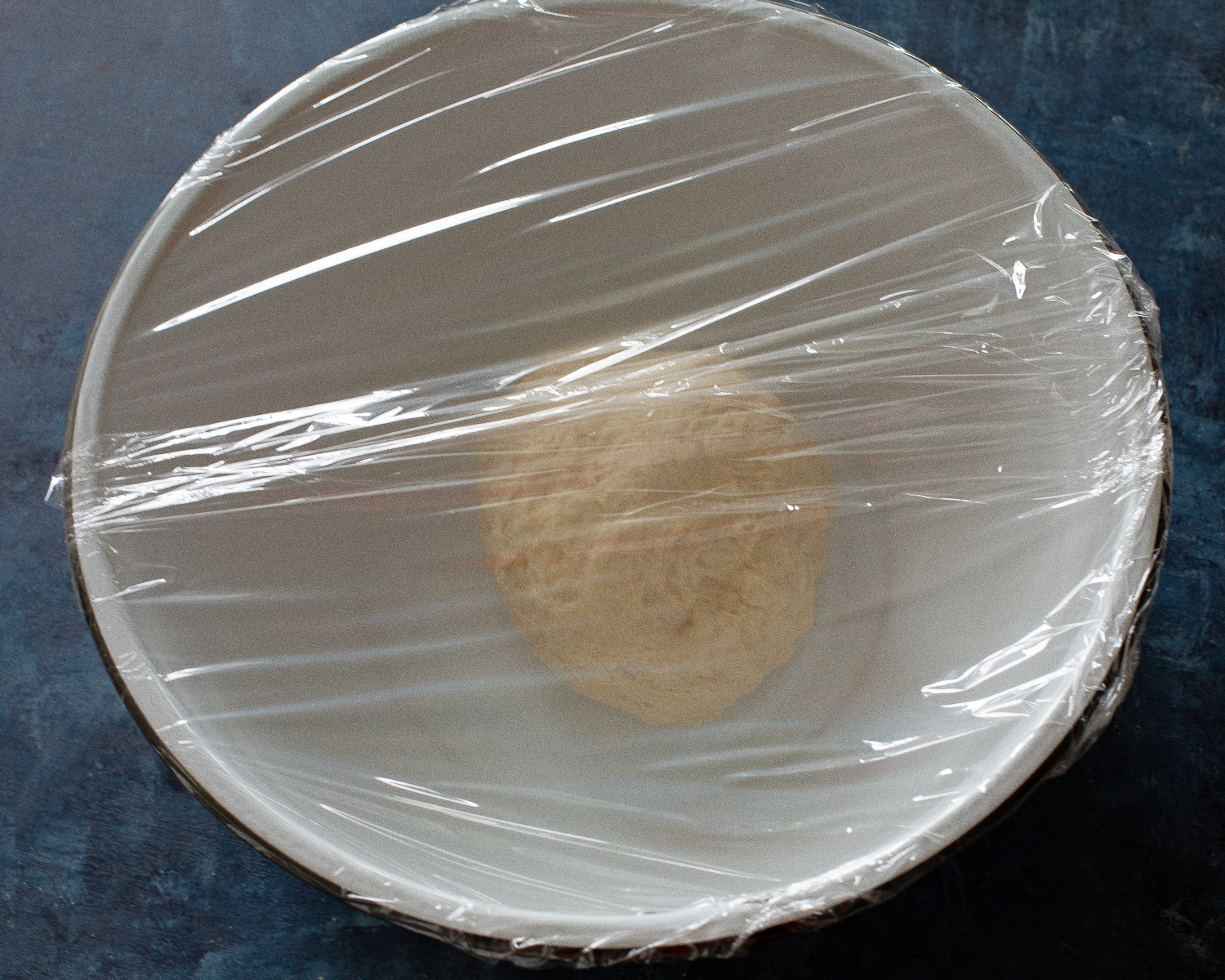
Phase I: The Initial Mix and Fermentation
The process begins with the creation of a "shaggy dough." Rather than intense mixing, the ingredients are stirred until no dry flour remains. The dough is then covered and allowed to undergo a primary fermentation, or "bulk rise," at room temperature. This stage typically lasts between two to three hours, though many bakers opt for a cold fermentation in the refrigerator for up to 72 hours. Scientific data suggests that longer fermentation times allow for the enzymatic breakdown of starches into simpler sugars, resulting in a superior crust color and a more nuanced flavor.
Phase II: Shaping and Tension
Once the dough has doubled in size, it is turned out onto a floured surface. The goal of shaping is not to remove the air but to create surface tension. By folding the edges toward the center and forming a round boule, the baker creates a "skin" on the dough. This tension allows the bread to expand upward rather than outward during the baking process, a phenomenon known as "oven spring."
Phase III: The Score and the Bake
Prior to entering the oven, the loaf is "scored"—a shallow slit is cut into the top with a sharp blade. This provides a controlled path for steam to escape, preventing the loaf from rupturing at the base. The bread is then baked at high temperatures, typically 450°F (232°C), to facilitate the Maillard reaction, the chemical process that creates the golden-brown color and savory flavors of the crust.
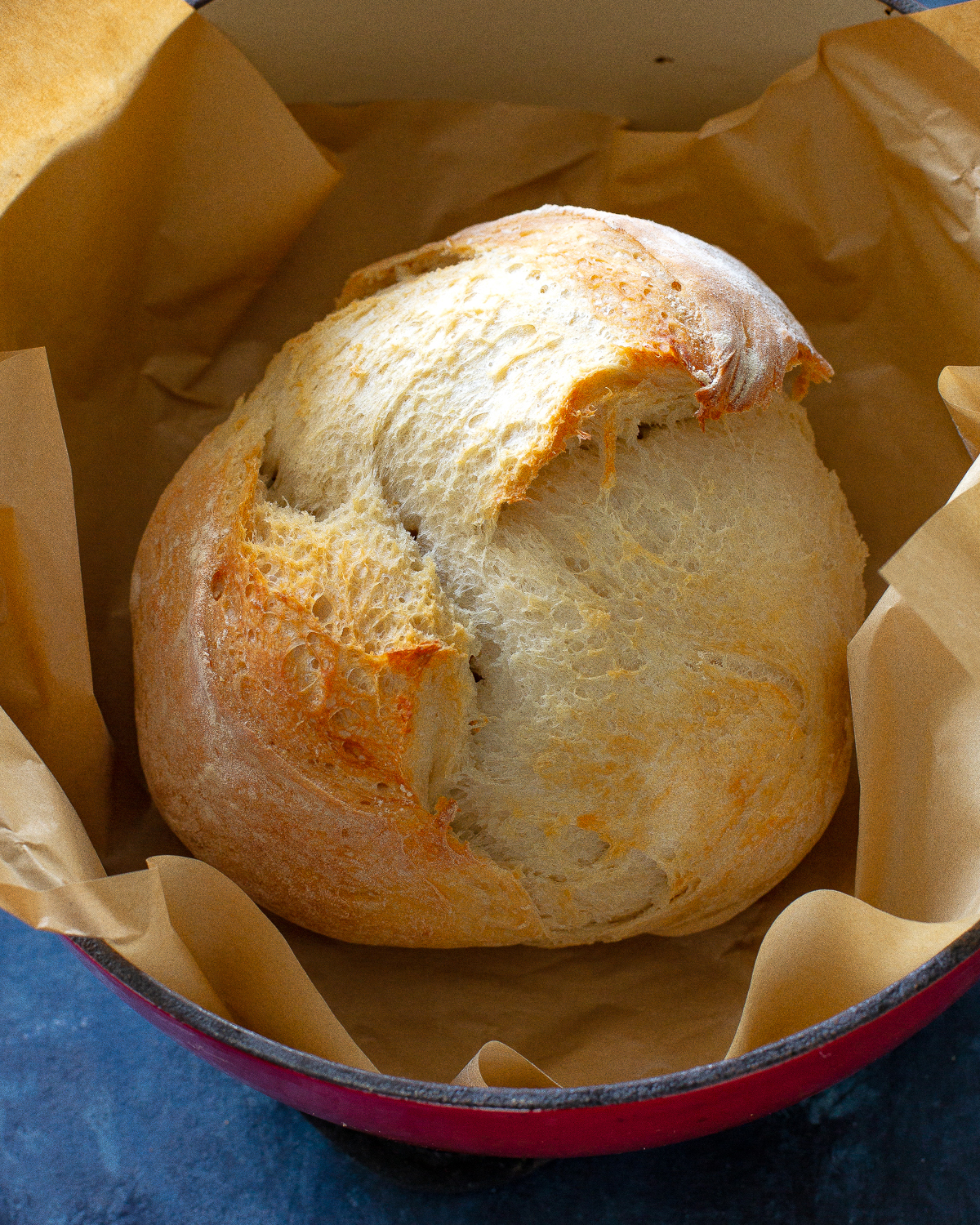
Thermal Dynamics: The Role of the Dutch Oven
A hallmark of the modern artisan bread method is the use of a Dutch oven. This heavy, lidded pot serves as a "mini-oven" within the larger appliance. The physics of the Dutch oven are essential for achieving a bakery-style crust. When the moist dough is placed into a preheated Dutch oven and covered, the evaporating water is trapped, creating a steamy environment.
This steam serves two functions: it keeps the surface of the dough supple, allowing for maximum expansion before the crust sets, and it gelatinizes the starches on the exterior of the loaf. Once the lid is removed for the final 10 to 15 minutes of baking, the dry heat hardens that gelatinized layer into a thin, crisp, and crackly crust. For home bakers without a Dutch oven, alternative methods include placing a pan of boiling water on the bottom rack of the oven, though data suggests this is less effective at maintaining the consistent humidity levels required for optimal results.
Economic and Nutritional Implications
The rise of home artisan baking carries significant economic and health implications. From a financial perspective, the cost of the raw ingredients required for a single artisan loaf is estimated to be under $1.00, whereas a comparable loaf at a retail bakery can cost between $6.00 and $10.00. This cost-effectiveness has contributed to the sustained interest in home baking, particularly during periods of economic volatility.
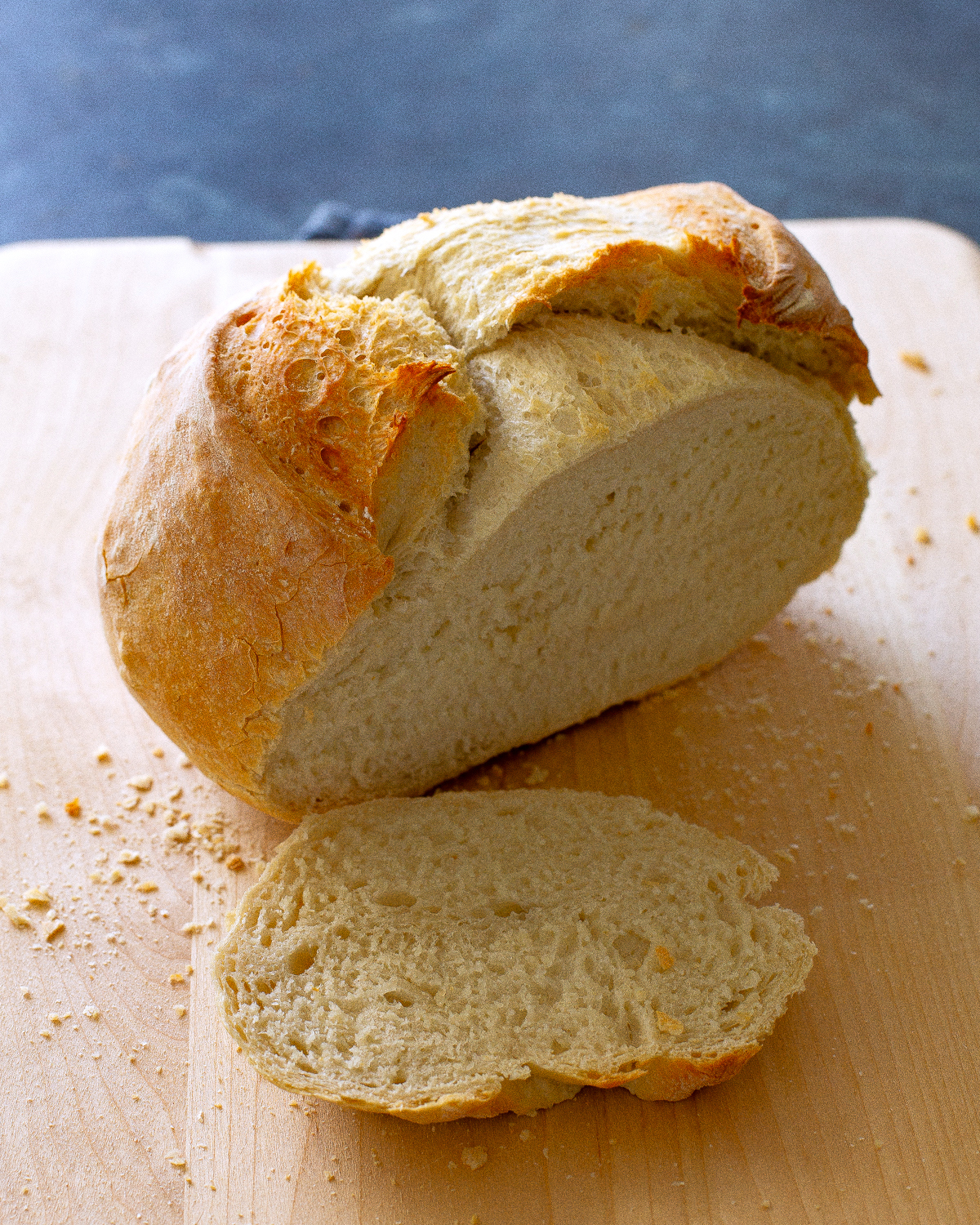
Nutritionally, the long fermentation process used in artisan baking offers advantages over industrial methods. Studies indicate that extended fermentation can reduce the levels of phytates in bread, which are compounds that can interfere with the absorption of minerals. Furthermore, the slow breakdown of gluten during fermentation may make artisan bread easier to digest for individuals with mild gluten sensitivities, although it remains unsuitable for those with celiac disease.
Addressing Common Technical Failures
Despite the simplicity of the four-ingredient recipe, home bakers often encounter challenges regarding the density of the final product. Culinary analysts point to three primary factors for "dense" bread:
- Yeast Viability: If the water used is too hot, it kills the yeast; if too cold, the yeast remains dormant. Testing yeast in a small amount of warm water to ensure it "foams" is a recommended diagnostic step.
- Under-proofing: If the dough does not rise for a sufficient amount of time, it will lack the air pockets necessary for a light crumb.
- Flour Measurement: Using a measuring cup can lead to "packing" the flour, resulting in an over-concentrated dough. Professional bakers advocate for the use of digital scales to measure ingredients by weight (grams) rather than volume.
The Broader Impact on Food Culture
The democratization of artisan bread making represents a broader cultural movement toward "slow food." In a fast-paced digital era, the multi-hour process of bread making offers a tactile and psychological reprieve. It also fosters a sense of self-sufficiency.
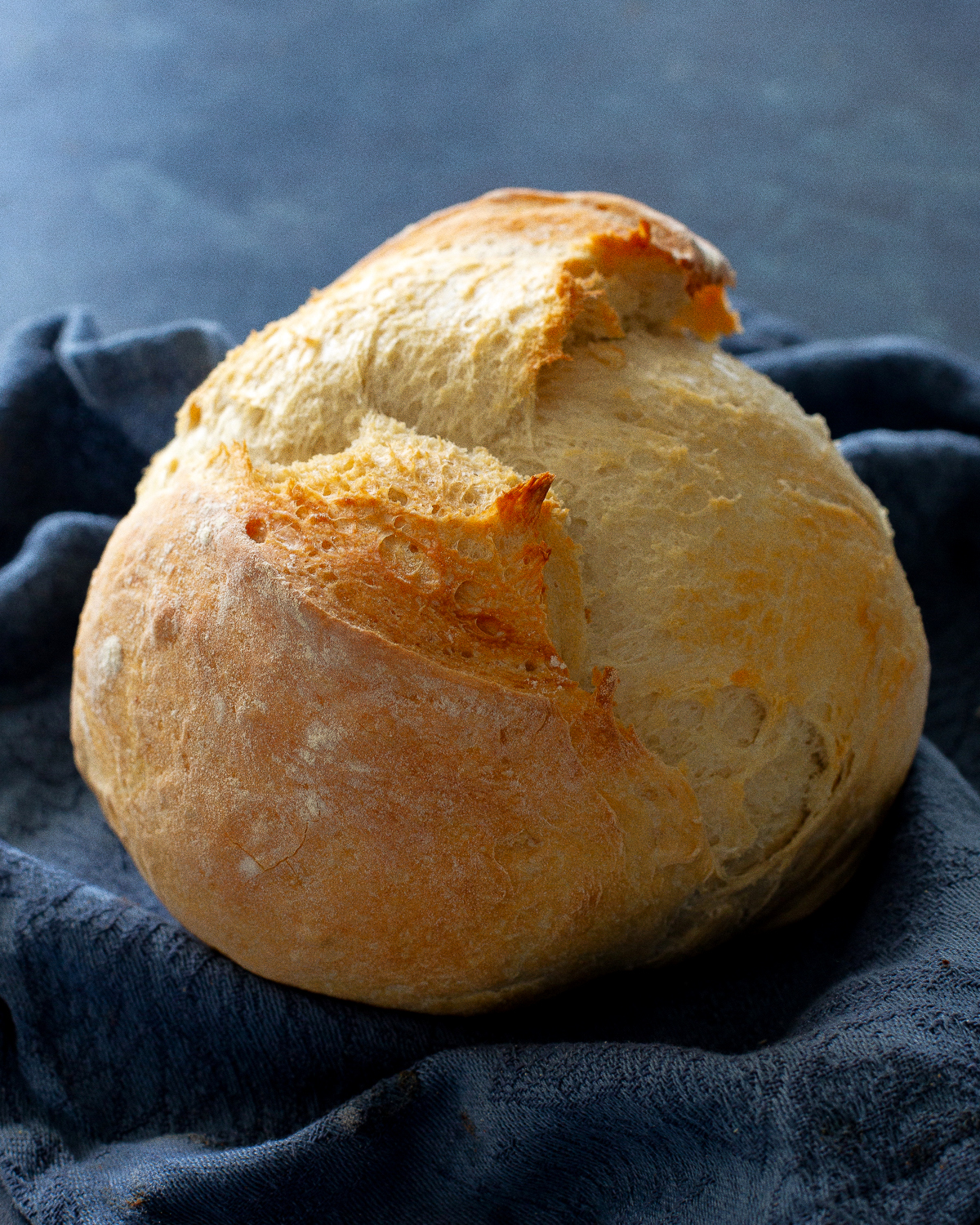
Market research indicates that the "cottage food" industry—small-scale home bakeries—has expanded significantly, with many hobbyists transitioning from making loaves for family to selling them at local farmers’ markets. This has revitalized local food economies and increased consumer appreciation for the craft of baking.
Conclusion: The Future of the Homemade Loaf
As we look toward the future of domestic culinary trends, the artisan bread method appears to be more than a passing fad. It represents a fundamental return to quality and simplicity. With a low barrier to entry and a high ceiling for mastery, the four-ingredient artisan loaf remains a cornerstone of the modern kitchen. Whether pursued for its economic benefits, its superior nutritional profile, or the sheer sensory pleasure of a fresh, crackly crust, the art of the simple loaf continues to rise, proving that sometimes the oldest methods are indeed the best.