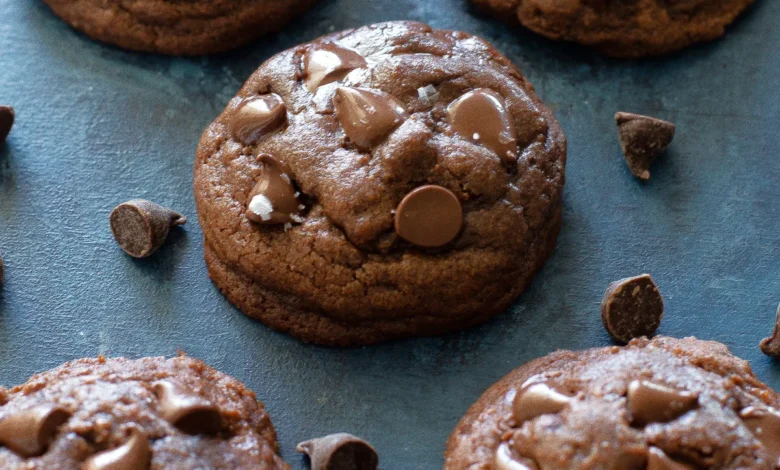
The culinary landscape of the United States has seen a significant shift toward hybrid desserts, a trend exemplified by the increasing popularity of the brownie batter cookie. This specific confection, which seeks to marry the structural integrity of a traditional cookie with the rich, dense texture of a chocolate brownie, has moved from niche food blogs to the forefront of commercial and home baking. The development of this recipe highlights a broader movement in the food industry where textures and flavors traditionally associated with raw batter are being safely and effectively integrated into fully baked products. This phenomenon is driven by a combination of celebrity culinary influence, corporate product innovation, and a growing consumer demand for "comfort food" with complex textural profiles.
The Evolution of the Hybrid Dessert Trend
The genesis of the brownie batter cookie can be traced back to the broader "brookie" movement—a portmanteau of "brownie" and "cookie"—which began gaining mainstream traction in the early 2010s. However, the specific iteration known as the brownie batter cookie focuses less on layering two distinct doughs and more on transforming the cookie dough itself into a medium that mimics the experience of eating brownie batter.
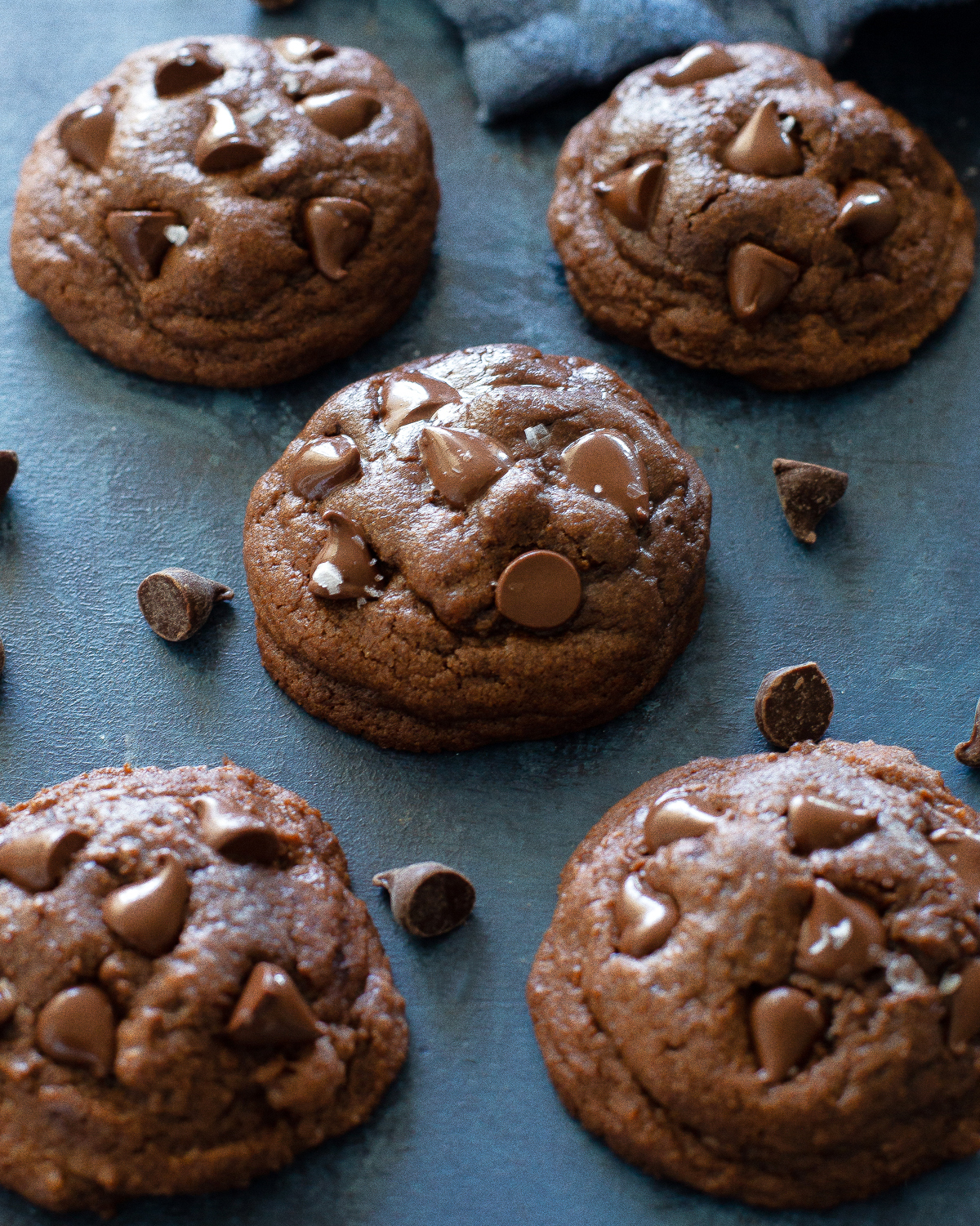
Industry analysts point to significant product launches as catalysts for this trend. In 2014, the multinational quick-service restaurant Dunkin’ Donuts introduced the Brownie Batter Donut as a seasonal offering. The success of this product, characterized by a chocolate yeast shell filled with brownie-batter-flavored buttercream, signaled to the market that "brownie batter" was a viable and highly marketable flavor profile beyond the mixing bowl. This corporate validation prompted a surge in domestic experimentation, as home bakers sought to replicate the experience in a more accessible, portable format.
The recipe popularized by culinary figures such as Trisha Yearwood has become a benchmark for this specific dessert. Yearwood, a Grammy-winning country music artist and Emmy-winning Food Network host, has been instrumental in bridging the gap between traditional Southern comfort food and modern dessert trends. Her version of the brownie batter cookie emphasizes a high cocoa-to-flour ratio and a specific baking methodology designed to maintain a "fudgy" interior, a departure from the crumbly texture of a standard chocolate chip cookie.
Philanthropic Intersections and Celebrity Influence
The dissemination of the brownie batter cookie recipe is also intertwined with high-profile philanthropic efforts. The Teammates For Kids Foundation, co-founded by country music legend Garth Brooks in 1999, serves as a recurring venue where culinary ideas are exchanged among high-profile donors and participants. Trisha Yearwood, a consistent supporter of the foundation, has utilized her platform to promote home baking as a means of community engagement.
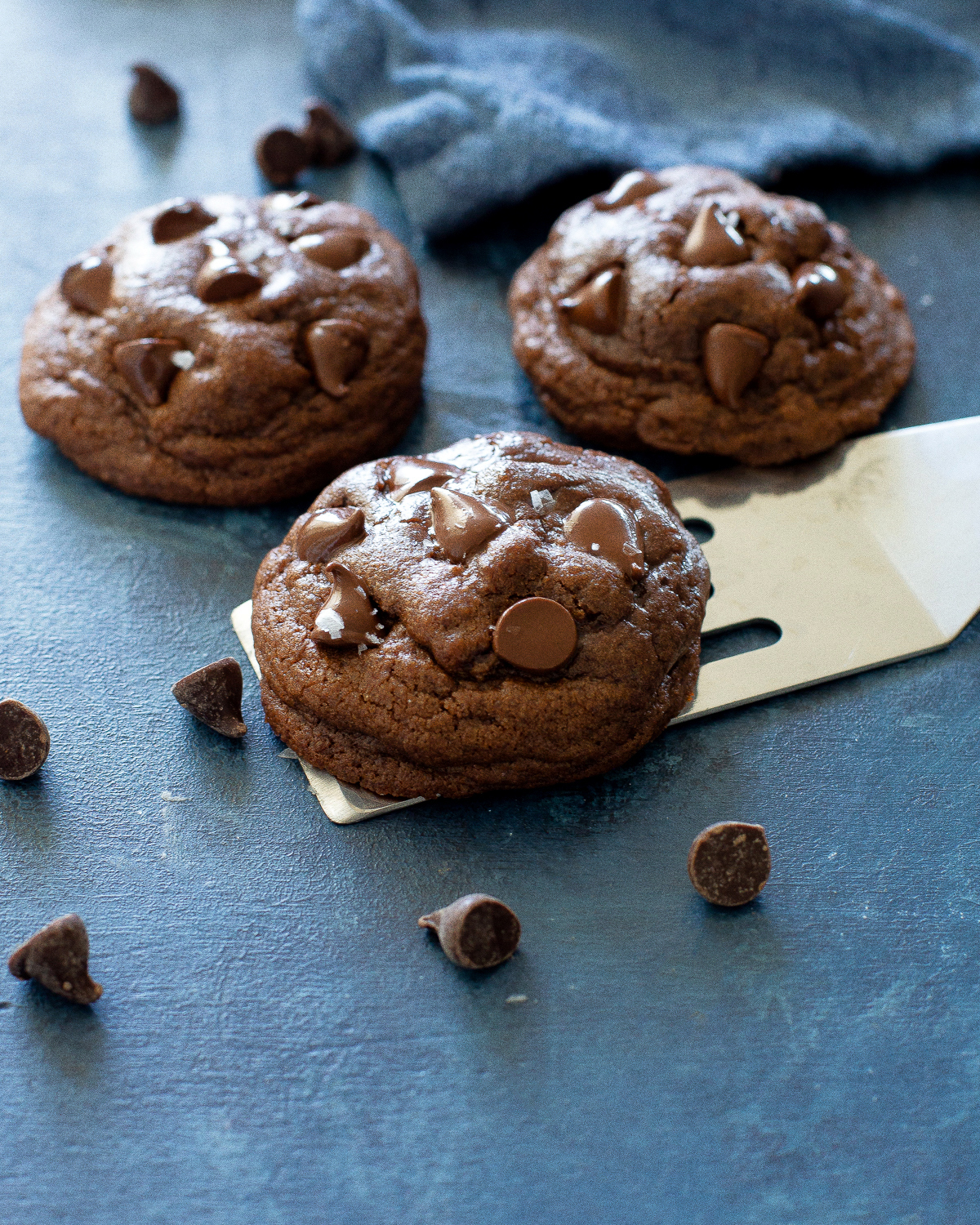
The foundation, which partners with professional athletes to generate funds for children’s charities, often hosts events where the intersection of celebrity culture and domestic arts is visible. It is within these professional and charitable circles that recipes like the brownie batter cookie often gain momentum, transitioning from private kitchens to national television segments on programs such as "Trisha’s Southern Kitchen." This trajectory illustrates how modern recipe sharing is no longer confined to local cookbooks but is part of a sophisticated media ecosystem that includes celebrity branding and charitable networking.
Technical Analysis of Ingredients and Chemical Leavening
The success of the brownie batter cookie is predicated on the precise management of leavening agents and moisture content. Unlike a traditional brownie, which may rely on eggs for lift or remain intentionally unleavened for a "fudgy" result, the brownie batter cookie requires a specific chemical balance to ensure it spreads correctly on a baking sheet while retaining a soft center.
A critical component in this process is sodium bicarbonate or baking powder. Journalistic investigation into home baking failures often reveals that the efficacy of these leavening agents is frequently overlooked. Baking powder, a mixture of a carbonate or bicarbonate and a weak acid, has a limited shelf life, typically between six to twelve months. When the leavening agent is expired, the cookies fail to achieve the necessary rise, resulting in a dense, leaden product rather than the desired "gooey" texture.
Furthermore, the role of cocoa powder in these recipes is twofold: it provides the structural backbone of the flavor and affects the pH balance of the dough. Most brownie batter cookie recipes utilize Dutch-processed cocoa, which has been treated with an alkalizing agent to modify its color and give it a milder flavor compared to "natural" cocoa. This chemical modification is essential for achieving the dark, rich appearance associated with professional-grade brownies.
The "Underbaking" Methodology and Food Safety
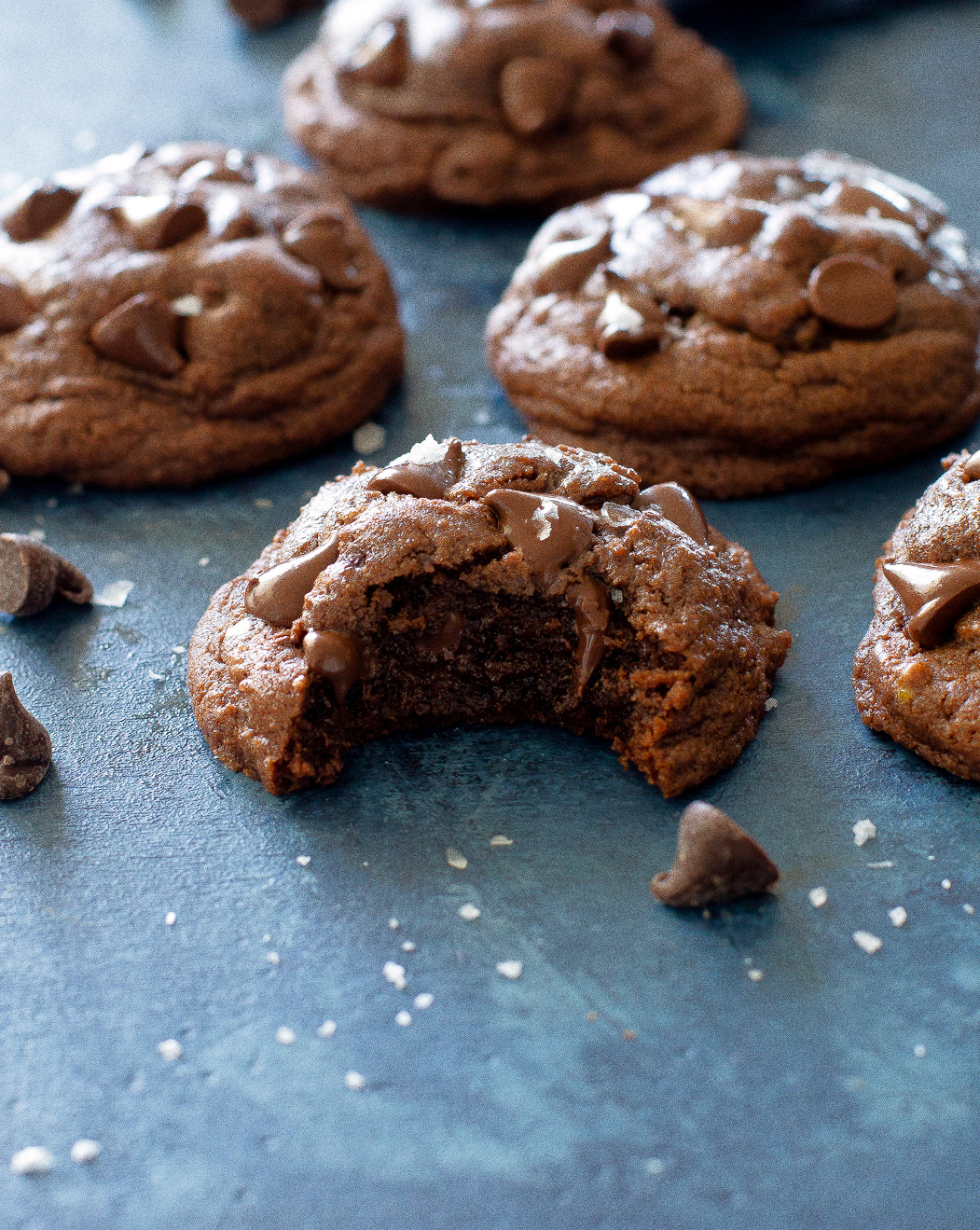
A defining characteristic of the brownie batter cookie is its internal consistency, which is achieved through a deliberate "underbaking" technique. In professional baking, this is known as "carryover cooking." The cookies are removed from the oven while the centers still appear slightly underdone or "shiny."
According to culinary scientists, the internal temperature of the cookie continues to rise for several minutes after being removed from the heat source. By terminating the active baking process early, the baker ensures that the starches do not fully set into a rigid structure, thereby preserving the "batter-like" quality that defines the recipe.
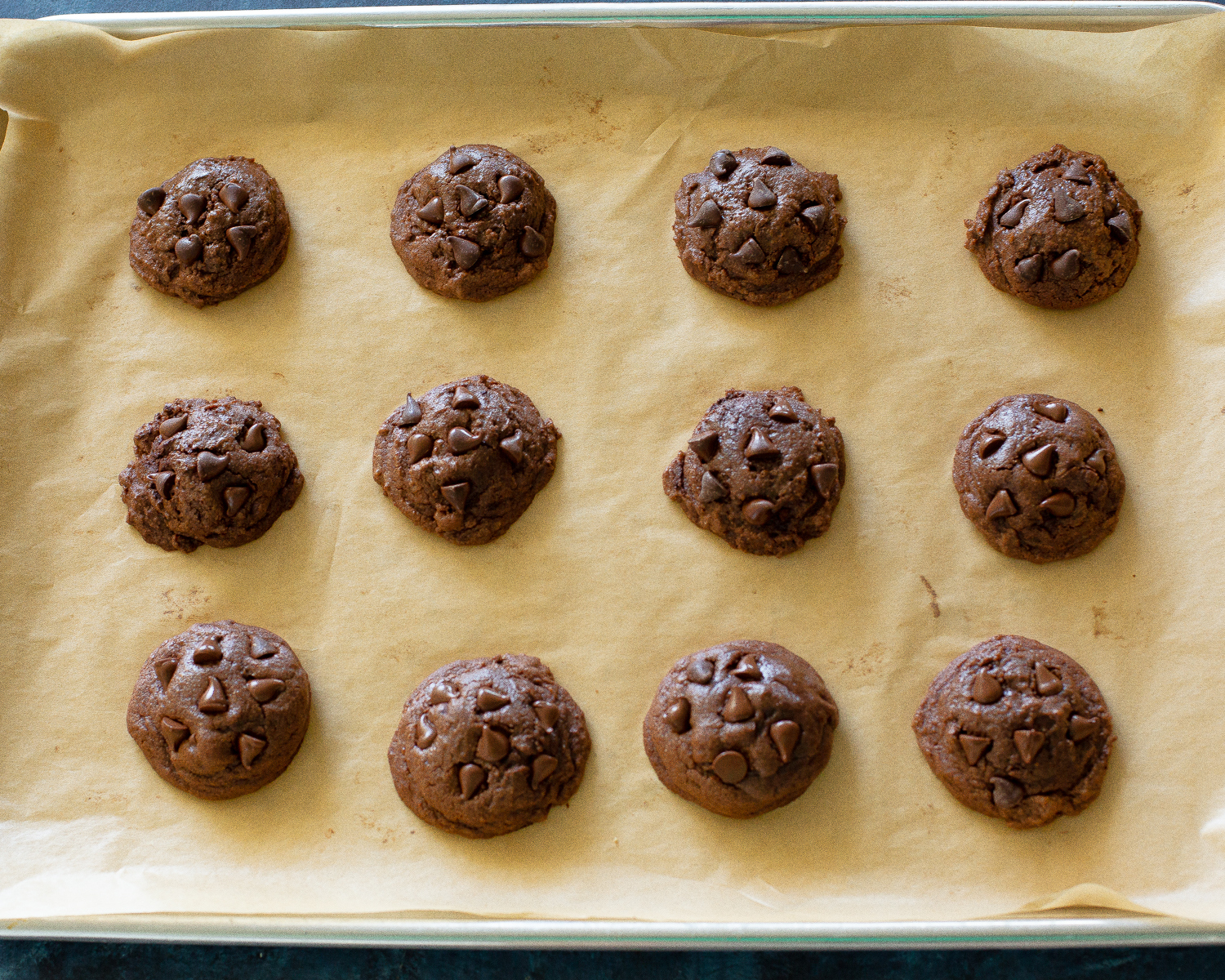
From a food safety perspective, this technique is managed by the inclusion of pasteurized eggs and heat-treated flour in commercial settings, though home recipes rely on the high internal temperatures reached during the brief baking period to mitigate the risks associated with raw ingredients. The objective is to reach a temperature of at least 160°F (71°C) in the center of the cookie to ensure pathogens are neutralized while maintaining the desired viscosity.
Logistics of Modern Home Baking: Preservation and Freezing
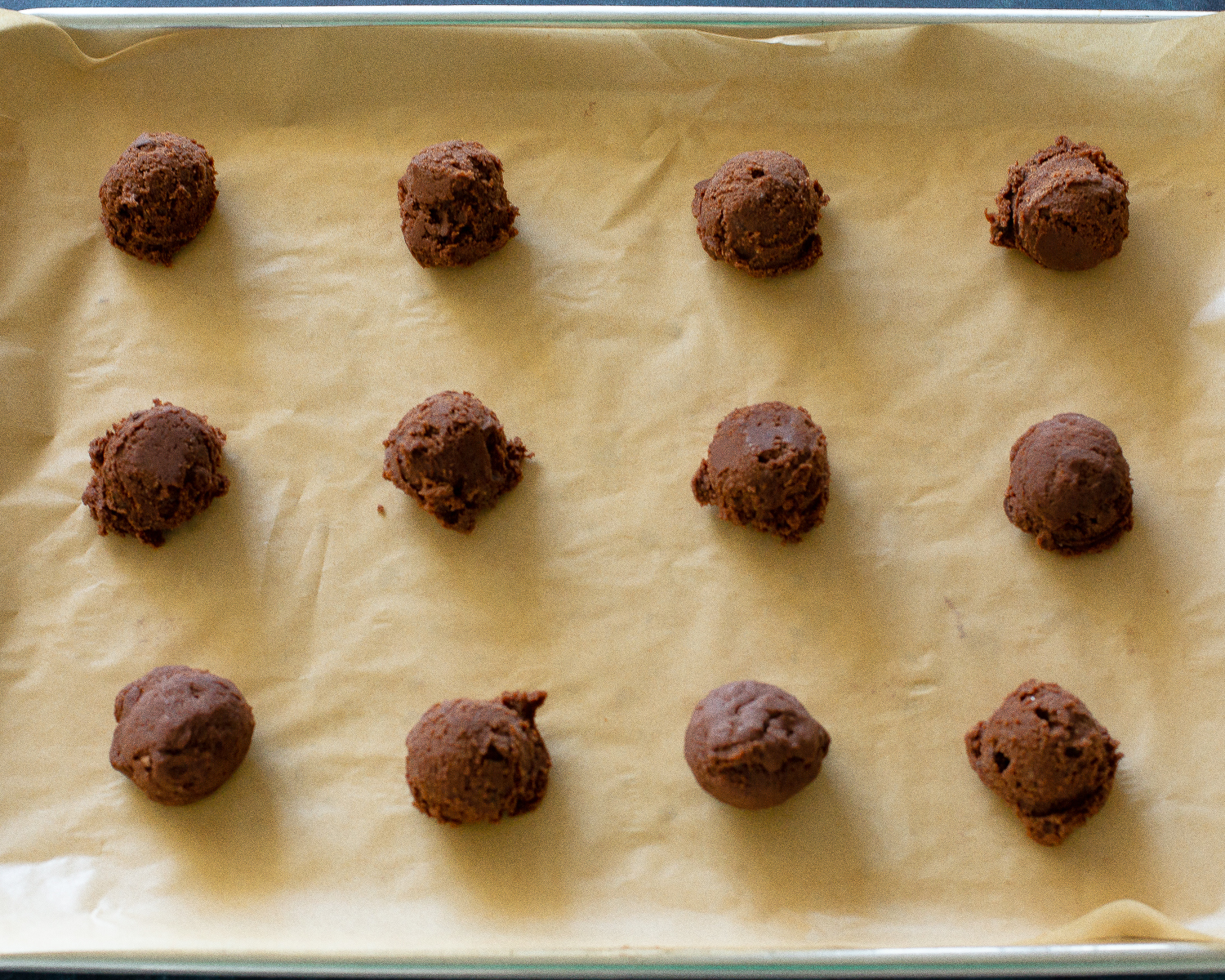
The brownie batter cookie has also become a case study in the modern trend of "convenience baking." As consumer lifestyles become increasingly fast-paced, the demand for "make-ahead" recipes has surged. The brownie batter cookie is particularly suited for cryopreservation, or freezing.
The recommended protocol for preservation involves "flash freezing" individual portions of dough on a baking sheet before transferring them to long-term storage containers. This prevents the dough balls from adhering to one another. Data from the American Frozen Food Institute suggests that the home-frozen dough market—though largely informal—contributes to the overall stability of the baking supply chain by reducing food waste.
When baking from a frozen state, the cookies require an additional two to three minutes of exposure to heat. This logistical flexibility allows for "on-demand" baking, a factor that has contributed significantly to the recipe’s longevity in the digital recipe space. The ability to produce a fresh, "gooey" dessert in under fifteen minutes from a frozen state aligns with contemporary consumer expectations for both quality and speed.
Market Impact and Consumer Psychology
The appeal of the brownie batter cookie can be analyzed through the lens of consumer psychology. The "batter" flavor profile taps into a powerful sense of nostalgia. For many consumers, the act of licking the whisk or bowl during the baking process is a formative culinary memory. By creating a product that safely replicates this experience in a finished form, manufacturers and recipe developers are leveraging "sensory-specific satiety" and nostalgic triggers.
In the broader economic context, the rise of such specialized cookies has fueled growth in the premium chocolate and baking supply sectors. According to market research reports, the global chocolate market is projected to continue its upward trajectory, driven in part by the "premiumization" of home baking ingredients. High-quality semi-sweet chocolate chips, dark cocoa powders, and specialized extracts are now standard staples in the average pantry, a shift necessitated by the popularity of complex recipes like the brownie batter cookie.
Broader Implications for the Culinary Industry
The transition of the brownie batter cookie from a simple kitchen experiment to a recognized dessert category reflects the blurring lines between professional pastry arts and home baking. As platforms like the Food Network and various digital culinary outlets continue to democratize professional techniques, the expectations for home-baked goods have risen.
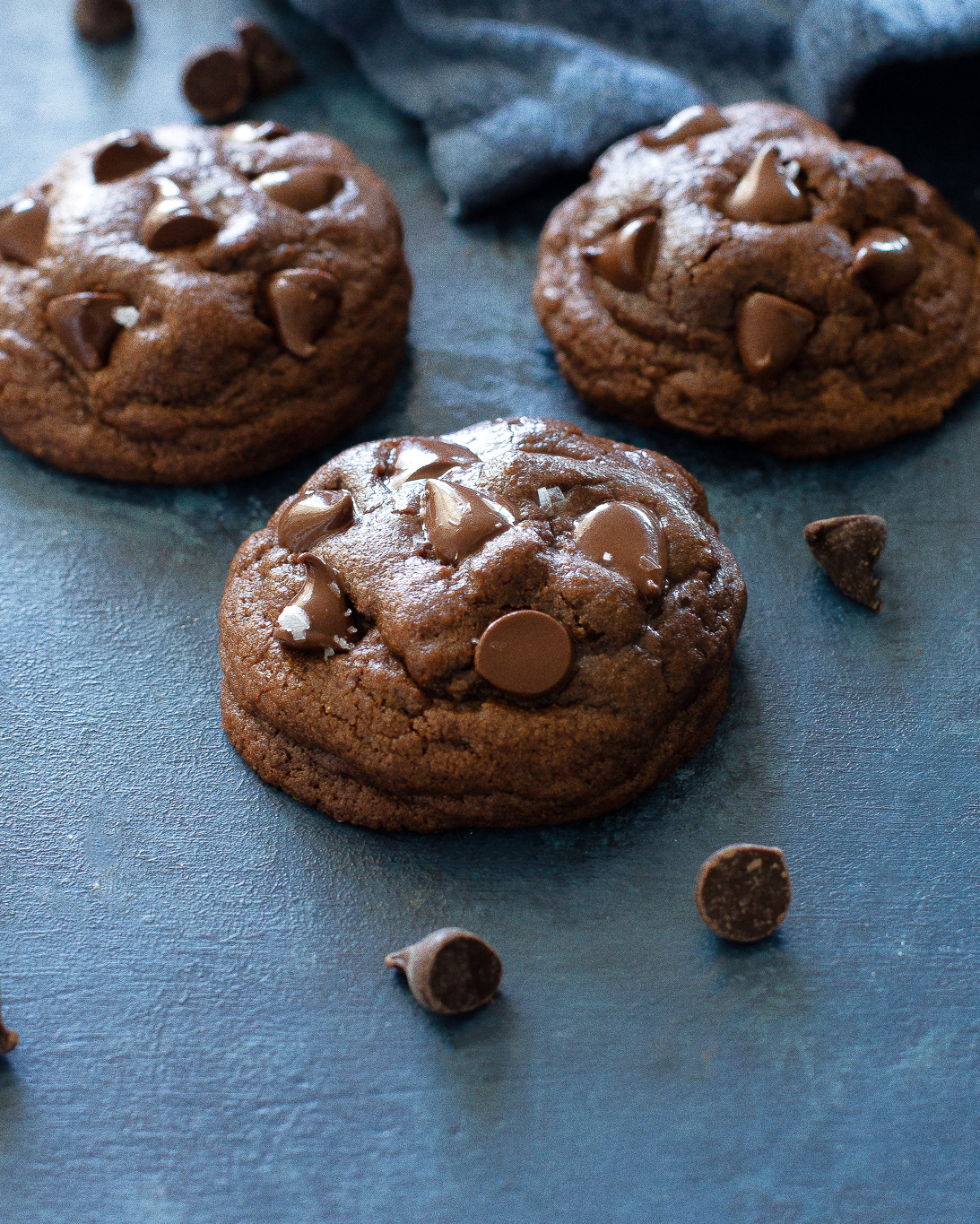
The brownie batter cookie is no longer viewed as a mere alternative to a brownie; it is a distinct entity that requires specific technical knowledge and precision. Its success underscores the importance of texture in the modern palate—where the contrast between a crisp exterior and a molten interior is highly prized.
As the industry moves forward, it is likely that the principles of the brownie batter cookie—hybridization, underbaking for texture, and nostalgic flavor profiles—will continue to influence new product development. Whether in the form of a celebrity-endorsed recipe or a mass-marketed snack, the brownie batter cookie remains a significant marker of early 21st-century culinary preferences, representing a sophisticated blend of science, tradition, and media-driven trendsetting.