
Extreme Heat Limits Daily Human Activity, Posing Global Threat and Exacerbating Inequalities, New Study Reveals


Jakarta, Indonesia – A groundbreaking study has unveiled the alarming extent to which extreme heat, intensified by the accelerating climate crisis, is severely restricting daily human activities across the globe. The comprehensive report, which synthesizes decades of physiological research, demographic data, and global climate trends, warns that escalating planetary temperatures are making even basic physical tasks—such as household chores or climbing stairs—increasingly challenging, particularly during peak summer periods. The findings underscore a rapidly expanding crisis of "habitability," especially for the world’s most vulnerable populations.
The Expanding Shadow of Unsuitable Hours and Physiological Strain
The study paints a stark picture of a world where once routine outdoor activities are becoming perilous. Researchers found that the average person aged over 65 now confronts approximately 900 hours of extreme heat annually that actively limit their ability to engage in outdoor activities. This represents a significant and concerning increase from the roughly 600 hours recorded in 1950, effectively translating to a loss of more than 30 days of safe daylight activity each year for this demographic. The implications extend far beyond mere inconvenience, touching upon public health, economic productivity, and social equity.
This escalating challenge is exacerbated for older adults due to a physiological decline in their body’s ability to regulate temperature. As individuals age, their capacity to sweat—a crucial cooling mechanism—diminishes, making them far more susceptible to heat stress, dehydration, and heat-related illnesses such as heatstroke. The study’s methodology meticulously quantifies these physiological thresholds, utilizing a metric known as Metabolic Equivalent (MET) to gauge the energy expenditure of various activities relative to environmental conditions. One MET is defined as the rate of energy expenditure while at rest. For instance, activities up to 3.3 METs, such as sweeping floors or walking at a moderate pace, are generally considered safe for individuals under 65 over extended periods without inducing heat stress, as they can maintain a stable core body temperature. However, the study identifies a critical "unsuitability limit" at locations where human activity is curtailed to just 1.5 METs, signifying only passive actions like lying down or sitting are safely possible. This scientific framework allowed researchers to precisely map how heat exposure increasingly pushes populations beyond safe activity thresholds.
To analyze the vulnerability across different age groups, the researchers conducted physiological experiments measuring sweat production and skin moisture in individuals placed in controlled thermal environments. This data was then integrated with broader demographic and climate datasets spanning from 1950 to 2024. The comparison between the early period (1950-1979) and the later period (1995-2024) revealed a dramatic and widespread expansion of areas experiencing this habitability crisis, impacting an ever-growing number of people. Alarmingly, the most severe limitations on human activity were recorded in the final year of the study, 2024, signaling a worsening trend and underscoring the rapid acceleration of the problem directly linked to the trajectory of global warming.
Disproportionate Burden on Vulnerable Regions and Communities
One of the most profound revelations of the study is the stark inequality in how the climate crisis’s impacts are distributed. It unequivocally demonstrates that communities in lower-income countries, which have historically contributed the least to the greenhouse gas emissions driving global warming, are bearing the brunt of this escalating heat burden. Data from sources like the Global Carbon Project consistently show that wealthier nations and industrialized economies have historically been the largest emitters of carbon dioxide. Yet, in many tropical and subtropical nations, extreme heat conditions now restrict outdoor activities for elderly populations for a quarter to a third of the year. This disparity highlights a profound issue of climate justice, where those least responsible for the problem are suffering its most severe consequences.
Geographically, the most acute challenges are concentrated in several key regions. Southwest Asia, encompassing countries like Bahrain, Qatar, Kuwait, the United Arab Emirates, Iraq, and Oman, faces particularly intense heat stress, often characterized by average summer temperatures soaring above 40°C (104°F) and high humidity, leading to dangerous wet-bulb temperatures. Similarly, South Asia, including Pakistan, Bangladesh, and India, experiences severe limitations, with densely populated areas frequently enduring prolonged heatwaves. Large swathes of West Africa, notably Mauritania, Mali, Burkina Faso, Senegal, Djibouti, and Niger, are also identified as critical hotspots. These regions are often characterized by high population densities, significant reliance on outdoor labor, and limited adaptive capacities, such as widespread access to air conditioning or robust public health infrastructure.
Even within countries, significant variations exist, often dictated by geography, income levels, and occupational structures. In India, for example, the Indo-Gangetic Plains and eastern lowlands exhibit the most pronounced activity limitations, while regions like the Western Ghats and the foothills of the Himalayas offer some respite due to their higher altitudes or distinct climatic patterns. In South America, populations residing in the Amazon basin are considerably more vulnerable to heat stress than those in the cooler Andean highlands. The study further exposes the stark socio-economic divide: in many Gulf states, affluent residents can mitigate risks through widespread use of air conditioning, advanced cooling technologies, and flexible work arrangements. In contrast, impoverished migrant workers, often engaged in strenuous outdoor labor on construction sites or in agriculture, are dangerously exposed to extreme solar radiation and high temperatures for extended periods. This creates a two-tiered reality where climate resilience becomes a luxury rather than a universal right, often leading to severe health consequences and even fatalities among the most vulnerable.
The Broader Climate Crisis Context: A Planetary Emergency Unfolding
The findings of this study resonate with a chorus of warnings from the international scientific community regarding the accelerating climate crisis. Global average temperatures have already risen by approximately 1.2°C (2.16°F) above pre-industrial levels, primarily driven by anthropogenic emissions of greenhouse gases, predominantly from the burning of fossil fuels (oil, gas, and coal). This warming trend is directly responsible for the increased frequency, intensity, and duration of extreme heat events worldwide. The Intergovernmental Panel on Climate Change (IPCC), the leading international body for assessing climate change, has consistently highlighted the urgent need to limit global warming to 1.5°C (2.7°F) to avoid the most catastrophic impacts, as outlined in the 2015 Paris Agreement. However, current trajectories suggest that without drastic and immediate action, the world is on course to exceed this critical threshold, potentially reaching 2°C (3.6°F) or even higher by the end of the century.
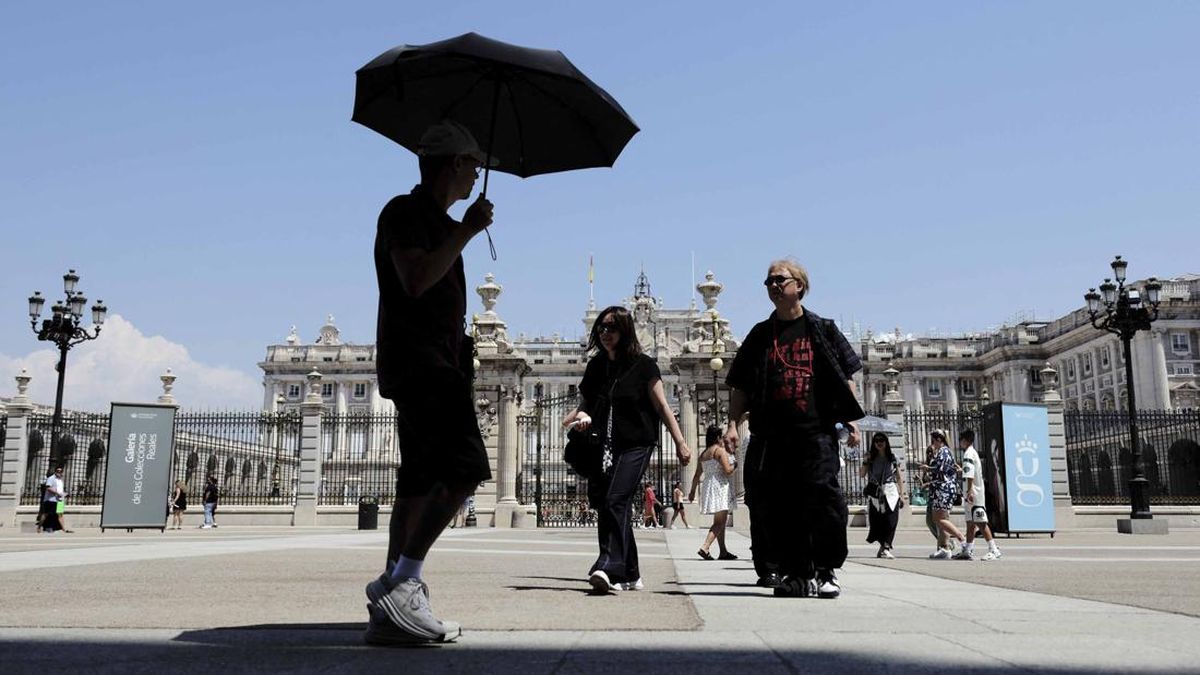
The year 2024, as referenced in the study, has offered a sobering glimpse into a world already grappling with the implications of a 1.5°C warming scenario. Record-breaking heatwaves have swept across continents, from Asia to Europe and North America, causing widespread disruption, health emergencies, and economic losses. For instance, parts of Southeast Asia and India experienced unprecedented heat in early 2024, leading to school closures, water shortages, and heat-related deaths. These events are not isolated anomalies but rather manifestations of a systemic shift in global climate patterns, making the study’s projections of expanding uninhabitable hours a tangible and immediate threat. The concept of "wet-bulb temperature," which combines air temperature and humidity, is increasingly becoming a critical indicator, as sustained wet-bulb temperatures above 35°C (95°F) are considered unsurvivable for humans, even at rest, due to the body’s inability to cool itself through sweating. These dangerous thresholds are being approached and even exceeded in some regions, particularly in South Asia and the Persian Gulf.
Humanitarian and Socio-Economic Implications: A Looming Crisis
The implications of these findings are far-reaching, touching upon every facet of human society and portending a looming humanitarian and socio-economic crisis.
- Public Health Crisis: Beyond immediate risks like heatstroke, dehydration, and heat exhaustion, prolonged exposure to extreme heat exacerbates pre-existing conditions such as cardiovascular disease, respiratory illnesses, and kidney disease. It also poses significant mental health challenges, increasing stress, anxiety, and aggression, and potentially leading to higher rates of suicide. Healthcare systems, particularly in resource-limited settings already struggling with basic services, are ill-equipped to handle mass heat-related emergencies, leading to increased morbidity and mortality.
- Economic Toll: The reduction in safe working hours, especially for outdoor laborers in agriculture, construction, and manufacturing, translates directly into lost productivity and significant economic decline. The International Labour Organization (ILO) has previously estimated that heat stress could lead to global productivity losses equivalent to 80 million full-time jobs by 2030, representing an economic cost of trillions of dollars annually. This directly impacts national Gross Domestic Products (GDPs), household incomes, and food security, particularly in agricultural economies heavily reliant on manual labor. Furthermore, the costs associated with increased energy consumption for air conditioning, healthcare expenditures, and infrastructure damage from heat-induced warping or stress add to the escalating economic burden.
- Exacerbation of Inequalities: The study starkly illustrates how the climate crisis deepens existing socio-economic divides. Wealthier individuals and nations can deploy adaptive measures like widespread air conditioning, advanced warning systems, and improved, climate-resilient infrastructure. In contrast, the poor, who often live in substandard housing with poor insulation, lack access to reliable electricity for cooling, and depend on strenuous outdoor labor, are left dangerously exposed. This creates a vicious cycle where climate vulnerability reinforces poverty, hindering development goals and potentially leading to social unrest and instability.
- Food and Water Security: Extreme heat directly impacts crop yields by damaging plants, reducing water availability through increased evaporation, and stressing livestock. This threatens global food supplies and exacerbates existing food insecurity in vulnerable regions. Water resources are also strained by higher temperatures, leading to increased demand and accelerated evaporation from reservoirs and rivers.
- Migration and Displacement: As certain regions become increasingly uninhabitable or economically unviable due to extreme heat and associated impacts like drought and water scarcity, forced migration and internal displacement are likely to surge. This places immense pressure on host communities, urban centers, and international aid systems, creating new humanitarian challenges and potential geopolitical tensions.
Expert Perspectives and Calls to Action
Luke Parsons, the lead author of the study from The Nature Conservancy, minced no words in his assessment, as quoted by The Guardian: "Hundreds of millions of people can no longer safely live their daily lives outdoors during the hottest periods of the year. And most of them are in countries that have contributed the least to the problem." His statement encapsulates the urgency and the ethical dimensions of the climate crisis. He further emphasized that even marginal increases in temperature will expand this detrimental impact, making the 2024 data a stark warning rather than a static snapshot.
Public health organizations, climate activists, and international bodies echo these concerns. The World Health Organization (WHO) consistently highlights heat as a silent killer and advocates for comprehensive heat health action plans, including robust surveillance systems and community-level interventions. Climate scientists universally stress that while adaptation measures are critical, they are ultimately a temporary band-aid without aggressive mitigation efforts. Policy experts from organizations like the United Nations Environment Programme (UNEP) have repeatedly called for accelerated climate action, emphasizing the need for global solidarity and equitable solutions.
The authors of the study issue a dual call to action: first, an immediate and drastic reduction in the primary drivers of global warming, namely the extraction and combustion of fossil fuels. This requires a rapid transition to renewable energy sources, improved energy efficiency across all sectors, and sustainable land use practices including reforestation and protection of natural ecosystems which act as carbon sinks. Second, they urge policymakers to allocate substantial resources towards adaptation strategies for the most vulnerable communities, age groups, and regions. This includes both financial aid and technology transfer to enable these nations to build resilience.
Looking Ahead: Mitigation and Adaptation as Twin Imperatives
The 2024 data, showing the most severe limitations on human activity yet recorded, serves as a chilling preview of a world that has already warmed by 1.5 degrees Celsius above pre-industrial levels. This sobering reality should, as Parsons notes, "strengthen our collective resolve to avoid warming of 2 degrees Celsius or more." The choices made in the coming years will determine the habitability of vast swathes of the planet for future generations.
In the short term, urgent investments are required to build resilience against extreme heat. This includes developing robust early warning systems to alert populations to impending heatwaves, establishing accessible and well-maintained cooling centers in urban areas, and implementing protective measures for vulnerable groups such as the elderly and outdoor workers (e.g., mandatory rest breaks, provision of hydration, shaded work areas, and adjustments to working hours). Urban planning must integrate green infrastructure solutions, such as increasing tree cover, developing cool pavements, and incorporating water features, to combat the urban heat island effect, which can make cities significantly hotter than surrounding rural areas.
However, these localized investments in adaptation, while crucial, cannot substitute for the fundamental imperative to limit global warming. The scientific consensus is clear: without a dramatic reduction in greenhouse gas emissions, the severity and frequency of extreme heat events will continue to escalate, pushing more regions and populations beyond the brink of habitability. The challenge requires unprecedented global cooperation, equitable resource distribution, and a fundamental shift in humanity’s relationship with its planetary home. The study serves as a powerful reminder that the climate crisis is not a distant threat, but a present danger that is already reshaping the fabric of daily life for hundreds of millions of people, demanding immediate and decisive action from all stakeholders.


