
Banana Chocolate Chip Cake A Beloved Family Recipe Evolves

The Ultimate Banana Chocolate Chip Cake: A Beloved Family Recipe Reimagined
The aroma of baking banana bread, a symphony of sweet fruit and rich chocolate, is more than just a scent; it’s a portal to cherished memories. For our family, this banana chocolate chip cake recipe has been a cornerstone of comfort and celebration for generations. It’s the kind of recipe that evolves, not through a dramatic overhaul, but through subtle tweaks and thoughtful additions, a testament to its inherent deliciousness and our collective culinary journey. This article delves into the heart of this cherished recipe, exploring its origins, the essence of its enduring appeal, and the exciting ways it has been reimagined for contemporary palates and dietary considerations. From the foundational principles that make it so irresistible to the innovative adaptations that keep it fresh and relevant, we’ll unpack the magic of this evolving family favorite.
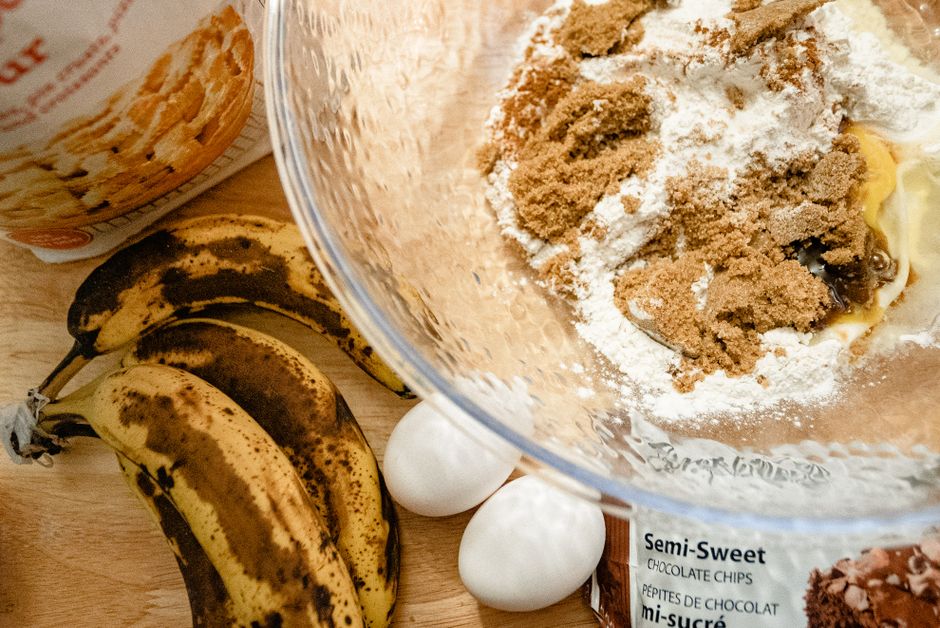
At its core, a truly great banana chocolate chip cake hinges on a few non-negotiable elements. The ripeness of the bananas is paramount. Overripe bananas, the ones with speckled, almost black skins, are a baker’s gold. Their natural sugars are at their peak, imparting an unparalleled moisture and depth of flavor that cannot be replicated with less mature fruit. This intense banana essence forms the soul of the cake, providing a moist crumb and a natural sweetness that reduces the need for excessive added sugar. The texture is another critical component. We aim for a cake that is tender and moist, but with enough structure to hold its shape and the generous distribution of chocolate chips. Achieving this balance requires careful attention to the fat-to-flour ratio and the leavening agents. Too much fat can result in a greasy cake, while insufficient leavening can lead to a dense, heavy dessert. The interplay between the creamy banana and the melting pockets of chocolate is where the true magic lies. It’s a harmonious contrast of textures and flavors that delights at every bite.
The original iteration of our family’s banana chocolate chip cake was likely a simple, no-frills affair, passed down through handwritten cards or oral tradition. It would have relied on pantry staples: all-purpose flour, granulated sugar, eggs, butter or oil, baking soda, and of course, the stars of the show, ripe bananas and chocolate chips. The method would have been straightforward: cream the butter and sugar, beat in the eggs, mash the bananas and add them, then gently fold in the dry ingredients and chocolate. This foundational recipe, born out of necessity and a desire for simple, delicious indulgence, laid the groundwork for everything that followed. The emphasis was on maximizing flavor from readily available ingredients, a hallmark of classic home baking. The simplicity also meant it was accessible to bakers of all skill levels, making it a perfect recipe for involving younger family members in the kitchen.
Over time, the recipe began to evolve, driven by both personal preferences and a growing awareness of ingredients. One of the earliest and most impactful adaptations involved the type of fat used. While the original may have called for butter, we found that a blend of butter and vegetable oil provided an even more consistently moist and tender crumb. The butter contributes flavor, while the oil, being liquid at room temperature, helps to keep the cake moist for longer. The oil also contributes to a lighter texture, preventing the cake from becoming too dense. This subtle shift, adding a portion of vegetable oil to the butter, was a game-changer, improving the cake’s shelf life and its overall textural appeal. This is a common evolution in many beloved recipes – a slight adjustment based on experience and a desire for optimal results.
The chocolate component also saw its own evolution. While semi-sweet chocolate chips were the original standard, we experimented with different types to enhance the flavor profile. Dark chocolate chips, with their richer, more intense cocoa notes, began to appear, offering a sophisticated counterpoint to the sweet banana. For special occasions, or when a truly decadent experience was desired, chunks of high-quality dark chocolate were incorporated. These larger pieces melt into luscious pools of chocolate, creating pockets of intense flavor and a wonderfully gooey texture that contrasts beautifully with the cake’s tender crumb. Some bakers even incorporated a swirl of chocolate ganache before baking for an extra layer of indulgence, though this moved the recipe slightly away from its simple roots towards something more celebratory.
Leavening agents are critical for cake texture, and ours was no exception. The original likely relied solely on baking soda, activated by the acidity present in the bananas. However, as we sought a more consistent rise and a lighter crumb, we began incorporating a small amount of baking powder alongside the baking soda. Baking powder provides a double-acting lift, releasing carbon dioxide both when it’s mixed with wet ingredients and again when it’s exposed to heat in the oven. This combination of baking soda and baking powder ensures a good rise, a tender crumb, and a cake that feels light and airy, despite its moistness. This adjustment also allowed for greater forgiveness in the batter consistency.
The incorporation of spices, while not present in the very earliest versions, became a natural progression as our palates matured and we explored flavor pairings. A hint of cinnamon is now a non-negotiable addition to our banana chocolate chip cake. Its warm, aromatic notes complement the sweetness of the banana and the richness of the chocolate, adding a subtle complexity that elevates the entire flavor profile. Nutmeg, in very small quantities, has also been introduced by some family members, offering a slightly peppery warmth. The key here is restraint; the spices should enhance, not overpower, the dominant flavors of banana and chocolate. This is where the "family recipe" aspect truly shines – individual kitchens may develop their own nuanced spice blends.
As dietary needs and preferences have become more diverse, so too has our beloved banana chocolate chip cake. The concept of “healthy baking” has led to some fascinating adaptations. One of the most common substitutions involves using whole wheat flour or a blend of whole wheat and all-purpose flour. While this can make the cake slightly denser, it significantly increases the fiber content and adds a pleasant nutty undertone. Coconut sugar or maple syrup have been explored as alternatives to granulated sugar, offering a lower glycemic index and a distinct flavor profile. For those seeking a dairy-free option, plant-based milks such as almond or soy milk, and dairy-free butter or coconut oil, have been successfully employed. The challenge with these substitutions lies in maintaining the moisture and tender crumb that are so integral to the original recipe. Often, a slight adjustment in the liquid content or the addition of a binder like applesauce or flax eggs is necessary to achieve a comparable texture.
A notable variation that has gained traction is the inclusion of other complementary flavors. Some family members have embraced the idea of adding a tablespoon or two of instant coffee granules to the batter. This intensifies the chocolate flavor, creating a richer, more sophisticated taste that is particularly appealing to adult palates. The coffee doesn’t make the cake taste distinctly like coffee, but rather amplifies the existing chocolate notes. Another popular addition is a touch of vanilla extract, which, while seemingly simple, acts as a flavor enhancer, bringing out the nuances of both the banana and the chocolate.
The method of preparation itself has also seen minor refinements. While the traditional creaming method remains a reliable approach, some have found success with the “muffin method,” where the wet ingredients are combined in one bowl and the dry ingredients in another, then gently mixed together until just combined. This method minimizes gluten development, resulting in an even more tender cake, and is often quicker. However, for those who appreciate the aeration and structure that creaming butter and sugar provides, this method is still favored. The key to both is not to overmix the batter, which can lead to a tough cake. Overmixing develops the gluten in the flour excessively, resulting in a chewy, dense texture rather than the desired tender crumb.
The versatility of this banana chocolate chip cake is another reason for its enduring appeal. It’s not just a dessert; it’s a breakfast treat, a mid-afternoon snack, and a celebratory centerpiece. It transforms effortlessly from a simple loaf cake to a more elaborate layered cake with a creamy frosting. For a truly decadent experience, a cream cheese frosting or a rich chocolate buttercream is an exceptional pairing. The tang of the cream cheese cuts through the sweetness of the cake, while a chocolate frosting amplifies the cocoa notes. It can also be served warm with a scoop of vanilla ice cream for an ultimate comfort food experience. This adaptability ensures that the cake remains a relevant and cherished part of family gatherings, evolving with the occasion.
Ultimately, the evolution of our family’s banana chocolate chip cake recipe is a beautiful illustration of how cherished traditions can adapt and thrive. It’s a testament to the power of simple, quality ingredients, thoughtful adjustments, and the willingness to embrace new ideas while respecting the core essence of what makes a recipe so beloved. Each variation, from the subtle addition of cinnamon to more significant dietary adaptations, carries the spirit of the original, ensuring that the comforting aroma and delicious taste of this family favorite will continue to be a source of joy for generations to come. The recipe continues to be a living document, subject to the evolving culinary landscape and the individual touches of those who bake it, ensuring its place in the heart of our family’s culinary legacy.


