A Culinary Guide to Melaka Exploring the Historic Flavors and Gastronomic Landmarks of Malaysias Coastal Gem

Melaka, situated on the southwestern coast of the Malay Peninsula, serves as a pivotal cultural and gastronomic hub, shaped by centuries of maritime trade and colonial history. As a UNESCO World Heritage site, the city is not merely a repository of architectural landmarks but a living museum of Peranakan, Malay, and Chinese culinary traditions. The local food scene is characterized by a sophisticated use of indigenous herbs, fermented pastes, and complex spice blends, creating a profile that is distinct from the culinary offerings of northern Malaysia or the capital, Kuala Lumpur. For travelers and food historians alike, Melaka represents a unique intersection of flavors that have been refined over generations.
The Historical Evolution of Melakan Gastronomy
To understand the contemporary restaurant landscape in Melaka, one must consider the city’s strategic importance in the 15th-century spice trade. Under the Melaka Sultanate, the port became a melting pot for traders from Arabia, India, and China. This era saw the birth of the Peranakan (Straits Chinese) culture, a fusion of Chinese immigrants and local Malay communities. This cultural synthesis is most evident in the cuisine, which utilizes Chinese ingredients like tofu and pork alongside Malay staples such as coconut milk, lemongrass, and galangal.
Following the Sultanate, the city underwent successive periods of Portuguese, Dutch, and British colonial rule. While the European influence is more visible in the city’s red-hued architecture, the local palate remained fiercely regional, incorporating New World ingredients brought by the Portuguese—most notably the chili pepper—which revolutionized the local diet. Today, the culinary economy of Melaka is a primary driver of its tourism sector, with the state government frequently highlighting food heritage as a key component of the "Visit Melaka" campaigns.

The Morning Tradition: Hainanese Heritage and the Rice Ball Phenomenon
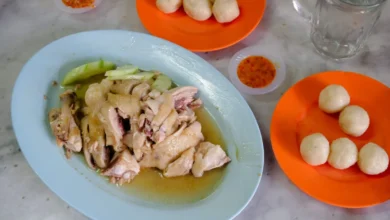
A cornerstone of Melaka’s breakfast and lunch culture is Hainanese Chicken Rice, yet the city offers a unique variation found nowhere else: the chicken rice ball. At establishments such as Kedai Kopi Chung Wah, located at the entrance of the historic Jonker Street, the preparation of this dish remains a labor-intensive tradition.
Hainanese Chicken Rice was brought to the region by immigrants from Hainan province, China. While the standard version of the dish serves loose, fragrant rice alongside poached chicken, Melaka’s vendors began shaping the rice into spheres. Historically, this was a practical measure; the compressed rice balls stayed warm longer and were easier for laborers to transport to their workplaces.

At Kedai Kopi Chung Wah, the process involves cooking the rice in a rich broth of chicken fat, ginger, and garlic before it is hand-rolled into firm, bite-sized spheres. The chicken itself is prepared using the traditional poaching method, resulting in a tender texture and gelatinous skin. The dish is traditionally served with a signature chili sauce—a pungent blend of red chilies, ginger, and lime juice that provides a sharp acidity to cut through the richness of the poultry. In recent years, the popularity of this dish has led to significant queues, with wait times often exceeding an hour during peak weekend periods, reflecting its status as a primary gastronomic landmark.
The Mastery of Spice: Asam Pedas and Regional Identity
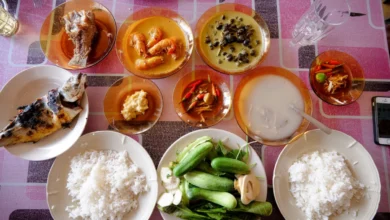
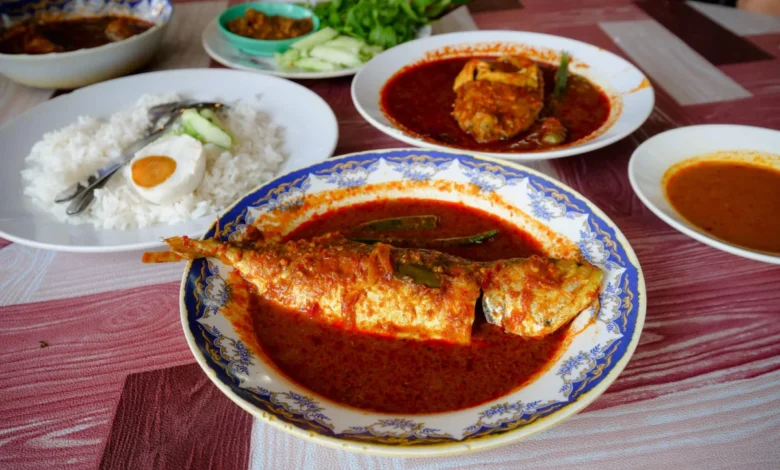
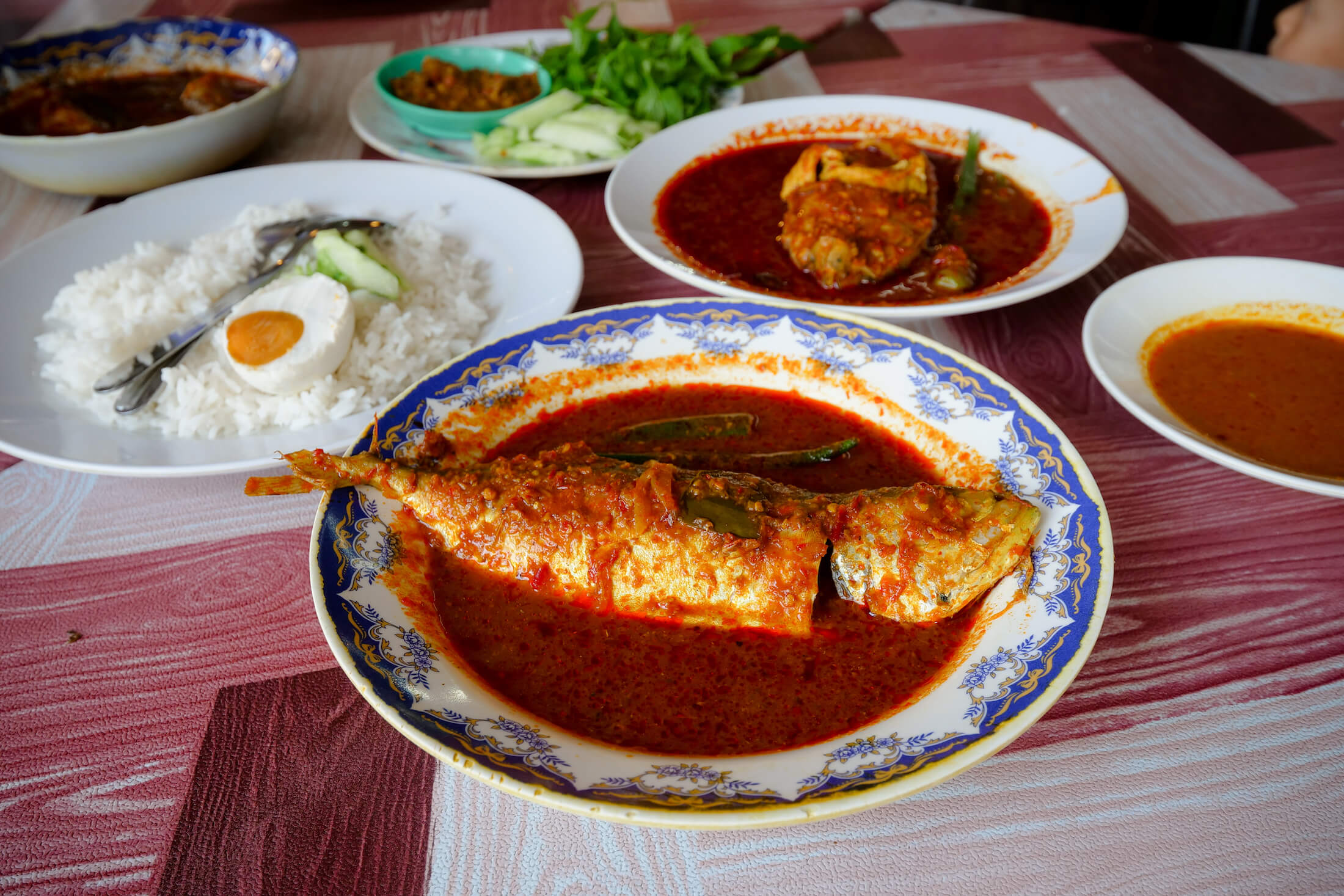
If chicken rice balls represent the Chinese-Malay synthesis, Asam Pedas represents the soul of Malay coastal cooking. Translated literally as "sour spicy," Asam Pedas is a classic tamarind-based fish stew that is synonymous with the state of Melaka. While variations exist across the peninsula, the Melakan version is renowned for its depth of flavor and specific use of aromatic herbs.

Asam Pedas Pak Man is frequently cited by local authorities and culinary critics as a benchmark for this dish. The broth is a complex reduction of dried chilies, shallots, garlic, belacan (shrimp paste), and turmeric. The signature sourness is derived from tamarind pulp (asam jawa), while the aromatic profile is heightened by the addition of daun kesum (Vietnamese coriander) and bunga kantan (torch ginger flower).
The choice of seafood is critical to the dish’s success. Common selections include ikan pari (stingray), ikan tongkol (mackerel tuna), and ikan terubok (shads). The slow-simmering process allows the fish to absorb the piquant broth while maintaining its structural integrity. From a socio-economic perspective, the Asam Pedas industry supports local fisheries and spice farmers, creating a localized supply chain that remains resilient despite the influx of international fast-food chains in the city’s modern quarters.

Modern Innovation: The Rise of the Klebang Coconut Shake
While Melaka is steeped in tradition, its culinary scene is not static. The Klebang Original Coconut Shake exemplifies the evolution of local tastes in response to the tropical climate and the rise of social media-driven food tourism. Located along the coastal road leading away from the city center, this establishment has transformed from a humble roadside stall into a high-volume enterprise that serves thousands of customers daily.
The beverage is a hybrid of a traditional fruit juice and a modern milkshake. It consists of fresh coconut water, young coconut flesh, and ice, blended together and topped with a scoop of vanilla ice cream. This innovation has sparked a "coconut shake craze" across Malaysia, yet the Klebang location remains the primary destination for enthusiasts.

The success of such businesses indicates a shift in Melaka’s tourism demographics. Data from the Melaka Tourism Promotion Board suggests that younger travelers are increasingly seeking out "viral" food experiences that blend traditional ingredients with modern presentation. The Klebang stall has also contributed to the local economy by creating employment opportunities and stimulating peripheral businesses, such as vendors selling nasi lemak packets and traditional Malay snacks (kuih-muih) to the waiting crowds.
Communal Dining: Satay Celup and the Fusion of Cultures
As evening falls, the focus shifts to communal dining experiences, most notably Satay Celup. This dish is a quintessential Melakan invention that combines the Malay concept of satay (skewered meat) with the Chinese tradition of hotpot. Ban Lee Siang is one of the most storied names in this niche market.

In Satay Celup, diners select from an array of raw and semi-cooked skewers—ranging from seafood and meat to vegetables and quail eggs—which are then submerged into a central vat of boiling peanut sauce. The sauce is the defining element; it is thicker, darker, and more complex than the standard satay dipping sauce, often containing a proprietary blend of over a dozen spices, including star anise, cinnamon, and roasted peanuts.
This style of eating encourages social interaction and reflects the communal nature of Malaysian society. However, the industry has faced challenges regarding modernization and health regulations. In recent years, many Satay Celup operators have had to upgrade their facilities to meet stricter food safety standards while attempting to preserve the "old-world" atmosphere that attracts tourists.

Coastal Bounty: The Ikan Bakar Industry
The final component of a comprehensive Melakan food tour is Ikan Bakar, or charcoal-grilled fish. Given Melaka’s history as a fishing port, seafood remains a vital part of the local diet. Ikan Bakar Hj Musa, located in the Alai area, represents the pinnacle of this tradition.
The process at these coastal "seafood centers" is highly interactive. Patrons select fresh catch—often still on ice from the morning’s landings—which is then weighed and prepared to order. The most popular preparation involves marinating the fish in a thick sambal (chili paste) and grilling it over charcoal inside a banana leaf. The leaf protects the delicate flesh from direct flame while imparting a subtle smoky aroma.

The Ikan Bakar industry is particularly significant for Melaka’s rural economy. Large seafood complexes like those in Alai and Umbai provide a platform for local fishermen to sell directly to consumers, ensuring higher profit margins and fresher products. These sites also serve as major evening attractions, drawing visitors away from the congested city center and distributing tourism revenue to the outskirts of the state.
Economic Implications and Future Outlook
The culinary sector is a cornerstone of Melaka’s economy. According to the Department of Statistics Malaysia, the food and beverage services sector contributes significantly to the state’s GDP, with Melaka consistently ranking as one of the top destinations for domestic tourists motivated primarily by food.

However, the rapid growth of food tourism presents challenges. The commercialization of Jonker Street and other historic areas has led to concerns regarding the "authenticity" of traditional dishes and the displacement of long-standing family businesses due to rising rents. Furthermore, the environmental impact of high-volume tourism—particularly regarding waste management in areas like Klebang—requires ongoing government intervention.
To mitigate these issues, the Melaka state government has initiated programs to document traditional recipes and provide grants for heritage food operators to modernize their kitchens without losing their cultural essence. As Melaka looks toward the future, the preservation of its unique culinary identity will be essential to maintaining its status as a premier global travel destination. The city’s ability to balance its historic flavors with the demands of a modern, globalized palate will determine its success in the coming decades. For the visitor, Melaka remains a place where every meal offers a narrative of migration, adaptation, and the enduring power of heritage.