
Take Out Style Fried Rice

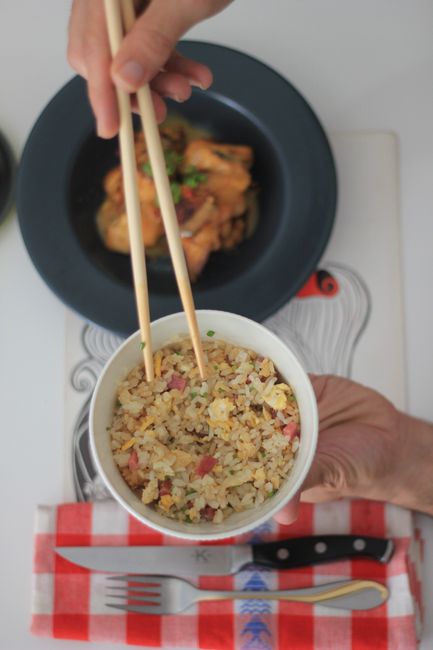
Authentic Take-Out Style Fried Rice: Your Ultimate Guide to Achieving Restaurant-Quality Results at Home
The allure of take-out fried rice lies in its irresistible combination of savory flavors, perfectly cooked grains, and satisfying textures. Achieving this restaurant-quality experience in your own kitchen might seem daunting, but with a deep dive into the fundamental principles and precise techniques, it becomes an entirely attainable culinary feat. The secret to truly authentic take-out fried rice isn’t a single magic ingredient, but rather a synergy of carefully selected components and a methodical approach to cooking. Understanding the role of each element – from the rice itself to the searing heat of the wok – is paramount to replicating that beloved take-out taste and texture. This comprehensive guide will demystify the process, offering actionable insights and a robust framework for consistently delicious fried rice.
The cornerstone of exceptional fried rice is, unequivocally, the rice. For that signature take-out texture – individual grains, slightly firm, with a subtle chew – day-old, refrigerated cooked rice is non-negotiable. Freshly cooked rice contains too much moisture, resulting in a clumpy, mushy final product that deviates significantly from the desired outcome. The refrigeration process allows the rice to dry out, firming up the starches and making them resistant to sticking together during the high-heat stir-frying. The ideal rice variety is medium-grain or long-grain white rice. Jasmine or basmati rice are excellent choices, offering their own subtle aromatic qualities. When cooking the rice specifically for fried rice, aim for a slightly drier consistency than you might normally prefer. Use a touch less water than the package directions suggest, and consider rinsing the rice thoroughly before cooking to remove excess surface starch. Once cooked, spread the rice in a thin layer on a baking sheet and allow it to cool completely at room temperature before refrigerating. Overnight is ideal, but a minimum of six to eight hours will suffice. This drying process is the single most critical step in achieving the characteristic texture.
The high-heat cooking environment is another non-negotiable for authentic take-out fried rice. A traditional wok is the undisputed champion for this task, its sloped sides and excellent heat conductivity allowing for rapid, even cooking and the characteristic "wok hei" – a smoky, slightly charred aroma and flavor that is difficult to replicate without one. However, a large, heavy-bottomed skillet or sauté pan can be a workable substitute. Regardless of your vessel, preheating it to an extremely high temperature is essential. The pan should be smoking hot before you add any oil or ingredients. This intense heat sears the ingredients quickly, preventing them from steaming and ensuring they develop a desirable crispness and char. Oil plays a crucial role in both preventing sticking and facilitating heat transfer. A high smoke point oil like peanut oil, canola oil, or grapeseed oil is recommended. Avoid olive oil or butter, as their lower smoke points will lead to burning and an off-flavor. Add a generous amount of oil to the preheated wok or skillet – enough to coat the bottom generously.
The art of layering flavors and textures is what truly elevates take-out fried rice. While the base is simple – rice, oil, and heat – the additions transform it. Traditional Chinese-American fried rice often features a medley of protein, vegetables, and aromatics. For protein, small, bite-sized pieces of cooked chicken, pork, shrimp, or beef are common. Ensure these are cooked through before adding them to the wok, as the high heat is meant to sear and warm, not cook raw protein. Eggs are another staple, scrambled and added towards the end of the cooking process. This provides pockets of soft, custardy texture that complement the rice. The vegetables should be uniformly cut into small, manageable pieces to ensure they cook quickly and evenly. Popular choices include diced carrots, peas, corn, chopped onions, and scallions. For the aromatics, minced garlic and ginger are fundamental. They are typically added early in the stir-frying process, before the rice, to infuse the oil with their pungent, fragrant notes. The key is to have all your ingredients prepped and within easy reach before you begin cooking, as the stir-frying process is rapid and demands constant attention. This is known as "mise en place," and it’s absolutely critical for successful stir-frying.
The flavor profile of take-out fried rice is characterized by its savory, umami-rich taste, primarily derived from soy sauce, and a subtle sweetness. The quintessential seasoning blend typically includes light soy sauce for saltiness and color, and often a touch of dark soy sauce for an added depth of flavor and richer hue. Oyster sauce is another common ingredient, contributing a significant umami boost and a slightly sweet, complex flavor. Some recipes also incorporate a splash of Shaoxing wine (Chinese cooking wine), which adds a unique aromatic depth and helps to tenderize proteins. For a touch of sweetness to balance the savory elements, a pinch of sugar is often used. The precise balance of these condiments is what defines the take-out flavor. Experimentation is key to finding your preferred ratio, but a good starting point is a combination of light soy sauce, a little oyster sauce, and a pinch of sugar. Seasoning should be added in stages during the cooking process to allow the flavors to meld and develop.
The cooking process itself is a dynamic dance of heat and movement. Begin by heating your wok or skillet over high heat until it’s smoking. Add your oil and swirl to coat. If using aromatics like garlic and ginger, add them first and stir-fry for about 30 seconds until fragrant, being careful not to burn them. Next, add your protein (if using raw, cook it through first) and vegetables. Stir-fry briskly, tossing the ingredients to ensure even cooking. Once the vegetables are tender-crisp – retaining a slight bite – push them to the sides of the wok or remove them temporarily. Add a little more oil if needed and then introduce your cooked, day-old rice. Break up any clumps with your spatula and stir-fry, allowing the rice to heat through and begin to lightly toast. This is where the magic happens, as the individual grains start to develop their characteristic slightly crisp exterior.
Now comes the crucial stage of incorporating the seasonings and finishing touches. If you removed your vegetables and protein, return them to the wok. Pour your prepared soy sauce mixture (soy sauce, oyster sauce, sugar, and Shaoxing wine, if using) evenly over the rice. Continue to stir-fry vigorously, ensuring the sauce is evenly distributed and coats every grain of rice. The high heat will cause the sauce to caramelize slightly, further enhancing the flavor and color. At this point, if you are adding scrambled eggs, push the rice and other ingredients to one side of the wok, add a little more oil to the cleared space, and pour in your beaten eggs. Scramble them quickly until just set, then incorporate them into the rice mixture. Finally, add your chopped scallions (the green parts) and stir-fry for another 30 seconds to a minute, just until they wilt and release their fresh aroma. The goal is to have distinct, individual grains of rice, tender-crisp vegetables, and a perfectly seasoned, savory flavor.
Serving authentic take-out style fried rice is best done immediately, as the texture and heat are at their peak. The visual appeal is also part of the experience – a vibrant medley of colors from the vegetables, punctuated by the golden hue of the rice. While the basic recipe can be endlessly customized, understanding these fundamental principles will allow you to consistently produce fried rice that rivals your favorite Chinese restaurant. Beyond the core ingredients, consider adding variations. Shrimp fried rice, for instance, involves adding raw shrimp to the wok after the aromatics and cooking until pink and opaque before proceeding with the rice. Pork fried rice can utilize diced char siu (Chinese barbecue pork) for an extra layer of flavor. Beef fried rice benefits from thinly sliced flank steak marinated in soy sauce, sesame oil, and cornstarch before stir-frying. Vegetarian fried rice can incorporate a variety of colorful vegetables like broccoli florets, snow peas, bell peppers, and firm tofu, cubed and pan-fried until golden. The key to any successful variation lies in maintaining the high heat, the proper preparation of ingredients, and the day-old rice.
For those seeking to replicate specific take-out flavors, pay attention to the brands of soy sauce and oyster sauce you use. Different brands have subtle variations in saltiness and sweetness. Experimenting with a mix of light and dark soy sauce can significantly alter the color and depth of flavor. Some popular take-out establishments might also add a dash of sesame oil at the very end of the cooking process, just before serving, to impart a final burst of nutty aroma. Be mindful not to overcook the rice once the sauce is added; the goal is to coat and lightly caramelize, not to make it mushy. The rapid nature of stir-frying means that a well-organized workspace with all ingredients prepped and ready is not a luxury, but a necessity. A cold wok or skillet will lead to steaming and sticking, so ensure your cooking vessel is adequately preheated. The sound of ingredients sizzling upon contact with the hot pan is a good indicator of correct temperature.
Mastering take-out style fried rice is a journey of understanding heat, texture, and flavor. By prioritizing day-old rice, utilizing high heat and proper equipment, meticulously preparing your ingredients, and understanding the balance of seasonings, you can consistently achieve restaurant-quality results. This is a dish that rewards practice and attention to detail, offering a delicious and satisfying meal that can be enjoyed time and time again. The ability to customize and adapt the core recipe to your personal preferences makes it an incredibly versatile and rewarding culinary endeavor. From the simple elegance of a plain fried rice to the complex flavors of a shrimp and vegetable medley, the principles remain the same, ensuring a delightful take-out experience in the comfort of your own home. The distinct aroma of garlic and ginger hitting a screaming hot wok, the satisfying clatter of the spatula against the rice, and the final, vibrant presentation all contribute to the joy of creating this beloved dish. It’s a process that engages multiple senses and delivers a delicious, universally loved outcome.


