The Best Spots for Roast Chicken in New York City and What to Drink With Them

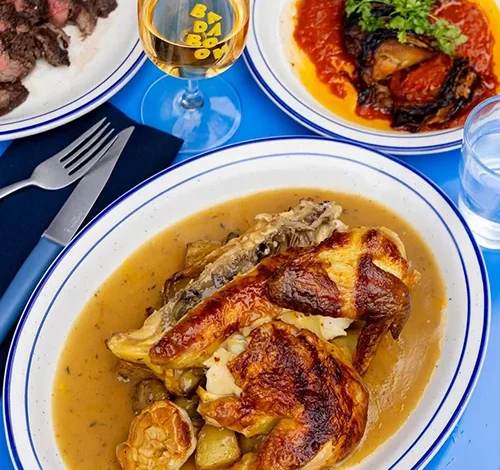
The recent discourse surrounding the cost of dining in New York City reached a fever pitch following a social media post by a Brooklyn councilman regarding a $40 half-chicken at a local establishment. This incident ignited a city-wide debate concerning the intersection of restaurant economics, the rising cost of labor, and the "affordability crisis" facing both consumers and operators. While the price point shocked some, industry experts point to the escalating overhead of running a culinary program in 2024, citing everything from premium ingredient sourcing to the high cost of commercial real estate. Despite the controversy, roast chicken remains a cornerstone of the New York dining experience. It is a dish that serves as a culinary litmus test for chefs—a blank canvas that demands technical precision while offering a platform for global flavors.
Beyond the simple rotisserie, the city’s top-tier establishments have elevated the bird into a centerpiece for sophisticated, sit-down meals. These experiences are defined not just by the quality of the poultry, but by the beverage programs designed to complement the savory, often rich profiles of the meat. From natural wines in Bed-Stuy to schmaltz-infused martinis in Carroll Gardens, the following guide explores the premier destinations for roast chicken in New York City and the specific libations required to maximize the gastronomic experience.
The Economics of the $40 Chicken: Context and Controversy
In May 2024, Brooklyn Councilman Justin Brannan posted a photo of a menu featuring a $40 half-chicken, sparking a viral conversation about "sticker shock" in the New York restaurant scene. The establishment in question, Gigi’s in Greenpoint, became the focal point of a larger discussion regarding the viability of independent restaurants.
To understand the pricing, one must look at the supply chain. High-end New York restaurants typically source pasture-raised, organic birds from regional farms in Pennsylvania or upstate New York, which can cost three to four times more than industrial poultry. When factoring in a three-day preparation process—often involving brining, air-drying for skin crispness, and labor-intensive roasting—alongside New York’s minimum wage requirements and skyrocketing utility costs, the "simple" chicken dish becomes a complex financial equation. Analysts suggest that the profit margins on a $40 chicken are often thinner than those on pasta or cocktail programs, which frequently subsidize the kitchen’s more expensive protein offerings.
Badaboom: A Focus on Natural Viticulture in Bed-Stuy
Located in the heart of Bedford-Stuyvesant, Badaboom represents a sophisticated collaboration between Charles Gerbier of Frog Wine Bar and Henry Glucroft of Henry’s Wine & Spirits. The restaurant operates with a French bistro sensibility, offering a streamlined menu where the roast chicken is the undisputed star.
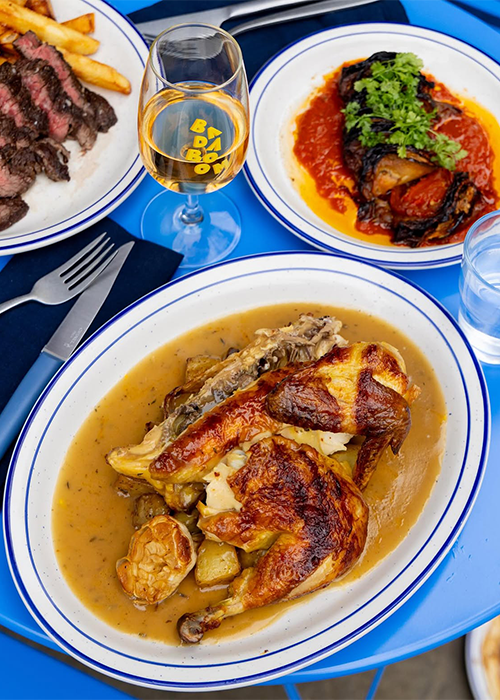
The beverage program at Badaboom is strictly focused on natural wines, emphasizing low-intervention bottles that provide a bright acidity to cut through the richness of the chicken’s skin. Because the menu allows for various sauces and sides, the pairing process is modular. A glass of light-bodied, chilled Gamay or a skin-contact "orange" wine is frequently recommended to complement the herb-forward seasoning of the bird. This approach reflects a broader trend in Brooklyn dining where the beverage list carries as much weight as the food menu, creating a symbiotic relationship between the cellar and the kitchen.
Barbuto: The Legacy of Jonathan Waxman
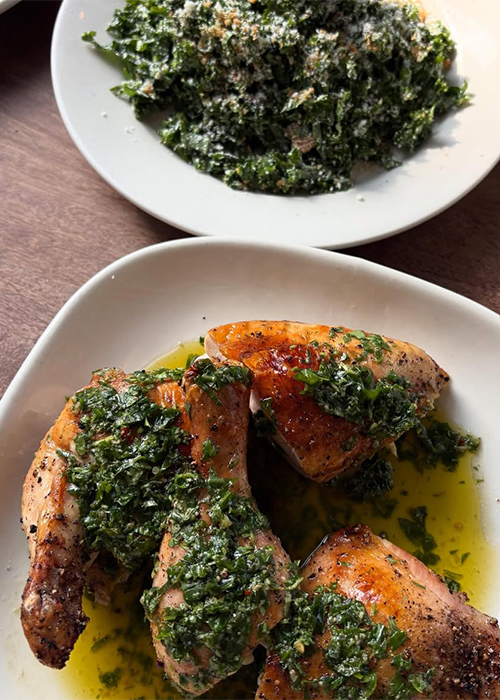
Jonathan Waxman is often credited with perfecting the California-Italian roast chicken at Barbuto. Originally located in the West Village and now expanded to Brooklyn Heights, Barbuto’s pollo al forno with salsa verde is considered a mandatory New York City meal.
The culinary philosophy here relies on high-heat roasting and a vibrant, acid-heavy salsa verde. To match this intensity, the beverage strategy begins with high-acid cocktails. The JW Margarita is a perennial favorite, providing a citrus-driven palate cleanser. For those preferring wine, the restaurant’s selection of crisp Italian whites—such as Vermentino or Gavi—is designed to stand up to the garlic and herb profiles of the chicken without overwhelming the delicate meat. The enduring popularity of Barbuto’s chicken, even as the restaurant moved and evolved, underscores the dish’s status as a reliable anchor in a volatile industry.
Chez Fifi: Upper East Side Opulence
In contrast to the rustic preparations found in Brooklyn, Chez Fifi on the Upper East Side offers a "love letter to Paris and San Sebastian." Housed in a swanky townhouse, the restaurant serves a chicken brushed with duck fat and garnished with foie gras, representing the pinnacle of poultry decadence.
For a dish of this caloric and flavor density, the pairing must provide a sharp counterpoint. The house specialty is a variety of Martinis. While the blue cheese iteration offers a funky, savory depth, the cucumber version—enhanced with tomatillo and lime—is the preferred choice for those seeking to refresh their palate between bites of duck-fat-laden fries and foie gras. This pairing highlights the trend of "maximalist" dining, where luxury ingredients are layered to create a high-impact sensory experience.
Cleo and the Rise of Homey-Elevated Cuisine
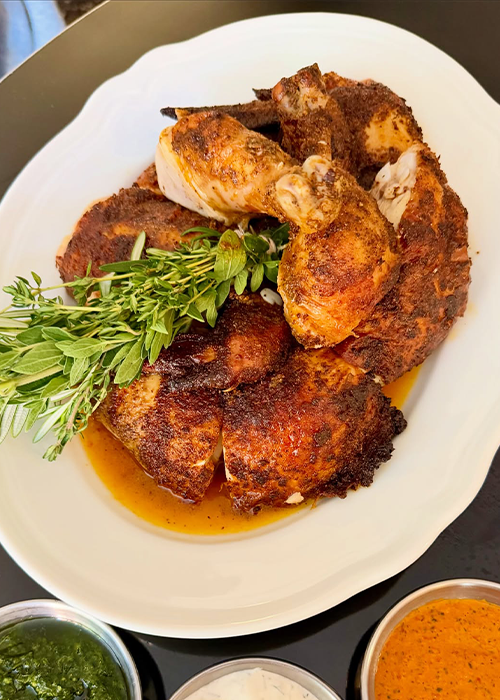
Cleo, situated in the West Village, exemplifies the "homey but elevated" trend. The kitchen utilizes a 7-spice mix for its chicken and garnishes crispy chicken skin with caviar, bridging the gap between comfort food and fine dining.
The beverage recommendation here leans toward the "chilled red" movement. Light-bodied reds like Trousseau or Frappato, when served at a lower temperature, offer the fruit-forward profile needed to complement the spices without the heavy tannins that might clash with the caviar or the poultry’s lean breast meat. This reflects a shift in consumer behavior where diners are moving away from heavy, oaky reds in favor of more versatile, high-vibrancy wines.
Gigi’s: Navigating the Value Proposition
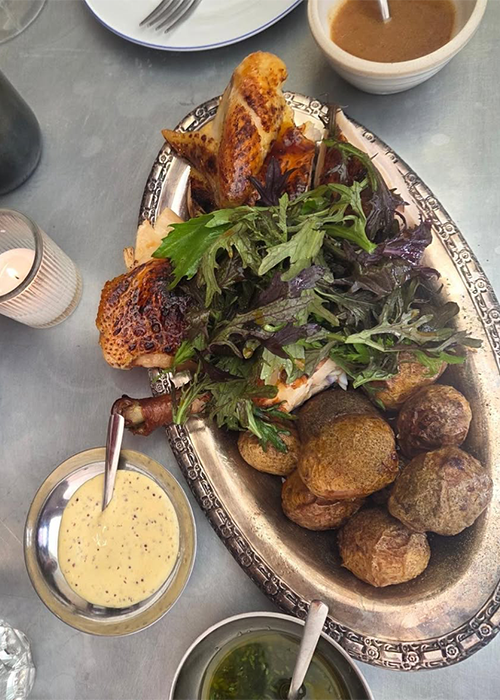
Returning to the site of the viral debate, Gigi’s in Greenpoint offers a $40 half-chicken accompanied by potatoes and a trio of sauces. While the price of the bird is high, the restaurant offsets this with a wine list featuring over 300 bottles priced under $100.
This pricing strategy is an intentional move by the Fulgurances team to encourage wine exploration. The "rooster-shaped decanter" has become a signature of the service, adding a whimsical element to a serious gastronomic program. For those dining by the glass, the restaurant utilizes a mirror-written menu that often features magnum pours, which stay fresher longer and offer a more nuanced flavor profile. The implication here is that while the entree carries a premium, the overall "value" of the evening is balanced by accessible viticulture.
Johnny’s: The Chifa Tradition in Williamsburg
Johnny’s brings a unique cultural perspective to the list, rooted in Chifa—the fusion of Chinese and Peruvian cuisines. The rotisserie chicken here is influenced by traditional Peruvian spices and techniques, resulting in a deeply savory and aromatic profile.
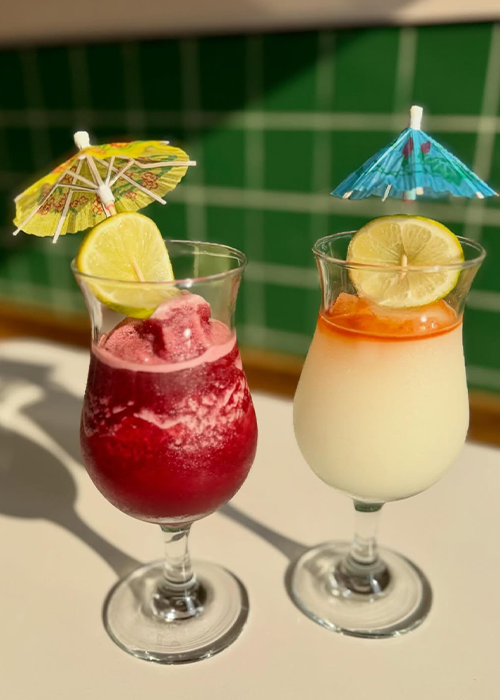
To balance the heat and spice of the Chifa preparation, Johnny’s leans into frozen cocktails. The Yuzu Pisco Sour and the rum-spiked Chicha Morada are designed to provide a cooling sensation. By swirling the two, diners create a "new-school Miami Vice" that serves as a vibrant companion to the smoke and salt of the rotisserie. This pairing demonstrates how international flavors are redefining the "standard" roast chicken meal in the city.
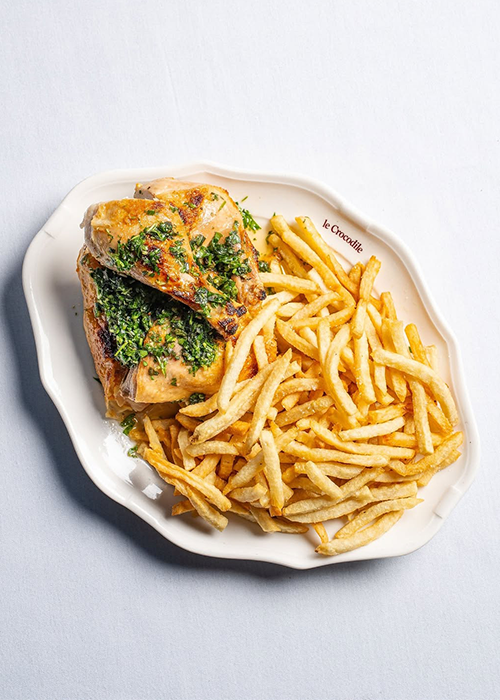
Le Crocodile: The All-Day Brasserie Model
Located in the Wythe Hotel, Le Crocodile has solidified Williamsburg’s reputation as a world-class dining destination. Their roast chicken is served in a classic French style with herb jus and frites.
The beverage of choice here is the Spritz au Crocodile. Utilizing Aperol, Italian bitters, dry vermouth, and Prosecco, the drink provides a complex bitterness and effervescence. The carbonation in the Spritz is particularly effective at scrubbing the palate of the oils from the frites and the savory jus, making each bite of chicken feel as impactful as the first.
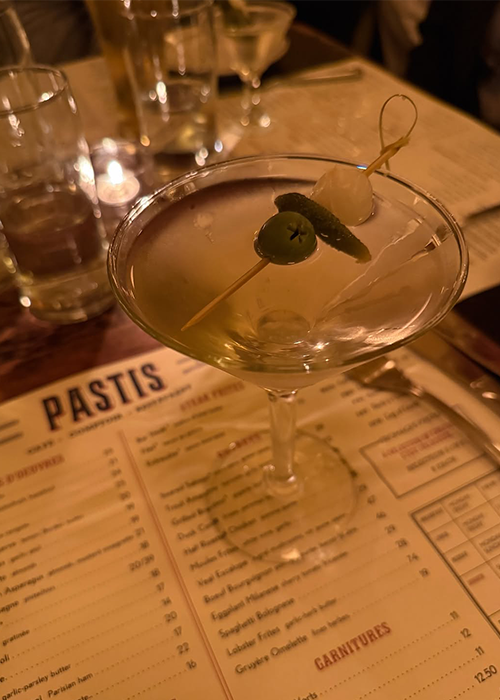
Pastis and the Meatpacking Revival
Keith McNally’s Pastis remains a juggernaut of the French bistro scene. Unlike many of its competitors who favor frites, Pastis serves its roast chicken with a creamy pomme purée.
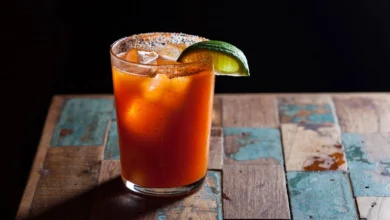
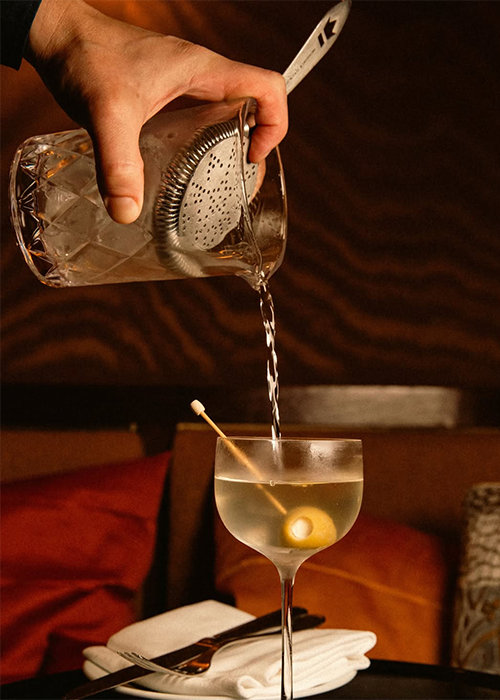
The richness of the purée demands a drink with significant "cut." The Le Petite Pickle, a Dirty Martini riff featuring house-made brine, provides the necessary salt and acid. The logic is simple: if brining a chicken in pickle juice enhances its flavor, pairing the finished dish with a pickle-brine cocktail creates a cohesive flavor loop that emphasizes the savory qualities of the poultry.
Pinch Chinese: Technical Precision in SoHo
At Pinch Chinese, the "Wind Sand Chicken" involves a three-day marination process and a 45-minute roasting time. This level of technical commitment is rare for a chicken dish and necessitates a beverage program that can match its complexity.
The restaurant is notable for its internationally recognized wine list, which specifically highlights female winemakers. The pairing suggestion involves starting with a savory Scallion Pancake Martini—utilizing ramp-scallion gin—before moving into a high-acid Riesling or Chenin Blanc. These varietals are particularly adept at navigating the aromatic spices used in the Wind Sand preparation.
Sailor: April Bloomfield’s Return
Sailor, a Fort Greene tavern from April Hamilton (Bloomfield) and Gabriel Stulman, has received critical acclaim since its 2023 debut. Hamilton, who has long cited roast chicken as her favorite food, delivers a version that is frequently lauded as one of the city’s best, though the parmesan-crusted potatoes often rival the bird for attention.
The drink program favors British-inflected classics. A Pimm’s Cup or a Sailor Dirty Vodka Martini provides a clean, sharp edge to the salty, umami-rich parmesan crust. The success of Sailor indicates a renewed interest in "chef-driven taverns" where the menu is concise but executed with obsessive attention to detail.
The Fly and Trudie’s: The New Guard of Neighborhood Spots
The Fly in Bed-Stuy and Trudie’s in Carroll Gardens represent the evolution of the neighborhood bar-restaurant. The Fly offers a minimalist menu where the rotisserie chicken is the primary focus, paired with sherry on tap. The fortified wine provides a nutty, dry finish that complements the charred skin of the bird.
Trudie’s, the newest addition to the scene, offers a "Tini" featuring schmaltz (rendered chicken fat). This "nose-to-tail" approach to mixology ensures that nothing is wasted and that the beverage program is fundamentally linked to the kitchen’s output. The Dirty Gertie, featuring aquavit and dill pickle brine, offers a Scandinavian twist that reflects the diverse influences currently shaping Brooklyn’s culinary identity.
Analysis of Implications
The "chicken debate" of 2024 is more than a dispute over a menu price; it is a reflection of the changing landscape of urban dining. As costs continue to rise, the "affordable" roast chicken is becoming a luxury item, forcing restaurants to differentiate themselves through superior sourcing, technical skill, and innovative beverage pairings.
The trend toward specific, thoughtful pairings—whether it be natural wine, fortified sherry, or savory martinis—suggests that the New York diner is increasingly looking for a curated experience. In a city where a half-chicken can cost $40, the value is no longer found in the volume of food, but in the expertise of the preparation and the synergy of the meal as a whole. As the industry moves forward, the success of these establishments will likely depend on their ability to justify these price points through transparency in sourcing and excellence in execution.