Busch Light Apple Returns to Retail Shelves as Anheuser-Busch InBev Explores New Flavors Including Pickle and Citrus Varieties

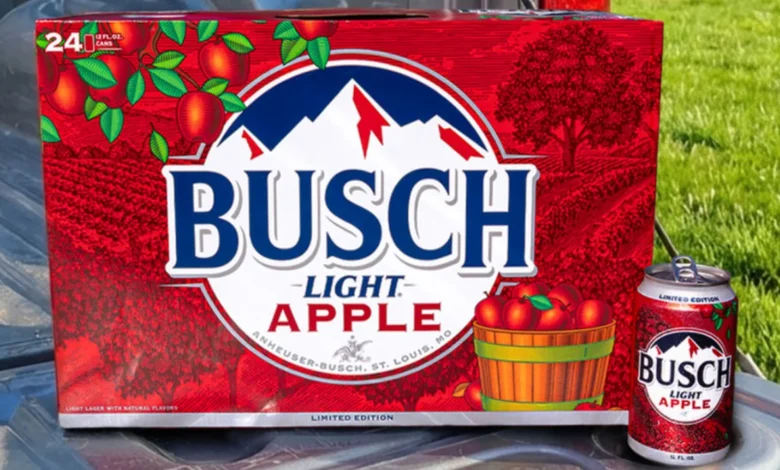
Anheuser-Busch InBev (ABI) has officially confirmed the return of Busch Light Apple, a seasonal favorite that has garnered a cult-like following since its initial debut. Known colloquially among enthusiasts as “Bapple,” the apple-flavored lager is set to reappear on retail shelves across the United States this month. This revival comes after a two-year hiatus that left many consumers petitioning for its return, signaling a strategic move by the St. Louis-based brewing giant to capitalize on brand loyalty and the growing consumer appetite for flavored malt beverages. The announcement, made on Monday, specifies that the product will be available for a limited time and in restricted quantities, adhering to the brand’s successful strategy of creating "must-have" seasonal windows.
The return of Busch Light Apple is not the only development stirring interest in the brand’s portfolio. According to recent filings with the Alcohol and Tobacco Tax and Trade Bureau (TTB), specifically within the Certification/Exemption of Label/Bottle Approval (COLA) registry, Anheuser-Busch has secured label approvals for several new experimental flavors. Most notably, a label for “Busch Light Pickle” was approved on April 6, categorized as a malt-flavored beverage. This potential addition has sparked significant discussion within the industry, as it suggests a push into the savory and "brine-forward" flavor profiles that have seen success in the craft beer and artisanal spirits sectors. Furthermore, the registry indicates that the company has also secured labels for Busch Light Orange and Busch Light Lemon, hinting at a broader diversification of the Busch Light line to compete with both traditional light lagers and the burgeoning ready-to-drink (RTD) cocktail market.
The Evolution of the Bapple Phenomenon
The history of Busch Light Apple is a testament to modern beverage marketing and the power of social media engagement. First launched in 2020, the product was introduced during a period of significant transition in the American beer market. At the time, consumers were increasingly moving away from standard light beers in favor of hard seltzers and flavored alternatives. To cut through the noise, Anheuser-Busch employed an unconventional marketing campaign for the 2020 launch, which included a "keynote-style" presentation parodying tech industry product reveals. The campaign culminated in a high-profile stunt involving a helicopter airdropping cases of the beer into a remote forest location, emphasizing the brand’s "Great Outdoors" identity.
Despite its initial success and a strong second year, Anheuser-Busch made the decision to discontinue Busch Light Apple in 2022. The company’s rationale at the time was focused on streamlining its portfolio and focusing on core offerings. However, the discontinuation triggered an unexpected wave of consumer backlash. Social media platforms were flooded with "Bapple" eulogies, and fans reportedly began hoarding remaining cases, with some appearing on secondary markets at inflated prices. The "Bapple" portmanteau itself became a symbol of the brand’s grassroots popularity, evolving from a marketing term into a genuine piece of consumer drinking lexicon.
The 2024 re-release is a direct response to this sustained consumer demand. By framing the return as a limited-edition event, ABI is utilizing a scarcity model that has proven effective for other major consumer packaged goods (CPG) brands. This approach not only drives immediate sales spikes but also reinforces the brand’s relevance in a crowded marketplace where "limited-time offers" (LTOs) are a primary driver of foot traffic in both grocery and convenience channels.
Analyzing Market Performance and Consumer Trends
The decision to bring back a flavored favorite comes at a time when the Busch brand is experiencing a notable upswing in its financial performance. According to data provided by Circana, a leading market research firm, Busch has demonstrated resilient growth through the first quarter of 2024. For the period ending March 22, the brand’s dollar sales saw a 5.1 percent increase in food stores. Even more impressive was its performance in the convenience store sector, where sales rose by 8.6 percent compared to the same period in the previous year.
This growth is particularly significant given the broader challenges facing the domestic beer industry, including rising production costs and shifting demographic preferences. The convenience store data is a key indicator of the brand’s health, as this channel typically serves the "immediate consumption" shopper and is a primary battleground for light lager brands. The uptick in sales suggests that Busch Light’s value proposition—positioning itself as an affordable, high-quality option for outdoor enthusiasts and rural demographics—is resonating strongly in the current economic climate.
The integration of flavors like apple, and potentially pickle or citrus, serves to broaden this appeal. Industry analysts note that flavored line extensions allow traditional beer brands to attract "flavor-seeking" consumers who might otherwise opt for hard seltzers, ciders, or canned cocktails. By keeping these flavors under the "Busch Light" sub-brand, ABI maintains the low-calorie, sessionable image of the parent brand while providing the variety that younger legal-drinking-age consumers increasingly demand.
The Strategic Potential of Busch Light Pickle
While the return of the apple variant is a confirmed retail event, the emergence of the "Busch Light Pickle" label in TTB filings represents a fascinating strategic pivot. The "pickle" flavor profile has transitioned from a niche culinary trend to a mainstream beverage phenomenon. From pickle-flavored vodka to the "pickleback" shot, the salty, tangy profile has a proven track record in American bars. In the craft beer world, "pickle goses" and lagers have become summer staples for many regional breweries.
For a major national brand like Busch Light to enter this space indicates a high level of confidence in the "savory" beverage trend. A pickle-flavored light lager would likely target the same demographic that enjoys the brand’s connection to fishing, hunting, and tailgating—activities where salty snacks and cold beer are traditionally paired. If launched, Busch Light Pickle would represent one of the boldest flavor experiments by a major American macro-brewery to date, potentially opening the door for more culinary-inspired beer varieties.
The additional labels for Orange and Lemon suggest a more traditional approach to flavor expansion. Citrus-flavored light beers have a long history of success, particularly during the summer months. Brands like Leinenkugel’s and Bud Light have successfully navigated the "shandy" and "citrus-infused" categories for years. By adding these to the Busch Light lineup, ABI is likely looking to shore up its defenses against competitors who have found success with "refreshment-forward" profiles.
Official Reactions and Social Media Impact
The official announcement of the "Bapple" return has triggered a massive response across digital platforms. On X (formerly Twitter), the brand’s simple declaration—"BUSCH LIGHT APPLE IS BACK"—garnered thousands of engagements within hours. The sentiment among the "Busch loyalists" is overwhelmingly positive, with many users expressing a sense of personal victory in the product’s return. Comments such as “WE ARE SO BACK” and “This is the best day of my life” reflect a level of brand intimacy that is rare for value-tier beer products.
This digital fervor is a critical component of ABI’s modern distribution strategy. In the current retail environment, social media buzz acts as a precursor to physical inventory movement. Retailers, particularly large-scale grocery chains, monitor these trends to determine shelf space allocation. The "Bapple" hype ensures that when the product hits the shelves this month, it will likely see rapid turnover, reducing the risk associated with seasonal inventory.
Broader Implications for the Brewing Industry
The trajectory of Busch Light Apple and the potential introduction of new flavors reflect a broader shift in the global brewing industry. Large-scale brewers are no longer relying solely on their flagship pilsners to drive growth. Instead, they are becoming increasingly agile, using data-driven insights and TTB filings as a laboratory for consumer interest.
The "malt-flavored beverage" classification used for these new labels is also noteworthy. It allows the products to be sold in many jurisdictions where spirit-based RTDs might face stricter regulations or higher taxes. This gives ABI a competitive edge in terms of distribution and pricing, allowing them to offer flavored variety at a price point consistent with the "value" beer category.
As the summer season approaches, the return of Busch Light Apple serves as a cornerstone of ABI’s seasonal strategy. Whether the Pickle, Orange, and Lemon varieties make it to full-scale production remains to be seen, but their presence in the regulatory pipeline confirms that the brand is committed to innovation. For the "Bapple" buffs, however, the immediate focus is clear: securing a supply of the apple-flavored lager before the limited quantities vanish from the shelves once again. This cycle of discontinuation and revival may well become a permanent fixture of the Busch Light brand identity, turning seasonal releases into major cultural moments for its dedicated consumer base.