Can Wine RTDs Build a Bridge from Cans to Bottles for the Next Generation of Drinkers

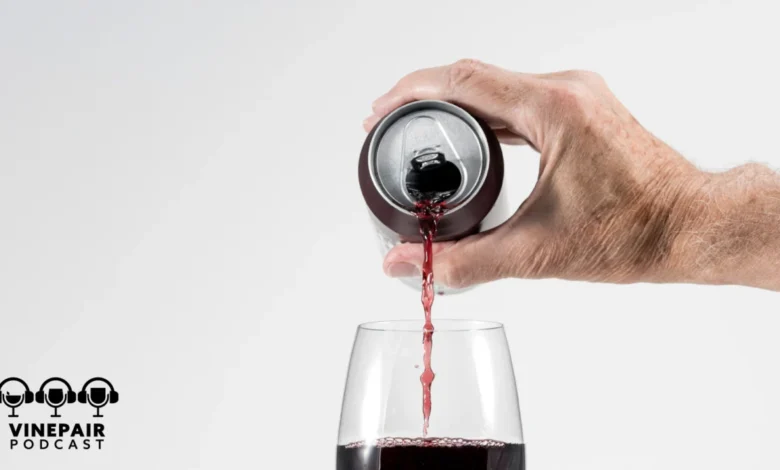
The global wine industry is currently navigating one of its most turbulent periods in modern history, facing a dual challenge of shifting consumer preferences and economic instability within traditional viticulture hubs. In response to these headwinds, Trinchero Family Estates, in partnership with acclaimed winemaker Joel Gott, recently announced the launch of "Sauvy B," a wine-based ready-to-drink (RTD) spritzer enhanced with electrolytes. This product launch has sparked a significant debate among industry analysts and beverage experts regarding the strategic utility of wine-based RTDs. The central question facing the sector is whether these accessible, canned beverages can serve as a "bridge," successfully transitioning younger consumers from the convenience-oriented RTD category into the world of traditional bottled wine, or if they represent a permanent shift away from conventional wine consumption.
The Launch of Sauvy B and the Rise of Functional Wine Beverages
The introduction of Sauvy B marks a calculated move by Trinchero Family Estates to capture a segment of the market that prioritizes both convenience and the "better-for-you" trend. Developed alongside Joel Gott, a winemaker known for his ability to scale quality across diverse price points, Sauvy B is explicitly marketed as a Sauvignon Blanc-based spritzer. By incorporating electrolytes—a hallmark of sports drinks and functional beverages—the brand is leaning into the "wellness" drinking movement that has gained massive traction among Millennial and Gen Z demographics.
The product features a lower alcohol-by-volume (ABV) than traditional wine, aligning with the "moderation" trend where consumers seek the social experience of drinking without the heavy intoxication or high caloric intake associated with standard pours. By utilizing the colloquialism "Sauvy B" for its branding, Trinchero is attempting to demystify wine, stripping away the perceived pretension of traditional labeling in favor of a nomenclature that already exists in the social lexicon of younger drinkers.
Chronology of the RTD Evolution
To understand the significance of Sauvy B, it is necessary to examine the timeline of the RTD market’s ascent. Over the last decade, the category has evolved through three distinct phases:
- The Hard Seltzer Boom (2016–2020): Driven by brands like White Claw and Truly, this era introduced the concept of low-calorie, portable, and gender-neutral alcoholic beverages. Wine consumption began to feel the first tremors of competition from these malt-based alternatives.
- The Premiumization of Canned Cocktails (2020–2022): During the global pandemic, consumers sought bar-quality experiences at home. This led to the rise of spirits-based RTDs (e.g., High Noon, Cutwater Spirits), which utilized real vodka, tequila, and gin.
- The Functional and Hybrid Era (2023–Present): The current market is defined by "hybrids"—drinks that cross category lines. This includes hard teas, spiked kombuchas, and now, wine spritzers with functional additives like electrolytes.
The wine industry initially remained aloof during the seltzer boom, but as spirits-based RTDs began to erode wine’s market share in casual settings—such as beaches, pools, and festivals—major wine houses realized they could no longer rely solely on 750ml glass bottles to maintain relevance.
The Economic Context: A Crisis in the Vineyards
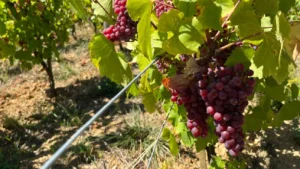
The push toward RTDs is not merely a marketing whim; it is a response to a dire economic reality. Recent industry data highlights a sobering trend: approximately half of all vineyards in Napa Valley, arguably America’s most prestigious wine region, reported financial losses last year. This downturn is attributed to a combination of oversupply, rising labor and glass costs, and a cooling of the "premiumization" trend that had previously sustained high bottle prices.
While luxury wine sales have stagnated, the RTD category has seen double-digit growth. According to market research from IWSR Drinks Market Analysis, the RTD category is expected to grow by 12% in volume between 2022 and 2027 in key markets. For a company like Trinchero, which manages a vast portfolio of brands, diversifying into RTDs like Sauvy B is a hedge against the volatility of the traditional wine market.
The "Bridge" Theory: Can Cans Lead to Bottles?
The most contentious point of discussion among industry experts, including those at VinePair, is the viability of the "bridge" theory. Proponents of this theory argue that by introducing younger drinkers to the flavor profiles of specific varietals—like the zesty, citrus-forward notes of Sauvignon Blanc—in a low-pressure, canned format, the industry can build brand and varietal familiarity.
The logic follows that a consumer who enjoys a Sauvy B spritzer at a music festival might be more inclined to recognize "Sauvignon Blanc" on a restaurant wine list or in the grocery store aisle. It acts as a gateway, providing a recognizable "flavor anchor" in an otherwise intimidating category.
However, skeptics argue that the RTD consumer and the wine consumer are motivated by fundamentally different values. The RTD consumer prioritizes:
- Portability: The ability to drink anywhere without a corkscrew or glassware.
- Consistency: A predictable flavor profile that does not change with vintage or terroir.
- Price Transparency: Low entry costs per unit.
Traditional wine, by contrast, often emphasizes complexity, aging potential, and the "story" of the land—attributes that are frequently lost in a carbonated, electrolyte-infused canned beverage. There is a risk that instead of a bridge, the industry is building a "destination" where consumers remain in the RTD category indefinitely, never feeling the need to graduate to the 750ml bottle.
Supporting Data and Consumer Demographics
The urgency of this strategic pivot is underscored by the changing demographics of alcohol consumption. Data from the Silicon Valley Bank State of the Wine Industry Report indicates that wine is the only major beverage alcohol category where the core consumer is getting older. The "over 60" demographic remains the most loyal, while the "under 40" demographic is increasingly diversifying their "share of throat" among craft beer, spirits, and RTDs.
Furthermore, the "wellness" factor cannot be overstated. A survey by Mintel found that 45% of Gen Z consumers are interested in alcoholic beverages that contain "functional ingredients" like vitamins or electrolytes. Sauvy B is positioned directly at the intersection of this demand. By linking the consumption of alcohol with the promise of hydration (via electrolytes), brands are attempting to mitigate the "guilt" or physical toll associated with drinking, a major barrier for health-conscious younger adults.
Reactions and Industry Implications
While official statements from Trinchero emphasize innovation and meeting consumer needs, the broader industry reaction is mixed. Some traditionalists view the addition of electrolytes to wine as a "bastardization" of the craft. They argue that it moves wine further away from being an agricultural product and closer to being a processed consumer packaged good (CPG).
On the other hand, retailers have welcomed the move. Canned wine RTDs take up less shelf space, have a faster turnover rate, and appeal to impulse buyers. For winemakers like Joel Gott, the move represents a pragmatic approach to survival. By creating a high-volume, high-margin product like Sauvy B, wineries can generate the cash flow necessary to sustain their more traditional, low-yield vineyard operations.
Strategic Analysis: The Future of the Wine-RTD Hybrid
As the industry watches the performance of Sauvy B, several implications emerge for the future of viticulture and beverage marketing:
- The Erosion of Terroir: As wine becomes an ingredient in a larger concoction, the importance of specific vineyard sites may diminish. This could lead to a shift in land value, where high-yield, mechanically harvested vineyards become more profitable than boutique, hand-tended plots.
- Branding Over Variety: The success of Sauvy B suggests that "lifestyle branding" is becoming more important than the specific region of origin. The consumer is buying the "Joel Gott" or "Sauvy B" experience, not necessarily a "Napa Valley Sauvignon Blanc."
- The Normalization of Additives: The inclusion of electrolytes may pave the way for other functional additives, such as CBD, caffeine, or botanical adaptogens, further blurring the lines between the wine, energy drink, and wellness industries.
Conclusion
The launch of Sauvy B by Trinchero Family Estates and Joel Gott is more than just a new product release; it is a litmus test for the wine industry’s ability to adapt to a changing world. Whether wine-based RTDs will successfully bridge the gap to traditional bottles remains to be seen. However, the move signals a necessary acknowledgment by industry leaders that the traditional model of wine consumption is under threat.
To survive, the wine industry must find ways to meet younger consumers where they are—which, currently, is in the convenience and wellness-focused RTD aisle. If Sauvy B can successfully translate the essence of Sauvignon Blanc into a format that fits the modern lifestyle, it may not only save individual wineries from financial ruin but also secure a future for wine in the glasses (or cans) of the next generation. The bridge is being built; the only question is whether consumers will choose to cross it or simply enjoy the view from the starting point.