Wine Folly Launches Comprehensive Digital Curriculum Exploring the Viticultural Evolution and Sensory Profiles of Napa Valley

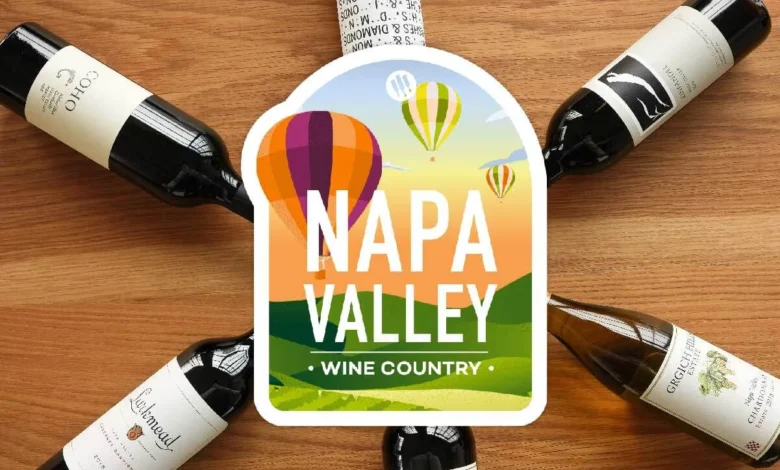
The global wine education sector has witnessed a significant shift toward experiential learning with the official release of Learn By Drinking: Napa Valley, a specialized digital course designed by the award-winning wine education platform Wine Folly. This initiative aims to bridge the gap between theoretical viticultural knowledge and practical sensory application by focusing on one of the world’s most prestigious wine-growing regions. As the wine industry continues to adapt to digital-first consumer behaviors, this course represents a strategic move to provide accessible, high-level sommelier training to a global audience. Led by Madeline Puckette, a James Beard Award-winning author and International Wine and Spirit Competition (IWSC) Wine Communicator of the Year, the program offers a deep dive into the history, geography, and chemical composition of Napa Valley’s most iconic varietals.
The Evolution of Modern Wine Pedagogy
For decades, wine education was largely confined to academic textbooks and formal classroom settings, often perceived as inaccessible to the general public. However, the rise of digital platforms has democratized this knowledge. The "Learn By Drinking" methodology posits that the most effective way to understand complex viticultural concepts—such as soil pH, phenolic ripeness, and diurnal temperature shifts—is through direct sensory engagement. By pairing instructional video content with specific regional wines, the course seeks to create a mnemonic link between the palate and the technical aspects of winemaking.
Napa Valley serves as the ideal case study for this educational model. Located in Northern California, the region is characterized by a rare Mediterranean climate, which accounts for only 2% of the Earth’s surface. This unique environment, combined with a diverse range of volcanic and alluvial soils, has allowed Napa to produce wines that rival the traditional powerhouses of Europe. The course is structured to guide participants through these nuances, utilizing approximately two hours of high-definition instructional video to break down the complexities of the region.
Historical Context: From Frontier Farming to Global Preeminence
To understand the current significance of Napa Valley, one must examine its historical trajectory. While indigenous peoples had inhabited the valley for millennia, the first commercial vineyards were established in the mid-19th century by figures such as George C. Yount and Charles Krug. By the late 1800s, the region was gaining momentum, only to be decimated by the dual crises of the phylloxera infestation and the onset of Prohibition in 1920.
The modern era of Napa Valley began in the 1960s and 70s, a period often referred to as the "Napa Renaissance." The turning point occurred in 1976 during the "Judgment of Paris," a blind tasting event where Napa Valley Cabernet Sauvignon and Chardonnay outperformed top-tier French Bordeaux and Burgundy wines. This event shattered the myth of European invincibility and established Napa as a premier global wine destination. The Wine Folly curriculum integrates this historical narrative, explaining how these past events shaped the current regulatory landscape and the establishment of American Viticultural Areas (AVAs).

Technical Overview of the Napa Valley Terroir
A central component of the course is the exploration of terroir—the environmental factors that affect a crop’s phenotype. Napa Valley is a geologically complex corridor, approximately 30 miles long and five miles wide at its broadest point. It is flanked by the Mayacamas Mountains to the west and the Vaca Mountains to the east.
Participants in the course learn how the San Pablo Bay acts as a natural cooling mechanism. The "fog line" is a critical concept in Napa viticulture; areas below the fog line experience cooler temperatures and higher acidity in grapes, while vineyards at higher elevations above the fog line receive more direct sunlight, leading to thicker skins and more robust tannins in red varietals. The curriculum details the 16 distinct sub-AVAs within Napa, such as Rutherford, Oakville, and Howell Mountain, each of which possesses a unique soil profile—ranging from the "Rutherford Dust" to the volcanic rock of the mountain districts.
Analytical Tasting: The Six Core Varietals
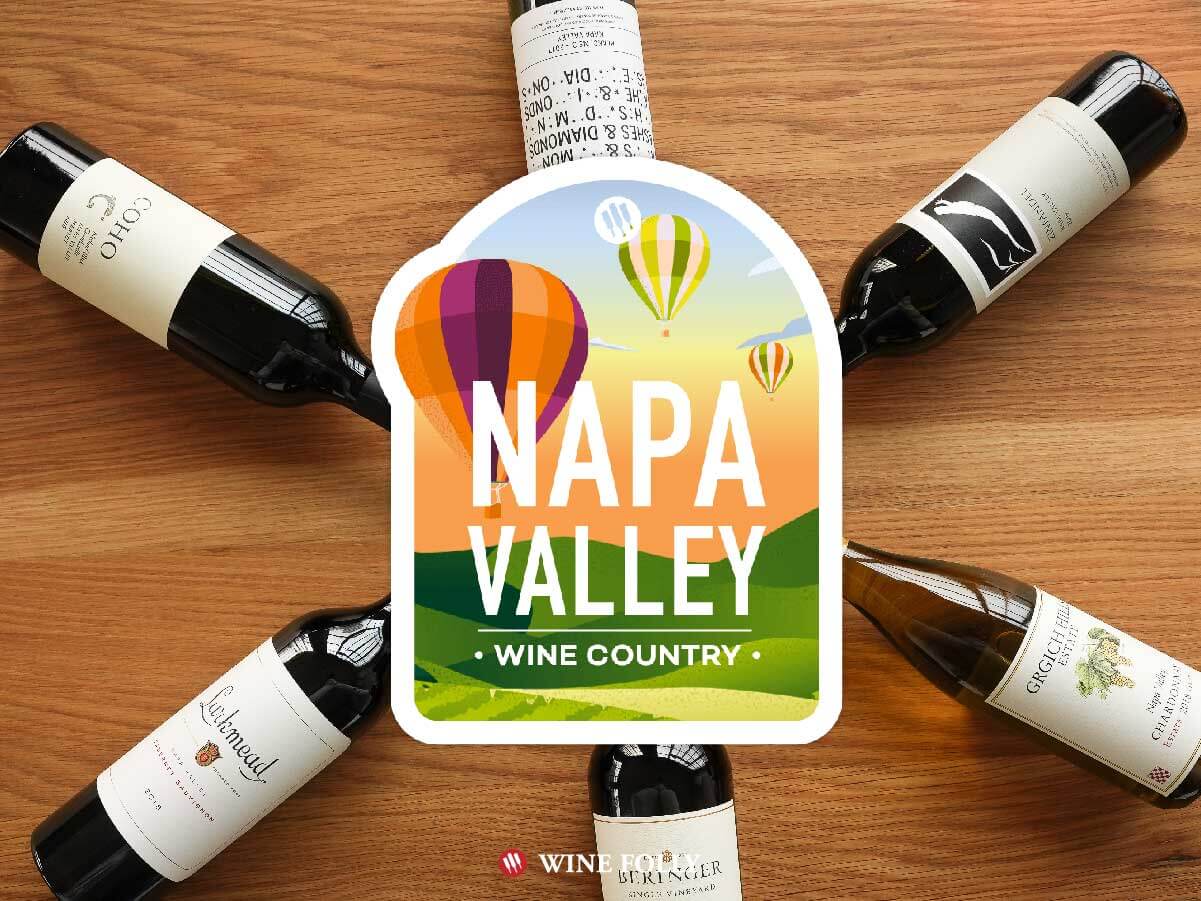
The Learn By Drinking course focuses on six specific wine styles that define the Napa Valley identity. While the wines are not included in the course fee to allow for consumer flexibility, the curriculum provides a rigorous framework for assessing each:
- Cabernet Sauvignon: Known as the "King of Napa," this grape accounts for nearly 50% of the valley’s total production. The course examines the structural components of Cabernet, including its high tannin levels and aging potential in French oak.
- Chardonnay: As the most planted white grape in the region, Napa Chardonnay is analyzed through the lens of malolactic fermentation and the stylistic differences between stainless steel and barrel aging.
- Merlot: Once overshadowed, Merlot has seen a resurgence as a world-class varietal in Napa, prized for its plush texture and ability to thrive in the valley’s clay-heavy soils.
- Zinfandel: Often sourced from "heritage" vines, Napa Zinfandel provides a historical link to the region’s early winemaking days, offering high alcohol content and jammy fruit profiles.
- Sauvignon Blanc: This varietal is explored for its crisp acidity and citrus notes, often acting as a benchmark for the region’s white wine versatility.
- Sauvignon Blanc Blend: Often blended with Sémillon in the Bordeaux style, this category showcases the region’s ability to produce complex, age-worthy white wines.
Through these six wines, Madeline Puckette instructs students on "tasting strategy"—a systematic approach to identifying primary, secondary, and tertiary aromas, as well as evaluating balance, length, and intensity.
Economic and Cultural Impact of the Napa Wine Industry
The launch of this course comes at a time when the economic impact of Napa Valley is at an all-time high. According to data from the Napa Valley Vintners, the local wine industry contributes more than $9 billion annually to the Napa County economy and over $34 billion to the United States economy. The region supports an estimated 44,000 jobs locally and nearly 190,000 jobs nationwide.
By providing a structured educational path, Wine Folly is not only cultivating more informed consumers but also supporting the broader ecosystem of tourism and hospitality. Educational initiatives like this help sustain the "luxury" status of the region by explaining the labor-intensive processes involved in premium winemaking, such as hand-harvesting on steep slopes and the extensive use of high-quality oak cooperage.
The Role of Madeline Puckette and Wine Folly
The credibility of the course is bolstered by the involvement of Madeline Puckette. Since founding Wine Folly in 2011, Puckette has become one of the most influential figures in the wine world. Her approach—utilizing infographics, color-coded charts, and simplified data visualization—has been credited with making wine science palatable for the digital generation.
In this course, Puckette serves as both a sommelier and a cultural guide. Her instruction goes beyond the glass, touching on the ethics of sustainable farming and the future of the industry in the face of climate change. Her 10-plus years of experience in the wine trade provide a pragmatic perspective on how to navigate wine lists and retail environments, empowering students to make informed purchasing decisions.
Broader Implications for Digital Education and the Beverage Sector
The "Learn By Drinking" series reflects a broader trend in the beverage industry: the shift toward "edutainment." As traditional media declines, consumers are looking for high-production-value digital content that offers both entertainment and tangible skill acquisition. This model is particularly effective in the wine industry, where the product is inherently social and sensory.
Furthermore, the course addresses a growing demand for transparency and origin-based storytelling. Today’s wine consumers are increasingly interested in "slow food" movements and the provenance of what they consume. By detailing the specific soil types and weather patterns of Napa, Wine Folly satisfies this curiosity, fostering a deeper emotional and intellectual connection between the consumer and the producer.
Chronology of Napa Valley Development and Education
- 1839: George C. Yount plants the first grapevines in Napa Valley.
- 1861: Charles Krug establishes the first commercial winery.
- 1944: The Napa Valley Vintners association is formed to protect the region’s reputation.
- 1976: The Judgment of Paris puts Napa Valley on the international map.
- 1981: Napa Valley is officially designated as California’s first American Viticultural Area (AVA).
- 2011: Wine Folly is launched, revolutionizing digital wine education.
- Present Day: The release of "Learn By Drinking: Napa Valley" marks a new chapter in accessible, expert-led viticultural training.
Conclusion: The Future of Wine Literacy
Learn By Drinking: Napa Valley is more than a simple tasting guide; it is a comprehensive look at the intersection of geology, history, and sensory science. As Napa Valley continues to evolve, facing challenges ranging from wildfire management to shifting consumer preferences, education remains the most vital tool for the industry’s survival. By equipping enthusiasts with the ability to "read" a wine through their palate, Wine Folly is ensuring that the legacy of Napa Valley remains understood and appreciated by future generations of connoisseurs and casual drinkers alike.
The course is currently available for enrollment through the Wine Folly platform, offering a scalable solution for individuals, hospitality professionals, and corporate teams looking to enhance their understanding of one of California’s most significant cultural and economic assets. Through this initiative, the narrative of Napa Valley is no longer confined to the elite tasting rooms of Highway 29; it is now accessible to anyone with a corkscrew and a desire to learn.