Kweichow Moutai Implements Second Price Hike of 2025 to Stabilize Margins Amid Persistent Baijiu Market Downturn

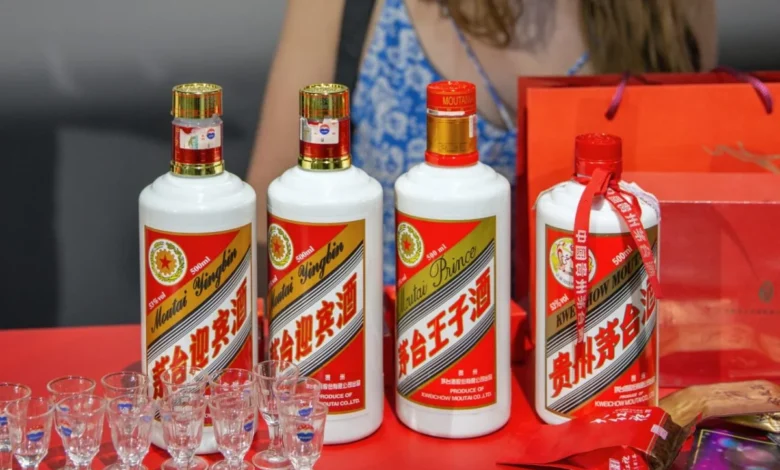
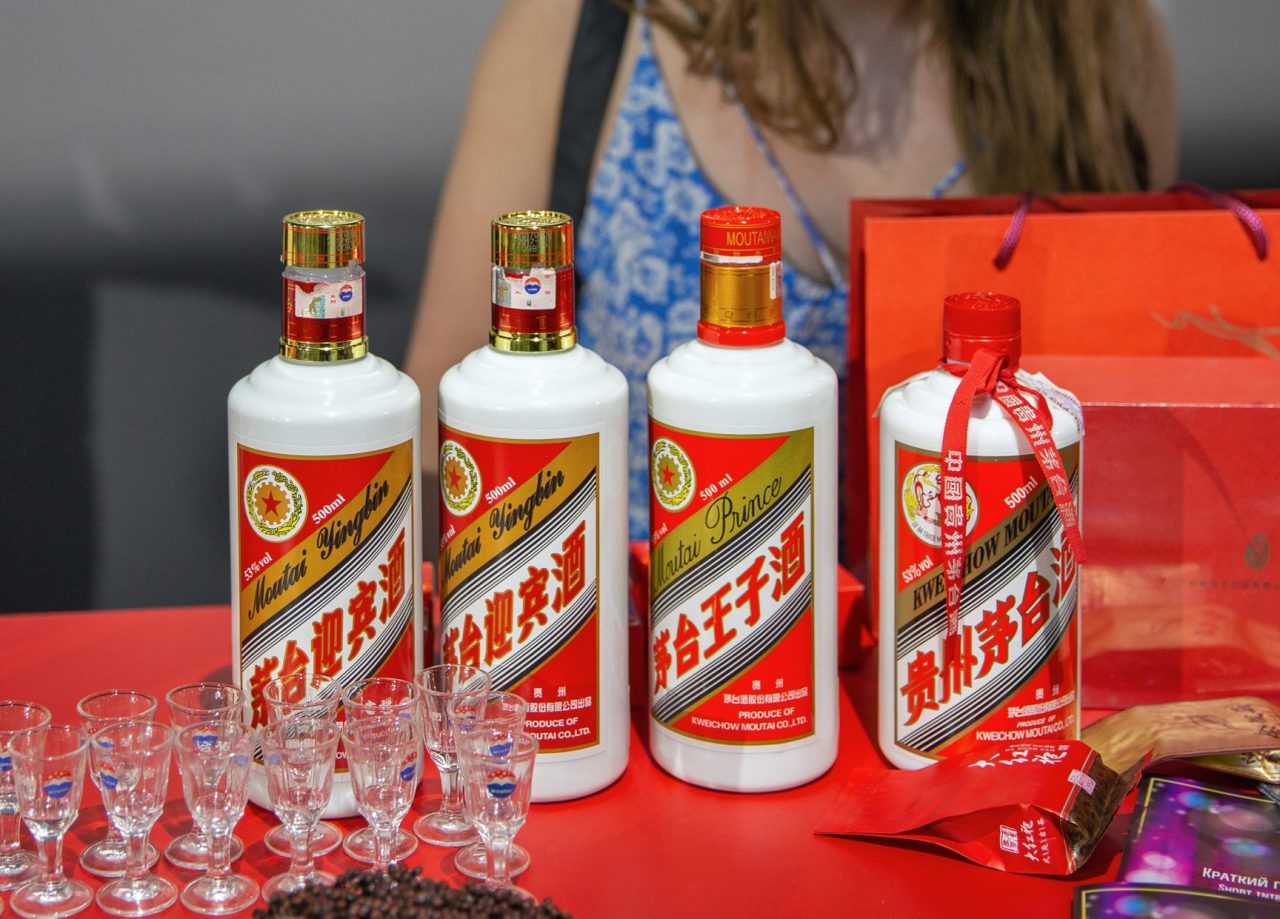
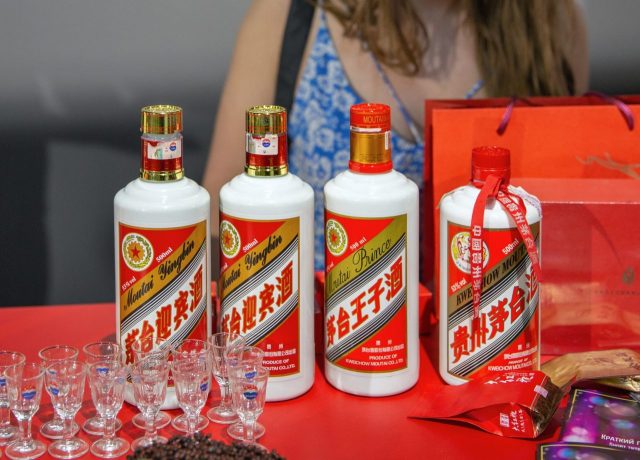
Kweichow Moutai, the world’s most valuable spirits producer and the undisputed titan of China’s liquor industry, has officially announced its second price increase of the year for its flagship product, Feitian Moutai. The move, disclosed in a recent exchange filing, is a strategic attempt to fortify profit margins and restore investor confidence as the broader baijiu sector grapples with a prolonged consumption slump. Starting July 18, 2025, the retail price of the 53% vol 500ml Feitian Moutai on the company’s official e-commerce platform has been raised by 100 RMB, bringing the cost per bottle to 1,639 RMB. Simultaneously, the ex-factory price—the rate charged to wholesalers and authorized distributors—has also seen a 100 RMB uptick, rising to 1,369 RMB.
This latest adjustment marks the second time in just four months that the distiller has leveraged its significant pricing power to navigate a challenging economic landscape. The company previously implemented a similar dual-track price hike in March 2025. Prior to this year’s aggressive pricing strategy, Kweichow Moutai had maintained a relatively stable price point for its primary products since late 2023, when it confidently bumped prices by 20% following a long period of stagnation. The market reacted swiftly and positively to the news; Moutai’s shares on the Shanghai Stock Exchange surged by as much as 4.2% on Monday morning, signaling that shareholders view the price hike as a necessary defensive measure to safeguard the company’s industry-leading profitability.
A Strategic Response to Unprecedented Market Headwinds
The decision to raise prices twice within a single calendar year is a rare move for Kweichow Moutai, a company that typically prides itself on long-term stability and carefully managed supply. However, the current climate for Chinese white spirits, or baijiu, is anything but typical. The industry has been mired in a significant downturn for over 18 months, driven by a combination of cooling consumer spending, a shift in corporate entertainment cultures, and an overall saturation of the high-end spirits market.
Market analysts estimate that total sales across the baijiu sector plummeted by nearly 15% in 2024. This contraction spared no one, affecting even the "Big Five" producers: Kweichow Moutai, Wuliangye Yibin, Luzhou Laojiao, Yanghe, and Xinghuacun Fen Wine. For Moutai, the stakes are particularly high. The company recently reported its first annual decline in both revenue and net profit since it first listed on the Shanghai Stock Exchange in 2001. In the 2024 fiscal year, Moutai’s net profit fell by 4.5% to 82.32 billion RMB (approximately US$12.07 billion), while total revenue dipped 1.2% to 168.84 billion RMB. These figures fell short of both internal guidance and conservative market expectations, prompting the leadership to take more decisive action in 2025.
The Chronology of Moutai’s Pricing Evolution
To understand the significance of the July 18 hike, one must look at the timeline of Moutai’s pricing over the last two years. For nearly six years leading up to late 2023, Moutai kept its ex-factory price for Feitian at 969 RMB. This stability was part of a government-encouraged effort to curb speculative hoarding and keep the luxury spirit accessible to a broader range of consumers.
- November 2023: Moutai broke its long-standing price freeze by raising the ex-factory price of Feitian Moutai by roughly 20%, bringing it to 1,169 RMB. This was seen as a bold move to test the market’s resilience.
- March 2025: Facing a sluggish start to the year and disappointing 2024 year-end results, the company implemented its first 100 RMB hike of 2025, raising the ex-factory price to 1,269 RMB and adjusting retail prices accordingly.
- July 2025: The most recent adjustment brings the ex-factory price to 1,369 RMB and the official retail price to 1,639 RMB.
This accelerated timeline suggests that Moutai is no longer content to wait for a natural market recovery. Instead, it is using its status as a "Veblen good"—a product for which demand increases as the price increases due to its perceived status—to decouple its financial performance from the broader economic malaise affecting its competitors.
Industry-Wide Distress: The CADA Mid-term Report
The challenges facing Moutai are reflective of a systemic crisis within the Chinese alcoholic drinks trade. According to the "2025 Mid-term Research Report on China’s Liquor Market," released by the China Alcoholic Drinks Association (CADA), the first half of 2025 has been characterized by severe liquidity issues and inventory imbalances.
The report highlights several alarming trends:
- Inventory Pressure: Approximately 58.1% of surveyed liquor companies reported a significant increase in channel inventory pressure. With bottles sitting on shelves longer, the capital of distributors is being tied up, leading to a slowdown in new orders.
- Price Inversion: More than half of all distributors and retailers indicated an increase in the degree of "price inversion." This occurs when the market selling price of a bottle falls below the ex-factory price paid by the distributor, effectively forcing sellers to move stock at a loss to maintain cash flow.
- Cash Flow Strain: Over 40% of retailers reported facing acute cash flow pressures, leading to a wave of consolidations and closures in the retail sector.
In the first three quarters of 2025, the collective revenue of the 20 liquor companies listed on the A-share market amounted to 317.79 billion RMB, representing a year-on-year decrease of 5.90%. Combined net profits for these firms dropped by 6.93% to 122.571 billion RMB. These figures underscore the gravity of the "hangover" the industry is currently experiencing.
Analyzing the Impact on Distributors and the Secondary Market
While the price hike is a boon for Moutai’s balance sheet, it places additional pressure on the distribution network. In the past, the gap between the ex-factory price (what the distributor pays Moutai) and the actual market price (what the consumer pays in a private shop) was massive, often exceeding 1,500 RMB. This "spread" allowed distributors to reap enormous profits.
However, as the market price for Moutai has softened due to the economic slowdown, that spread has narrowed. By raising the ex-factory price to 1,369 RMB, Moutai is essentially capturing more of the profit for itself, leaving less on the table for the wholesalers. While this helps the manufacturer’s margins, it risks alienating the distribution partners who are already struggling with the inventory and cash flow issues highlighted by the CADA report.

Market observers note that the "real" market price for Feitian Moutai—often found in specialty liquor stores rather than the official e-commerce site—has fluctuated between 2,200 RMB and 2,600 RMB in recent months, down from peaks of over 3,000 RMB in previous years. If Moutai continues to raise the floor (ex-factory price) while the ceiling (market demand) remains stagnant or drops, the brand could eventually face the same price inversion issues currently plaguing lower-tier baijiu brands.
The Role of Feitian Moutai as a Financial Asset
One reason Kweichow Moutai remains confident in its pricing strategy is the unique role its flagship product plays in Chinese society. Feitian Moutai is often treated less like a beverage and more like a currency or a high-yield investment. Because the spirit improves with age and supply is strictly limited by the unique geography and climate of the Maotai town in Guizhou province, older bottles command significant premiums.
By raising prices, Moutai reinforces the narrative that its product is a store of value. For collectors and investors, a price hike from the manufacturer is a signal that their existing holdings have just increased in value. This psychological factor helps maintain a "floor" for the brand’s prestige, even when the broader consumer market is weak.
Broader Implications for the Luxury Sector in China
Moutai’s struggles and its subsequent price-based defense are being closely watched by global luxury conglomerates such as LVMH, Richemont, and Diageo. For years, the Chinese luxury consumer was the primary engine of global growth. The current baijiu slump is a "canary in the coal mine" for the broader high-end retail sector in Asia.
If Moutai, a brand with deep cultural roots and unparalleled loyalty, is seeing profit drops, it suggests a fundamental shift in spending habits among China’s affluent class. The "pro-frugality" measures and the cooling of the real estate market have led to a "wealth effect" in reverse, where even those who can afford luxury goods are choosing to be more discreet or selective.
Future Outlook: Can Moutai Lead a Recovery?
As Moutai moves into the second half of 2025, all eyes will be on its Q3 and Q4 earnings reports. The success of these price hikes will be measured by whether the company can meet its revised growth targets without severely damaging its distribution network.
The company is also diversifying its strategy beyond simple price increases. It has invested heavily in "iMoutai," its direct-to-consumer digital platform, to bypass traditional wholesalers and capture higher margins. Additionally, it has experimented with brand collaborations—such as Moutai-infused lattes and chocolates—to appeal to a younger generation of consumers who may not have the same affinity for traditional baijiu as their parents.
For now, the July 18 price hike serves as a bold statement of intent. Kweichow Moutai is betting that its brand equity is strong enough to weather the storm, opting to prioritize the health of its margins over the volume of its sales. Whether the rest of the baijiu industry can follow suit, or if they will continue to drown in excess inventory and price inversions, remains the defining question for the Chinese spirits market in 2025.