Port Wine Day: Celebrating the Evolution and Versatility of Portugal’s Historic Export


Port Wine Day serves as more than a simple calendar marker for wine enthusiasts; it acts as a critical touchstone for the global viticulture industry, signaling the annual Vintage declaration and the widespread commercial release of new stocks. As the world of fine wine continues to grapple with shifting consumer preferences and the economic pressures of global distribution, this commemorative day offers a moment to assess the state of the Douro Valley’s output. While the industry is seeing a marked surge in the appetite for premium, age-worthy Port, there is an equally significant, though often overlooked, shift toward the adoption of fresher, more accessible iterations of the wine in contemporary mixology and everyday dining.
The significance of Port in the global market remains substantial. According to data from the Instituto dos Vinhos do Douro e Porto (IVDP), Port wine exports represent a vital pillar of the Portuguese economy, with total sales consistently generating hundreds of millions of euros annually. The 2024 vintage declarations are particularly anticipated, following a growing season characterized by complex weather patterns that have forced producers to innovate in their viticultural management. For many of the historic houses located along the banks of the Douro River, the current release period is not merely a logistical milestone but a validation of sustainable farming practices adopted in response to climate change.

A Chronology of Tradition and Innovation
The history of Port is defined by a tension between rigid tradition and the necessity of adaptation. The formal regulation of the Douro region dates back to 1756, when the Marquis of Pombal established the world’s first demarcated wine region. Since then, the industry has weathered economic shifts, the phylloxera epidemic of the 19th century, and the recent transition toward digital-first global marketing.
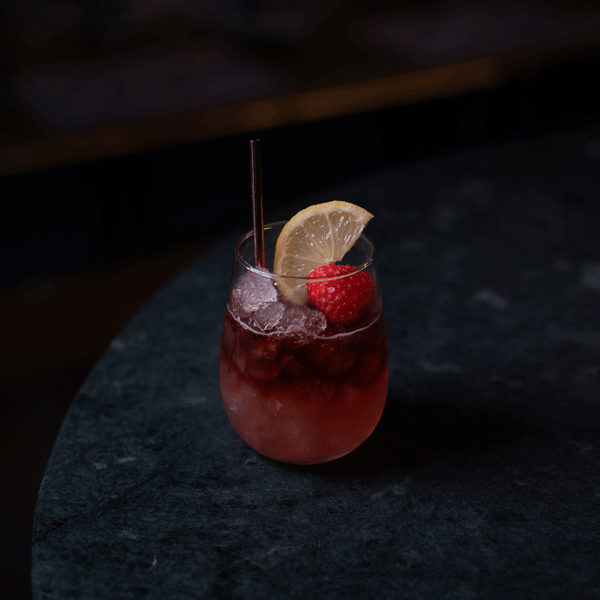
In the early 2000s, the market was largely dominated by traditionalists who viewed Port exclusively as an after-dinner digestif, typically paired with blue cheese or dark chocolate. However, the last decade has seen a deliberate pivot. Producers have invested heavily in rebranding Port as an aperitif, leveraging the refreshing profile of White Port. This shift has been supported by the rise of the "Port & Tonic" (P&T), a cocktail that has successfully introduced the fortified wine to a younger, urban demographic that previously associated the drink with formality and stagnation.
Data-Driven Shifts in Consumption
Market research indicates that while traditional "Vintage" and "Late Bottled Vintage" (LBV) categories maintain a strong hold on the high-end collector market, there is a clear upward trend in the sales of White and Rosé Ports. Industry analysts suggest that the democratization of wine culture, driven by social media and the growth of the premium cocktail movement, has encouraged producers to diversify their portfolios.
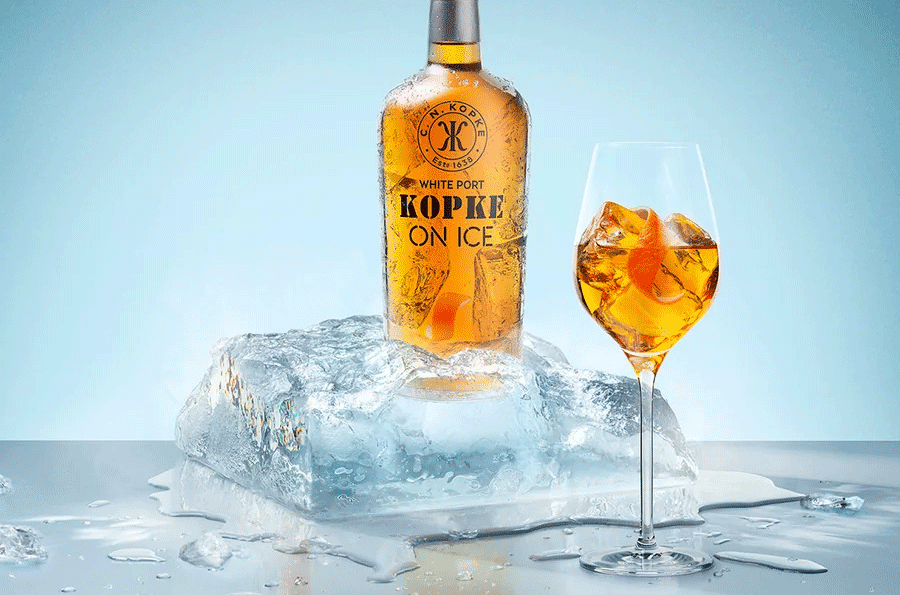
Furthermore, the logistical ease of using pre-mixed or readily available ingredients like tonic water and citrus has lowered the barrier to entry for novice consumers. The "Kopke on Ice" campaign, for instance, serves as a primary example of this industry-wide effort to align Port consumption with contemporary drinking habits. By providing specific serving instructions—such as using frozen lemon slices instead of ice to prevent dilution—producers are actively educating consumers on how to maintain the integrity of the product while experimenting with new flavors.
The Science of Service and Culinary Integration
A fundamental challenge that remains for the industry is the prevalence of improper serving temperatures. Historically, Port was often served at room temperature, a practice that masked the nuances of the wine’s fruit profiles and overwhelmed the palate with alcohol. Modern oenological guidance emphasizes that Port, whether red or white, should be treated with the same temperature care as any fine wine. Chilling the bottle—often to between 6°C and 10°C for White Ports—is now widely considered the standard for unlocking the aromatic complexity of the beverage.
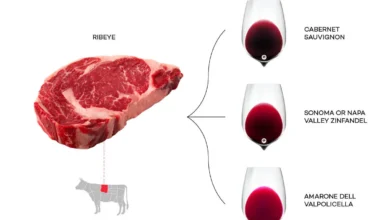
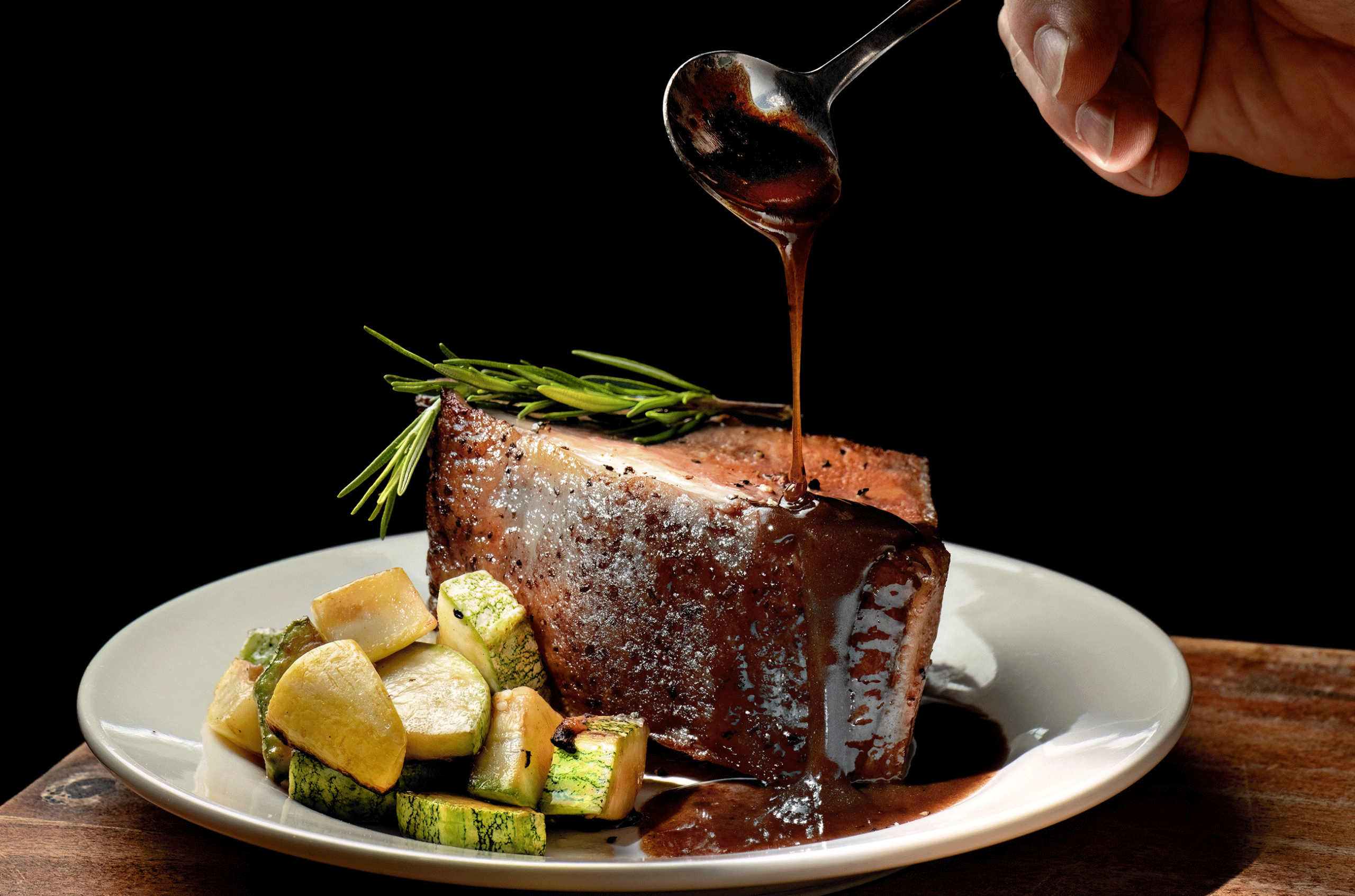
Beyond the glass, the culinary applications of Port are undergoing a reassessment. While traditionally confined to dessert courses, chefs and home cooks are increasingly incorporating Tawny and Ruby variations into savory preparations. The high sugar content and intense flavor concentration of Port make it an ideal base for reductions, glazes, and marinades. When reduced, the wine’s inherent acidity provides a balance to rich, fatty proteins like beef or duck, effectively bridging the gap between a standalone beverage and a functional kitchen ingredient.
Labor and Sustainability in the Douro
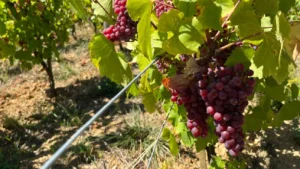
The production of Port remains one of the most labor-intensive processes in the viticulture world. The Douro Valley, a UNESCO World Heritage site, is defined by its steep, terraced landscapes that remain largely resistant to mechanization. During the harvest, which typically takes place in the late summer and early autumn, the reliance on human labor is absolute.
Industry representatives often highlight that the manual labor required to transport grapes up these precipitous slopes is not just a legacy practice, but a necessity for quality control. In recent years, the sector has faced scrutiny regarding labor shortages and the need for more sustainable, worker-friendly practices. Despite the introduction of drone technology and AI-driven monitoring for vine health, the "human touch"—typified by the traditional practice of foot-treading grapes in granite lagares—remains a cornerstone of the industry’s marketing and authentic production methods.
Future Implications and Market Outlook
The implications of these trends are significant for the future of the Douro region. As the climate continues to change, producers are experimenting with grape varieties that are more heat-tolerant, ensuring that the signature profile of Port is preserved for future generations. Furthermore, the industry is increasingly looking toward eco-tourism as a secondary revenue stream. By inviting consumers to participate in the harvest experience, wineries are building brand loyalty that transcends the retail shelf.
Industry leaders remain optimistic about the resilience of the Port category. By embracing the "everyday indulgence" movement, the sector is successfully shedding its reputation as a relic of the past. As consumers become more discerning about the origins of their alcohol and the sustainability of their production, the narrative of the Douro Valley—a region that balances deep historical roots with the demands of the modern palate—is uniquely positioned to capture a larger share of the global wine market.
Ultimately, Port Wine Day functions as a reminder that the value of the product lies not just in its aging potential, but in its adaptability. Whether served in a simple, citrus-forward cocktail, used as a transformative element in a culinary dish, or enjoyed as a refined vintage, Port continues to define itself by its ability to remain relevant across centuries of shifting social and economic landscapes. The ongoing evolution of the category suggests that as long as producers remain committed to both quality and accessibility, the global appreciation for this storied wine will continue to grow, bridging the divide between traditional heritage and modern lifestyle.