Beyond the Bottle: Why Social Sustainability is the New Benchmark for Fine Wine


Great wine starts in the vineyard, or so the saying goes, yet this age-old mantra often overlooks the human element that breathes life into every vintage. While viticulture focuses on terroir, soil health, and climatic conditions, the global wine industry is undergoing a paradigm shift that demands a closer look at the people behind the production. A wine can no longer be considered truly "great" if it is built upon the back of inequitable labor practices or the exploitation of vulnerable communities. As sustainability metrics move beyond carbon footprints and organic certification, the social pillar of ESG (Environmental, Social, and Governance) criteria has emerged as the defining challenge for 21st-century wineries.
The Evolution of Sustainability in Viticulture
For decades, sustainability in the wine sector was synonymous with environmental stewardship. Wineries invested heavily in light-weight glass, solar panels, water conservation, and integrated pest management to satisfy a growing consumer demand for "green" products. However, the social component—often referred to as social sustainability—remains the least quantified and most complex aspect of the supply chain.
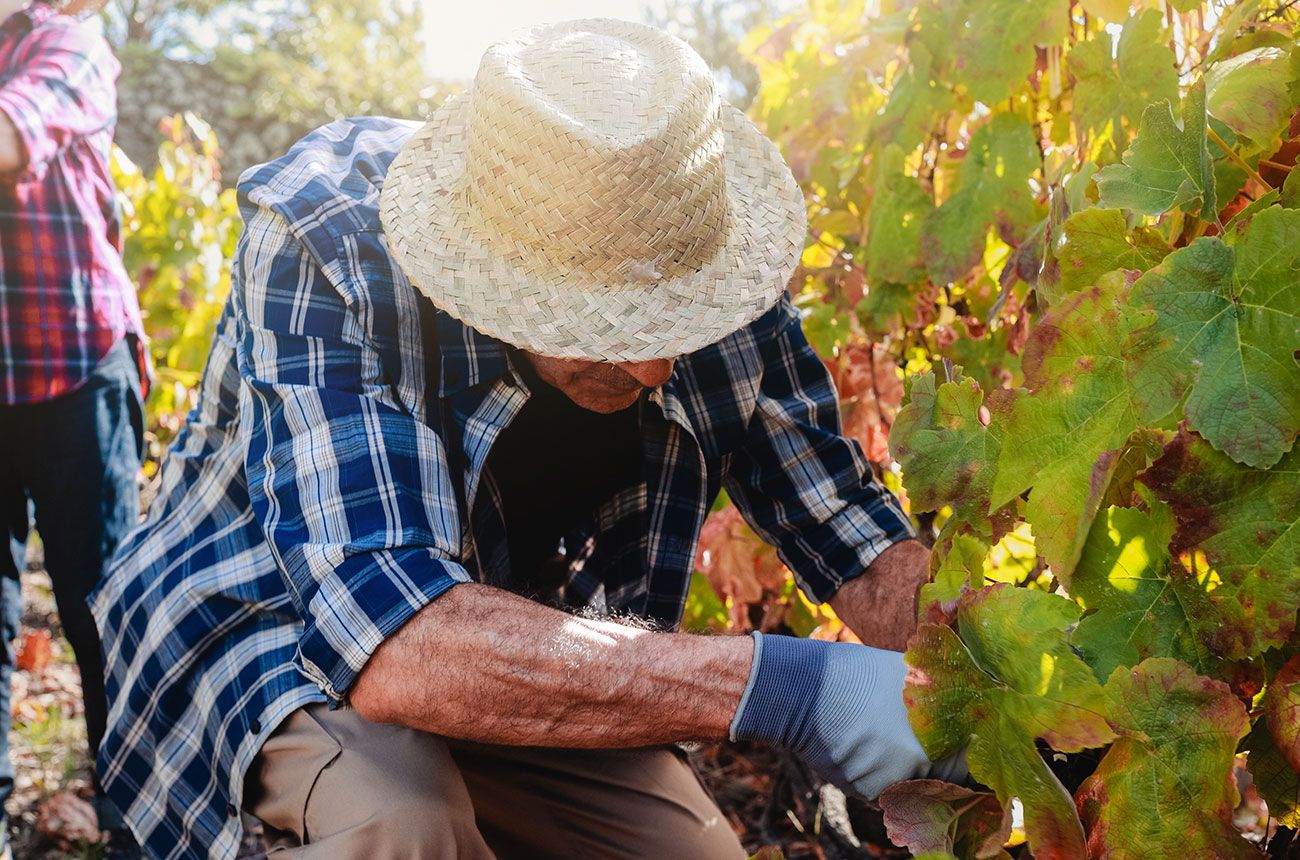
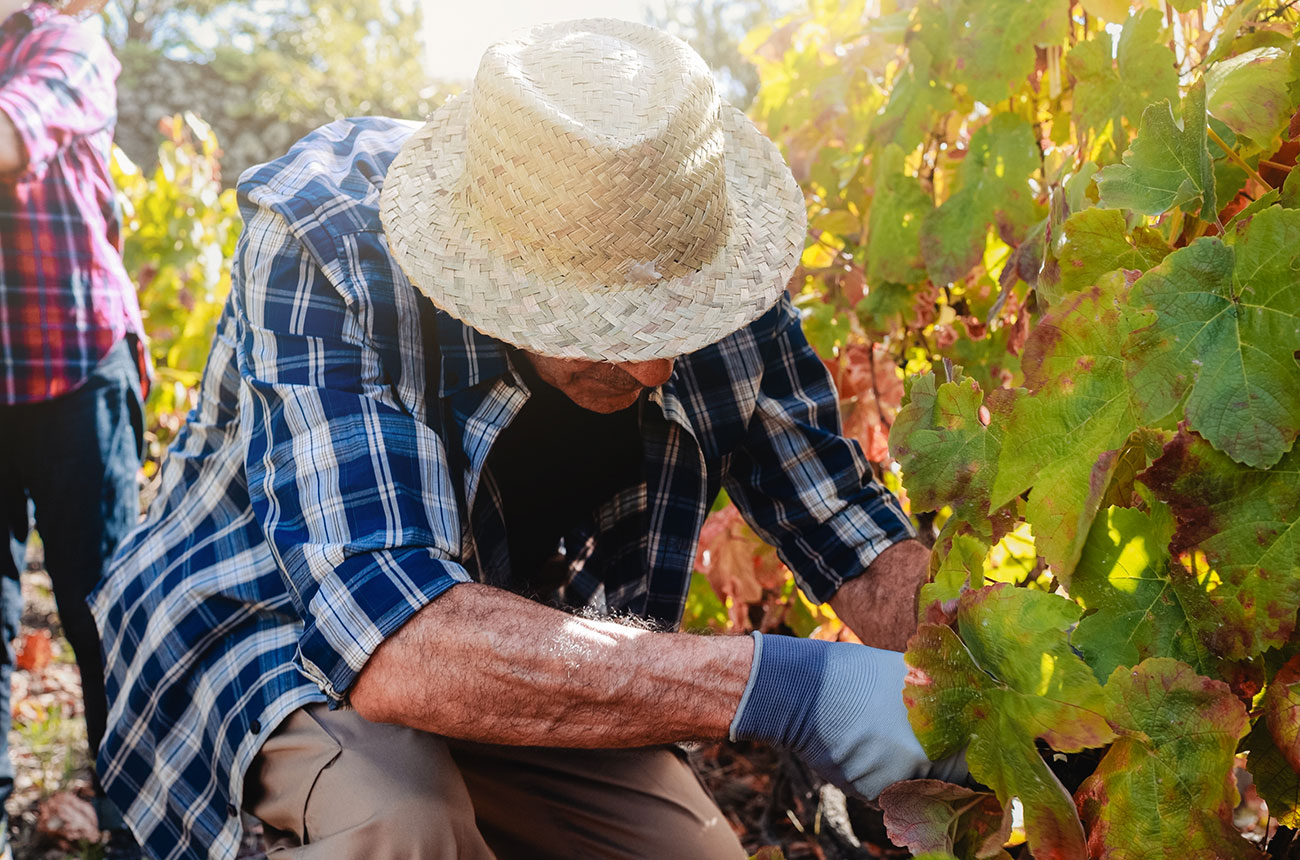
Social sustainability encompasses fair wages, safe working conditions, healthcare access, housing stability, and diversity and inclusion initiatives. In regions such as South America, South Africa, and parts of Southern Europe, the wine industry acts as a primary economic engine. When market volatility strikes—whether through climate-induced crop failures or global economic downturns—these communities are the first to suffer. The lack of a robust social safety net often means that seasonal workers, who are the backbone of the harvest, bear the brunt of financial instability.
A Chronology of Social Accountability in Wine
The push for equitable labor practices in the wine world did not emerge overnight. It has been a slow-moving, reactive process shaped by global events and increasing transparency.
- 1990s–2000s: The rise of Fair Trade certification in viticulture began to highlight the disparities in the supply chain, particularly in South African wine production. This period saw the first formal audits of vineyard labor conditions.
- 2010s: The "Social Pillar" gained traction as a formal requirement for various sustainability certifications, such as the Sustainable Winegrowing New Zealand (SWNZ) program and the California Sustainable Winegrowing Alliance (CSWA).
- 2020–2021: The COVID-19 pandemic acted as a global stress test. As vineyards faced labor shortages and health risks, the industry was forced to reckon with the vulnerability of migrant workforces, leading to improved, albeit inconsistent, health and safety protocols.
- 2023–2024: Institutional investors began integrating social metrics into their evaluation of premium wine assets, signaling that "social responsibility" is now a fiscal necessity rather than a philanthropic afterthought.
Data-Driven Realities of the Wine Workforce
The economic impact of the wine industry is immense, but it is unevenly distributed. According to data from the International Organisation of Vine and Wine (OIV), global wine production often fluctuates by 5% to 10% annually due to climate pressures. These fluctuations translate into severe income instability for the millions of agricultural laborers employed worldwide.
In major producing nations, the reliance on migrant labor is substantial. For instance, in the vineyards of France and Italy, seasonal labor from Eastern Europe and North Africa fills gaps that local labor markets cannot accommodate. Reports from human rights watchdogs have previously flagged issues regarding "caporalato"—an illegal system of intermediary labor exploitation in Italy—proving that even within the European Union, the gap between wine production and social equity remains a significant hurdle.
Furthermore, a study by the Wine Industry Network suggests that wineries with high employee retention rates and robust social programs consistently outperform their peers in terms of product quality and brand loyalty. The "hidden cost" of high labor turnover—training, lost expertise, and legal liabilities—often exceeds the cost of implementing better social policies.
The Perspective of Industry Stakeholders
Industry leaders and regional advocates are increasingly vocal about the need for standardized social reporting. Natalie Earl, a specialist in sustainable viticulture and regional French wine, notes that the "Ethical Drinker" perspective is no longer a niche interest but a core component of how wine professionals evaluate the integrity of a label.
"Sustainability is not just about the health of the soil; it is about the health of the society that tends that soil," argues one representative from an international viticultural union. "When we discuss the prestige of a vineyard, we must include the quality of life of the people working that land. If a winery cannot demonstrate that its workforce is treated with dignity, the entire value proposition of that wine is compromised."
Critics, however, point to the burden of compliance. Small-scale, family-run estates often struggle with the administrative costs required to document and certify social practices. This creates a "sustainability divide," where only large, corporate-backed estates can afford the audit costs required to prove their ethical credentials.
Implications for the Future of Wine
The movement toward social accountability is creating a ripple effect across the industry. Consumers are increasingly using digital tools—such as QR codes on labels and third-party ethical rating apps—to verify the provenance of their purchases. This transparency is forcing producers to move beyond "marketing-led sustainability" toward measurable, audited improvements.
- Investment Risks: Institutional investors are now performing deeper due diligence on the social practices of wineries. Companies found to have poor labor standards face increased reputational risk, which directly impacts the valuation of their land and assets.
- Regulatory Pressure: Governments in major wine-producing regions are considering stricter labor laws that mimic the transparency requirements seen in other sectors, such as apparel and textiles.
- Consumer Loyalty: The "conscious consumer" demographic is expanding. Market research indicates that Millennials and Gen Z are significantly more likely to purchase wines from producers who demonstrate a clear commitment to fair labor practices.
Conclusion: The Path Toward Holistic Excellence
The future of fine wine hinges on a move toward holistic sustainability. It is a recognition that the vineyard is not an isolated ecosystem but a vital part of a broader human community. By prioritizing the well-being of the workforce, the wine industry can insulate itself against economic shocks, build brand resilience, and ultimately produce a product that is worthy of its high status.
As the industry moves forward, the "social pillar" will likely become the primary metric by which premium status is determined. Just as collectors track the provenance of a bottle’s origin and the specifics of its terroir, they will increasingly demand a record of the human hands that brought the harvest to fruition. The next generation of wine greatness will be defined not just by the score it receives from a critic, but by the integrity with which it was produced. Moving beyond the bottle, the industry must ensure that every glass poured is a testament to both the land and the people who nurture it.