TGI Fridays Signs Landmark U.S. Development Agreement, Expanding Domestic Footprint

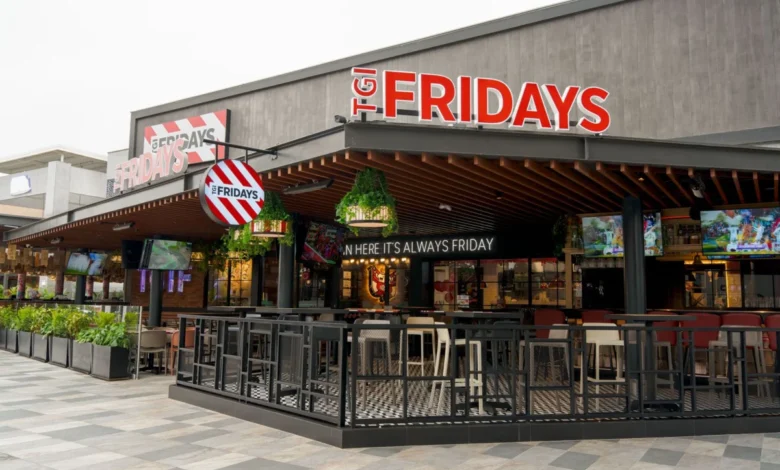
TGI Fridays has officially signaled a major shift in its domestic growth trajectory, announcing a landmark development agreement with Bliss Bites LLC to open five new restaurant locations across New York State. This strategic move, which also includes the acquisition of the existing TGI Fridays in Central Islip by the franchisee, marks the first time in over a decade that the casual dining giant has executed a formal domestic development agreement. The move serves as a pivotal proof point for the brand’s “1-2-3 Strategic Vision,” a comprehensive roadmap intended to revitalize the company’s presence in the United States and push toward a global goal of 1,000 units and $2 billion in annual revenue by 2030.
A Return to Domestic Expansion
For the past ten years, TGI Fridays’ growth efforts have been heavily concentrated on international markets, where the brand has maintained a strong presence in nearly 40 countries. However, the domestic landscape has seen significant shifts in consumer behavior, rising operational costs, and evolving competitive pressures. By securing this partnership with Bliss Bites LLC, Dallas-based TGI Fridays is pivoting back to its roots.
The company, which famously opened its first-ever restaurant on Manhattan’s Upper East Side in 1965, considers New York a foundational market. The decision to reinforce its footprint in the state is seen by industry analysts as a tactical choice to leverage brand equity in a region where the “Fridays” name remains synonymous with American casual dining. The addition of five new locations, coupled with the transition of the Central Islip site to a franchisee-operated model, suggests a broader shift toward a franchise-heavy operating structure.
The 1-2-3 Strategic Vision: A Blueprint for Growth
The 1-2-3 Strategic Vision is more than a simple expansion plan; it is a fundamental restructuring of how TGI Fridays intends to interact with the marketplace. The vision is anchored by four specific pillars:
- Activating the Brand: Modernizing the customer experience to ensure that the “Fridays feeling” resonates with a younger, more digital-savvy demographic.
- Flexible Growth Across Markets: Moving away from a “one-size-fits-all” real estate strategy to allow for varied store footprints that can adapt to high-density urban areas or suburban retail hubs.
- Strengthened Franchise System: Reducing the reliance on company-operated stores to improve agility and lower corporate capital expenditures.
- Performance Through People: Investing in staff retention and training to ensure service quality remains consistent, a critical factor in the competitive casual dining segment.
This framework is designed to provide the necessary structure to achieve the $2 billion revenue milestone. By offloading the capital requirements of new builds to experienced partners like Bliss Bites LLC, the corporate office can focus on menu innovation, supply chain efficiency, and brand marketing.
Profile of a Franchisee: The Bliss Bites Partnership
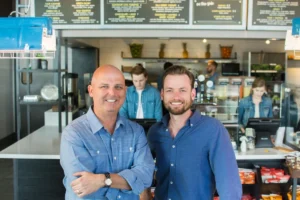
The selection of Bliss Bites LLC as the partner for this expansion is indicative of TGI Fridays’ preference for experienced operators who understand the complexities of the hospitality sector. Led by Vinod Chand, a veteran with over 35 years in the industry, Bliss Bites brings a deep understanding of local market dynamics.
Chand’s entry into the TGI Fridays network is seen as a vote of confidence in the brand’s long-term stability. In a market where many casual dining chains have faced declining foot traffic, Chand’s commitment to opening five locations over the next three years highlights a belief that the “celebration-focused” model of TGI Fridays still holds significant appeal. By acquiring the Central Islip location, Chand has established an immediate operating base, allowing the firm to integrate its management style before launching new, ground-up developments.
Market Context and Economic Implications
The casual dining sector in the United States has undergone a period of intense volatility. Following the pandemic, restaurants faced a “perfect storm” of labor shortages, supply chain disruptions, and inflationary pressure on commodity costs. Many competitors were forced to downsize or pivot toward “ghost kitchens” and delivery-only models.

TGI Fridays’ decision to expand during this period of economic uncertainty is a calculated risk. Data from recent industry reports suggest that while consumers are pulling back on discretionary spending, there is still a robust demand for “affordable indulgence.” TGI Fridays is positioning itself to capture this demographic by emphasizing value-driven experiences that do not sacrifice the experiential aspect of dining out.
The strategy of franchise-led growth is a well-tested mechanism in the restaurant industry. Major players like McDonald’s and Domino’s have historically achieved massive scale by shifting the burden of store operations to franchisees, allowing the corporate parent to function more like a brand manager and supply chain coordinator. If successful, the TGI Fridays model could serve as a template for other legacy brands attempting to re-enter the U.S. market after years of stagnation.
Industry Perspectives on the Move
Market analysts have pointed out that while the agreement is small in the context of the global brand’s 400-unit portfolio, the symbolic nature of the deal cannot be understated.
“For a decade, the narrative surrounding TGI Fridays has been one of transition and uncertainty,” says a restaurant industry consultant. “This agreement changes that narrative to one of growth. By bringing in a seasoned operator like Vinod Chand, they are signaling that the franchise model is healthy and that there is a viable path for profitability in the current inflationary environment.”
Furthermore, the focus on New York is strategic. High-traffic, high-visibility locations in the Northeast allow the brand to reclaim its cultural relevance. The success of these five new units will likely determine the pace at which the company rolls out similar development agreements in other states across the U.S.
Future Milestones and Outlook
As TGI Fridays moves forward, all eyes will be on the construction and opening timelines for the five new Bliss Bites locations. The development schedule, slated for the next three years, will require precise coordination between the corporate office in Dallas and the regional team in New York.
The company has indicated that it will continue to prioritize its “franchise-first” approach, which involves providing enhanced support systems—including regional resource hubs—to help owners navigate local labor markets and marketing challenges.
For the average consumer, this expansion means a potential increase in local accessibility to the brand’s signature menu items and atmosphere. For the investor, it represents a tangible step toward the 2030 revenue targets. While the road to 1,000 units is long and subject to the ebbs and flows of the broader economy, the partnership with Bliss Bites LLC provides a much-needed foundation for TGI Fridays to begin its next chapter of domestic growth.
Chronology of TGI Fridays Development
- 1965: First TGI Fridays opens on the Upper East Side, Manhattan, setting the stage for the casual dining bar-and-grill category.
- 1965–2014: A period of aggressive expansion, establishing the brand as a global icon of American hospitality.
- 2014–2025: Strategic focus shifts heavily toward international markets, with a lull in domestic development agreements.
- 2026: TGI Fridays unveils its “1-2-3 Strategic Vision,” targeting 1,000 units and $2 billion in revenue by 2030.
- September 2026: The company signs a landmark development agreement with Bliss Bites LLC to open five new restaurants in New York, marking the return of domestic franchise expansion.
The success of this agreement will serve as a bellwether for the brand’s ability to modernize its operations. By focusing on the intersection of legacy brand power and local operational expertise, TGI Fridays aims to ensure that it remains a central fixture in the American casual dining landscape for decades to come. As the company continues to refine its performance-through-people philosophy and its menu offerings, the expansion into New York serves as both a homecoming and a bold step into the future of the organization.