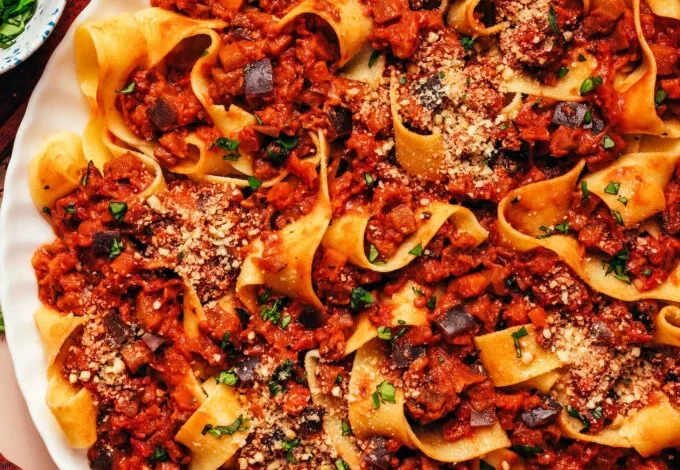
The culinary landscape has witnessed a significant shift over the past decade, moving away from heavy, meat-centric comfort foods toward plant-forward alternatives that do not sacrifice flavor, texture, or cultural authenticity. Among the beneficiaries of this dietary evolution is the traditional Italian ragù, particularly Bolognese. Originating from the city of Bologna, classic Bolognese relies on a foundation of minced meat, a savory soffritto of aromatic vegetables, white wine, milk, and concentrated tomato paste. However, contemporary home cooking trends, driven by environmental consciousness, health considerations, and culinary innovation, have paved the way for inventive adaptations. The latest addition to this category is the one-pot eggplant Bolognese, a seasonal dish designed to utilize late-summer produce while streamlining the cooking process into a single vessel.
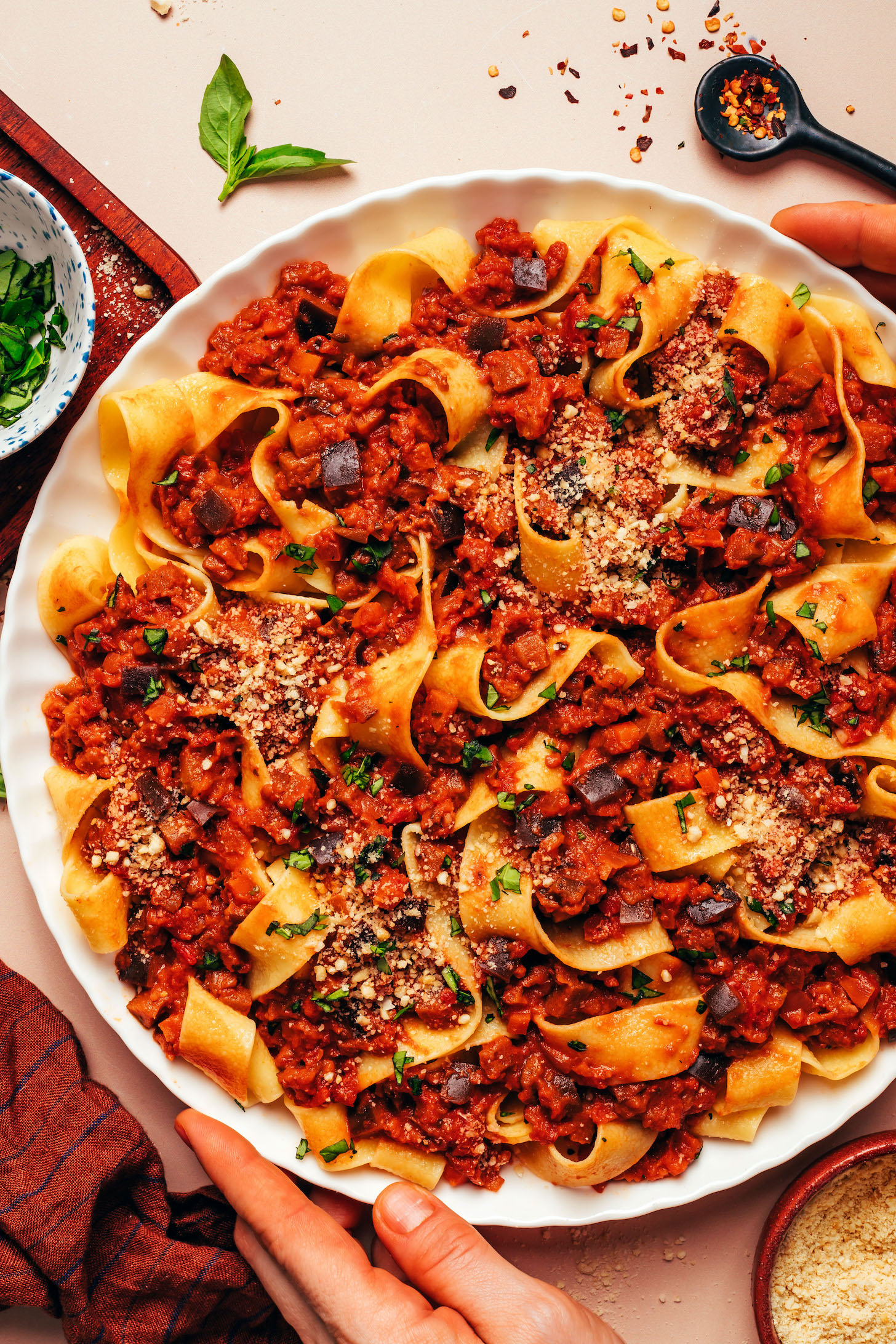
Culinary historians note that traditional Bolognese sauce evolved as a means of utilizing various cuts of meat, slowly braised with vegetables and dairy to create a rich, clinging sauce traditionally served over broad pasta ribbons like tagliatelle or pappardelle. Over the years, home cooks and professional chefs alike have experimented with non-meat substitutes—ranging from mushrooms and lentils to tempeh and chickpeas—to mimic the hearty, umami-rich profile of the original recipe. Eggplant, with its dense, sponge-like cellular structure, has emerged as a premier candidate for plant-based meat replacements. When diced finely and sautéed thoroughly, eggplant breaks down to yield a meltingly tender texture that absorbs surrounding flavors, making it an ideal vehicle for robust, tomato-forward sauces.
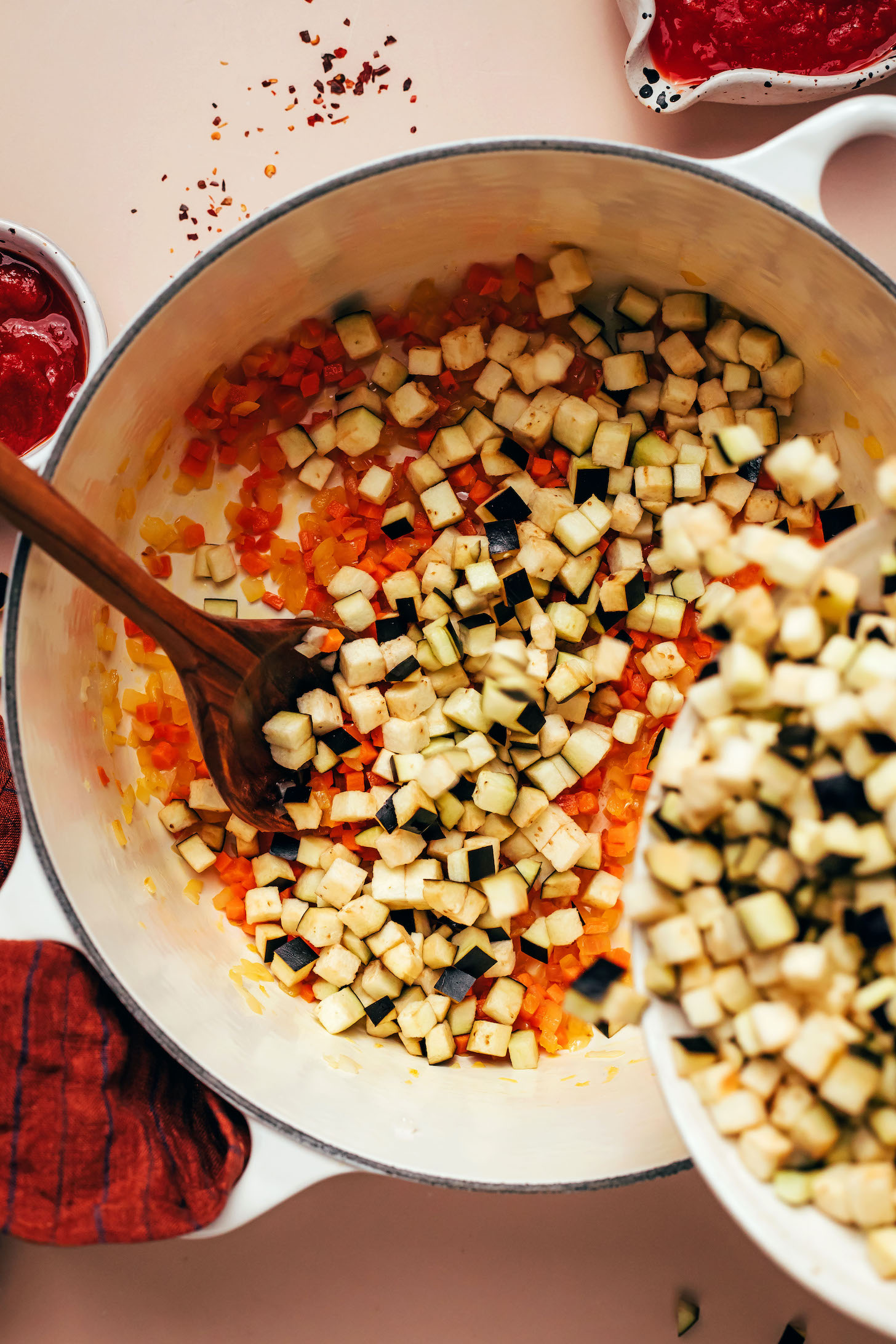
The development of the one-pot eggplant Bolognese highlights a broader movement within modern gastronomy toward efficiency and minimal cleanup without compromising on depth of flavor. Food science reveals that browning finely cubed eggplant in a base of sautéed onions and carrots initiates the Maillard reaction, unlocking savory notes that counteract the natural bitterness sometimes associated with the nightshade family. The addition of garlic and red pepper flakes introduces aromatic warmth, while deglazing the pan with wine lifts the caramelized fond from the bottom of the Dutch oven, incorporating layers of complexity into the simmering sauce.
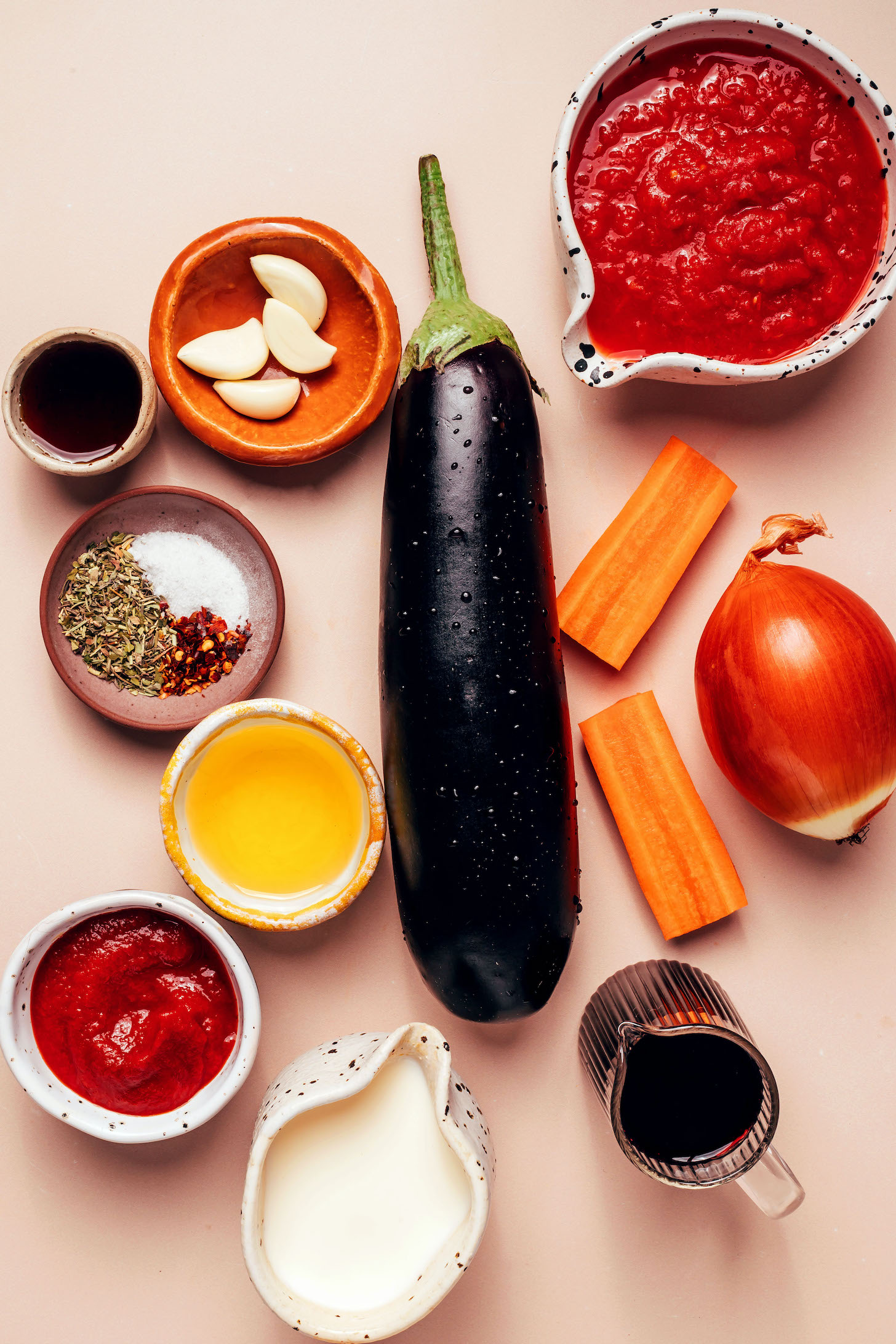
From a nutritional and logistical perspective, the recipe addresses several contemporary consumer demands. Preparation requires approximately 15 minutes, with a passive cooking time of 30 minutes, bringing the total time investment to 45 minutes. Yielding four standard servings, the dish registers an estimated 284 calories per serving, accompanied by 31.9 grams of carbohydrates, 6.6 grams of protein, and 17.1 grams of fat. Notably, the dish boasts a substantial fiber content of 8.3 grams per serving, driven by the inclusion of eggplant, carrots, and tomatoes. Furthermore, the incorporation of dairy-free milk—such as homemade cashew milk—replicates the traditional creaminess of classic Bolognese while keeping the dish entirely vegan and suitable for those with lactose intolerances.
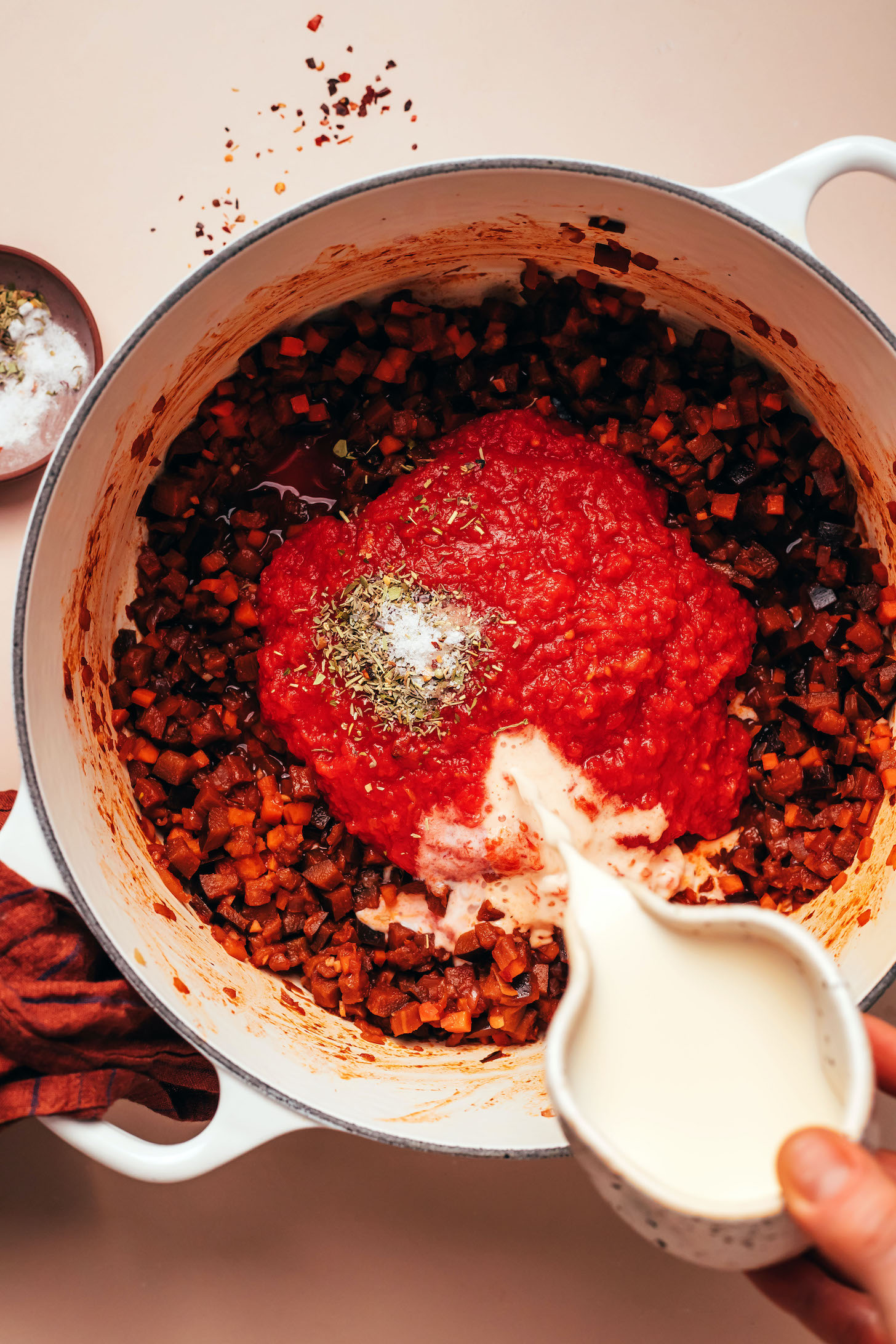
The chronology of preparation is engineered for maximum efficiency. The process begins with the sautéeing of the soffritto base, consisting of finely diced onions and carrots, until they achieve a savory-sweet tenderness. The finely cubed eggplant is then introduced to the pot, where it undergoes a browning phase crucial for structural integrity and taste development. Aromatics, including minced garlic and a pinch of red pepper flakes, are subsequently folded in, followed by the deglazing agent. Crushed tomatoes and tomato paste provide the acidic, vibrant base, while a splash of dairy-free milk adds the requisite richness. Seasonings—typically dried Italian herbs such as basil and oregano, sea salt, and a touch of maple syrup to balance the natural acidity of the tomatoes—complete the mixture. Simmering the ingredients for 20 to 30 minutes allows the excess moisture to evaporate, concentrating the flavors and thickening the sauce, though extended simmering up to an hour yields an even more profound depth.
While designed as a standalone plant-based entrée, the eggplant Bolognese offers considerable versatility through optional modifications and serving suggestions. For individuals seeking an increased protein intake, culinary experts suggest several pathways. Vegan diners can incorporate simple plant-based meatballs, pair the sauce with protein-rich lentil pasta, or stir in one to two cups of cooked red lentils simultaneously with the crushed tomatoes. Vegetarian alternatives include garnishing the finished dish with grated Parmesan cheese, whereas meat-inclusive adaptations involve introducing ground beef after the eggplant has sautéed, provided the cooking vessel is sufficiently large to accommodate proper browning.
Beyond its primary pairing with pasta, the sauce exhibits cross-culinary adaptability, serving as a rich topping for creamy polenta or as an accompaniment to appetizers such as chickpea Caesar salads or alternative meatball preparations. Leftovers retain their quality when refrigerated for three to four days, and the sauce is fully freezer-friendly for up to one month, making it a practical option for meal-prep enthusiasts.
The introduction of this recipe reflects broader socio-cultural trends in home economics, where efficiency, sustainability, and dietary inclusivity intersect. As consumers increasingly seek out meals that accommodate diverse dietary restrictions—including gluten-free and vegan lifestyles—recipes that rely on whole, seasonal vegetables rather than heavily processed meat substitutes are gaining prominence. Culinary analysts point out that late-summer produce availability provides an optimal window for utilizing fresh nightshades, aligning seasonal eating habits with practical weekday cooking constraints.
Ultimately, the one-pot eggplant Bolognese bridges the gap between traditional Italian comfort food and modern nutritional preferences. By retaining the core architectural elements of a classic ragù—the aromatic base, the slow-simmered tomato sauce, and the creamy finish—while replacing animal proteins with nutrient-dense eggplant, the recipe offers a compelling case for plant-forward dining. As home cooks continue to prioritize streamlined preparation methods and health-conscious ingredients, adaptations of classic comfort foods like this one are expected to remain a staple of contemporary meal planning.