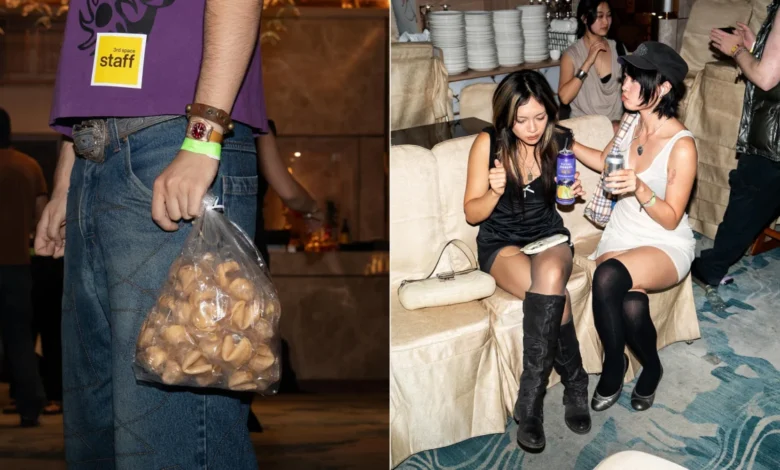
In the rapidly evolving landscape of live entertainment, the traditional concert experience—characterized by standardized venue layouts, high-capacity standing rooms, and a predictable sonic atmosphere—is facing a paradigm shift. New York City-based event production outfit 3rd Space has emerged at the forefront of this movement, prioritizing spatial narrative and environmental immersion over the conventional concert hall model. By curating live performances in spaces ranging from functional laundromats and gritty smoke shops to high-altitude Manhattan heliports, the group is fundamentally altering how audiences engage with live music.
The Genesis of 3rd Space
The concept originated roughly twenty months ago, born from the observations of founder Spencer Papandrea. A management consultant and law student with a background in music curation, Papandrea sought to address what he perceived as a stagnancy in the live performance sector. While established venues like Brooklyn Steel or Terminal 5 offer technical consistency, Papandrea argued that they often lack the distinct character necessary to foster a truly transformative audience experience.
The initial strategy for 3rd Space was decidedly grassroots. Papandrea spent his early days walking through his neighborhood, cold-calling local business owners to gauge interest in hosting live music. The first series of events included performances at a local record store and a neighborhood dumpling shop, followed by expansions into laundromats and industrial sites. These early experiments established the operational blueprint: find a location with a distinct aesthetic identity and build a musical lineup that complements, rather than ignores, the environment.
Operational Methodology and Curatorial Strategy
The production cycle for a 3rd Space event is a study in logistical adaptability. Unlike traditional promoters who lease an empty room, 3rd Space must negotiate the integration of technical production—sound systems, lighting, and stage management—into active, non-performance spaces.
For a recent event held at an underground soccer facility, the team coordinated the concert schedule to align with live World Cup match screenings, effectively blending spectator sports with live audio performance. This requires a high degree of pre-production labor, including site-specific sound engineering and safety compliance, which often exceeds the requirements of a purpose-built venue.

The booking process is equally bespoke. When partnering with venues like a dim sum restaurant, the team works with curators—such as the East Asian music collective Ginseng Museum—to match the sonic profile to the cultural atmosphere of the site. For the dim sum show, the lineup featured East Asian underground and alternative artists, paired with a curated menu of signature items like barbecue pork buns and vegetable spring rolls. This level of granular control ensures that the food, music, and setting operate as a singular, cohesive experience.
Market Context and Cultural Shifts
The emergence of 3rd Space coincides with a broader trend in the hospitality and entertainment sectors toward "experience-based" consumption. According to recent data from the live music industry, concertgoers are increasingly prioritizing "novelty" and "intimacy" over scale. Research suggests that as digital connectivity has increased, the physical concert environment has become a battleground for attention. The modern audience, often criticized for excessive phone usage during shows, appears more likely to disengage from mobile devices when the venue itself is physically stimulating or unconventional.
This phenomenon aligns with sociologists’ theories on "third places"—social environments separate from the two primary spheres of home and work. By transforming these third places into temporary concert venues, 3rd Space is leveraging the novelty effect to force an "unplugged" mindset. When a performance occurs in an unconventional location, the audience’s sensory expectations are reset, facilitating a higher level of focus and interaction between the performers and the crowd.
Economic and Logistical Realities
Operating as a nomadic promoter presents unique economic challenges. Restaurants, while often easier to secure due to existing service infrastructure, come with high opportunity costs. Renting a space during peak operating hours requires compensation that reflects the lost revenue of standard food and beverage operations. Conversely, non-traditional venues—such as boxing rings or heliports—present logistical hurdles related to zoning, noise ordinances, and public safety regulations that require extensive permitting.
Despite these hurdles, the model has proven sustainable. By avoiding the overhead of long-term venue leases, 3rd Space maintains a flexible cost structure. The revenue model is primarily driven by ticket sales, often supplemented by on-site food and beverage sales in partnership with the host venue. This collaboration creates a symbiotic relationship: the venue receives exposure to a new, younger demographic—typically individuals in their early to mid-20s—while 3rd Space gains access to unique architectural assets without the long-term capital commitment of a permanent theater.
Demographic Impact and Social Cohesion
A notable byproduct of the 3rd Space model is its role as a cross-cultural conduit. Because the events are not tethered to a specific genre, the audience varies significantly from show to show. Hardcore punk enthusiasts might share space with followers of the hyperpop scene or electronic music aficionados.

Observers within the industry have noted that this diversity is intentional. By moving away from "subculture-specific" venues, 3rd Space effectively bridges gaps between isolated music scenes. For many attendees, these shows serve as hubs for social networking, where the unique environment acts as a conversation starter. The intimacy of these smaller, unconventional settings facilitates interpersonal connection, a stark contrast to the anonymous nature of massive stadium shows.
Future Outlook and Expansion
Looking forward, Papandrea has expressed interest in exploring increasingly challenging environments. The aspiration to host events in locations as diverse as public swimming pools, armories, or shopping malls indicates a desire to push the boundaries of what constitutes a "live music venue."
The industry response to this approach has been largely positive. Critics and industry insiders suggest that as the live music market saturates with large-scale touring acts, the demand for local, site-specific, and curated experiences will only grow. The "boutique" concert movement, of which 3rd Space is a primary example, offers a template for how urban spaces can be repurposed to foster local artistic growth.
While it remains to be seen if this model can scale beyond the unique real estate landscape of New York City, the success of the initiative suggests that the appetite for "magic" in live performance is undiminished. By prioritizing the intersection of architecture, culture, and sound, 3rd Space is not just hosting concerts; it is redefining the geography of modern nightlife.
As the project continues to evolve, the challenge will remain the balance between maintaining the "underground" aesthetic that makes these events special and navigating the complexities of institutional growth. For now, however, the formula of pairing innovative sound with unconventional space continues to draw crowds seeking an alternative to the sterile consistency of the modern touring circuit. Whether it is an ice rink in the dead of winter or a bustling transit hub in the heart of Chinatown, the future of the concert experience appears to be moving away from the stage and into the streets.