The Foundations of a Global Gastronomic Powerhouse
The backbone of the Peruvian diet remains an agricultural diversity that is perhaps unmatched globally. Peru is the ancestral home of the potato, cultivating over 6,000 distinct varieties. These tubers, alongside an extensive array of native chilli peppers—ranging from the mild, fruity rocoto to the smoky, intense ají amarillo—form the foundational aromatics and textures for the country’s regional specialties.
This culinary identity is geographically segmented. In the northern region of Lambayeque, the focus leans toward robust, slow-cooked dishes such as arroz con cabrito (kid goat stew). Conversely, the southern city of Arequipa is celebrated for rocoto relleno, a dish featuring spicy peppers stuffed with a savoury mixture of minced meat, onions, and olives. These dishes illustrate a mastery of slow-cooking techniques and a sophisticated understanding of how to balance capsaicin-heavy spice with rich proteins.
A Chronology of Culinary Integration
The evolution of Peruvian food is a story of cultural layers. Before the arrival of Spanish colonizers in the 16th century, the Inca Empire had already established sophisticated irrigation and agricultural systems that supported diverse crops. Following the Spanish conquest, European ingredients such as onions, garlic, limes, and various meats were introduced, creating the first major fusion.
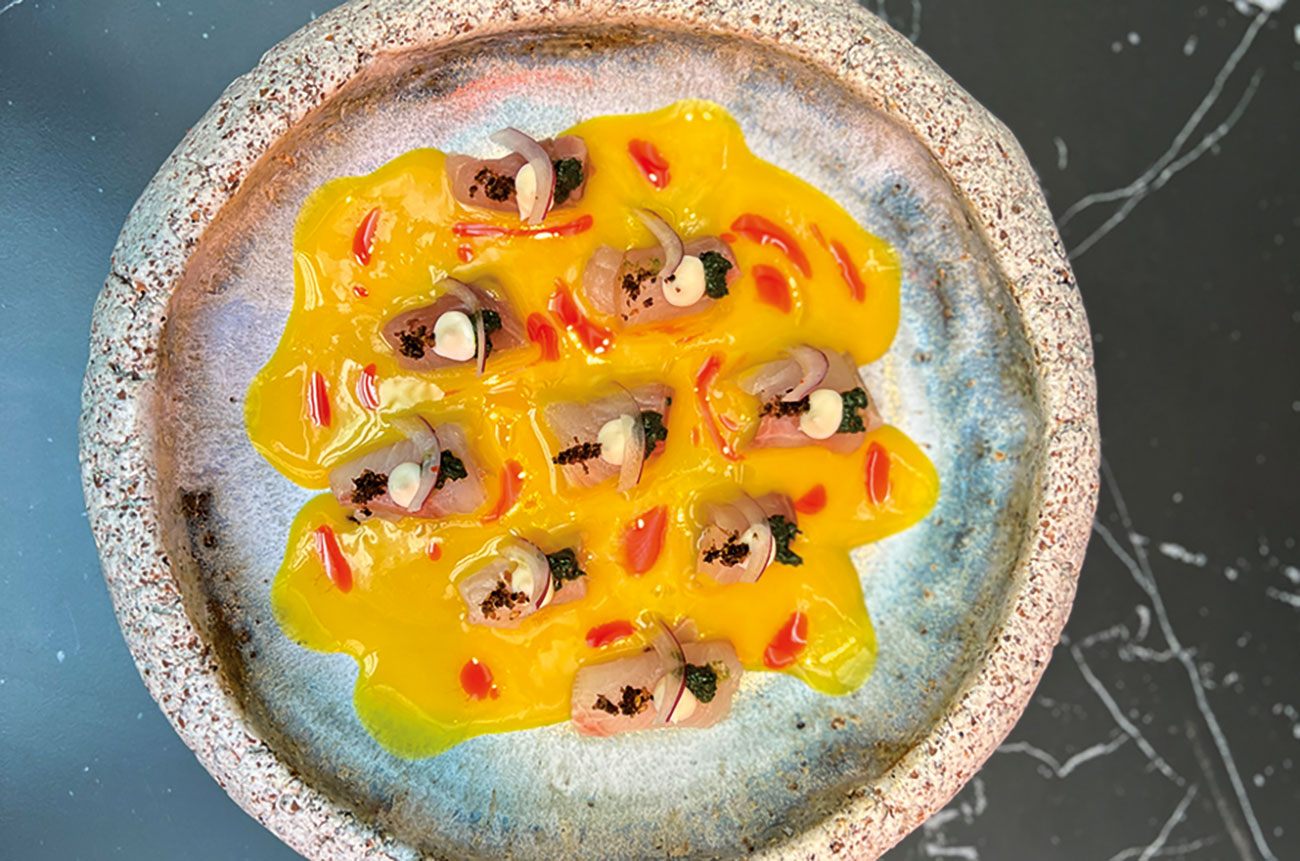
The 19th and 20th centuries brought significant migration waves from Asia, which fundamentally altered the Peruvian palate. The influx of Chinese immigrants introduced Chifa—a blend of Cantonese techniques and Peruvian ingredients—resulting in staples like lomo saltado (a stir-fried beef dish). Shortly thereafter, Japanese arrivals birthed Nikkei cuisine. This movement saw the marriage of fresh Pacific seafood with precise Japanese slicing techniques, giving rise to tiradito and refining the preparation of cebiche.
Today, this history is recognized by the global culinary community. The inclusion of Lima-based restaurants such as Central and Maido at the top of the World’s 50 Best Restaurants list serves as a formal acknowledgment of this evolution. These establishments have elevated street-food concepts to a fine-dining art form, effectively branding Peru as a premier culinary tourism destination.
The Art of the Pairing: A Sommelier’s Perspective
As the complexity of Peruvian cuisine gains international recognition, the dialogue surrounding beverage pairing has shifted from casual consumption to formal oenological study. Historically, the standard accompaniment for many Peruvians was Inca Kola, a sweet, carbonated soft drink flavored with lemon verbena. However, as the nation’s wine scene experiences a renaissance—particularly with the revival of eight ancestral grape varieties—professional sommeliers are increasingly looking to bridge the gap between high-acid, citrus-forward Peruvian food and refined wine profiles.
The challenge for the modern sommelier lies in the intense acidity of the leche de tigre—the "tiger’s milk" marinade used in cebiche. Traditional pairings, such as high-acid whites like Semillon, are gaining traction. Experts suggest that a Semillon with sufficient body can hold its own against the textural density of lightly fried squid or raw prawns without being overwhelmed by the lime-and-chilli marinade.
For more complex dishes, the approach requires a shift toward structural harmony. When addressing the richness of arroz con pato, sommeliers often recommend an aged St-Emilion. The medium acidity of a Merlot-dominant blend from this region is capable of cutting through the fat of the duck while the tertiary notes—often described as toasty or leathery—complement the umami depth of the dish.
Emerging Trends in Pisco and Wine Integration
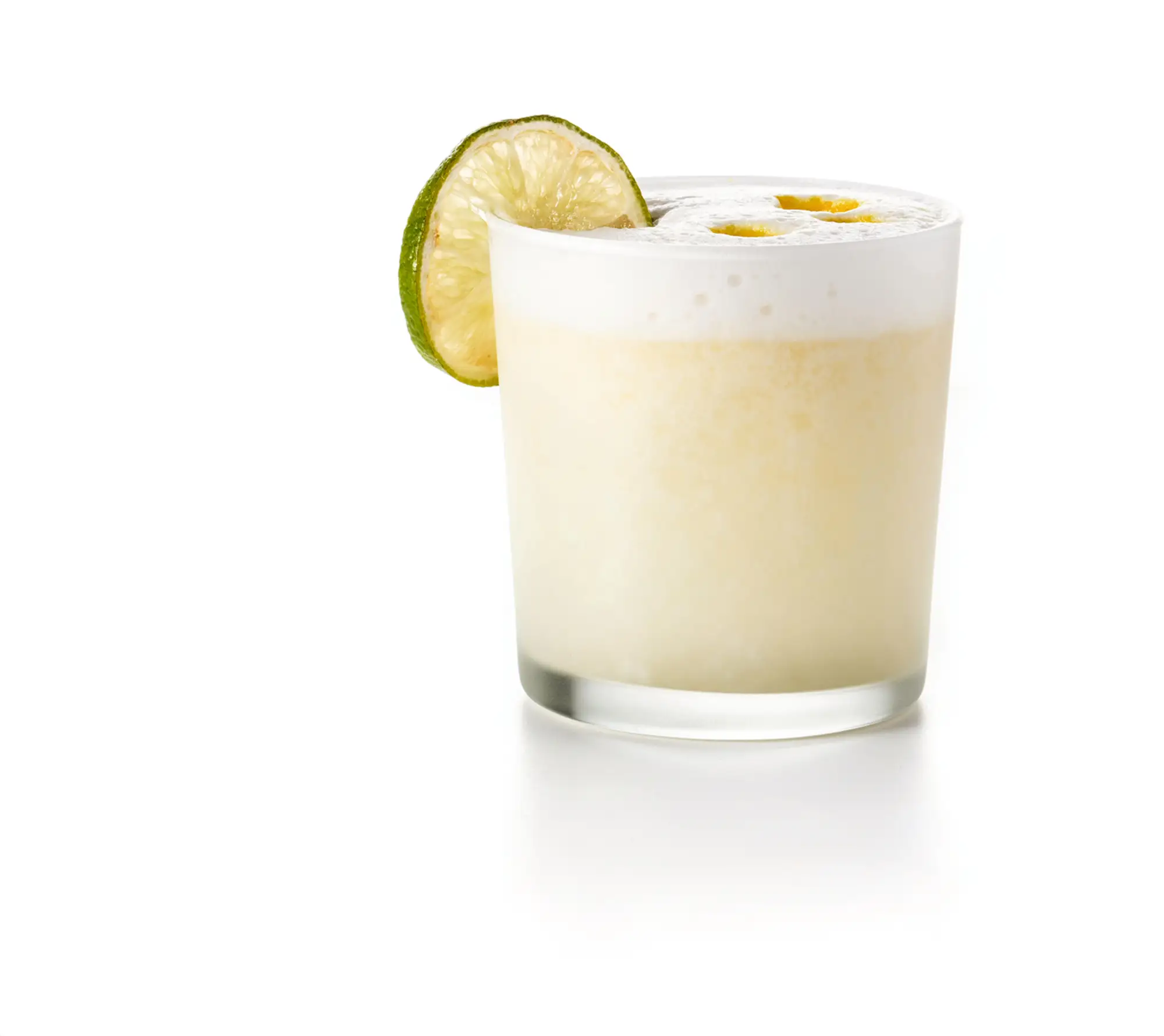
While wine pairing is a growing field, the cultural significance of Pisco, a fermented grape distillate, remains paramount. Peru consumes approximately 80% of its own Pisco production, primarily in the form of the Pisco Sour, the Chilcano, or the El Capitán.
However, the industry is witnessing a strategic pivot. Modern producers are focusing on terroir-driven wines that utilize heritage grapes like Black Criolla, Quebranta, and Albilla. Josué Garma, a prominent sommelier at La Mar Cebichería, notes that skin-contact wines made from these heritage varieties are particularly effective during the uni (sea urchin) season. The inherent fruitiness and spicy finish of these grapes provide a counterpoint to the creamy, saline profile of fresh sea urchins harvested along the southern coast.
Economic and Cultural Implications
The rise of Peruvian gastronomy has had tangible economic impacts. The sector is a significant driver of tourism, with visitors increasingly traveling to Peru specifically to engage with its food systems. This has incentivized local farmers to protect rare varieties of potatoes and chillies, effectively creating an economic framework for the preservation of biodiversity.
Furthermore, the influence of Nikkei and Chifa cuisines has allowed Peru to project "soft power" on the global stage. By integrating Japanese and Chinese influences into a distinctly Peruvian identity, the country has created a culinary language that is both accessible to international palates and deeply rooted in local tradition.
Practical Guidelines for Home Pairing
For those attempting to replicate these pairings outside of a restaurant setting, the following guidelines have been established by local experts:
- Rocoto Relleno and Pinot Noir: The heat of the stuffed pepper requires a wine with soft tannins. An aged Pinot Noir provides enough structure to complement the spice without clashing with the capsaicin, while the wine’s secondary characteristics add complexity to the meat filling.
- Tiradito and the Chilcano: Because tiradito is often served with yuzu or ponzu-based sauces, it benefits from a drink that mirrors its citrus and ginger notes. A well-constructed Chilcano—consisting of Pisco, fresh lime, and ginger beer—acts as an palate cleanser that prepares the tongue for the next slice of sashimi-grade fish.
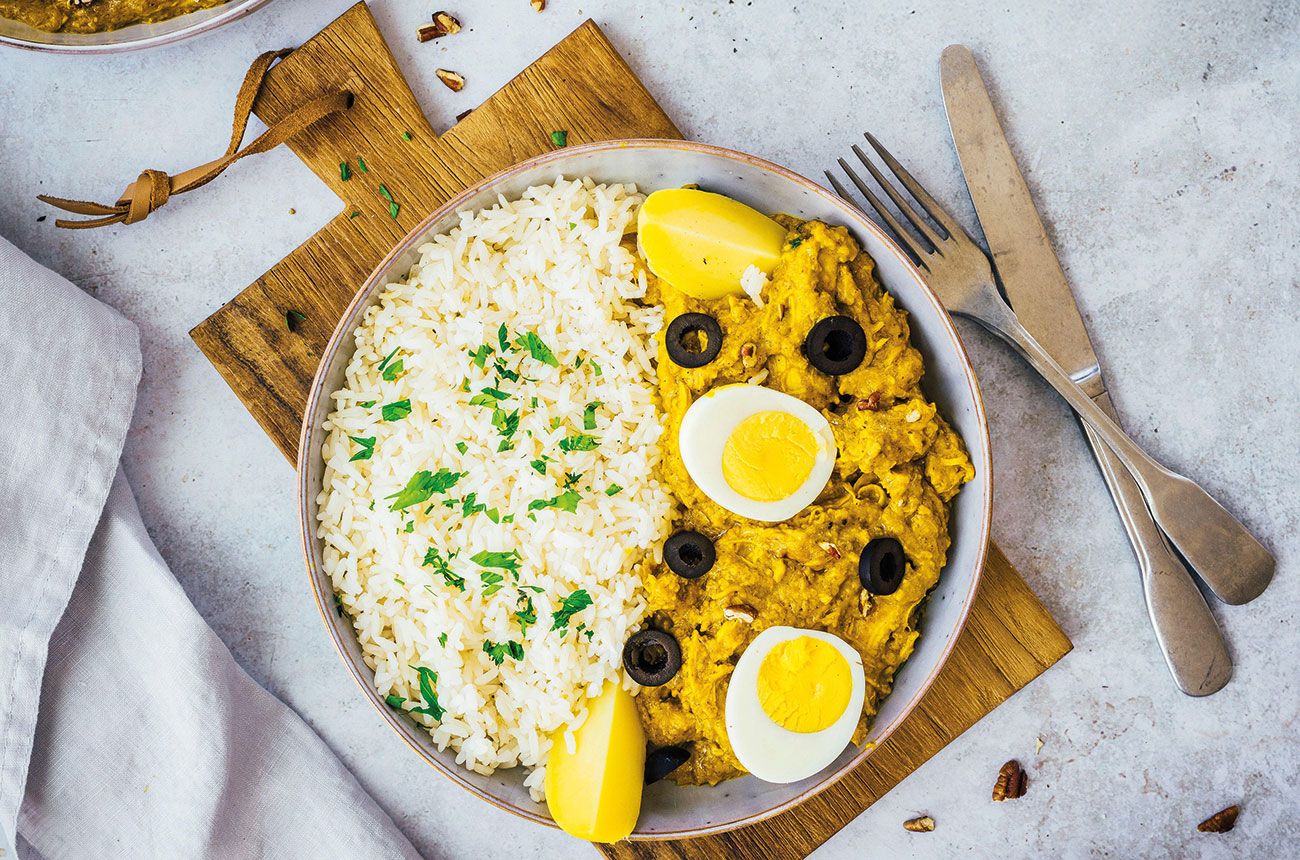
- Ají de Gallina and Chicha Morada: This traditional Andean chicken stew, characterized by its creamy, yellow chilli sauce, pairs best with chicha morada. This non-alcoholic beverage, brewed from purple corn, apples, and pineapple, offers a sweet-spiced profile that perfectly balances the moderate heat of the chicken stew.
Future Outlook
The trajectory of Peruvian cuisine suggests that its influence will continue to expand. As global supply chains improve, the availability of authentic Peruvian ingredients—such as specific chilli pastes and native grains—is increasing, allowing home cooks and international chefs alike to explore these flavours with greater accuracy.
The focus now, according to industry observers, is on sustainability and provenance. As Peru’s top chefs continue to emphasize the "farm-to-table" ethos—sourcing ingredients from the Andes to the Amazon—the cuisine is likely to serve as a model for how nations can leverage indigenous culinary assets to drive both national identity and international economic growth. Through a disciplined approach to pairing and a continued reverence for their diverse agricultural bounty, Peru remains a benchmark for what it means to possess a truly distinct and globalized food culture.