The culinary intersection of red wine and beef represents one of the most enduring and analytically studied matches in modern gastronomy. While the foundational rule of thumb—pairing lean cuts with lighter-bodied wines and rich, fatty cuts with high-tannin profiles—has guided diners for decades, contemporary sommeliers and culinary scientists understand that successful pairings depend on a complex chemical interplay between proteins, fats, tannins, and acidity. As global consumption of artisanal beef and regional wines continues to evolve, understanding the structural components of both steak and wine has transitioned from an informal dinner-party consideration into a precise, systematic discipline.

Historically, the evolution of steak and wine pairings parallels the development of regional agriculture. For centuries, European winemakers naturally consumed local red wines alongside regional cattle breeds, establishing traditional pairings out of geographic necessity. In regions like Bordeaux, the naturally high tannin levels of Cabernet Sauvignon and Merlot proved chemically ideal for softening the dense proteins and heavy fats of local livestock. Over the past fifty years, the globalization of food and wine markets has democratized these pairings. Consumers no longer rely solely on regional proximity; instead, they analyze the specific characteristics of beef preparation—ranging from dry-aging techniques and fat marbling to smoke profiles and pan-searing methods—and pair them with specific grape varieties cultivated across the globe.
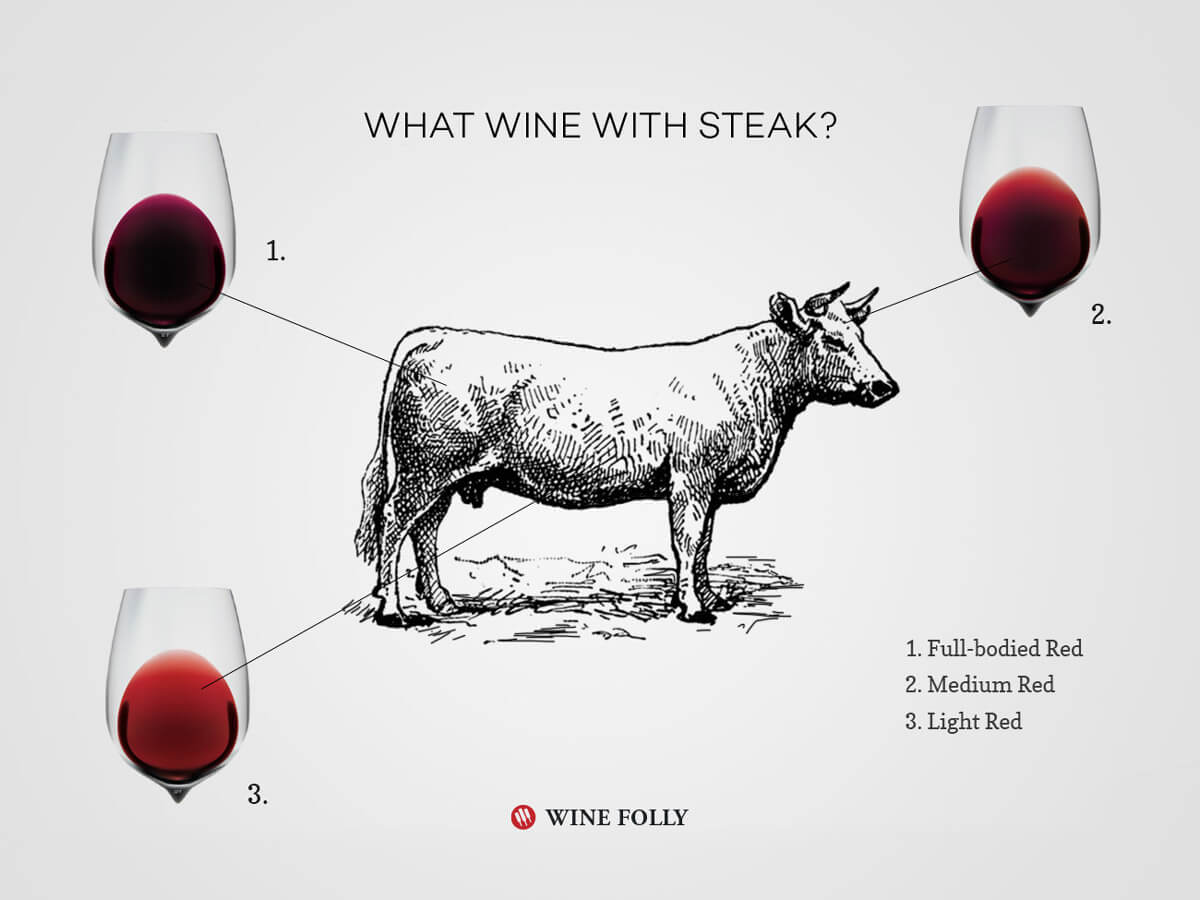
To achieve an optimal pairing, one must examine the fundamental science of how wine interacts with beef. Tannins, which are naturally occurring polyphenols found in grape skins, seeds, and stems, react with the proteins and fats in a steak. When a high-tannin wine is consumed alongside a well-marbled cut of beef, the fat and protein molecules bind to the tannins, softening the astringency of the wine and coating the palate with a velvety texture. Conversely, the acidity in wine acts as a palate cleanser, cutting through heavy animal fats and resetting the taste receptors between bites. Understanding these mechanisms allows diners to move beyond generic red wine recommendations and tailor their selections to specific cuts of meat.
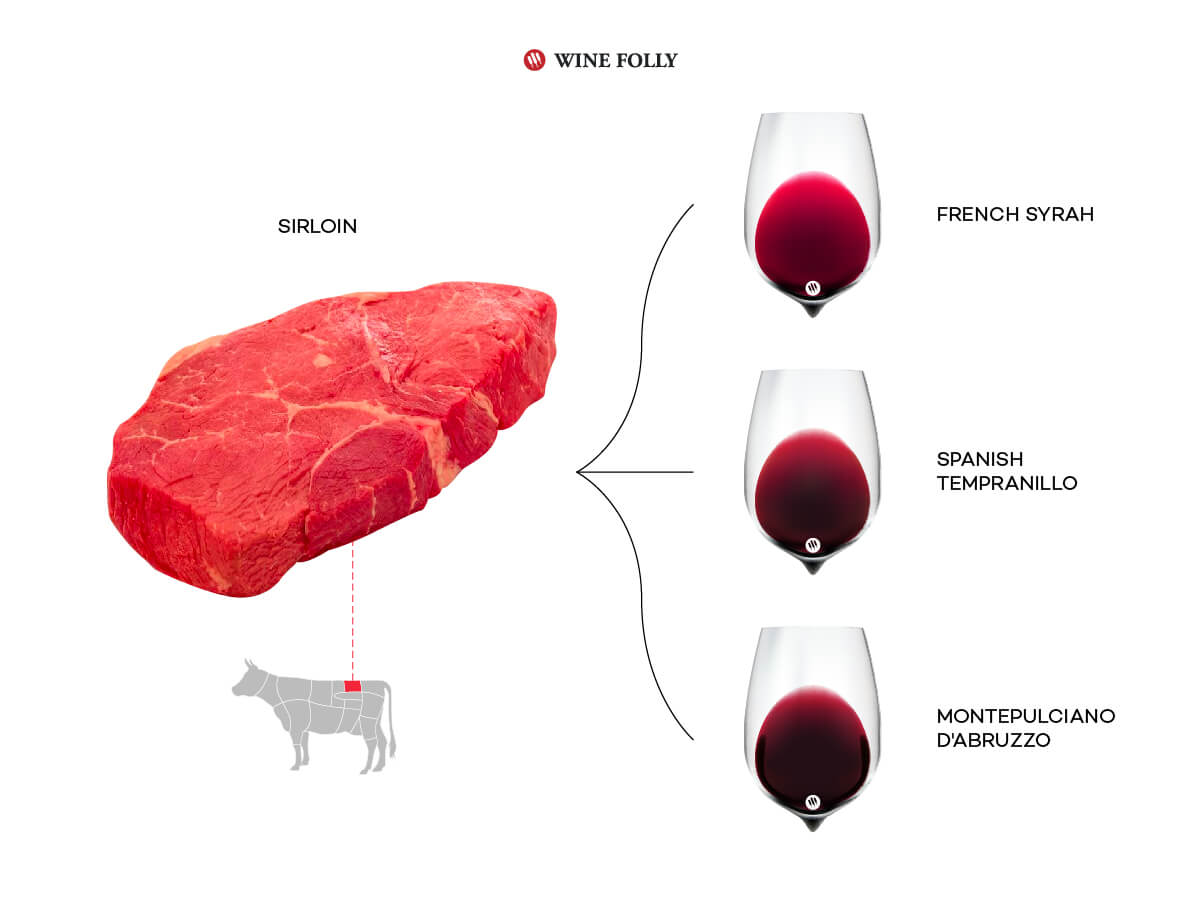
Analyzing the characteristics of individual cuts reveals why specific wine profiles are historically recommended by culinary experts. Sirloin, recognized as one of the most versatile and common cuts, features light fat marbling and a prominent edge of fat. Because it frequently undergoes various seasoning applications—ranging from simple herb rubs to complex tomato- or wine-based reductions—it demands a flexible, medium-to-full-bodied red wine that can adapt to different flavor profiles without being overwhelmed.
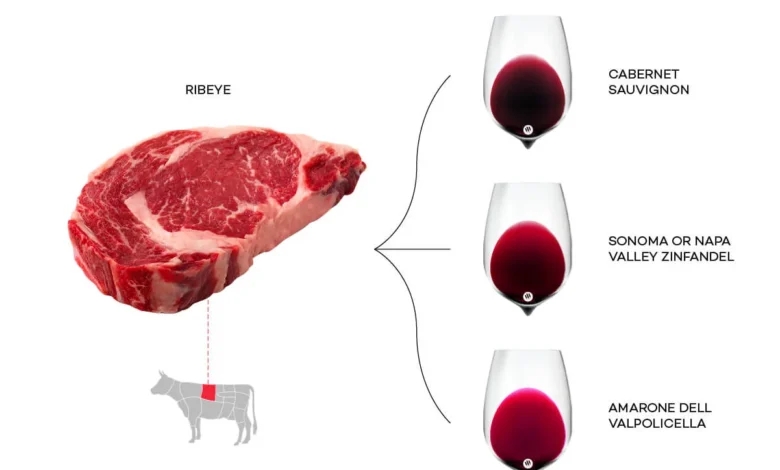
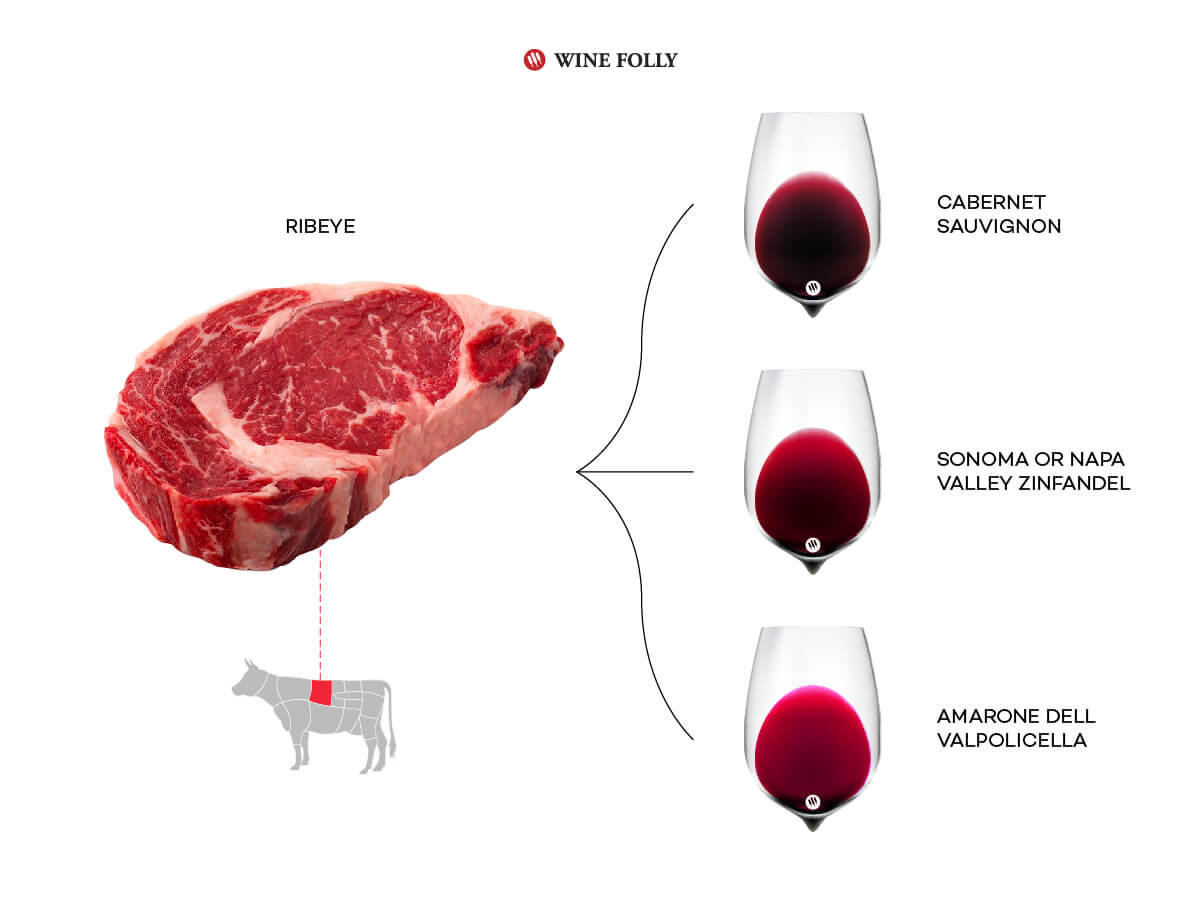
In contrast, the Ribeye and its bone-in counterpart present a completely different chemical challenge due to their high intramuscular fat content, commonly referred to as marbling. This abundant fat renders the meat exceptionally tender and buttery when subjected to high-heat grilling. To properly balance a Ribeye, the accompanying wine must feature either aggressive, structuring tannins that slice cleanly through the rich animal fats or intense, concentrated fruit flavors that provide a vibrant contrast to the savory depth of the beef.
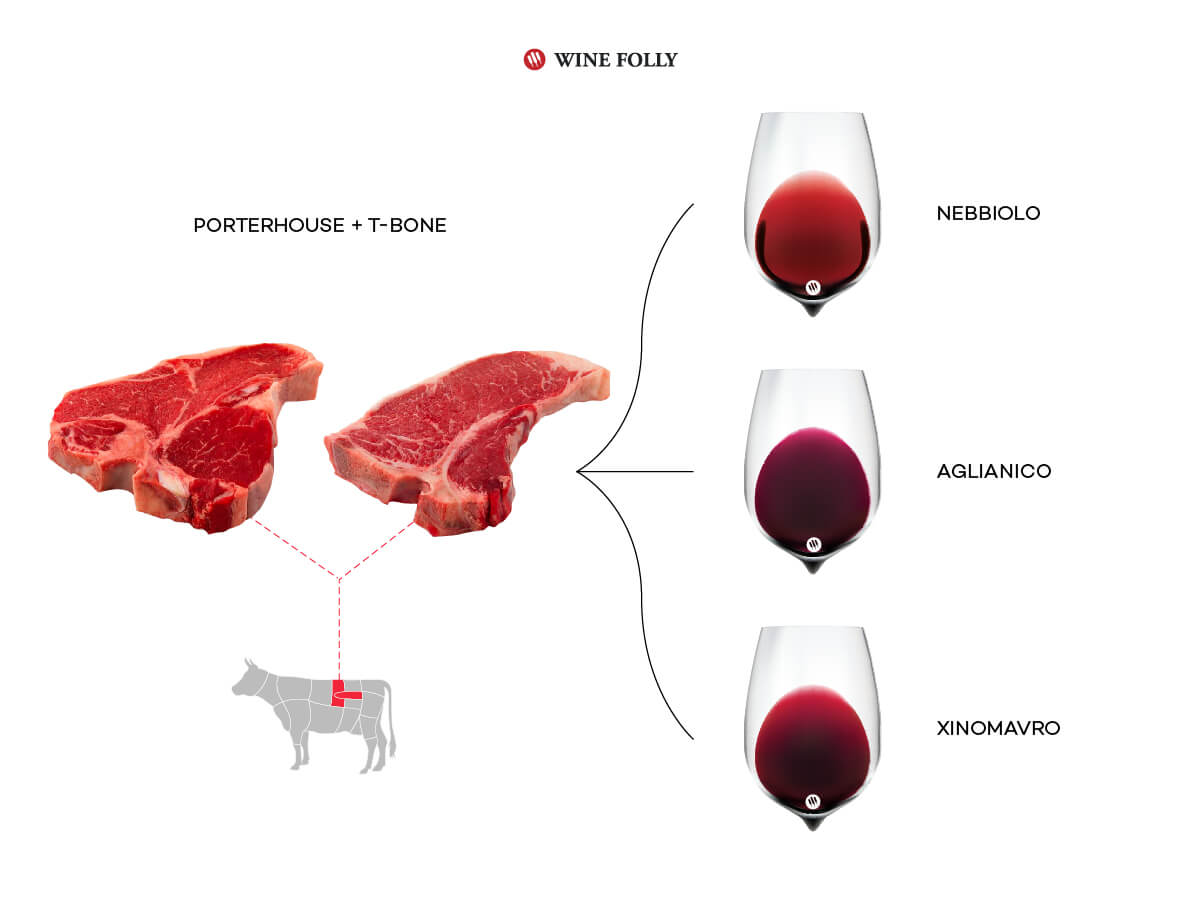
For diners seeking the dual experience of tenderness and robust flavor, Porterhouse and T-Bone steaks offer a unique anatomical combination: a tender filet mignon section on one side of the bone and a firmer, deeply flavorful strip steak on the other. Because these cuts combine relative leanness with distinct muscular flavor, aromatic and structurally balanced red wines are required to complement the dual textures without dominating the subtle nuances of the filet.
The Filet Mignon represents the pinnacle of tenderness, characterized by an exceptionally lean profile and a delicate, subtle beef flavor. Unlike heavily marbled cuts that require high tannins, the filet is easily overwhelmed by aggressive, heavy-handed wines. Consequently, culinary professionals recommend elegant, restrained red wines with softer tannin structures. These wines run parallel to the delicate nature of the meat, enhancing its natural profile through complementary earthy or fruit-forward notes rather than overpowering it with astringency.
The Strip steak—known regionally as the New York Strip, shell steak, or Kansas City strip—features a coarser grain structure and a substantial ribbon of exterior fat. Frequently prepared in cast-iron pans and basted with butter, the strip requires a wine equipped with both robust fruit expression and firm acidity. The combination of acid and tannin allows the wine to cleanse the palate of rich butter and rendered fat while standing up to the bold, beefy flavor inherent to the short loin.
Moving to harder-working muscle groups, the Rump steak offers a firm texture packed with intense, savory flavor. Because rump is frequently marinated or subjected to braising and slow-cooking techniques to tenderize the muscle fibers, the wine selection must account not only for the beef itself, but also for the specific marinades and sauces utilized during preparation. Similarly, Flank and Skirt steaks, prized for their deep, robust beef flavor, possess a tougher grain structure that requires precise cooking to avoid a chewy texture. When prepared simply on the grill with salt and pepper, these cuts benefit from vibrant, fruit-forward red wines that elevate the chewy, savory experience into a harmonious culinary event.
Finally, the inclusion of Brisket in modern steak and barbecue discussions highlights the profound impact of cooking methodology on wine selection. Brisket requires low-and-slow smoking techniques, heavily infusing the meat with wood smoke—frequently hickory, oak, or mesquite. The resulting flavor profile necessitates red wines that not only complement the heavy fat content of the brisket flat and point but also harmonize with the phenolic compounds imparted by wood smoke. Robust reds with subtle earthy, peppery, or smoky undertones bridge the gap between the barbecue pit and the wine glass.
Industry experts emphasize that while these established guidelines provide a reliable framework for successful dining, personal preference remains the ultimate arbiter in any wine and food pairing. Culinary arts are inherently subjective, and diners are encouraged to use structural principles as a starting point for individual exploration. As the commercial landscape of international winemaking and premium butchery continues to expand, the opportunity for personal discovery within the realm of wine and steak pairing has never been more accessible.