The Rise of Destilado Con: How Vegan Pechuga is Redefining the Mezcal Paradigm

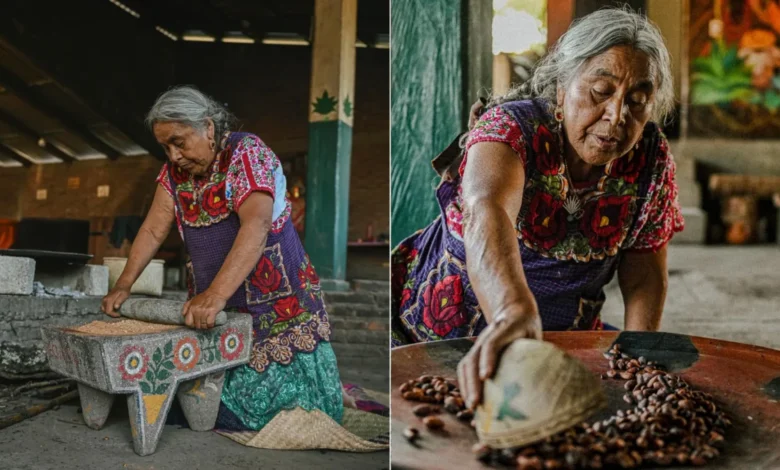
The traditional world of mezcal is currently navigating a significant transformation as a burgeoning subcategory, colloquially known as "vegan pechuga" or more formally as "destilado con," gains traction among connoisseurs and casual drinkers alike. For centuries, the production of pechuga has remained one of the most guarded and celebratory practices in Mexican distilling. Traditionally, this process involves a third distillation where a basket of fruits, grains, and spices is suspended within the still. Crucially, this traditional method requires the inclusion of a raw protein—most commonly a turkey or chicken breast (pechuga)—which hangs over the boiling spirit, cooked by the rising vapors and dripping its fats and proteins into the distillate to provide a unique mouthfeel and savory complexity.
However, a new wave of producers is challenging this historical requirement. By omitting the animal protein and focusing exclusively on botanical, mineral, and fungal additions, these distillers are creating a category that is simultaneously expanding the flavor profile of agave spirits and igniting a fierce debate over nomenclature and tradition. This emerging sector, often labeled "destilado con" (distilled with), is moving from the fringes of Oaxacan villages to the backbars of high-end urban establishments across the United States.
The Technical Evolution of Pechuga
To understand the impact of "destilado con," one must first grasp the mechanics of the pechuga style. The process is defined by the "vapor infusion" method. As the mezcal undergoes its final distillation, the steam passes through various ingredients. Traditional recipes often include seasonal fruits like tejocote, guava, and apples, alongside cinnamon, rice, and almonds. The protein component—whether it be poultry, deer, rabbit, or more exotic choices like iguana—acts as a clarifying agent and a textural enhancer, rounding out the sharp edges of the alcohol.
In the "destilado con" variation, the protein is removed entirely. Producers instead lean into the intensity of the botanicals. Some distillers continue to use the suspension method, hanging baskets of herbs or fruits above the pot. Others have adopted a total immersion technique, where the ingredients are macerated directly in the spirit before or during the final distillation. This shift has allowed for a broader range of experimental flavors that would otherwise be overwhelmed by the savory, often gamey notes of a traditional meat-infused pechuga.
Historical Context and the Catalyst for Change
While the commercial "destilado con" trend is relatively recent, the roots of infusing agave spirits with plant-based materials are deep. In the state of Sonora, the production of Bacanora has long included infusions with the uvalama shrub, a native drupe related to the coffee cherry. These medicinal and regional variations existed in local communities for generations, often outside the formal "mezcal" designation.
The modern push into the international market can be traced back to approximately 2012. Erick Rodriguez, founder of the Mexico City-based label Pal’alma, is frequently cited as a pioneer in this space. Rodriguez began collaborating with mezcaleros to produce spirits distilled with ingredients like coffee, cacao, and the flowers used in Day of the Dead ofrendas.
"At first, people accused me of breaking tradition," Rodriguez noted regarding his early efforts. "But now, everyone is doing it." His work helped demonstrate that the complexity of a pechuga-style spirit could be achieved through plant-based artistry alone, opening the door for a new generation of "open-minded" mezcaleros from Puebla to Guerrero.
The Growth of the U.S. Market
The commercial trajectory of these spirits in the United States reflects a broader "agave boom." According to industry experts, the availability of these products has skyrocketed. A decade ago, a consumer would be hard-pressed to find a single bottle of protein-free pechuga on American shelves. Today, there are more than 50 distinct "destilado con" expressions commercially available.
Fred Sanchez, an importer and founder of Cultura Maguey, highlights that this growth is driven by both producer innovation and consumer demand for transparency and dietary inclusivity. The rise of veganism and plant-based diets has naturally created a niche for "vegan pechuga," even if the term remains contentious among purists.
Major importers like Skurnik Spirits have embraced the category, bringing in labels such as Salvadores, which offers distillations featuring hoja santa, elote (corn), and tamarind. These products serve as an entry point for newcomers who might be intimidated by the idea of meat-distilled spirits but are eager to explore the culinary side of mezcal.

Notable Expressions and Flavor Profiles
The diversity of the "destilado con" category is best illustrated by the specific bottlings currently defining the market. These spirits often function as liquid snapshots of Mexican culture and agriculture:
- Zinacantan Destilado Con Vanilla: Produced in Puebla, this spirit utilizes Papalomé agave distilled with vanilla beans from a Veracruz cooperative. The result is a profile characterized by buttercream and white pepper, anchored by a strong cooked agave core.
- Rey Campero Ponche de Frutas: This expression mimics the traditional Mexican Christmas punch. It incorporates guava, apples, raisins, and cinnamon, using a spontaneously fermented Espadín base.
- Macurichos Destilado con Cacao: On the savory end of the spectrum, this bottling evokes campfire hot chocolate and Sarawak pepper, showcasing how cacao can provide the textural weight usually reserved for proteins.
- Salvadores Destilado con Elote: This spirit captures the essence of creamed corn and atole, offering a mellifluous, sweet profile that highlights the importance of maize in Mexican distilling traditions.
- Bozal Cempasúchil: Distilled with the marigold flowers central to Dia de los Muertos, this spirit offers a floral, almost incense-like quality that has become a seasonal favorite in the U.S.
The Linguistic and Regulatory Debate
The term "vegan pechuga" has become a flashpoint within the industry. To some, it is a helpful descriptor that immediately communicates the absence of meat. To others, it is a linguistic oxymoron. Since "pechuga" literally translates to "breast," many traditionalists argue that a spirit cannot be a pechuga if no breast is involved.
"It’s not a term the mezcaleros use," Rodriguez argues, suggesting that the industry lacks the proper vocabulary to describe this evolving category.
Beyond the linguistic debate lies a regulatory challenge. The Alcohol and Tobacco Tax and Trade Bureau (TTB) in the U.S. and the Consejo Regulador del Mezcal (CRM) in Mexico have strict definitions for what can be labeled as "Mezcal." Many "destilado con" products are labeled simply as "Agave Spirits" or "Destilado de Agave" because the addition of ingredients after the second distillation can disqualify them from the official "Mezcal" certification in certain jurisdictions. This adds a layer of complexity for importers who must navigate different labeling requirements while trying to market an esoteric product to a global audience.
Impact on Mixology and Hospitality
The versatility of "destilado con" has made it a favorite among bartenders. Unlike traditional pechugas, which are usually sipped neat due to their high cost and savory profile, "destilado con" expressions are increasingly finding their way into cocktails.
In Louisville, Kentucky, the bar Pretty Decent has utilized Mal Bien Zacate Limón (lemongrass) in sophisticated julep variations. In New York City, the restaurant Obvio uses tamarind and mango distillates to amplify fresh fruit components in their signature drinks. The ability of these spirits to act as a "spirit-forward cocktail" in a single bottle allows bartenders to experiment with layers of flavor—such as anise, sarsaparilla, or cacao—without the need for multiple modifiers or bitters.
Analysis of Broader Implications
The rise of "destilado con" represents more than just a new trend in spirits; it is a reflection of the tension between cultural preservation and market evolution. By removing the meat component, producers have made a traditionally "macho" or celebratory spirit more accessible to a global, health-conscious, and ethically diverse consumer base.
However, this evolution also carries risks. As the demand for "botanical mezcals" grows, there is a concern that the category could become diluted by mass-produced "flavored" spirits that lack the artisanal integrity of true "destilado con" methods. The distinction lies in the process: true "destilado con" involves the co-distillation of ingredients, whereas cheaper alternatives may simply add artificial flavorings to a base spirit.
Furthermore, the success of this category provides an economic lifeline to smaller palenques. By producing limited-run, high-value botanical distillations, small-scale producers can command higher prices and distinguish themselves in a crowded market dominated by large industrial brands.
Conclusion
Whether labeled as "vegan pechuga," "destilado con," or simply "agave spirit with natural flavors," this subcategory is firmly establishing itself as a vital part of the agave landscape. It bridges the gap between the ancient medicinal traditions of rural Mexico and the modern, flavor-driven demands of the international spirits market. As the industry continues to define the language and regulations surrounding these spirits, the "destilado con" movement serves as a testament to the versatility of the agave plant and the enduring creativity of the people who distill it. For the consumer, it offers a "galaxy of flavors" that honors the past while embracing a more inclusive and experimental future.