The Ultimate Guide to Seasonal Cooking: Utilizing Peak Summer Produce from Local Farmer’s Markets

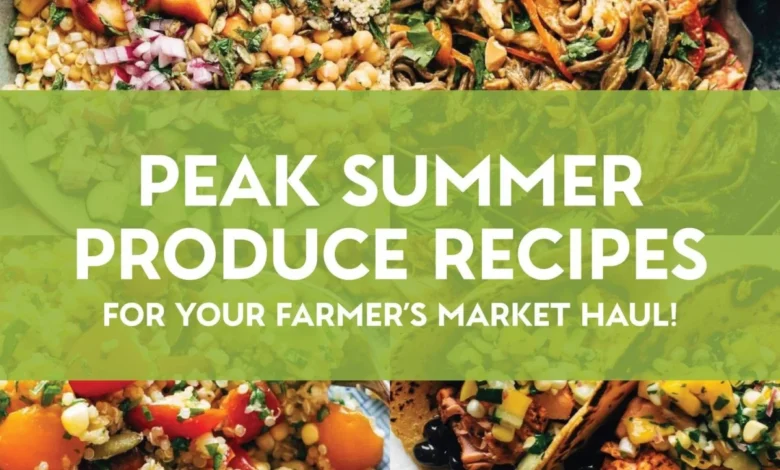
The surge in local agricultural commerce during the summer months represents more than just a seasonal shift in grocery shopping habits; it signifies a robust return to farm-to-table culinary practices that prioritize freshness, nutrient density, and community economic support. As regional farmers’ markets reach their peak throughout July and August, consumers are increasingly seeking sophisticated ways to utilize a diverse bounty of produce, ranging from starchy sweet corn and nightshades like tomatoes and peppers to stone fruits and versatile cucurbits such as zucchini and cucumbers. This culinary movement is supported by data from the United States Department of Agriculture (USDA), which notes a significant rise in direct-to-consumer sales, reflecting a growing public interest in the provenance and quality of their food.
The Economic and Cultural Renaissance of the Farmer’s Market
The proliferation of farmers’ markets across North America has created a unique intersection between urban consumers and rural producers. According to the Farmers Market Coalition, these markets provide a vital lifeline for small-to-medium-sized farms, allowing them to capture a larger share of the food dollar compared to traditional wholesale channels. Culturally, the market experience has evolved into a weekly ritual for many, characterized by the pursuit of "peak" flavor—a quality often lost in the long-distance supply chains of conventional supermarkets.
Economists point out that for every $100 spent at a farmers’ market, approximately $62 stays within the local economy, compared to only $25 when shopping at large national chains. This economic impact is mirrored by a nutritional one: produce harvested at peak ripeness and sold within 24 to 48 hours retains higher levels of vitamins, particularly Vitamin C and various antioxidants, which begin to degrade immediately after picking.
A Chronological Overview of Peak Summer Harvests
Understanding the timeline of summer produce is essential for optimal meal planning. The season typically begins with the late spring arrival of strawberries and greens, transitioning into the mid-summer abundance of stone fruits and squashes, and culminating in the late-summer "harvest moon" period of corn and heirloom tomatoes.
- Early Summer (June – Early July): Strawberries, green beans, and leafy greens dominate. This period is ideal for lighter fare and preserving techniques like pickling.
- Mid-Summer (July – August): The "golden era" of produce, featuring peaches, nectarines, zucchini, and cucumbers. High heat brings out the sugars in stone fruits, making them perfect for both raw applications and baked desserts.
- Late Summer (August – September): Corn and tomatoes reach their zenith. This is when flavor profiles are most intense, requiring minimal intervention to produce high-quality dishes.
Culinary Innovation with Summer Stone Fruits and Berries
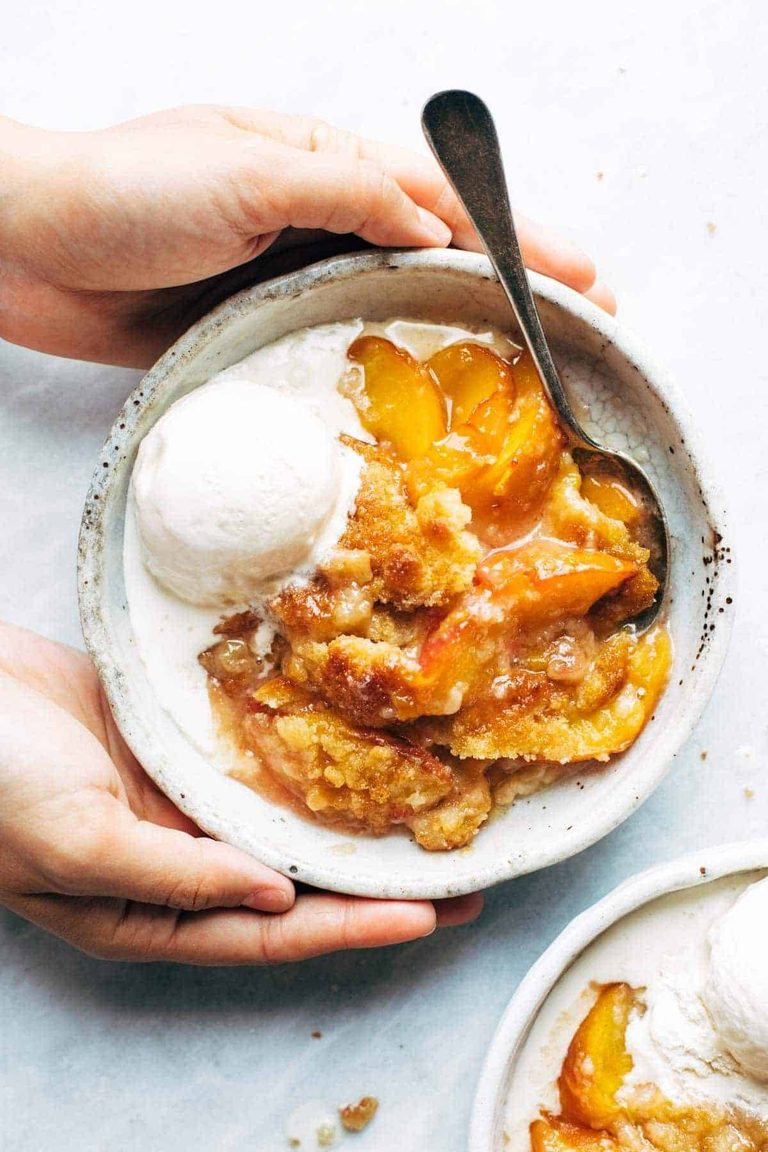
Stone fruits, specifically peaches and nectarines, along with strawberries, offer a dual utility in both savory and sweet applications. In the realm of desserts, the Peach Cobbler remains a quintessential American staple. Modern iterations focus on a texture-forward approach, utilizing a biscuit-style topping that mimics the consistency of slightly underbaked cookie dough, finished with a broiled sugar crust to provide a structural contrast to the softened, syrupy fruit beneath.
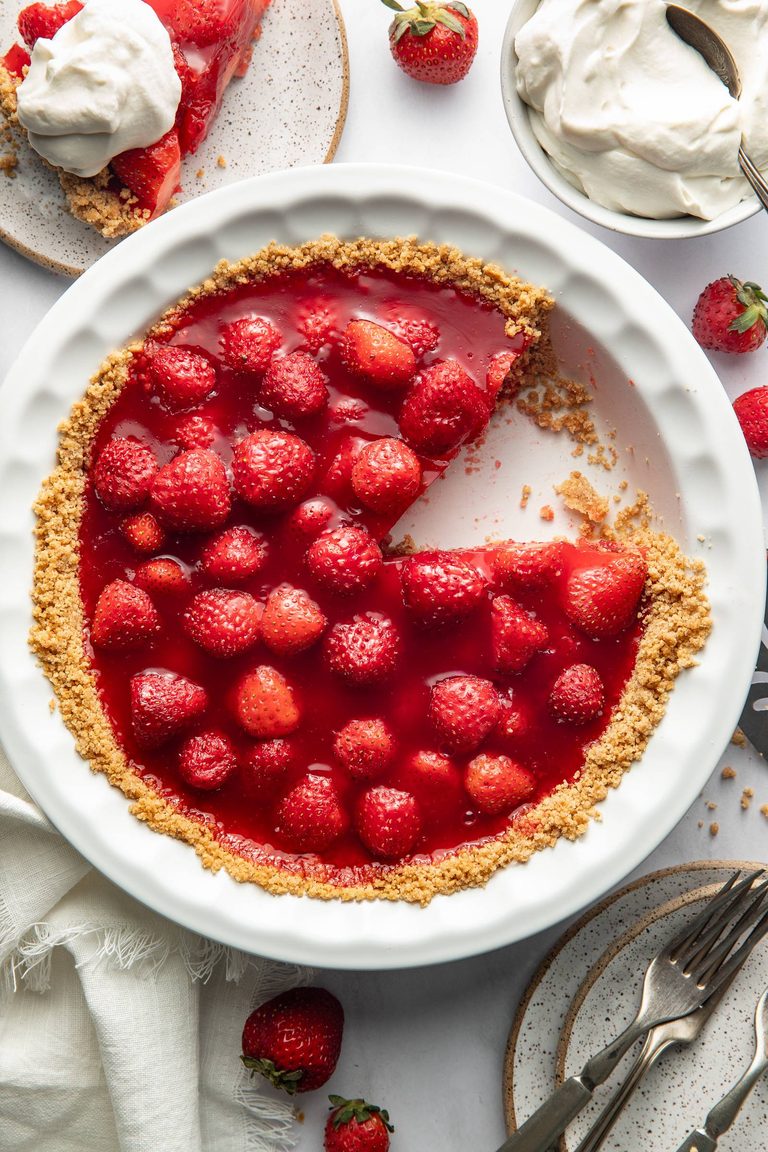
Similarly, the strawberry is being reimagined beyond the shortcake. The emergence of the Strawberry Pie, featuring a graham cracker crust and cream cheese-infused whipped cream, highlights the fruit’s ability to anchor a dish without excessive cooking. Beyond sweets, culinary experts are increasingly utilizing strawberries in savory contexts. The "Pickled Strawberry" trend—where berries are soaked in a vinegar-based brine—creates a complex flavor profile that pairs exceptionally well with goat cheese and charred sourdough, bridging the gap between appetizer and salad.
Elevating Legumes and Nightshades through Modern Technique
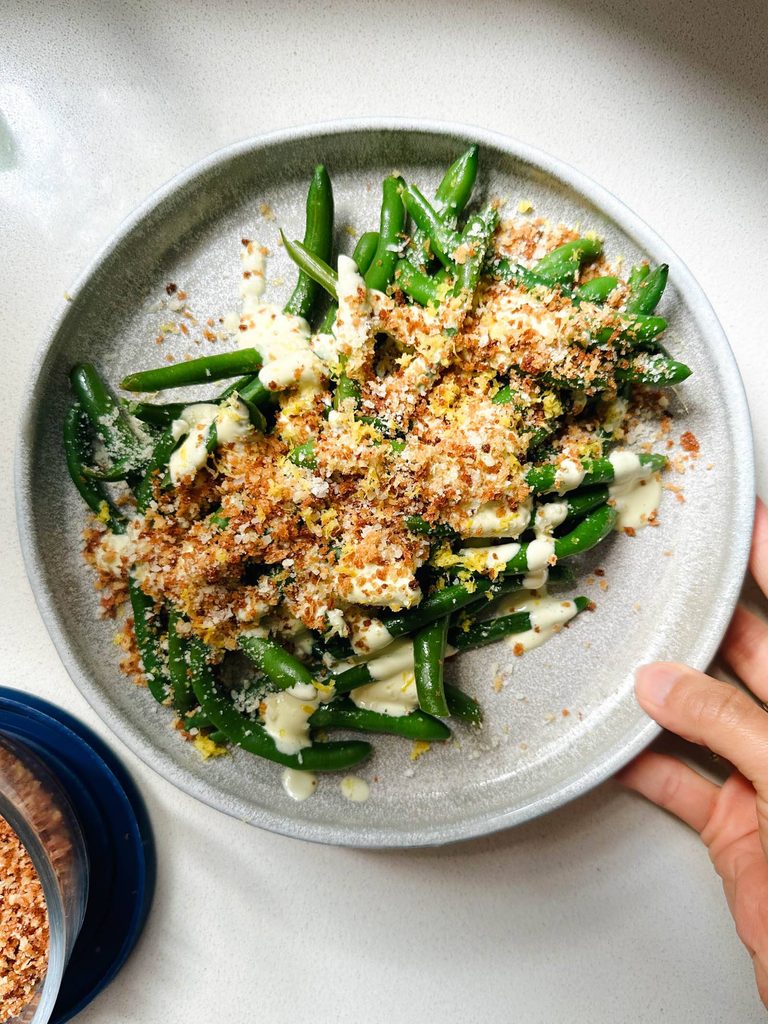
The mid-to-late summer period provides an overwhelming supply of green beans, tomatoes, and peppers. To avoid "palate fatigue," contemporary recipes are moving away from traditional boiling or heavy stewing. For instance, the "Avocado Caesar Green Beans" utilizes a cold-emulsion dressing to provide creaminess without the weight of traditional dairy, while toasted panko adds a necessary crunch that replaces the heavy fried onions of autumn casseroles.
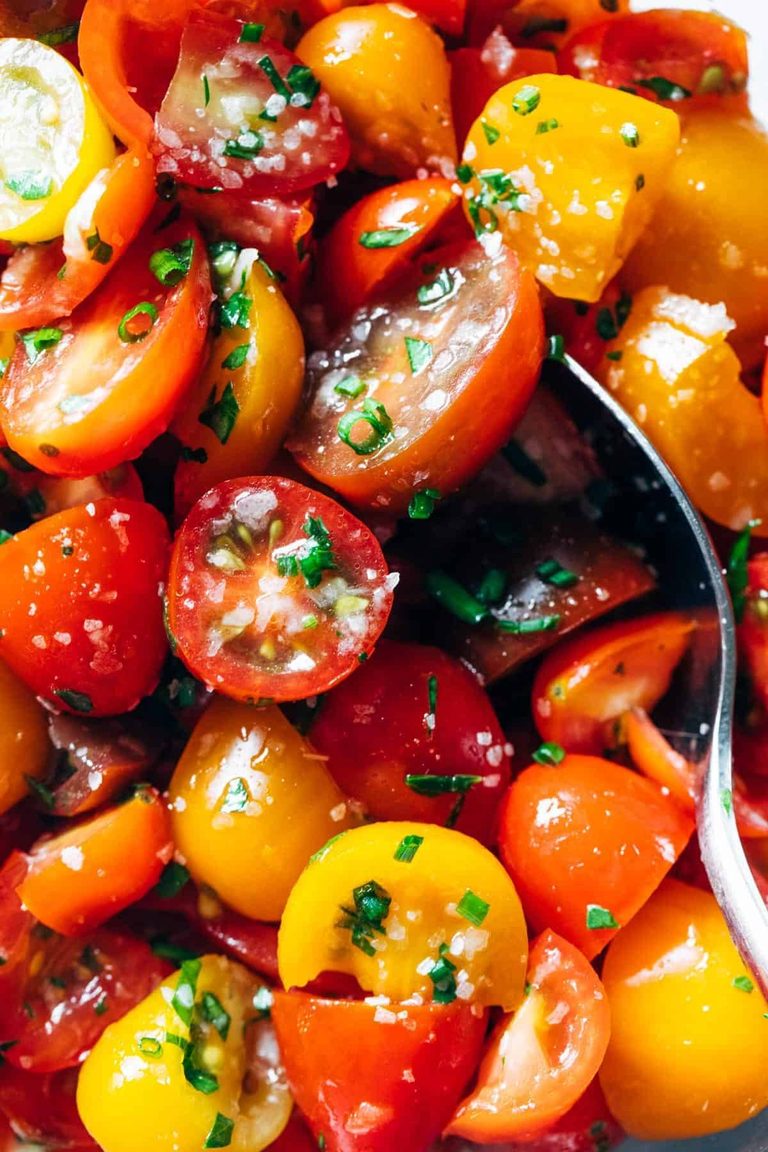
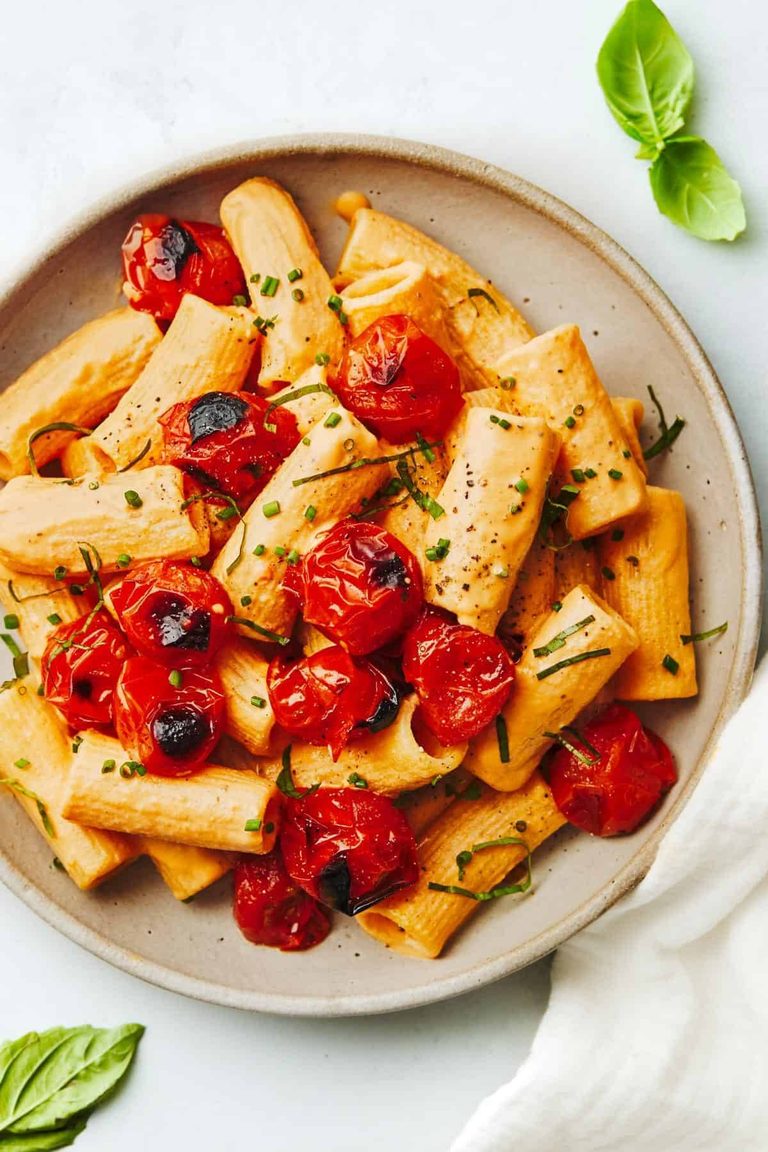
Tomatoes, perhaps the most celebrated of summer produce, are being utilized in high-acid, low-cook formats. A simple "5-Ingredient Marinated Tomato" preparation—using lemon juice, garlic, olive oil, and fresh herbs—serves as a base for everything from grain bowls to protein toppings. This method preserves the integrity of the tomato’s cellular structure, which often breaks down unpleasantly when subjected to high heat. For those with an abundance of cherry tomatoes, the "Garlic Butter Tomato Sauce" offers a quick solution for pasta, utilizing the natural pectins in the skins to create a silky emulsion with minimal butter.
Integrating Fresh Produce into High-Protein Main Courses
The challenge for many home cooks is transforming market finds into a complete, balanced meal. The integration of seafood and lean meats with seasonal vegetables provides a solution that is both satiating and reflective of the climate.
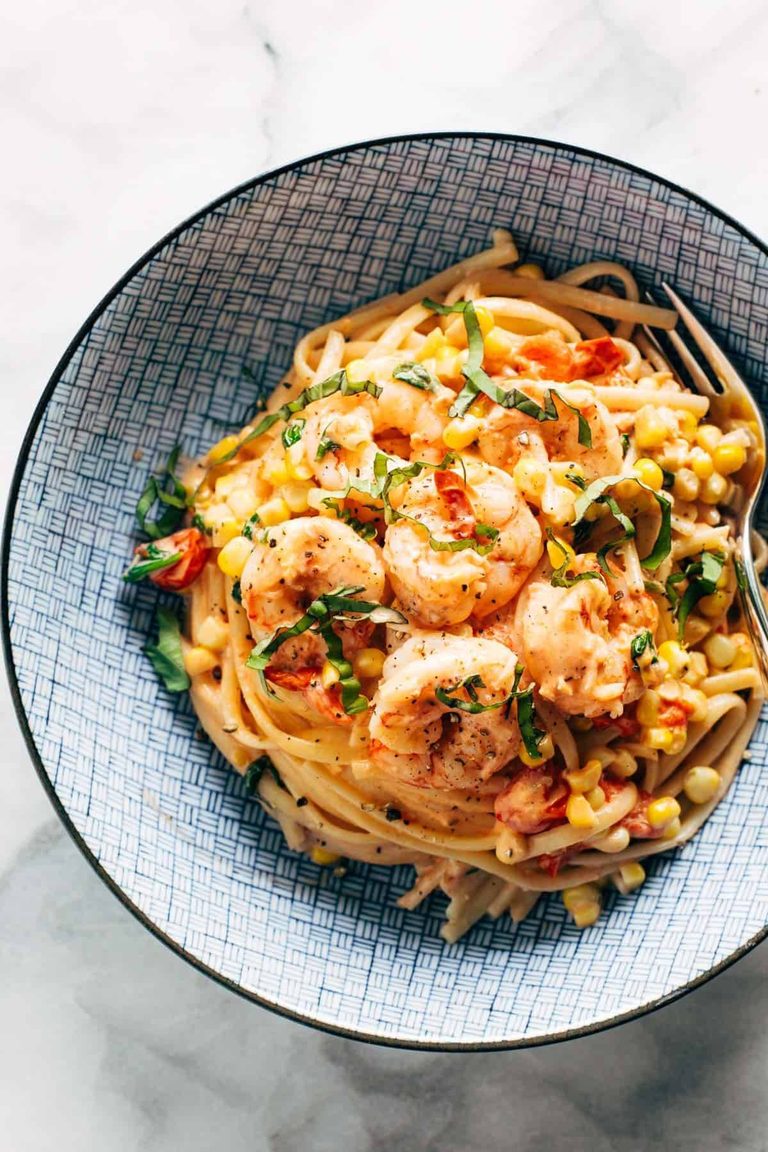
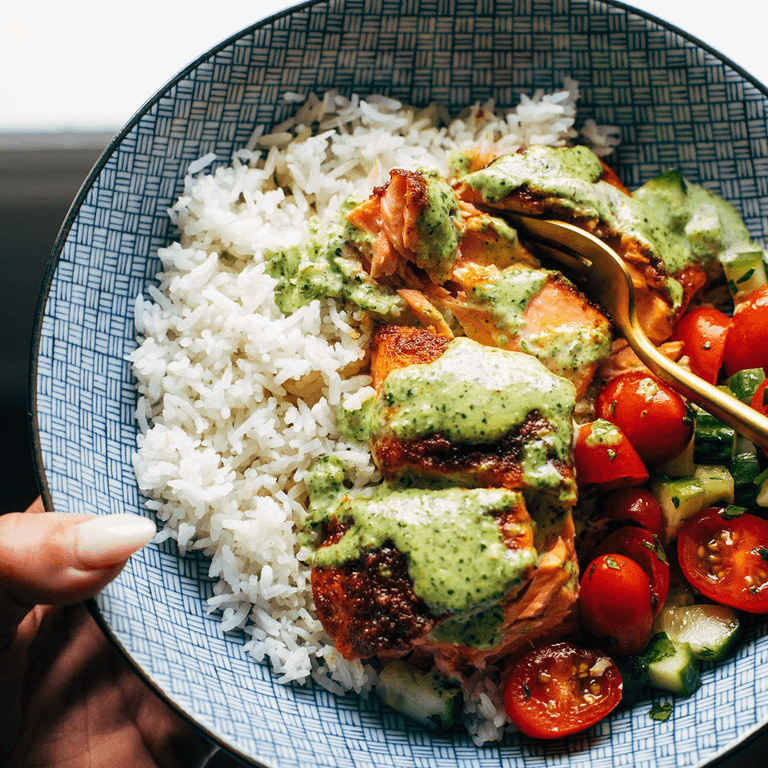
- Seafood Pairings: Salmon and shrimp are particularly well-suited for summer produce. A Salmon with Basil Sauce and Tomato Salad leverages the aromatic strength of fresh herbs, while a Creamy Shrimp Pasta with Corn and Tomatoes uses the natural sweetness of corn to balance the salinity of the shellfish.
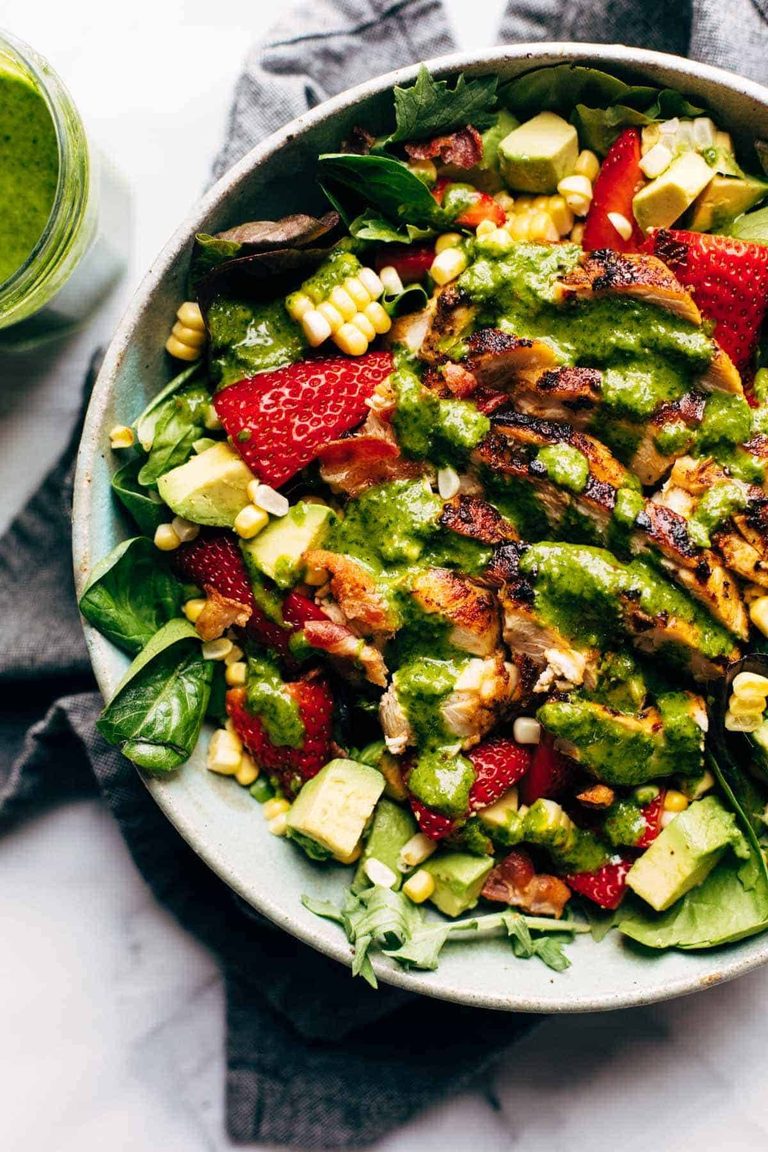
- Innovative Salads: The "Summer Chipotle Chicken Cobb" replaces traditional heavy components with strawberries and sweet corn, while the "Oliver’s Salad" introduces fire-roasted corn and avocado to a base of tender salmon. These dishes move the salad from a side dish to a primary caloric source.
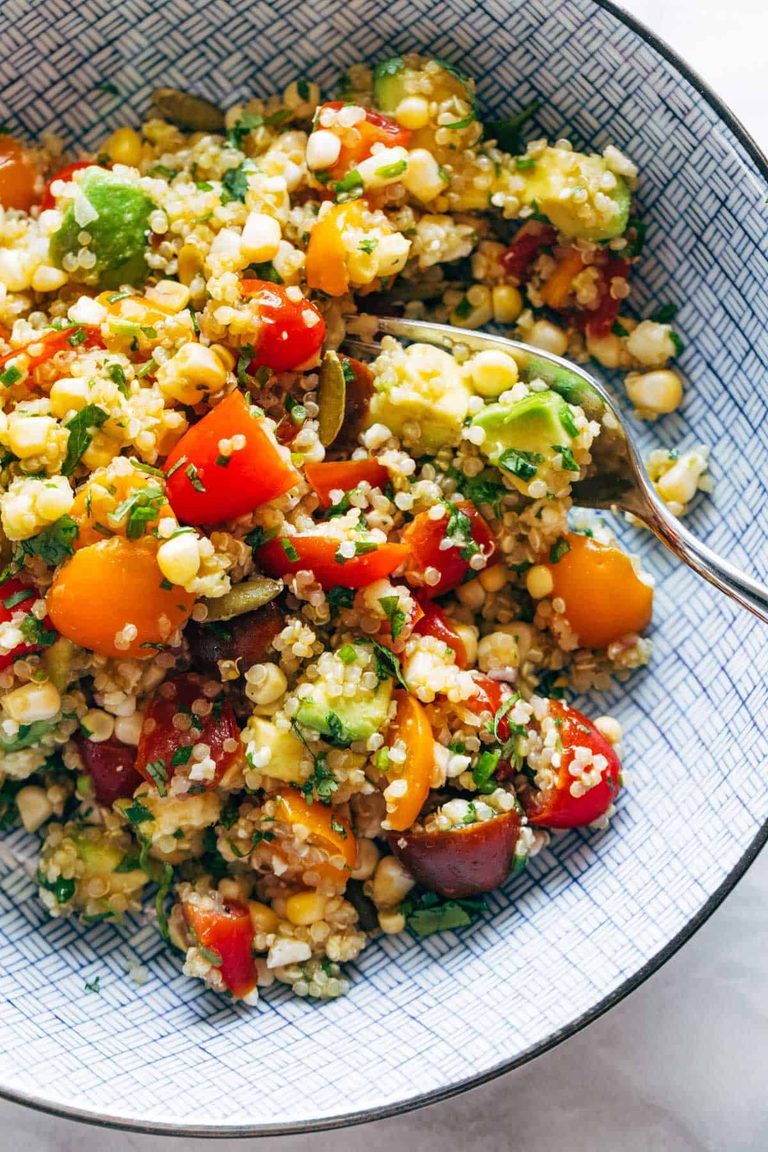
- Grain-Based Solutions: Quinoa and farro serve as excellent vehicles for "market hauls." The "Elote Style Quinoa Salad" borrows from Mexican street food traditions, utilizing cotija cheese and lime to highlight fresh corn, while "One-Pan Farro with Tomatoes and Kale" provides a wholesome, rustic option that can be prepared in a single vessel, reducing kitchen heat during peak summer temperatures.
The Versatility of Zucchini: From Savory to Sweet
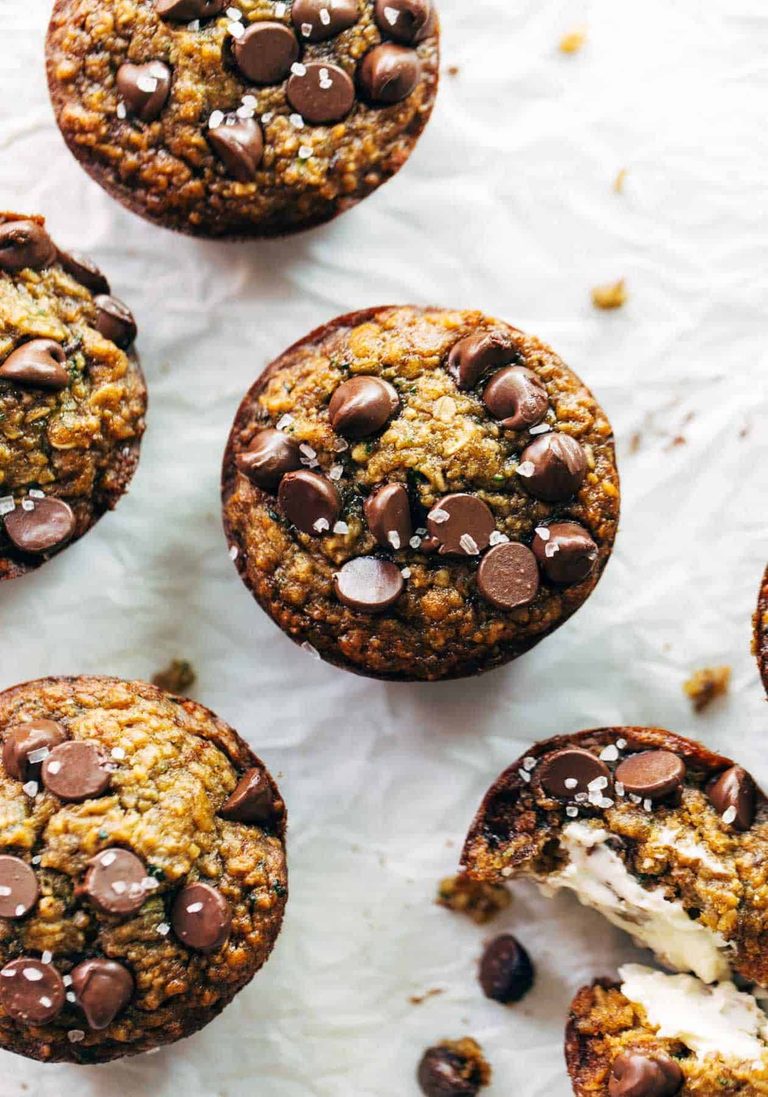
Zucchini is often the most prolific plant in the summer garden, frequently leading to a surplus that can overwhelm the average household. Culinary experts suggest a multi-pronged approach to this vegetable. While it excels in savory dishes like the "Burst Tomato and Zucchini Spaghetti," its high moisture content makes it an ideal ingredient for "Feel-Good Zucchini Muffins" and "Almond Butter Chocolate Chip Zucchini Bars." By using zucchini as a moisture agent, bakers can reduce the need for excessive fats while sneaking fiber and micronutrients into snacks and breakfast items.
Broader Impact and Implications of Seasonal Eating
The shift toward seasonal, market-based eating has implications that extend far beyond the kitchen. Environmental scientists note that the average piece of produce in a conventional US grocery store travels approximately 1,500 miles before reaching the consumer. By sourcing from local farmers’ markets, the "food miles" are reduced to often less than 50, drastically lowering the carbon footprint associated with transportation and refrigeration.
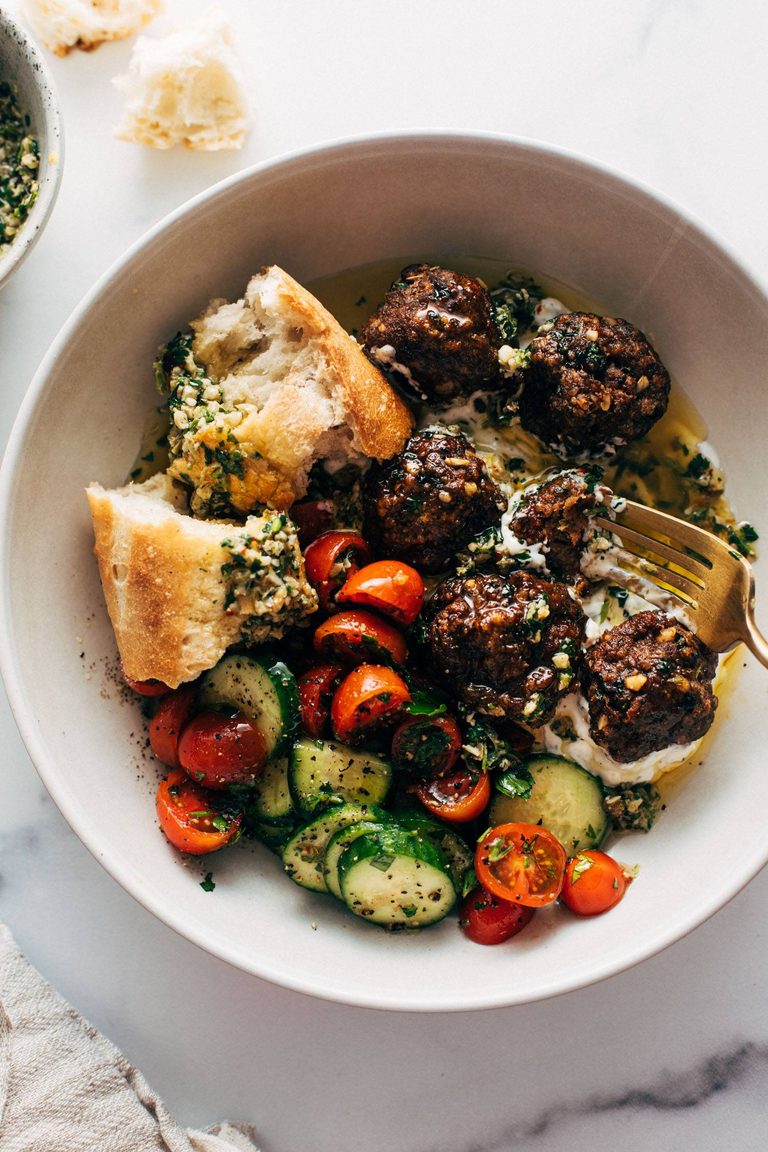
Furthermore, the "SOS" (Small Ingredient, Simple Preparation) movement in cooking is gaining traction. This philosophy, exemplified by recipes like "Sheet Pan Meatballs with Tomato Salad" or "Ang’s Chicken Wraps," emphasizes that high-quality ingredients require less labor. When a tomato is harvested at the peak of its season, it possesses a natural balance of sugar and acidity that does not need to be masked by complex sauces or long simmering times.
Conclusion: The Lasting Legacy of the Summer Harvest
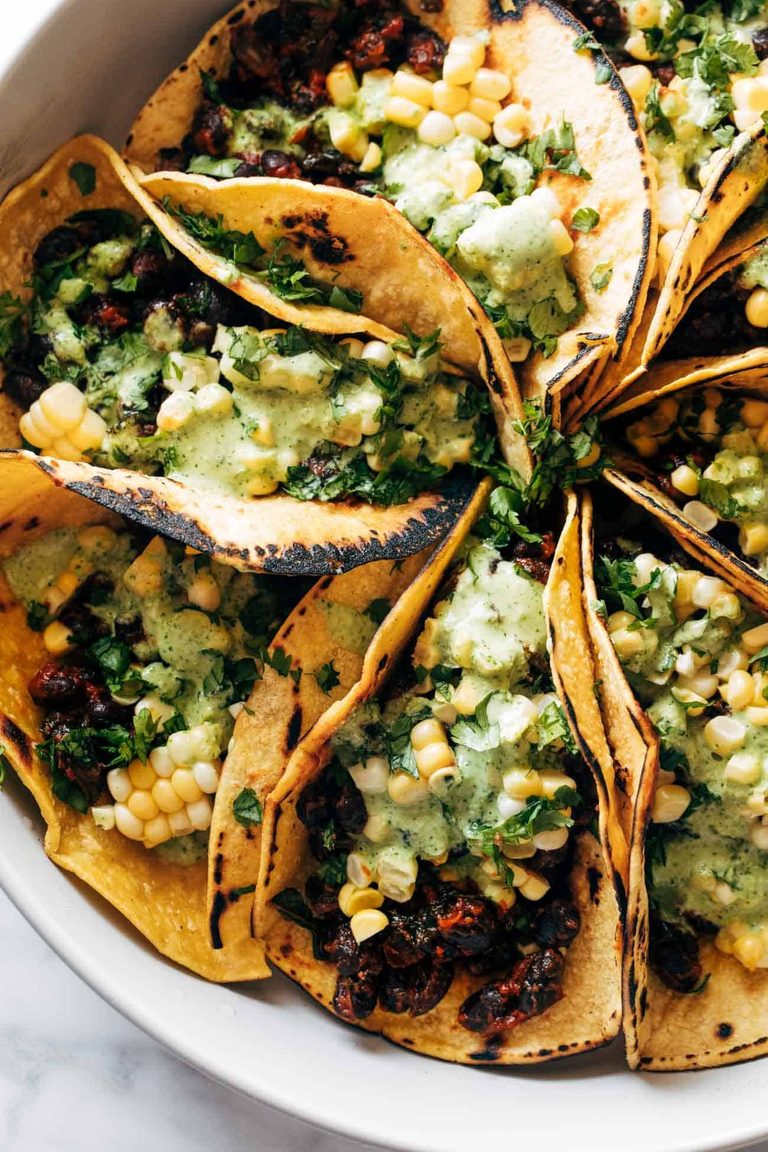
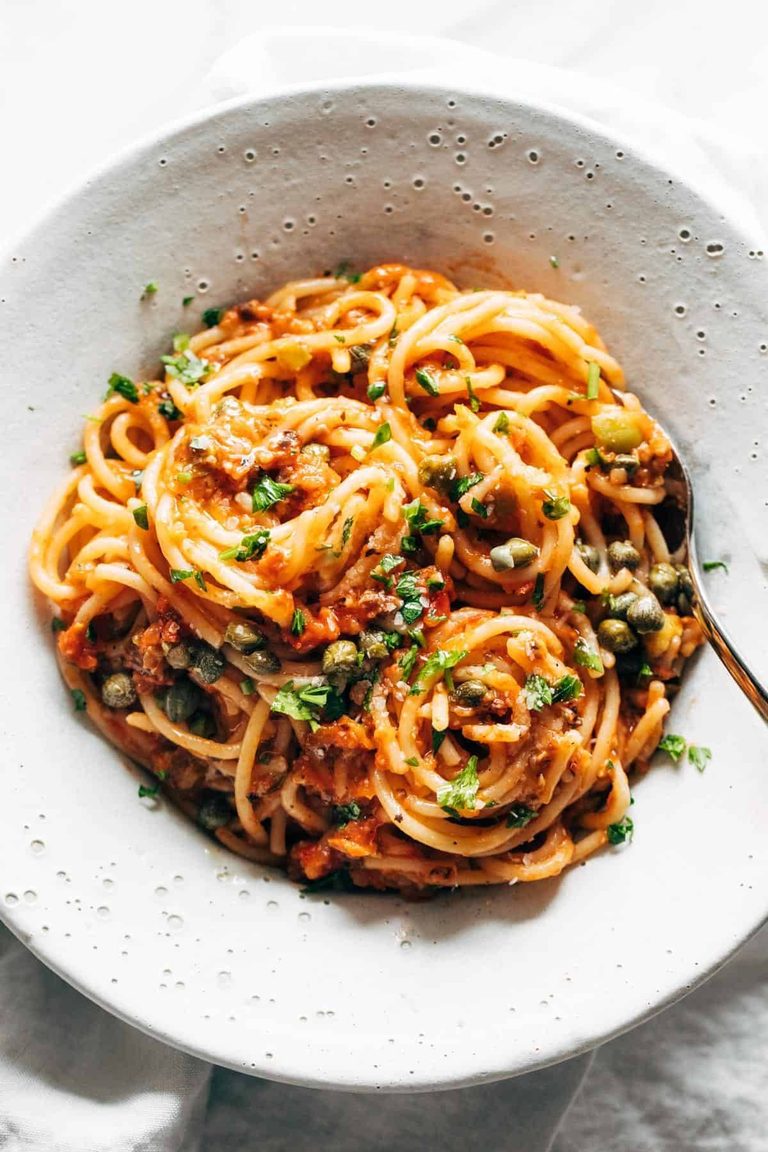
As the season progresses, the "go-to guide" for summer produce becomes a roadmap for sustainable living. Whether it is through a "5 Minute Magic Green Sauce" that uses up leftover herbs or a "Roasted Tomato Puttanesca" that captures the essence of late August, the goal is to utilize every bit of the harvest.
The transition toward these recipes suggests a broader societal trend: a move away from highly processed, seasonless eating and toward a more rhythmic, intentional relationship with the land. For the consumer, the reward is twofold: a plate that is vibrant and flavorful, and the knowledge that their culinary choices are supporting a more resilient and localized food system. As the sunshine fades into the cooler months of autumn, the techniques learned during the peak of summer—blanching, marinating, and fresh-emulsion sauce making—remain valuable assets in the modern cook’s repertoire, ensuring that the spirit of the farmer’s market lives on year-round.