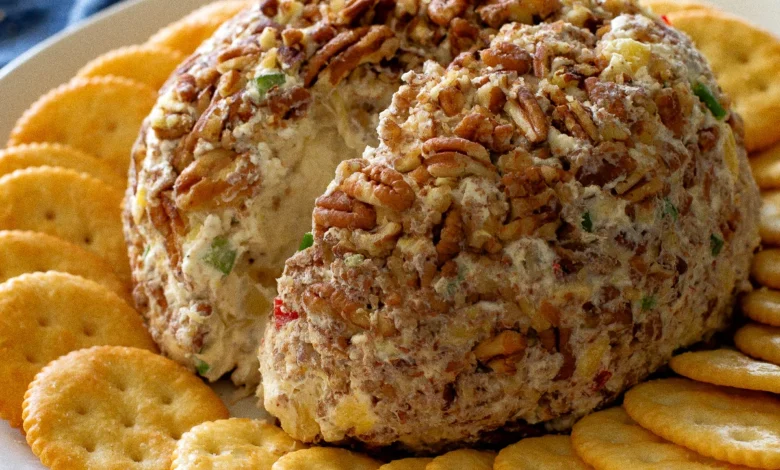
The Hawaiian Cheese Ball has solidified its position as a staple of American festive entertaining, representing a unique intersection of mid-century culinary trends and modern communal dining. Characterized by its blend of softened cream cheese, crushed pineapple, green onions, and bell peppers, the dish serves as a prominent example of the "sweet and savory" flavor profile that gained massive popularity in the United States during the latter half of the 20th century. While often categorized as a vintage or "retro" appetizer, the Hawaiian Cheese Ball continues to see a resurgence in contemporary social gatherings, particularly during the Thanksgiving and Christmas seasons, due to its accessibility, ease of preparation, and versatility in presentation.
The Composition and Culinary Profile of the Hawaiian Cheese Ball
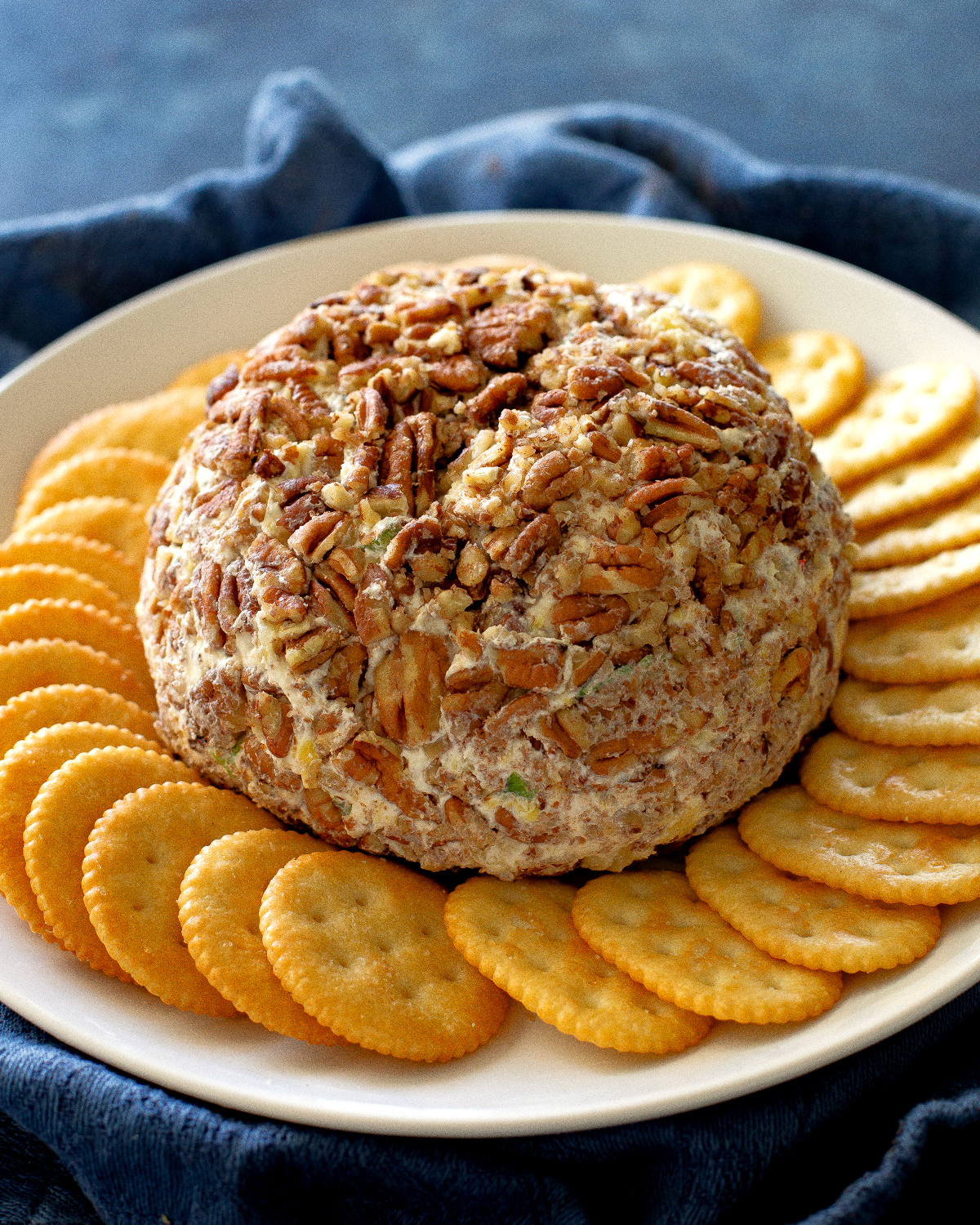
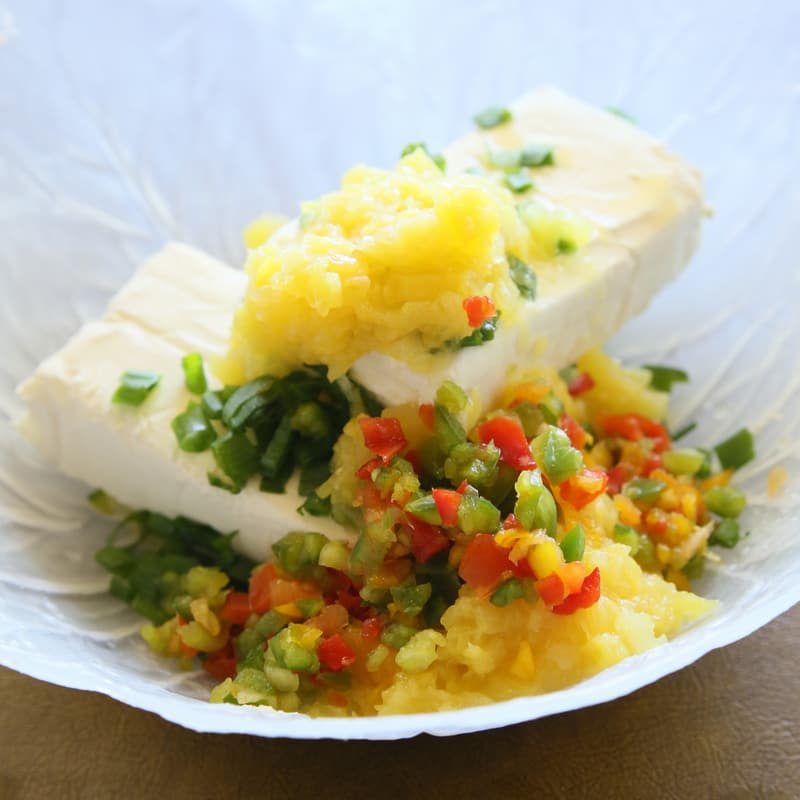
At its core, the Hawaiian Cheese Ball is a structural appetizer designed for communal consumption, typically served alongside a variety of crackers such as Triscuits, Wheat Thins, or Ritz. The primary component is high-fat cream cheese, which provides the necessary viscosity to hold the auxiliary ingredients in a spherical shape. The inclusion of crushed pineapple introduces a localized acidity and sweetness that cuts through the richness of the dairy.
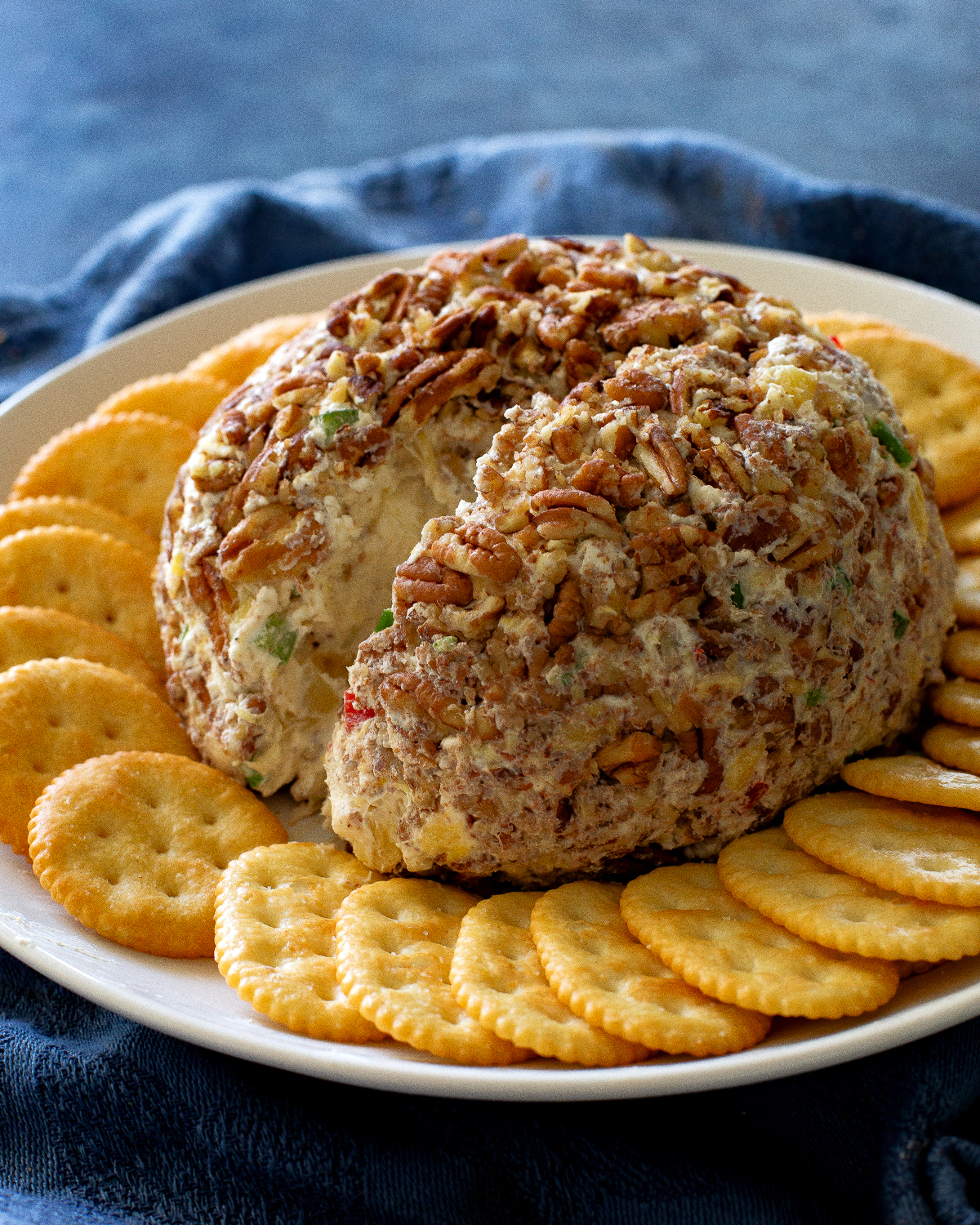
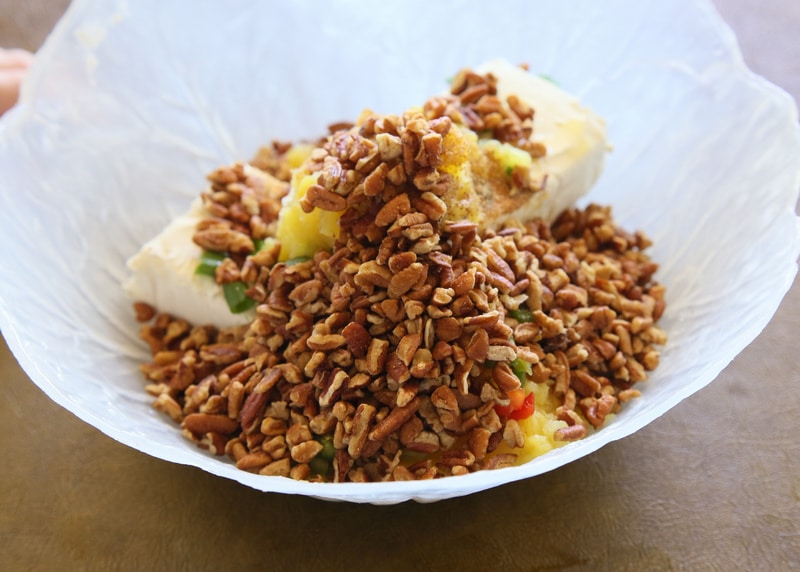
To balance these flavors, the recipe incorporates aromatic vegetables, specifically green onions and bell peppers. For holiday-specific iterations, culinary practitioners often utilize a combination of red and green bell peppers to evoke a festive aesthetic. The final textural element is provided by chopped pecans, which are both folded into the mixture and used as an external coating. This dual application of nuts ensures a consistent crunch that contrasts with the creamy interior.
Historical Context: The Evolution of the American Cheese Ball
The history of the cheese ball in the United States is surprisingly storied, predating the modern "Hawaiian" variant by over two centuries. Historical records indicate that in 1801, a massive cheese ball weighing approximately 1,235 pounds was presented to President Thomas Jefferson by the town of Cheshire, Massachusetts. Known as the "Mammoth Cheese," this event established the cheese ball as a symbol of community effort and celebration.
However, the modern iteration of the cheese ball—a mixture of various cheeses and seasonings—did not enter the mainstream culinary lexicon until the mid-20th century. The first recorded recipe for a modern cheese ball appeared in 1944 in the cookbook Food of My Friends by Virginia Safford. By the 1960s and 1970s, the cheese ball had become a ubiquitous feature of American cocktail parties and holiday buffets.
The "Hawaiian" designation specifically reflects the "Tiki culture" craze that swept through the United States following World War II and the subsequent statehood of Hawaii in 1959. During this era, the integration of canned pineapple into traditional American dishes became a hallmark of sophisticated, "exotic" home cooking. The Hawaiian Cheese Ball emerged as a byproduct of this movement, merging the convenience of industrial dairy products with the tropical allure of imported fruit.
The Social Dynamics of Recipe Transmission
The persistence of the Hawaiian Cheese Ball in the 21st century can be attributed to the social networks through which such recipes are shared. Like many vintage dishes, the Hawaiian Cheese Ball often survives through "bridal shower" culture and community gatherings. In many instances, the recipe is passed down through generations or exchanged at social events such as Bunko parties—a popular dice game social circle in the United States.
Culinary historians note that these social environments act as a preservation mechanism for "comfort appetizers." When a dish like the Hawaiian Cheese Ball is served at a gathering, its popularity is often driven by a combination of nostalgia and the physiological appeal of high-calorie, high-fat snacks. Observations from social hosts indicate that even when modern, gourmet options like cake pops or artisanal pastries are present, the cheese ball remains a primary draw for guests, particularly when they have intentionally fasted in anticipation of a large holiday meal.
Supporting Data: Consumption Trends and Seasonal Demand
The popularity of the Hawaiian Cheese Ball is reflected in broader market data regarding its primary ingredients. According to industry reports, cream cheese sales in the United States experience a significant surge in the fourth quarter of the fiscal year, coinciding with the holiday season. Market analysts attribute this to the high volume of home-made appetizers and desserts produced between November and January.
Furthermore, the nut industry, particularly pecan growers, reports a sharp increase in domestic consumption during the same period. The dual-use of pecans in the Hawaiian Cheese Ball—both as a filler and a coating—highlights the ingredient’s importance in holiday food preparation. Data from agricultural departments suggest that "grazing" culture—the preference for small, shareable bites over formal sit-down courses during social mixers—has contributed to the sustained relevance of the cheese ball category.
Preparation Techniques and Variations
While the base recipe remains consistent, several technical nuances are required to ensure a high-quality final product. A critical step in the preparation of a Hawaiian Cheese Ball is the thorough draining of the crushed pineapple. Excess moisture can compromise the structural integrity of the cream cheese, leading to a "slumping" effect rather than a firm sphere.
Professional caterers and home cooks often employ the following timeline for preparation:
- Softening Phase: The cream cheese must be brought to room temperature to allow for the smooth integration of the pineapple and vegetables.
- Integration Phase: The folding of green onions, bell peppers, and the first half of the pecans.
- Chilling Phase: The mixture is typically refrigerated for several hours or overnight to allow the fats to re-solidify, making the ball easier to handle.
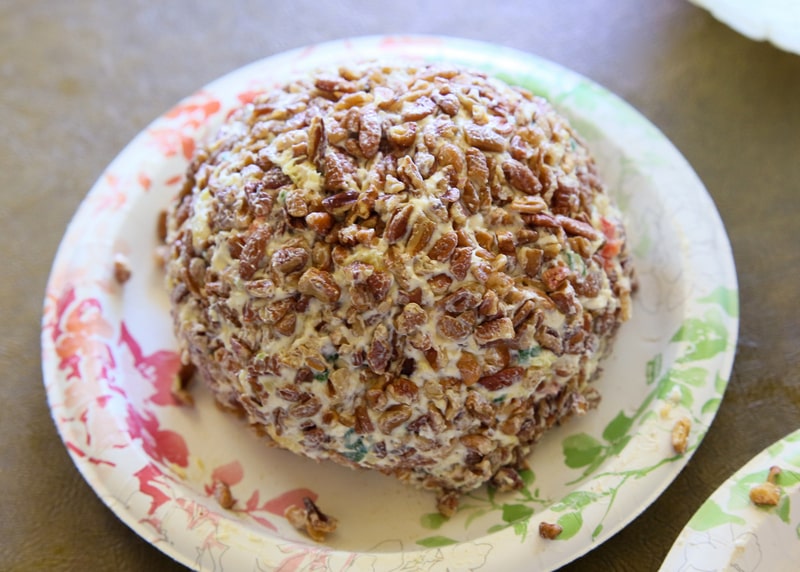
- Finishing Phase: The ball is rolled in the remaining chopped pecans immediately before serving to maintain the maximum crunch of the exterior.
Variations of the dish may include the addition of Worcestershire sauce or seasoned salt to enhance the umami profile, while some modern versions experiment with different nut coatings, such as walnuts or macadamias, to further lean into the tropical theme.
Broader Implications and the Resurgence of "Retro" Food
The continued relevance of the Hawaiian Cheese Ball speaks to a larger trend in the culinary world: the "Retro Resurgence." In an era of increasingly complex and globalized cuisine, many consumers are returning to the simplicity and reliability of mid-century recipes. This shift is often viewed as a reaction to "decision fatigue" in dining, where the familiar, non-pretentious nature of a cheese ball provides a sense of comfort and tradition.
From a sociological perspective, the cheese ball serves as a "leveler" at social gatherings. It is a dish that is inherently unpretentious and encourages interaction, as guests must gather around a central platter to spread the mixture onto crackers. This communal aspect is vital in the context of modern social events, where the goal is often to facilitate conversation and ease.
Conclusion and Impact
The Hawaiian Cheese Ball is more than a mere relic of 1980s dinner parties; it is a resilient culinary icon that bridges the gap between historical Tiki-era experimentation and contemporary holiday traditions. Its success is rooted in its balance of flavors—the sweetness of the Pacific meets the savory aromatics of the American garden—and its ability to adapt to the aesthetic needs of specific holidays.
As long as social gatherings like bridal showers, holiday parties, and community games remain a cornerstone of American culture, the Hawaiian Cheese Ball is likely to maintain its status as a preferred appetizer. It represents a successful fusion of convenience, tradition, and communal satisfaction, proving that some culinary trends possess a longevity that defies the cyclical nature of food fashion. By adhering to the fundamental principles of texture and flavor balance, the Hawaiian Cheese Ball continues to be a reliable "crowd-pleaser" in the modern gastronomic landscape.