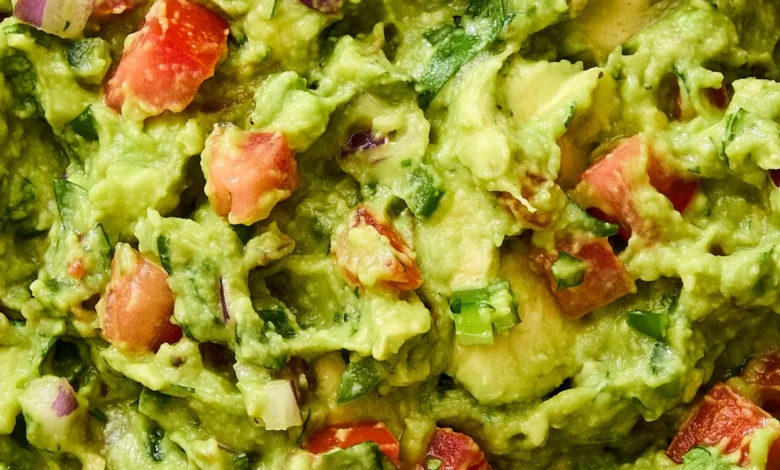
The culinary landscape of North America has been significantly shaped by the rise of the avocado, a fruit that has transitioned from an exotic rarity to a foundational staple of the modern diet. Central to this phenomenon is guacamole, a traditional Mexican dip that has achieved global status as a benchmark of fresh, simple, and high-quality cuisine. While variations of the dish exist across continents, the pursuit of the "perfect" guacamole remains a subject of intense interest among culinary professionals and home cooks alike. Achieving restaurant-quality results requires a precise balance of ripe Hass avocados, aromatic alliums, citrus acidity, and heat, underpinned by a scientific understanding of the fruit’s unique chemical properties.
The Historical Evolution of Guacamole
The origins of guacamole date back to the Aztec Empire in Central Mexico. Known in Nahuatl as āhuacamolli—a portmanteau of āhuacatl (avocado) and mōlli (sauce)—the dish was originally a simple mixture of mashed avocados, often supplemented with tomatoes and salt. The Aztecs valued the avocado for its high fat and protein content, referring to the tree as the "testicle tree" due to the shape of the fruit and its perceived aphrodisiac qualities.
Following the Spanish conquest, the recipe evolved as new ingredients were introduced to the Americas. Onions, garlic, and lime juice—staples of the Mediterranean diet—were integrated into the mash, creating the profile recognized today. By the 20th century, the expansion of trade routes and the development of the Hass avocado variety in California during the 1920s allowed guacamole to move beyond regional borders. Today, it is an essential component of the multi-billion dollar "Tex-Mex" and "Cal-Mex" industries, serving as a primary indicator of a restaurant’s commitment to fresh ingredients.
Culinary Science: The Anatomy of a Perfect Dip
The success of a guacamole recipe is predicated on the quality of its primary ingredient. The Hass avocado is the industry standard due to its high oil content—averaging 18% to 22%—which provides the signature buttery texture.
The Selection Process
To achieve a restaurant-quality consistency, the fruit must be at peak ripeness. Culinary experts suggest looking for avocados with dark, pebbly skin that yields slightly to gentle pressure. An avocado that is too firm will result in a waxy, flavorless mash, while one that is overripe may develop rancid notes and unappealing brown fibers.
Oxidation and Acidity
The greatest challenge in guacamole preparation is oxidation. When an avocado is cut, the enzyme polyphenol oxidase reacts with oxygen, turning the flesh brown. The inclusion of lime juice is not merely for flavor; the citric acid lowers the pH level, significantly slowing the enzymatic browning process. Furthermore, lime zest provides essential oils that enhance the aromatic profile of the dish without adding excessive liquid.
The Role of Aromatics and Heat
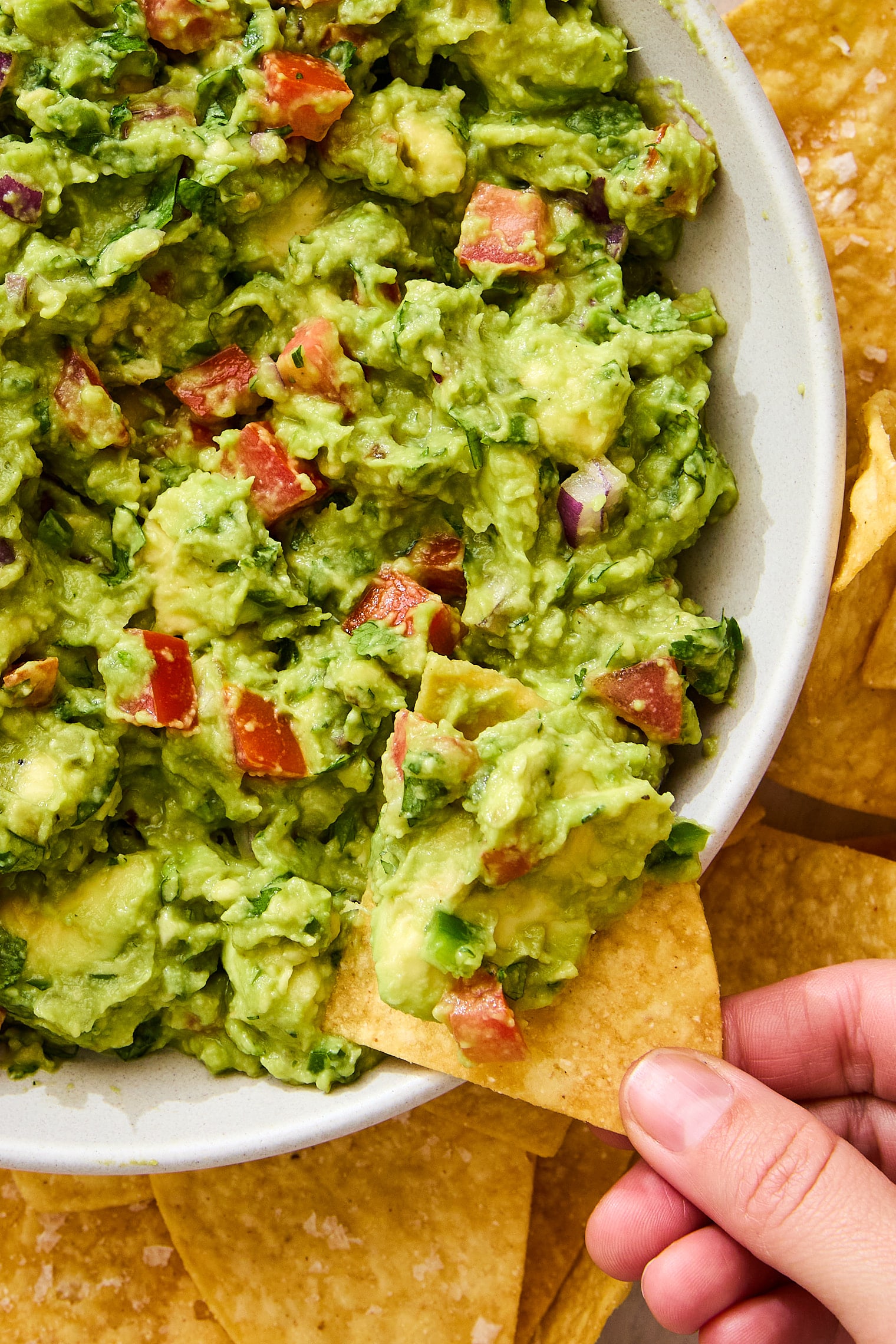
A professional-grade recipe utilizes red onion for its mild sweetness and vibrant color, contrasting with the rich green of the avocado. Garlic provides a savory depth, while fresh cilantro adds a citrusy, herbal top note. The heat is typically derived from jalapeño or serrano peppers. The heat level is manageable through the removal of seeds and internal membranes, which contain the highest concentration of capsaicin.
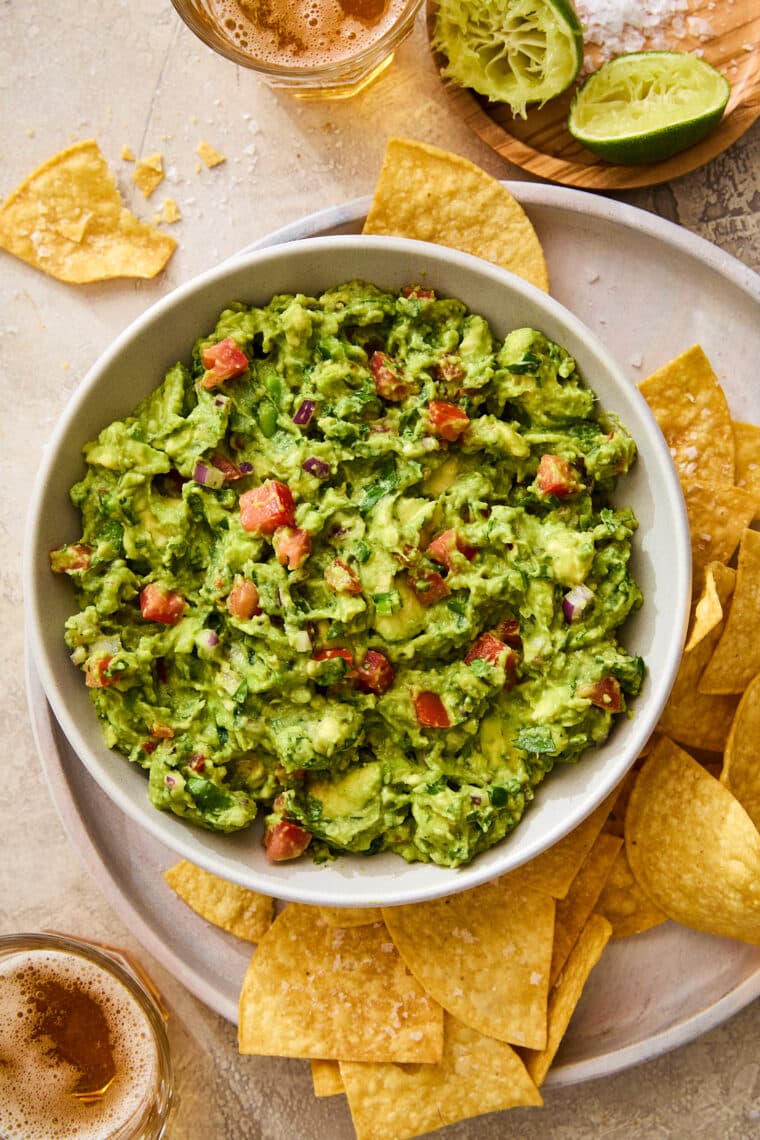
Chronology of Preparation: A Professional Framework
The preparation of high-quality guacamole follows a specific sequence designed to preserve texture and maximize flavor extraction.
- Aromatic Preparation: The process begins by finely dicing the onions, peppers, and cilantro. Mincing the garlic into a paste ensures even distribution, preventing the unpleasant experience of biting into a raw garlic clove.
- The Base Mash: Avocados are halved, pitted, and scooped into a large bowl. They are immediately tossed with lime juice and zest to prevent browning. The mash should remain "chunky-smooth," a texture achieved by using a fork or a potato masher rather than a food processor, which can aerate the fats and create an undesirable "mousse" consistency.
- Incorporation: The prepared aromatics are folded into the avocado base. Salt is added at this stage, as it draws out the moisture from the onions and peppers, helping to meld the flavors.
- The Tomato Debate: In a professional kitchen, firm Roma tomatoes are the standard. They are seeded and diced, then folded in last. This prevents the tomatoes from breaking down and releasing excess water, which can lead to a "soupy" guacamole.
- Resting Period: While guacamole is best served fresh, a 15-minute rest at room temperature allows the salt to penetrate the fats, deepening the overall flavor profile.
Economic Data and the "Green Gold" Phenomenon
The popularity of guacamole has profound economic implications. According to data from the Hass Avocado Board, avocado consumption in the United States has more than tripled since the early 2000s, now exceeding 8 pounds per capita annually.
The most significant spike in consumption occurs during the Super Bowl, which has become synonymous with guacamole. It is estimated that over 100 million pounds of avocados are consumed during the single day of the championship game. This demand has turned avocados into "Green Gold," driving a massive export industry primarily centered in Michoacán, Mexico. The USDA reports that the U.S. imports approximately $2.5 billion to $3 billion worth of avocados annually, highlighting the dish’s status as a critical driver of international agricultural trade.
Nutritional Analysis and Health Implications
From a nutritional standpoint, guacamole is categorized as a nutrient-dense food. The monounsaturated fats (primarily oleic acid) found in avocados are associated with reduced inflammation and improved heart health.
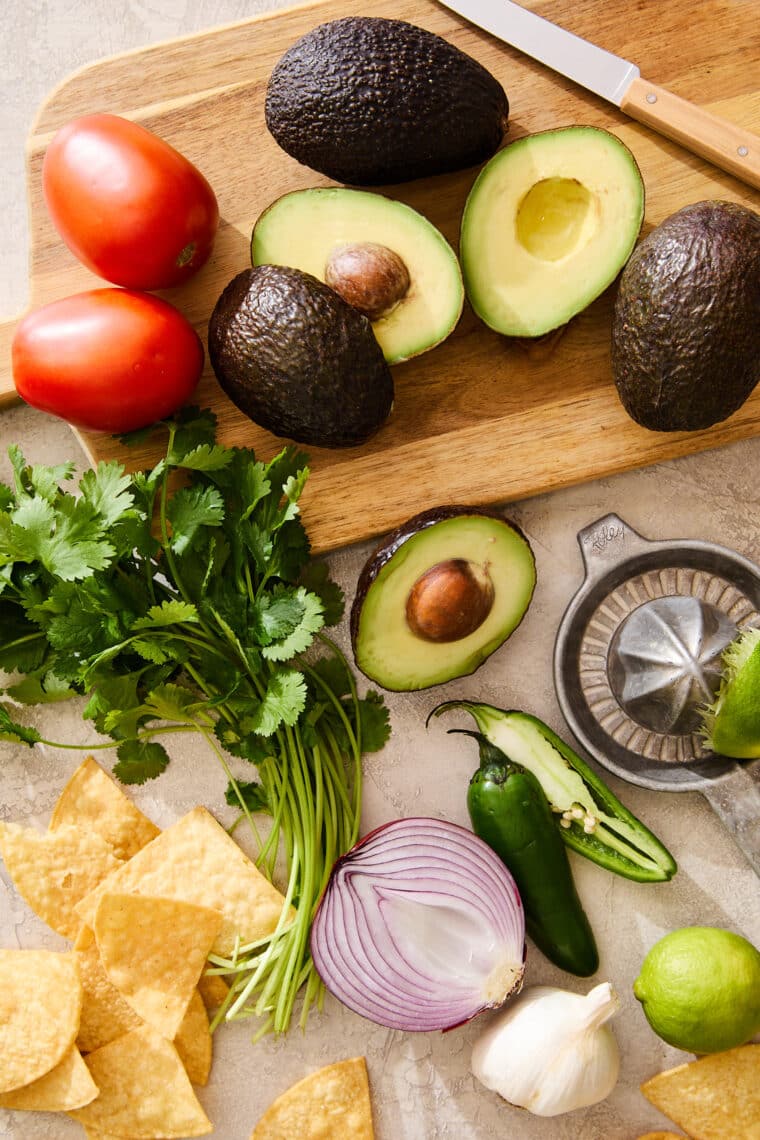
Key nutritional highlights per serving include:
- Potassium: Avocados contain more potassium than bananas, aiding in blood pressure regulation.
- Fiber: A single avocado provides approximately 13 grams of fiber, promoting digestive health.
- Bioavailability: The fats in guacamole increase the absorption of fat-soluble vitamins (A, D, E, and K) and antioxidants like beta-carotene found in the accompanying tomatoes and peppers.
Medical professionals often recommend guacamole as a healthy alternative to mayonnaise-based or cheese-based dips, provided it is consumed with whole-grain dippers or fresh vegetables.
Industry Perspectives: The Authenticity Debate
Within the culinary community, there is a persistent debate regarding what constitutes "authentic" guacamole. Purists, particularly in Mexico, often argue that garlic and tomatoes are unnecessary "fillers" that distract from the purity of the avocado. However, contemporary chefs argue that these ingredients provide the complexity required for a standalone dip.
"The goal of a great guacamole is balance," notes industry analysis regarding modern recipe trends. "You need the fat of the avocado, the acid of the lime, the crunch of the onion, and the slow burn of the chili. If any one element dominates, the dish fails."
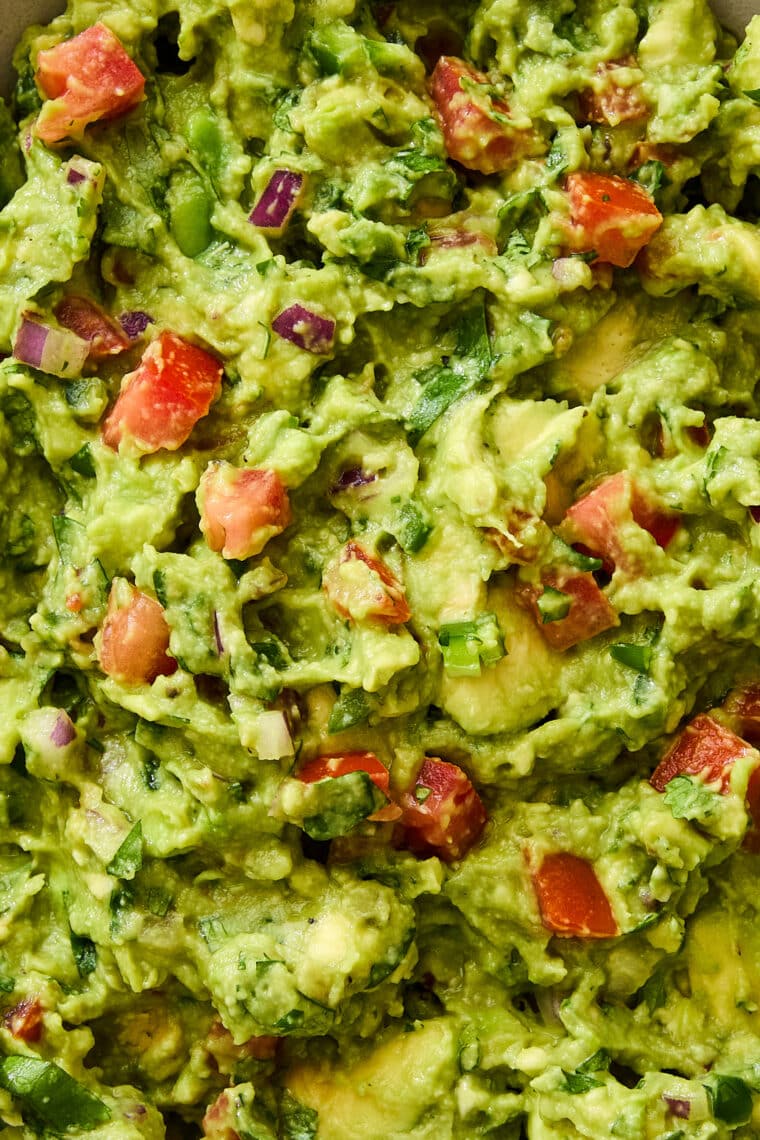
The substitution of cilantro remains another point of contention. Due to a genetic trait that makes cilantro taste like soap to a small percentage of the population, many restaurants now offer parsley as a substitute, though this is often viewed as a compromise that alters the traditional flavor profile.
Storage and Preservation Challenges
The short shelf-life of guacamole remains a hurdle for both consumers and the food service industry. While lime juice aids preservation, the most effective method for preventing browning is the total exclusion of oxygen. Professional techniques involve placing plastic wrap directly onto the surface of the guacamole, ensuring no air pockets remain. If stored correctly in a refrigerator, a high-quality guacamole can maintain its color and flavor for up to 24 hours, though textural degradation begins almost immediately as the salt continues to draw moisture from the vegetable components.
Broader Impact and Global Reach
The globalization of guacamole reflects broader trends in the food industry toward "clean eating" and plant-based diets. As a naturally vegan and gluten-free dish, it fits seamlessly into various dietary restrictions, contributing to its ubiquity in fast-casual dining and fine-dining establishments alike.
Beyond the United States and Mexico, guacamole has found significant footings in European and Asian markets. In London and Paris, "avocado bars" have become popular, often featuring guacamole as a centerpiece. This global reach has sparked discussions regarding the environmental impact of avocado farming, including water usage and deforestation, prompting a move toward more sustainable sourcing practices within the industry.
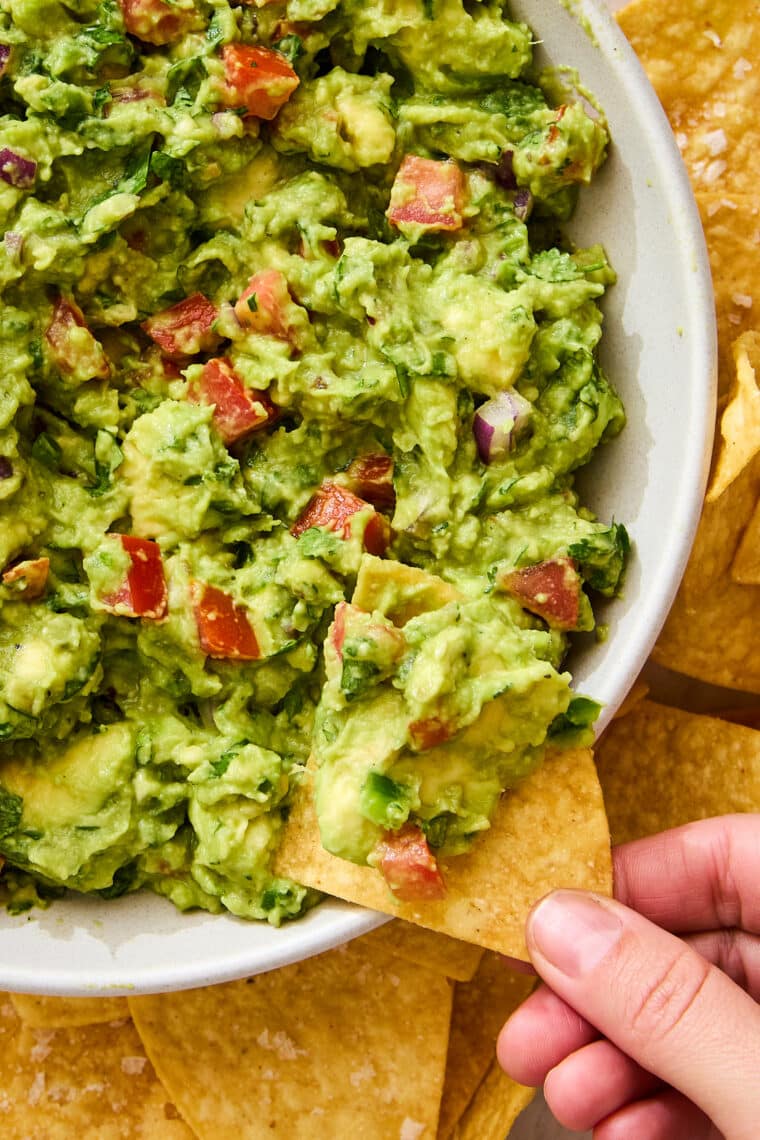
Ultimately, the "perfect" guacamole is a testament to the power of simple ingredients treated with respect. By combining traditional Aztec roots with modern culinary science and rigorous ingredient selection, the dish continues to hold its place as one of the most beloved and influential preparations in global gastronomy.