Lemon Custard Pie and the Enduring Legacy of Southern Chess Pie Traditions


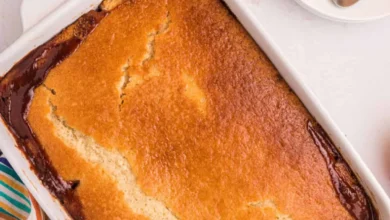
The American culinary landscape is currently witnessing a significant resurgence in heritage baking, with the Lemon Custard Pie—historically known as the Lemon Chess Pie—emerging as a focal point of this nostalgic revival. While the modern dessert market is often saturated with complex, multi-layered confections and molecular gastronomy, the enduring appeal of the Lemon Custard Pie lies in its calculated simplicity. Characterized by a buttery crust and a smooth, sweet-tart filling stabilized by cornmeal, this dish represents a confluence of European pastry traditions and Southern American ingenuity. As home baking continues to grow as a cultural pastime, the technical nuances and historical weight of this specific custard variant provide a window into the evolution of American regional cuisine.
Historical Origins and the Etymology of Chess Pie
The transition from a simple egg custard to what is now recognized as "Chess Pie" is a journey through centuries of linguistic and culinary shifts. While the term "Lemon Custard Pie" is descriptive of its texture and primary flavor profile, the "Chess" moniker remains one of the most debated etymological mysteries in the American South. Several prevailing theories exist, each providing insight into the domestic life of the 18th and 19th centuries.

The first theory suggests a linguistic corruption of the term "pie chest." Before the advent of modern refrigeration, pies with high sugar and acid content were stored in wooden "pie chests" or "safes" at room temperature. Over time, the association with the storage unit may have shortened the name to "chess." A second, more anecdotal theory posits a regional dialectal origin. According to folklore, when a baker was asked what they had prepared, the response "It’s jes’ pie" (it is just pie) was misheard or transformed into "chess pie."
Beyond the name, the dish itself is a descendant of the English lemon curd and custard tarts brought to the American colonies. In the South, where ingredients were often adapted based on local availability, the addition of cornmeal became a defining characteristic. This modification distinguished the Chess Pie from its European ancestors, creating a sturdier, more textured filling that could withstand the warmer climates of the Southern United States.
The Role of Cornmeal in Southern Pastry Science
To the uninitiated, the inclusion of cornmeal in a sweet custard might seem counterintuitive. However, from a food science perspective, cornmeal serves a critical structural purpose. Unlike flour, which contains gluten and can lead to a pasty or gummy consistency if overmixed, cornmeal provides a unique mechanical stabilization.

In a Lemon Custard Pie, the cornmeal granules do not fully dissolve. Instead, they suspend within the egg and butter matrix, creating a subtle "bite" that prevents the custard from feeling overly gelatinous. During the baking process, the cornmeal helps to form a thin, slightly crisp crust on the surface of the filling, often referred to as a "sugar crust." This textural contrast between the golden top and the silky center is the hallmark of a professionally executed Chess Pie. Furthermore, the cornmeal acts as a buffer against the high acidity of the lemon juice, ensuring that the proteins in the eggs do not curdle or separate during the bake.
Comparative Analysis: Lemon Custard vs. Lemon Meringue
In the broader category of citrus desserts, the Lemon Custard Pie is frequently compared to the Lemon Meringue Pie. While they share a flavor profile, their structural and preparation methodologies are distinct.
Lemon Meringue Pie typically utilizes a starch-thickened lemon curd (often using cornstarch) that is cooked on a stovetop before being poured into a pre-baked shell and topped with whipped egg whites. This results in a bright, translucent filling and a high-volume, airy topping. In contrast, the Lemon Custard Pie is a "one-bake" dessert. The filling is whisked together raw and baked inside the crust, allowing the flavors of the butter, sugar, and lemon to meld and caramelize under heat.

Industry experts note that the Lemon Custard Pie is often favored in professional settings for its stability and shelf life. While meringue can "weep" or lose its structure within hours due to humidity, a custard pie remains structurally sound for several days when properly stored. This durability made it a staple of 19th-century church socials and community gatherings, a tradition that continues in Southern bakeries today.
Culinary Composition and Nutritional Profile
A standard Lemon Custard Pie is a calorie-dense dessert, reflecting its origins as a high-energy food made from staple pantry items. A single slice (approximately one-eighth of a standard 9-inch pie) contains an estimated 449 calories. The nutritional breakdown reveals a profile dominated by carbohydrates and fats, which contribute to its rich mouthfeel.
- Total Fat: 22g (including 11g of Saturated Fat)
- Carbohydrates: 59g (with 44g of Sugar)
- Protein: 6g
- Sodium: 318mg
- Cholesterol: 149mg
The high cholesterol content is attributed to the heavy use of eggs, which are essential for the custard’s set. However, the pie also provides modest amounts of Vitamin A and Calcium. From a culinary standpoint, the balance of the 44 grams of sugar against the acidity of the lemon juice is the most critical factor. If the acidity is too low, the pie becomes cloying; if too high, it masks the richness of the butter.

Chronology of a Classic Bake
The preparation of a Lemon Custard Pie follows a specific timeline to ensure the integrity of the crust and the setting of the custard.
- Preparation and Chilling (0–30 minutes): The process begins with the preparation of a buttery pie crust. For optimal flakiness, the fat (butter or shortening) must remain cold. After the dough is fitted into the pie plate, it is frequently chilled or frozen for 20 minutes to prevent the crust from shrinking during the initial stages of baking.
- Filling Integration (30–40 minutes): The filling is prepared by whisking together granulated sugar, eggs, melted butter, lemon juice, lemon zest, and the signature cornmeal. This mixture must be thoroughly emulsified to ensure a smooth bake.
- The Baking Phase (40–85 minutes): The pie is baked at a moderate temperature (typically 350°F). During this 45-minute window, the eggs coagulate, and the sugar undergoes a mild caramelization on the surface.
- Cooling and Setting (85 minutes – 4 hours): This is perhaps the most critical stage. A custard pie cannot be served immediately upon removal from the oven. It requires a minimum of two to four hours of cooling at room temperature or in a refrigerator to allow the molecular structure of the eggs to fully firm up.
Market Impact and the Resurgence of Heirloom Recipes
The global food market has seen a marked shift toward "clean label" and heritage foods. According to recent consumer trend reports, there is a growing segment of the population that prioritizes desserts with recognizable, pantry-staple ingredients over highly processed alternatives. The Lemon Custard Pie fits perfectly into this "New Nostalgia" trend.
In the United States, Southern-style bakeries in urban centers like New York, Chicago, and Los Angeles have reported increased sales of Chess Pies and Vinegar Pies—both members of the same custard family. This trend is driven partly by social media platforms like Instagram and TikTok, where the aesthetic appeal of a golden-brown custard top and the "satisfying" texture of the slice have garnered significant engagement.

Culinary historians argue that this resurgence is also a reaction to economic shifts. Custard pies are "depression-era" friendly; they rely on eggs and sugar rather than expensive out-of-season fruits or imported chocolates. In periods of inflation, these "pantry pies" offer a cost-effective way for families to enjoy high-quality desserts.
Expert Tips for Achieving the Perfect Custard Set
Pastry chefs emphasize that the primary challenge in baking a Lemon Custard Pie is the "doneness" test. Because the pie continues to cook after it is removed from the oven, overbaking can lead to a rubbery texture or a cracked surface.
The "Jiggle Test" is the industry standard: when the pie is gently shaken, the edges should be firm and set, while the center should have a slight, uniform jiggle, similar to gelatin. If the center sloshes, it is undercooked; if it is completely rigid, it has likely been overbaked. Additionally, using fresh lemon juice rather than bottled concentrate is considered non-negotiable by professionals, as the natural enzymes and oils in fresh citrus provide a complexity of flavor that synthetic alternatives cannot replicate.

Broader Implications for American Regional Cuisine
The Lemon Custard Pie is more than a dessert; it is a cultural artifact. It represents the ability of American cooks to take the fundamental principles of European pastry and adapt them to the constraints and ingredients of the New World. The survival of the Chess Pie through the centuries—from the wooden pie chests of the 1800s to the digital recipe feeds of 2024—demonstrates the power of culinary tradition.
As the food industry continues to evolve, the Lemon Custard Pie serves as a reminder that some of the most successful products are those that do not rely on gimmicks, but rather on the fundamental balance of sweet, tart, and creamy. For the modern baker, mastering this pie is an exercise in patience and precision, offering a tangible connection to the generations of bakers who defined American Southern hospitality.