The Evolution and Cultural Significance of the Loaded Bloody Mary Cocktail

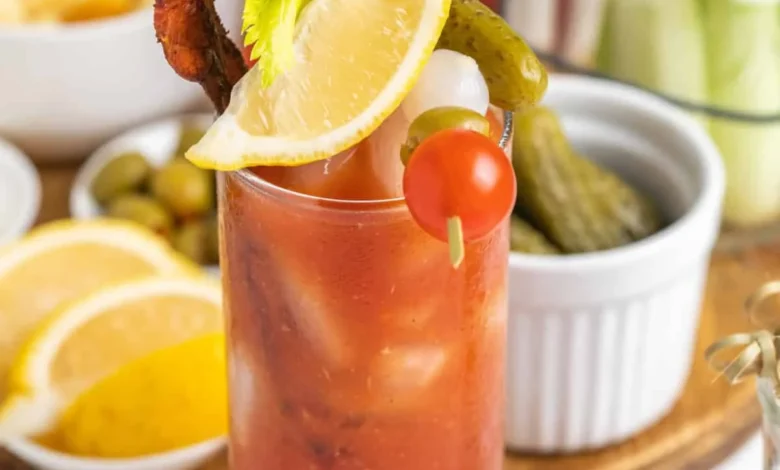
The Loaded Bloody Mary has transitioned from a simple mid-century restorative into a complex culinary phenomenon that serves as a cornerstone of the modern global brunch industry. Historically recognized as a savory cocktail composed of tomato juice, vodka, and various spices, the contemporary iteration—often referred to as "loaded"—has expanded to include an array of garnishes that transform the beverage into a portable meal. This evolution reflects broader shifts in consumer behavior, the rise of visual-centric social media platforms, and the increasing demand for customizable, experience-based dining.
Historical Genesis and the Prohibition Era
The origins of the Bloody Mary are rooted in the early 20th century, specifically during the 1920s and 1930s. While the exact inventor remains a subject of debate among culinary historians, the most widely accepted narrative credits Fernand Petiot, a French bartender at Harry’s New York Bar in Paris. According to historical records, Petiot began experimenting with a combination of equal parts vodka and tomato juice in 1921, reportedly based on a suggestion from American tourists who had frequented the "Bucket of Blood" bar in Chicago.

Following the repeal of Prohibition in the United States, Petiot moved to New York City to manage the King Cole Bar at the St. Regis Hotel. It was here that he refined the recipe, adding salt, lemon juice, Worcestershire sauce, and Tabasco to cater to American palates. During this period, the drink was often rebranded as the "Red Snapper" because the name "Bloody Mary" was deemed too vulgar for the hotel’s sophisticated clientele. The transition back to the original name occurred as vodka became more mainstream in the U.S. market during the 1940s and 1950s.
The etymology of the drink’s name remains contested. One popular theory suggests it was named after Queen Mary I of England, whose 16th-century reign was characterized by a violent campaign against religious dissenters. Another theory points to a waitress named Mary who worked at the aforementioned Bucket of Blood bar in Chicago. Regardless of its namesake, the cocktail achieved official literary status in 1946 when it was featured in Lucius Beebe’s Stork Club Bar Book, cementing its place in the American cocktail canon.
The 1960s and the Introduction of the Celery Garnish
For several decades, the Bloody Mary was served with minimal ornamentation. The introduction of the now-iconic celery stalk occurred by chance in 1960 at Chicago’s Ambassador East Hotel. Historical accounts suggest that an impatient patron, frustrated by the absence of a swizzle stick to stir her drink, grabbed a stalk of celery from a nearby relish tray. The hotel’s bartenders noticed the aesthetic and functional appeal of the vegetable, and the practice soon spread across the hospitality industry.

This accidental innovation paved the way for the "loaded" trend. Once the celery stalk established that the Bloody Mary could support solid food items, the barrier for further experimentation was removed. By the late 20th century, olives and lemon wedges became standard, setting the stage for the extravagant garnishes seen in contemporary gastropubs.
The Science of Flavor: Why the Bloody Mary Succeeds
The enduring popularity of the Bloody Mary is supported by a unique chemical profile that appeals to all five basic tastes: sweet, sour, salty, bitter, and umami. Tomato juice provides a rich base of glutamates, which are responsible for the savory umami flavor. When combined with the acidity of lemon juice and the heat of capsaicin from hot sauce, the drink creates a complex sensory experience that is rare in the cocktail world.
Furthermore, the Bloody Mary has long been marketed as a "hair of the dog" remedy for hangovers. While medical professionals note that consuming more alcohol does not cure a hangover, the non-alcoholic components of the drink—specifically the electrolytes in tomato juice and the Vitamin C in citrus—do provide some physiological benefits. The savory nature of the drink also provides a stark contrast to the sugar-heavy cocktails typically served during evening hours, making it an ideal "bridge" beverage for late-morning consumption.

The "Loaded" Phenomenon and the Rise of Visual Gastronomy
In the last decade, the Loaded Bloody Mary has become a centerpiece of "Instagrammable" dining. The trend involves stacking increasingly elaborate food items onto skewers and balancing them atop the glass. Common additions now include:
- Proteins: Crispy bacon, chilled shrimp, beef jerky, and even mini-burgers or sliders.
- Pickled Elements: Cornichons, pickled asparagus, green beans, and jalapeños.
- Dairy: Cheese cubes, cheese curds, or mini grilled cheese sandwiches.
- Starches: Tater tots, onion rings, and soft pretzels.
Market analysis suggests that this trend is driven by the "experience economy," where consumers are willing to pay a premium for food and drinks that offer entertainment value or social media potential. A standard Bloody Mary may retail for $10 to $12, whereas a "Loaded" version can command prices upwards of $25 to $50, significantly increasing profit margins for hospitality establishments.
Technical Composition and Mixology Standards
A professionally constructed Loaded Bloody Mary requires a balance between the liquid base and the structural integrity of the garnishes. The standard industry preparation involves:

- The Base: A blend of high-quality tomato juice, premium vodka (or gin for a Red Snapper), and a "house mix" consisting of Worcestershire sauce, horseradish, hot sauce, black pepper, and celery salt.
- The Rim: A seasoned rim is essential for adding a final layer of salinity. Bartenders typically use a mix of sea salt, paprika, and celery salt, though some modern variations utilize smoked salts or chili-lime seasonings.
- The Integration: The ingredients are typically "rolled" (poured back and forth between two shakers) rather than shaken vigorously. Shaking can over-aerate the tomato juice and cause it to become thin and watery.
- Structural Assembly: For loaded versions, bamboo skewers are used to secure garnishes. Heavy items, such as sliders or large shrimp, must be centered to prevent the glass from tipping.
Regional Variations and Global Adaptations
While the traditional Bloody Mary is a staple of American cuisine, several regional variations have gained international prominence:
- The Caesar (Canada): Invented in Calgary in 1969, this version uses Clamato (a blend of tomato juice and clam broth) instead of plain tomato juice. It is considered the national cocktail of Canada.
- The Bloody Maria: This variation replaces vodka with tequila or mezcal, offering an earthier, smokier flavor profile that pairs well with lime and cilantro.
- The Red Snapper: The original gin-based version remains popular in high-end hotel bars, prized for the botanical complexity the gin adds to the savory base.
Economic Impact on the Brunch Market
The brunch sector has seen significant growth over the past 15 years, with the Bloody Mary serving as a primary revenue driver. According to market research, the global cocktail market is projected to grow at a CAGR (Compound Annual Growth Rate) of over 6% through 2030. Within this market, savory and "functional" cocktails (those containing vegetable juices or spices) are seeing the fastest adoption rates among Millennial and Gen Z consumers.
For restaurant owners, the Bloody Mary bar—a DIY station where guests can customize their own drinks—has proven to be a highly efficient service model. It reduces the labor burden on bartenders while increasing guest engagement and perceived value.

Societal Implications and Modern Consumption Trends
The shift from a simple drink to a "loaded" meal-in-a-glass reflects a broader cultural move toward maximalism in the culinary arts. Critics of the trend argue that excessive garnishing distracts from the quality of the cocktail itself, turning mixology into a stunt. However, proponents argue that the Loaded Bloody Mary represents the democratization of gourmet food, allowing diners to enjoy a variety of appetizers in a single, convenient format.
Furthermore, the drink’s association with weekend leisure and sporting events (such as late-morning football games) has solidified its role as a social lubricant. It is a beverage that encourages slow consumption and conversation, aligning with the "slow food" movement’s emphasis on the social aspects of dining.
Conclusion: The Future of the Savory Cocktail
As the beverage industry continues to evolve, the Loaded Bloody Mary is expected to maintain its status as a cultural icon. Future trends likely include a focus on "farm-to-glass" ingredients, with bars using heirloom tomato juices and house-pickled vegetables to differentiate their offerings. Additionally, as the non-alcoholic beverage market expands, "Virgin" Loaded Marys are becoming increasingly sophisticated, catering to the growing demographic of sober-curious consumers who still desire the aesthetic and social experience of a premium cocktail.

The Loaded Bloody Mary is more than a mere beverage; it is a historical artifact that has survived Prohibition, adapted to the changing tastes of the 20th century, and flourished in the digital age. Its ability to reinvent itself—from a simple "Red Snapper" to a towering architectural feat of garnishes—ensures its continued relevance in the global culinary landscape.