
Mediterranean Diet Nuts Seeds

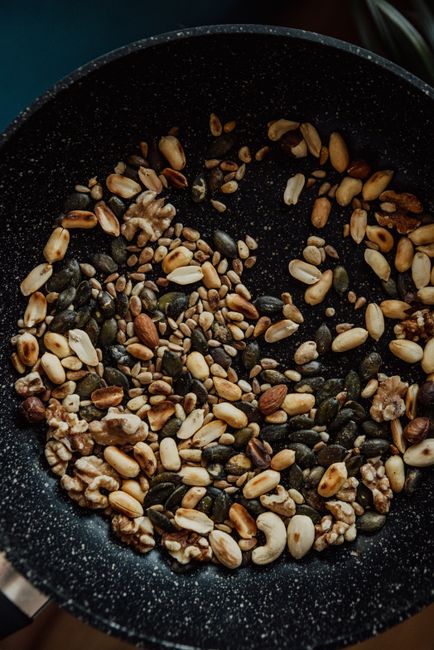
The Mediterranean Diet’s Nutty & Seedy Powerhouse: Unlocking Health Benefits with Almonds, Walnuts, Flax, and Chia
The Mediterranean diet, a celebrated eating pattern inspired by the traditional diets of countries bordering the Mediterranean Sea, consistently ranks among the healthiest. While its pillars – abundant fruits, vegetables, whole grains, olive oil, and lean protein – are well-known, a less frequently emphasized yet critically important component is the inclusion of nuts and seeds. These small but mighty foods are powerhouses of essential nutrients, offering a diverse array of health-promoting compounds that synergize beautifully with the overall Mediterranean lifestyle. This article delves deep into the specific nuts and seeds integral to the Mediterranean diet, exploring their unique nutritional profiles, profound health benefits, and practical integration strategies for optimal well-being.
Almonds, with their satisfying crunch and subtly sweet flavor, are a cornerstone nut in the Mediterranean diet. Nutritionally, they are rich in monounsaturated fats, the same type of healthy fats found in olive oil, which are crucial for cardiovascular health. A typical serving of almonds (about 1 ounce, or 23 nuts) provides a significant amount of Vitamin E, a potent antioxidant that protects cells from damage caused by free radicals. This antioxidant activity is linked to a reduced risk of chronic diseases, including certain cancers and age-related cognitive decline. Beyond Vitamin E, almonds are a good source of magnesium, a mineral essential for numerous bodily functions, including muscle and nerve function, blood sugar control, and blood pressure regulation. They also contribute dietary fiber, promoting satiety and aiding in digestive health. Furthermore, almonds are a decent source of plant-based protein, making them a valuable addition for vegetarians and vegans seeking to meet their protein needs. The synergy of healthy fats, antioxidants, magnesium, and fiber in almonds makes them a potent ally in managing cholesterol levels. Studies have shown that regular almond consumption can lead to reductions in LDL ("bad") cholesterol and triglycerides, while potentially increasing HDL ("good") cholesterol. This multifaceted impact on lipid profiles is a key reason for their inclusion in heart-healthy dietary patterns. Their versatility allows for easy integration into the Mediterranean diet; they can be enjoyed raw as a snack, roasted for a deeper flavor, added to salads and yogurts, or ground into almond butter for spreads and sauces.
Walnuts stand out in the Mediterranean diet not only for their distinctive brain-like appearance but also for their unique nutritional composition, particularly their abundance of alpha-linolenic acid (ALA), a plant-based omega-3 fatty acid. This is a significant distinction, as omega-3s are often associated with fatty fish, but walnuts provide a valuable vegetarian source. ALA is an essential fatty acid, meaning the body cannot produce it and must obtain it from the diet. Once consumed, ALA can be converted into EPA and DHA, the more biologically active forms of omega-3s, although this conversion is not highly efficient. Nevertheless, the ALA content itself offers considerable health benefits, especially for cardiovascular health. Omega-3 fatty acids are well-known for their anti-inflammatory properties, which can help reduce the risk of heart disease by lowering blood pressure, reducing the likelihood of blood clots, and improving the health of blood vessel linings. Walnuts are also a good source of antioxidants, including polyphenols, which play a role in combating oxidative stress. Emerging research suggests that walnuts may have a positive impact on gut health, acting as a prebiotic and fostering the growth of beneficial gut bacteria. This can have far-reaching implications for overall health, including immune function and mental well-being. The fiber content in walnuts contributes to satiety, aiding in weight management efforts, and their protein contributes to their overall nutritional value. Their slightly bitter, earthy flavor makes them a delicious addition to both sweet and savory dishes. They can be incorporated into baked goods, sprinkled over roasted vegetables, or enjoyed as a standalone snack. The commitment to regular walnut consumption within the Mediterranean diet is a strategic choice for enhancing cardiovascular resilience and mitigating inflammatory processes within the body.
Moving beyond traditional nuts, seeds play an equally vital role in the Mediterranean diet. Flaxseeds, often consumed ground to enhance nutrient absorption, are a nutritional powerhouse, particularly recognized for their high content of lignans and omega-3 fatty acids (ALA). Lignans are phytoestrogens, plant compounds that can exhibit antioxidant properties and may offer protection against certain hormone-related cancers, such as breast and prostate cancer. Their interaction with estrogen receptors in the body is complex, and research is ongoing, but their antioxidant and anti-inflammatory effects are well-established. The ALA in flaxseeds, as discussed with walnuts, contributes significantly to cardiovascular health by helping to reduce inflammation and improve cholesterol profiles. Flaxseeds are also an excellent source of dietary fiber, both soluble and insoluble. Soluble fiber can help regulate blood sugar levels and lower cholesterol, while insoluble fiber promotes regular bowel movements and prevents constipation. This dual fiber action is crucial for maintaining a healthy digestive system, a cornerstone of overall well-being often emphasized in Mediterranean cultures. The mucilage in flaxseeds, a gel-like substance formed when they absorb water, can provide a soothing effect on the digestive tract. To maximize the absorption of nutrients, particularly ALA and lignans, flaxseeds are best consumed ground. Whole flaxseeds can pass through the digestive system largely undigested. This can be achieved by purchasing pre-ground flaxseed or grinding whole seeds at home just before consumption. They can be easily added to smoothies, yogurt, oatmeal, baked goods, or even sprinkled over salads. Their mild, nutty flavor often goes unnoticed, making them a stealthy nutritional booster.
Chia seeds, small yet incredibly nutrient-dense, are another gem within the Mediterranean dietary framework. Similar to flaxseeds, chia seeds are an exceptional source of ALA omega-3 fatty acids, contributing to heart health and reducing inflammation. They are also incredibly rich in dietary fiber, boasting one of the highest fiber contents of any food. This high fiber content is largely due to their unique ability to absorb many times their weight in water, forming a gel-like substance. This gelling property makes them a fantastic natural thickener for puddings, smoothies, and sauces, and it also contributes to a prolonged feeling of fullness, which is beneficial for weight management and controlling appetite. The soluble fiber in chia seeds can also play a role in moderating blood sugar spikes after meals, making them a valuable addition for individuals managing diabetes or seeking to stabilize energy levels. Beyond fiber and omega-3s, chia seeds are a good source of protein, providing all nine essential amino acids, making them a complete protein source, which is rare for plant-based foods. They also offer a good amount of minerals, including calcium, magnesium, phosphorus, and manganese, all of which are vital for bone health and various metabolic processes. The antioxidant content of chia seeds helps protect the body against oxidative damage. Their neutral flavor allows them to be incorporated into virtually any dish without altering the taste profile. They can be added to water or juice to create a hydrating chia fresca, sprinkled over cereal or yogurt, mixed into baked goods, or used as an egg substitute in vegan baking (by mixing 1 tablespoon of chia seeds with 3 tablespoons of water and letting it sit for a few minutes to form a gel). The ease with which chia seeds integrate into daily meals, coupled with their impressive nutritional density, makes them a highly practical and effective component of the Mediterranean diet for enhancing nutrient intake and supporting long-term health.
The synergistic effect of incorporating a variety of nuts and seeds into the Mediterranean diet is profound. By consuming a diverse range, individuals can benefit from a broader spectrum of fatty acids, antioxidants, vitamins, minerals, and fiber. For example, combining the monounsaturated fats of almonds with the omega-3s of walnuts and flaxseeds creates a powerful anti-inflammatory and heart-protective profile. The varying fiber types from these sources contribute to optimal digestive health and blood sugar regulation. Furthermore, the micronutrient diversity – from the Vitamin E in almonds to the lignans in flaxseeds and the minerals in chia seeds – supports a wide range of bodily functions, from cellular repair to bone strength. These foods are not merely supplements; they are foundational elements that contribute significantly to the overall health outcomes associated with the Mediterranean diet, including a reduced risk of heart disease, type 2 diabetes, certain cancers, and neurodegenerative diseases.
Practical integration of nuts and seeds into the Mediterranean diet is straightforward and encourages culinary creativity. Daily snacks can revolve around a handful of mixed nuts (almonds, walnuts, pistachios, hazelnuts – all common in the Mediterranean region), or a sprinkle of seeds on yogurt or fruit. Breakfast can be enhanced with ground flaxseed or chia seeds mixed into oatmeal or overnight oats. Lunches can feature salads topped with toasted sunflower seeds or pumpkin seeds, or a whole-wheat pita spread with almond butter. Dinners can involve incorporating chopped walnuts into pasta sauces or adding toasted sesame seeds to stir-fries and roasted vegetables. Even beverages can be fortified; smoothies are an ideal vehicle for incorporating a tablespoon of chia seeds or a small handful of almonds. When choosing nuts and seeds, opting for raw, unsalted varieties is generally recommended to avoid added sodium and unhealthy fats from processing. Raw nuts and seeds retain their full nutritional potential, and their natural flavors are often more vibrant. Roasting can enhance flavor but can also degrade some delicate nutrients if done at excessively high temperatures. The Mediterranean diet emphasizes whole, unprocessed foods, and nuts and seeds fit this principle perfectly. Their shelf stability also makes them a convenient pantry staple, readily available for on-the-go nutritional boosts.
In conclusion, the seemingly humble nuts and seeds are indispensable components of the Mediterranean diet, offering a concentrated source of beneficial fats, fiber, antioxidants, vitamins, and minerals. Almonds, walnuts, flaxseeds, and chia seeds, among others, contribute distinct yet complementary nutritional profiles that powerfully support cardiovascular health, reduce inflammation, promote digestive well-being, and protect against chronic diseases. Their versatility and ease of integration into daily meals make them accessible and sustainable dietary choices for anyone seeking to embrace the health-promoting principles of the Mediterranean eating pattern. By consciously incorporating a diverse array of these nutrient-dense foods, individuals can unlock a significant portion of the Mediterranean diet’s remarkable health benefits, fostering long-term vitality and well-being.


