Comprehensive Guide to Easy Tin Foil Dinners and the Evolution of Outdoor Culinary Traditions

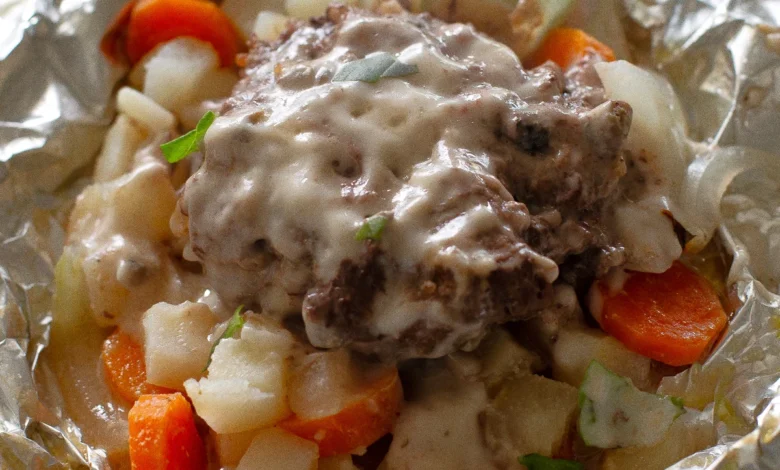
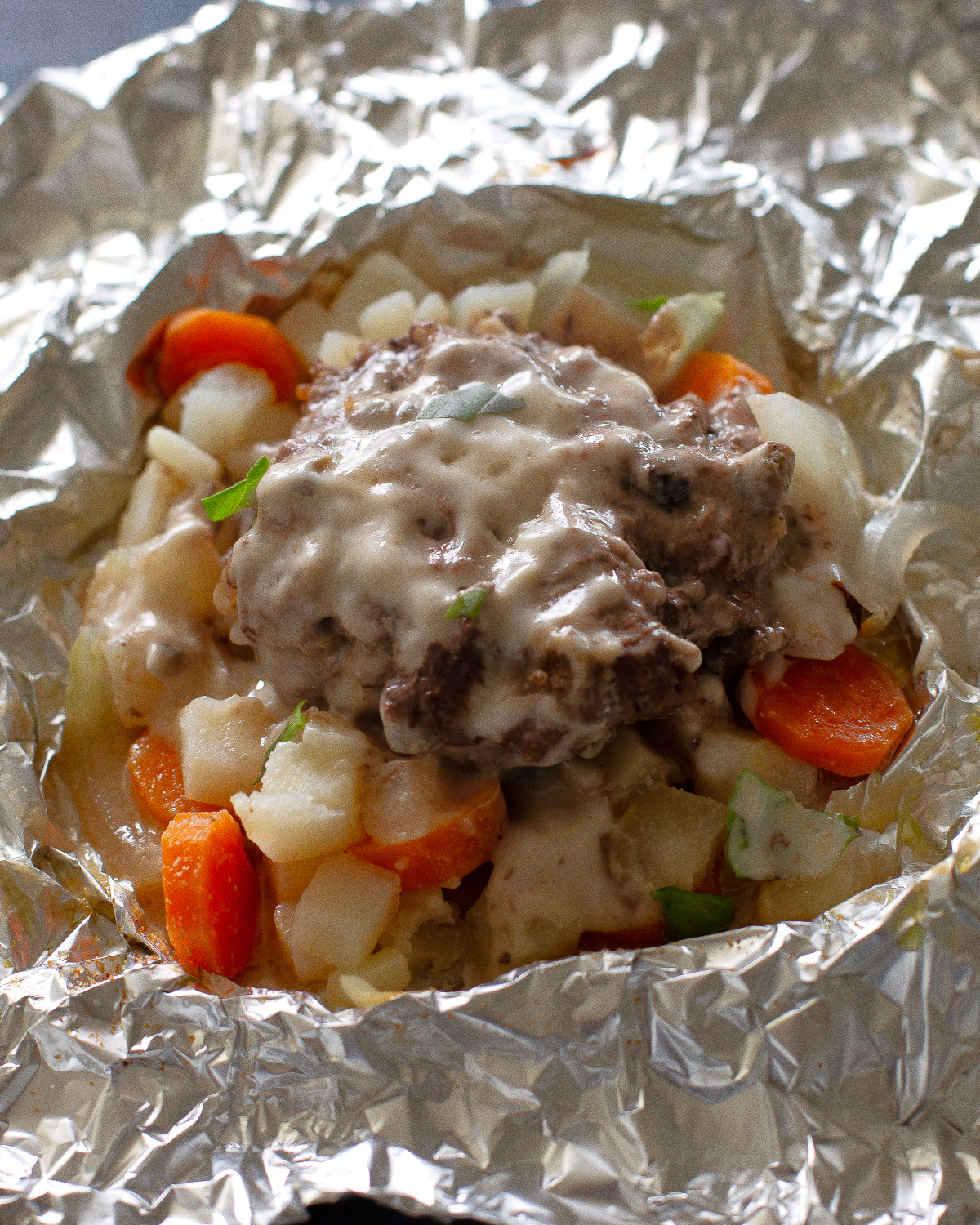
The culinary practice of preparing tin foil dinners, colloquially known as hobo dinners, represents a significant intersection of convenience, tradition, and practical outdoor resource management. These meals, characterized by their composition of ground beef, root vegetables, and savory binders, have remained a staple of North American camping culture for decades. While often dismissed as simplistic, the structural integrity and thermal properties of foil-packet cooking provide a unique environment for steam-convection hybrid cooking, ensuring that even under-equipped outdoor enthusiasts can produce a nutritionally dense and thermally stable meal. This report examines the technical preparation, historical context, food safety implications, and broader cultural impact of the tin foil dinner within the modern recreation landscape.
Historical Context and the Origin of the Foil Packet
The "hobo dinner" derives its name from the Great Depression era, specifically the transient workers who traveled the United States via the railroad system. These individuals, often referred to as hobos, required cooking methods that were portable, required minimal equipment, and could be executed over open fires or makeshift stoves. The original iteration of the meal utilized whatever scraps of meat and vegetables were available, often wrapped in scraps of metal or cooked in discarded cans.
Following World War II, the mass production and commercial availability of aluminum foil transformed this survivalist technique into a suburban leisure activity. As the American middle class embraced the "great outdoors" through organized scouting and family camping trips in the 1950s and 1960s, the tin foil dinner was codified into the camping canon. It offered a solution to the perennial problem of campsite sanitation: by cooking and eating out of the same foil container, the need for bulky pots, pans, and intensive dishwashing was eliminated.
Technical Specifications and Preparation Chronology
The efficacy of a tin foil dinner relies on the specific layering of ingredients to facilitate even heat distribution. According to culinary standards established by long-term practitioners like Christy Denney and Ryan Denney, the process begins with the selection of heavy-duty aluminum foil. Standard-grade foil is often prone to puncturing during the rotation process on hot coals, which can lead to moisture loss and charred food.
The Assembly Process
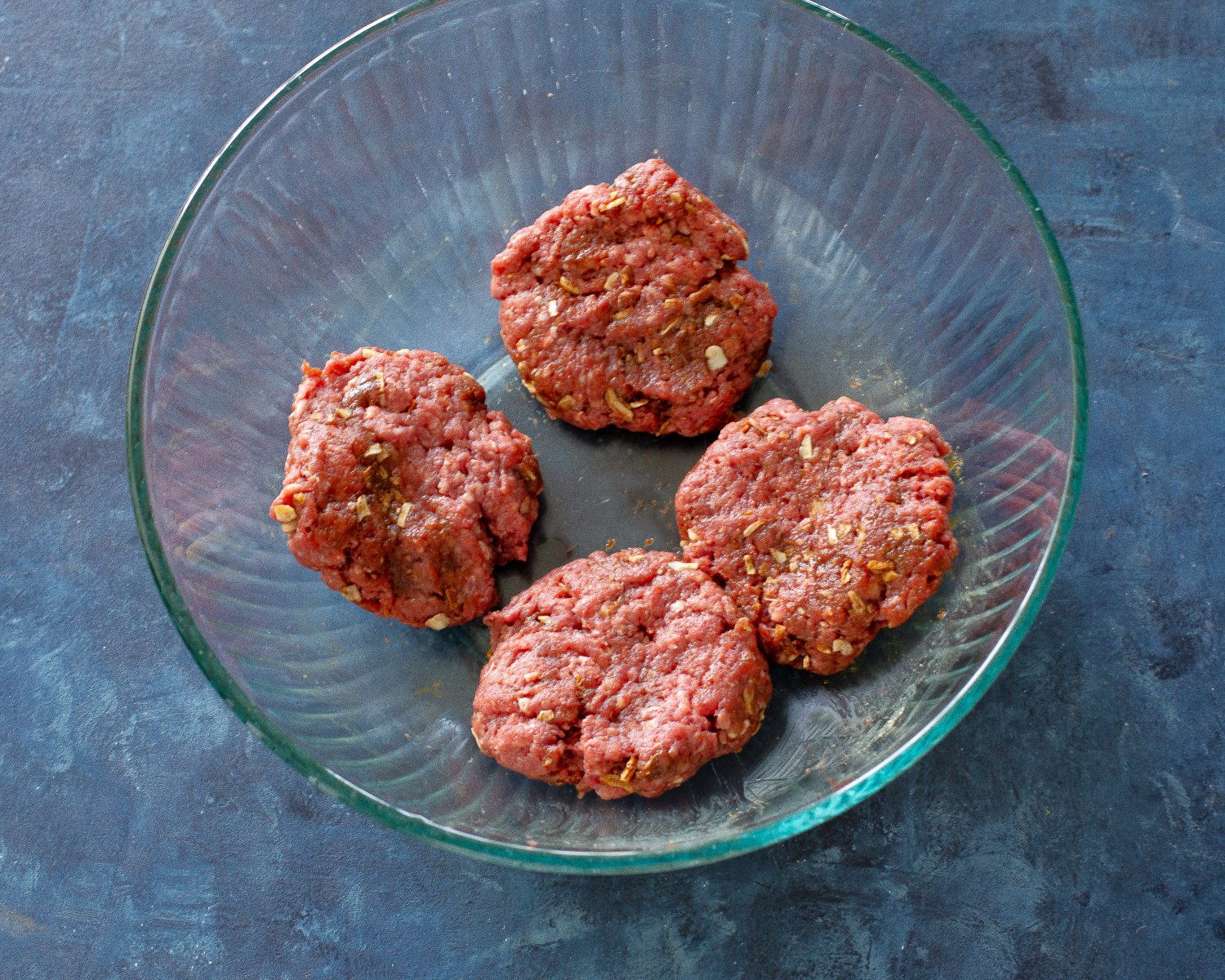
- Protein Foundation: The base of the meal typically consists of a ground beef patty. In a journalistic analysis of the recipe’s structure, the beef serves as the primary heat conductor and fat source. A higher fat content (such as 80/20 ground chuck) is often preferred in this context to prevent the meat from drying out during the extended cooking times required for the accompanying vegetables.
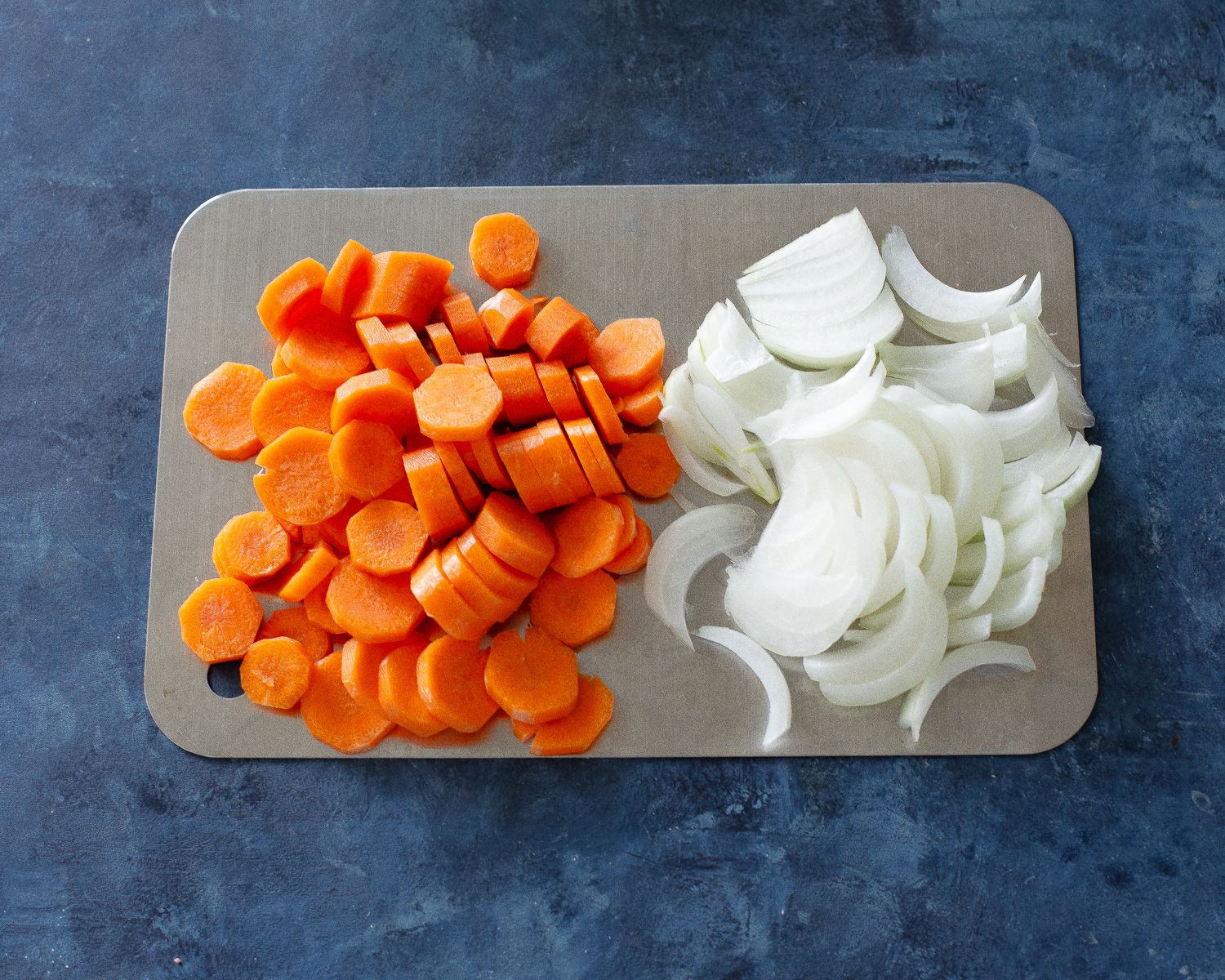
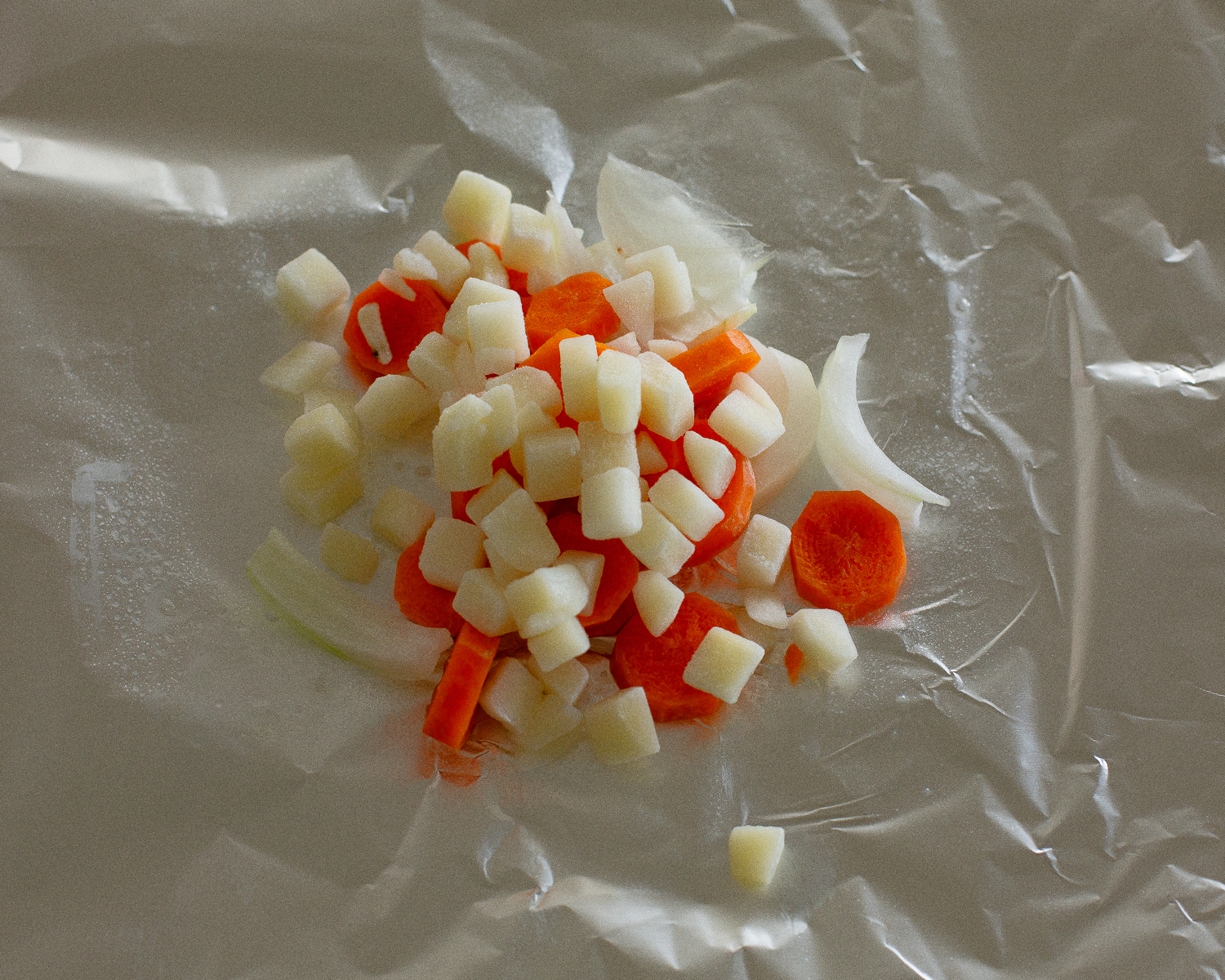
- Vegetable Layering: Sliced potatoes, carrots, and onions are layered atop or around the beef. The thickness of these slices is critical; uniform slicing ensures that the dense root vegetables reach a state of tenderness at the same time the beef reaches a safe internal temperature.
- The Binding Agent: A concentrated soup, most commonly cream of mushroom, is applied as the final layer. This serves a dual purpose: it provides a moisture barrier that steams the vegetables and creates a built-in gravy as the fats from the beef emulsify with the soup base.
- The Seal: The "drugstore wrap" or "hobo fold" involves bringing the two long edges of the foil together and folding them down tightly, followed by crimping the ends. This creates a pressurized environment similar to a Dutch oven or a parchment en papillote.
Thermal Management
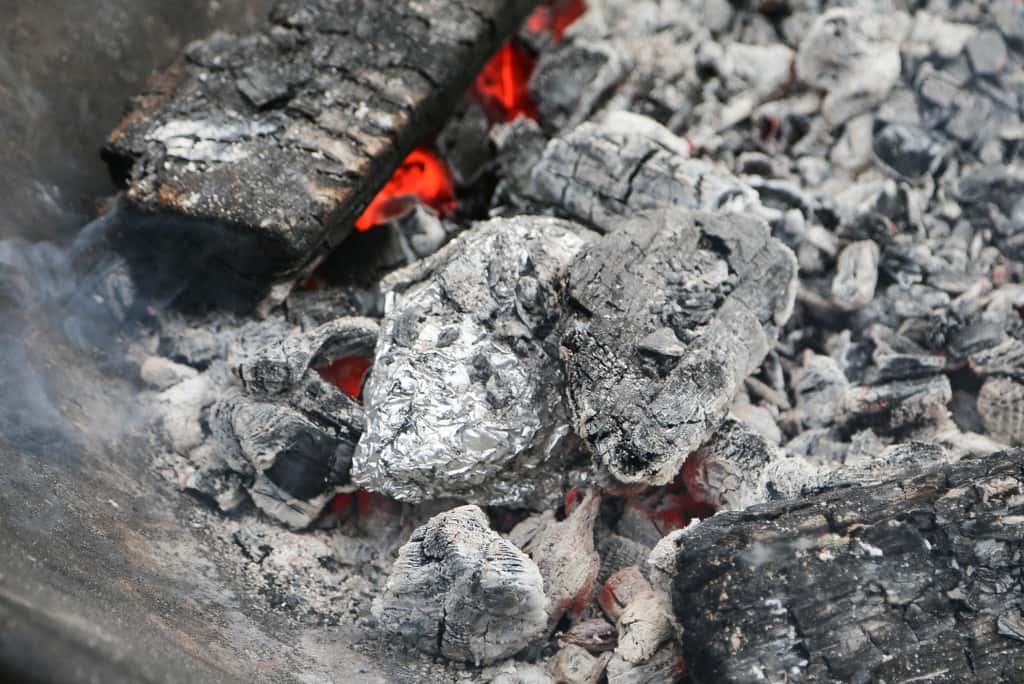
The cooking timeline for a tin foil dinner is highly variable, dictated by the heat source. When placed over hot coals—the preferred method—the cooking time ranges from 45 to 90 minutes. Journalistic observation of outdoor cooking trends suggests that coal-based cooking is superior to open-flame cooking, as it provides a more consistent, infrared-style heat that reduces the risk of burning the exterior while leaving the interior raw. In a controlled kitchen environment, these packets are typically baked at 350 degrees Fahrenheit (177 degrees Celsius) for approximately 45 minutes.
Food Safety and Transport Logistics
A critical component of the tin foil dinner’s popularity is its utility as a "make-ahead" meal. For large-scale camping excursions, meals can be assembled, wrapped, and frozen days in advance. This serves two logistical functions: it acts as a secondary ice source within a cooler during transit and ensures that the meat remains at a safe temperature (below 40°F or 4°C) for a longer duration.
Data from the United States Department of Agriculture (USDA) emphasizes that ground beef must reach an internal temperature of 160°F (71°C) to eliminate pathogens such as E. coli. In a foil packet, verifying this temperature without breaking the seal can be challenging. Experts recommend a "buffer time" in the coals to ensure complete heat penetration. Furthermore, the use of frozen packets requires a calculated thawing period; if the core remains frozen when placed on the heat, the exterior may burn before the center reaches a safe temperature.
Material Science: The Role of Aluminum
The use of aluminum foil in high-heat cooking is a subject of ongoing scientific and consumer interest. Aluminum is an excellent conductor of heat, but it is also reactive to acidic foods. While the inclusion of onions and cream-based soups in a hobo dinner presents low acidity, the addition of tomato-based sauces or lemon juice could potentially lead to aluminum leaching. However, for the occasional use typical of camping trips, health organizations generally consider the risk to be negligible.
From a structural standpoint, the "heavy-duty" designation in aluminum foil refers to a thickness of approximately 0.001 inches, compared to the 0.0006 inches of standard foil. This 40% increase in thickness is essential for the hobo dinner to withstand the mechanical stress of being turned with metal tongs or shifted among abrasive charcoal briquettes.
Economic and Industry Implications
The camping food industry has seen a surge in "ready-to-eat" (MRE) and dehydrated options, yet the DIY tin foil dinner remains a dominant force due to cost-effectiveness. A journalistic comparison of costs reveals that a home-assembled hobo dinner costs approximately $2.50 to $4.00 per serving, whereas a commercial dehydrated camping meal often retails for $12.00 to $15.00.
Furthermore, the rise of "glamping" and high-end outdoor recreation has not diminished the relevance of the hobo dinner. Instead, the recipe has seen a "premiumization" in recent years. Modern iterations often replace ground beef with wagyu or bison, and swap canned cream of mushroom for organic béchamel or herb-infused compound butters. This adaptability ensures the meal’s survival across different socio-economic segments of the outdoor enthusiast population.
Environmental Impact and Sustainability
As the "Leave No Trace" movement gains traction among hikers and campers, the environmental footprint of the tin foil dinner has come under scrutiny. Unlike traditional cookware, aluminum foil is often viewed as a single-use plastic alternative. While aluminum is infinitely recyclable, foil used in hobo dinners is frequently contaminated with food grease and char, making it ineligible for standard recycling streams in many jurisdictions.
Environmental analysts suggest that the primary impact of these dinners is not the material itself, but the disposal method. Responsible campers are urged to pack out used foil rather than attempting to burn it in fire pits, as aluminum does not combust at standard campfire temperatures and instead breaks down into small, sharp fragments that can harm local wildlife and contaminate soil.
Conclusion: The Enduring Legacy of the Foil Packet
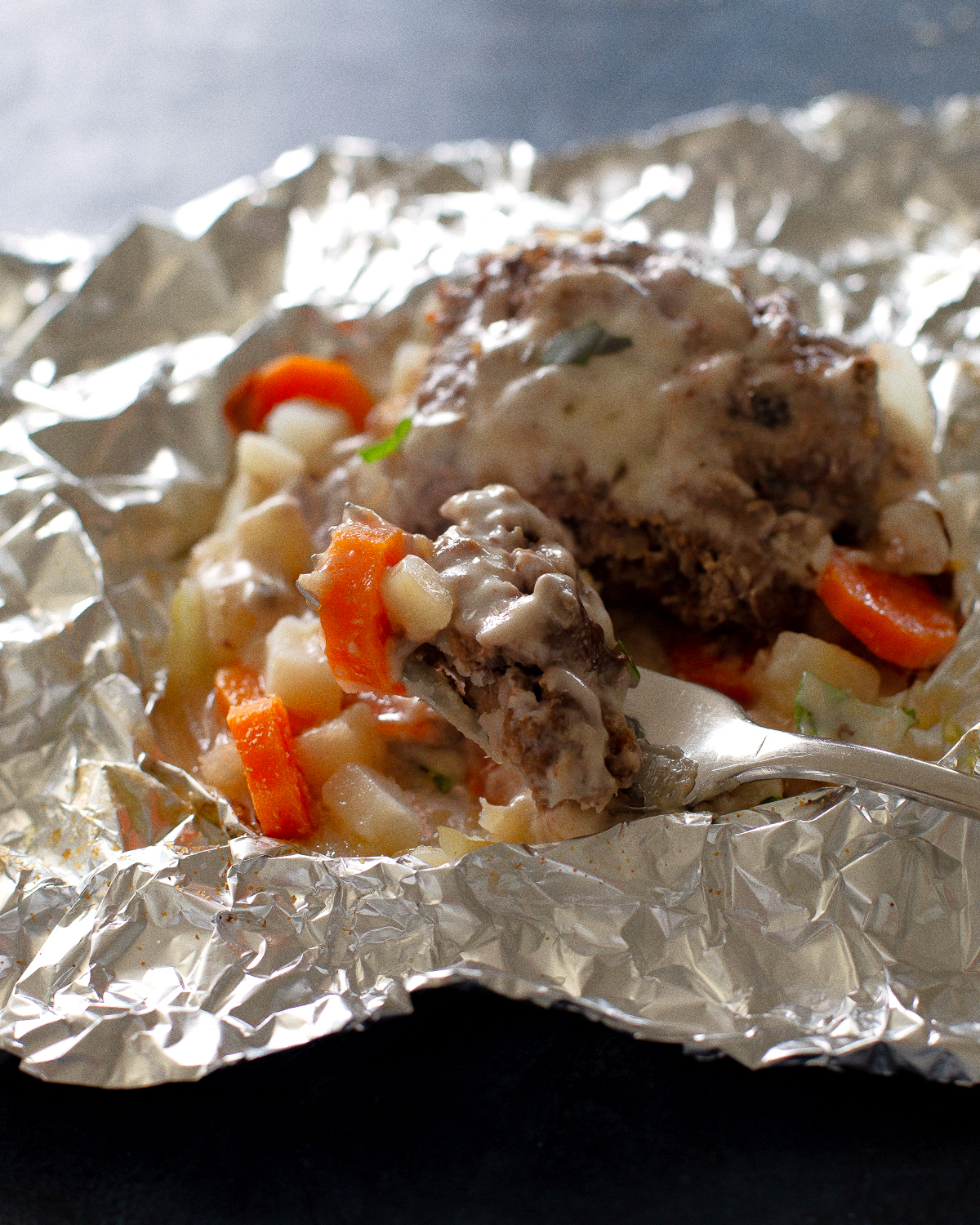
The tin foil dinner, despite its lack of aesthetic appeal—a fact noted by culinary writers who describe the finished product as "ugly" but "satisfying"—remains a cornerstone of the outdoor experience. Its success is rooted in its reliability. In an environment where weather conditions, equipment failure, and physical exhaustion can complicate meal preparation, the hobo dinner provides a foolproof method of delivering high-calorie, hot nutrition.
The transition of this meal from a necessity of the rail-riding working class to a beloved tradition of the modern vacationer highlights a broader trend in American culture: the preservation of "roughing it" through controlled, nostalgic culinary practices. As long as families and adventurers continue to seek the solace of the wilderness, the crackle of a foil packet on a bed of coals will remain a definitive sound of the American summer. Through proper preparation, adherence to food safety protocols, and a respect for the historical roots of the dish, the tin foil dinner continues to serve as an essential, albeit unrefined, masterpiece of outdoor cooking.