The Rise of Make-Ahead Breakfast Culture: How Apple Streusel Muffins and Wholesome Meal Prep Are Reshaping Morning Routines

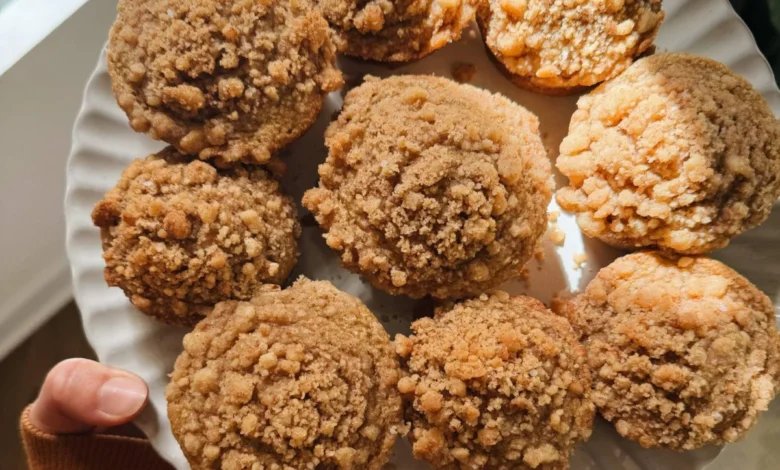
The modern morning routine has undergone a significant transformation over the past decade, driven by a growing cultural shift toward efficiency, health consciousness, and home-baked nutrition. Among the latest culinary mainstays capturing the attention of busy households are make-ahead breakfast items, most notably wholesome, nutrient-dense baked goods like apple streusel meal prep muffins. As consumers increasingly seek alternatives to highly processed commercial breakfast foods, home economists and culinary experts are highlighting recipes that balance convenience with traditional baking values. This trend reflects a broader consumer movement toward functional meal planning, where busy parents and professionals utilize designated preparation windows to streamline their weekday schedules without sacrificing dietary quality.
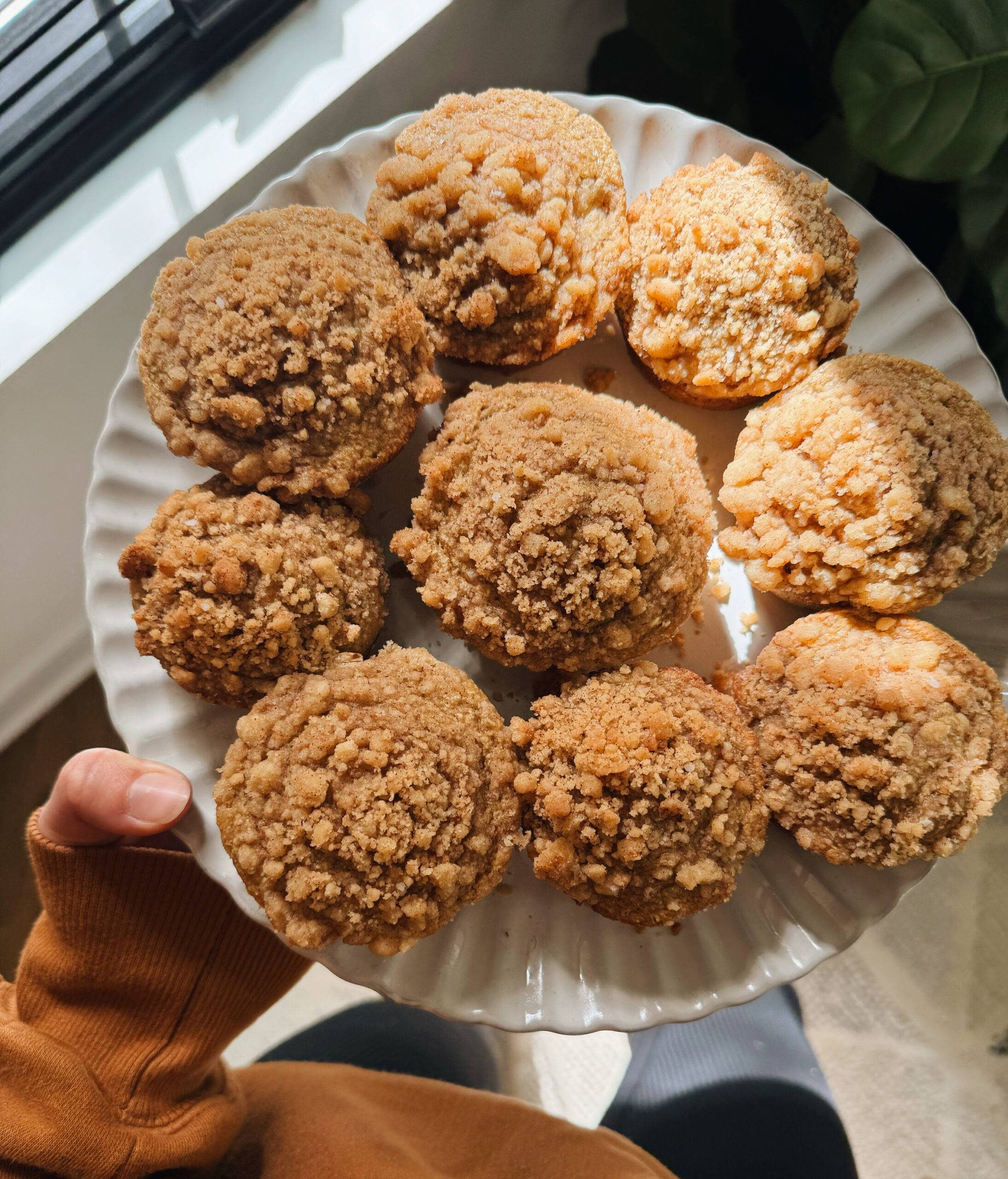
The evolution of meal prepping from a niche fitness practice into a mainstream household strategy is rooted in changing economic and lifestyle pressures. Historically, breakfast preparation was treated as an ad-hoc morning task, leading to reliance on quick-service restaurant foods or packaged cereals. However, shifting demographic trends, including the rise of dual-income households and remote or hybrid work models, have placed a premium on time management. According to recent consumer behavior studies conducted by food industry analysts, more than 60 percent of working adults and parents now engage in some form of weekly meal preparation. The objective is twofold: reducing household expenditures on convenience foods and exercising greater control over nutritional intake, particularly regarding sugar content and whole-grain consumption.
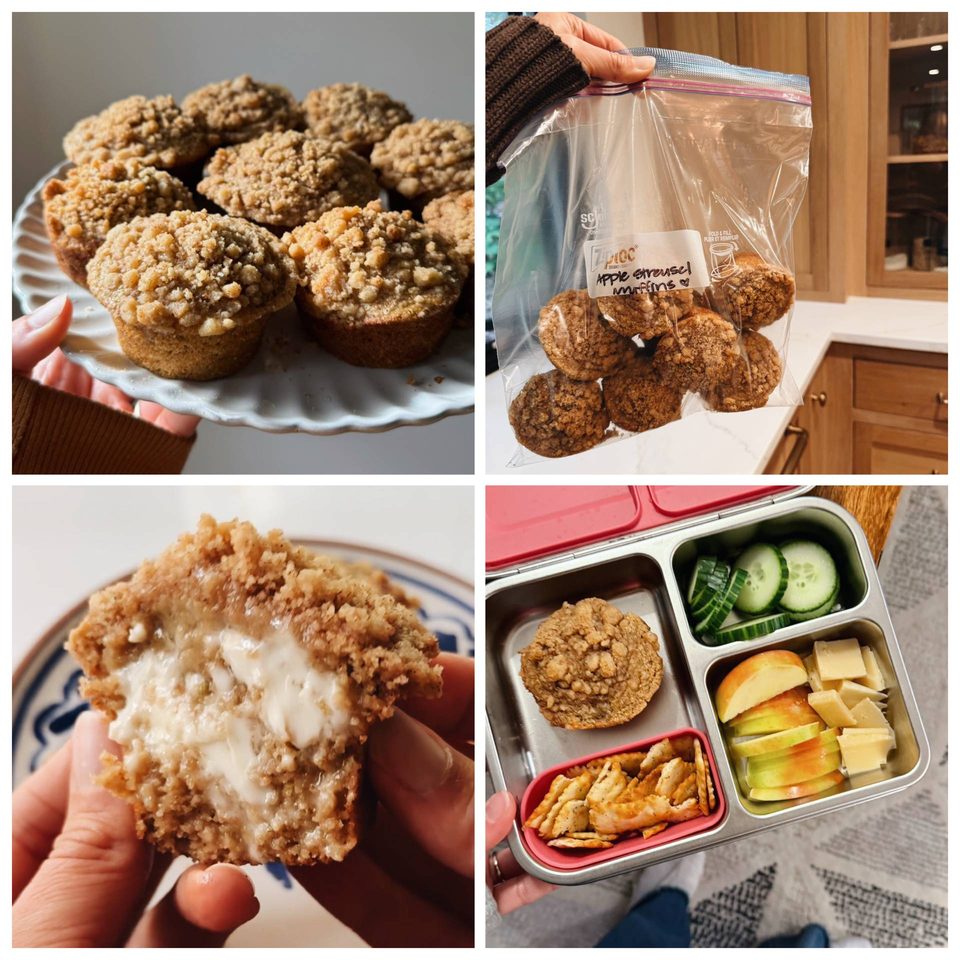
Apple streusel muffins engineered specifically for meal prep serve as a prime example of this culinary adaptation. By integrating wholesome components—such as fresh apples, whole grains, and natural sweeteners—into a portable, freezable format, home cooks can achieve the sensory experience of a traditional weekend bakery item on a hurried Tuesday morning. Culinary experts note that the inclusion of seasonal fruits like apples provides essential dietary fiber and micronutrients, while traditional toppings such as brown sugar and oat-based streusel cater to the consumer demand for comforting textures. Furthermore, the versatility of these baked goods makes them a staple for school lunchboxes and post-school snacks, minimizing the reliance on commercial snacks that often contain artificial preservatives.

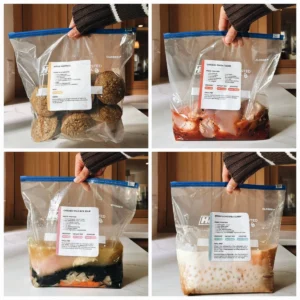
The logistical framework of successful meal prep relies heavily on standardization and preservation techniques. Nutritional consultants emphasize that baked items intended for advance preparation must be formulated to withstand refrigeration or freezing without losing structural integrity or moisture. For apple muffins, this involves balancing the moisture content of fresh fruit with dry ingredients to prevent spoilage or sogginess during storage. Home economics specialists recommend sealing pre-baked muffins in airtight containers immediately after cooling, allowing them to be rapidly reheated in a microwave or toaster oven throughout the week. This systematic approach aligns with broader public health initiatives aimed at encouraging home cooking, which studies consistently link to better nutritional outcomes and reduced caloric intake compared to dining out.
Reactions from parents and consumer advocacy groups highlight the practical benefits of incorporating baked meal-prep items into daily routines. Education and family nutrition advocates point out that providing children with nutrient-dense, homemade snacks fosters healthier long-term eating habits. Schools across various districts have also reported a decline in ultra-processed lunchbox items as families adopt batch-cooking methods on weekends. While commercial food manufacturers continue to market pre-packaged breakfast bars as convenient solutions, consumer trust has increasingly gravitated toward transparency in ingredient sourcing, a core advantage of home preparation.
The broader economic and cultural implications of the meal prep movement extend deep into the retail grocery sector. Supermarkets have observed steady increases in the year-round sales of baking staples, including whole-wheat flour, oats, baking powder, and seasonal produce like apples. Market research indicates that consumers are investing more in durable food storage containers and kitchen appliances, such as high-capacity stand mixers and convection ovens, designed to facilitate efficient batch cooking. This shift represents a localized decentralization of food production, where households reclaim a portion of the labor traditionally handled by commercial bakeries.
Looking forward, industry analysts predict that the demand for functional, portable breakfast options will continue to expand. As food inflation influences household budgets, the cost-effectiveness of purchasing bulk ingredients to produce multiple days’ worth of breakfasts offers a compelling financial incentive. Additionally, the psychological comfort associated with traditional comfort foods—such as cinnamon-spiced apple treats—provides an emotional anchor for families navigating fast-paced daily schedules. Ultimately, the popularity of apple streusel meal prep muffins underscores a durable trend: the successful integration of heritage baking practices into the demands of contemporary, efficiency-driven lifestyles.