Homemade Chicken Noodle Soup: A Culinary Analysis of a Comfort Food Staple

The preparation of homemade chicken noodle soup has long occupied a central position in domestic culinary traditions, serving as both a nutritional staple and a significant cultural symbol of comfort. While modern food technology and the convenience of pre-packaged goods have shifted the landscape of home cooking, the fundamental components of this dish—mirepoix, high-quality protein, and starch—remain a standard for nutritional balance. Analyzing the construction of this classic dish reveals a synthesis of simple, accessible ingredients that produce a complex nutritional profile capable of providing sustained energy and hydration, particularly during the colder months of the year.
Historical Context and Cultural Significance
The origins of chicken soup as a restorative meal date back to ancient civilizations, where the practice of simmering poultry bones and vegetables was recognized for its therapeutic potential. In Western culture, the dish gained prominence in the mid-20th century as a household necessity. During the post-Halloween period in the United States, there is a statistically observable shift in consumer behavior, where individuals often transition from high-sugar, low-nutrient snack consumption toward more substantive, savory home-cooked meals. This cycle reflects a broader trend of "comfort cooking," wherein the act of preparing warm, broth-based meals serves as a physiological and psychological remedy for the physical exhaustion often associated with seasonal transitions.
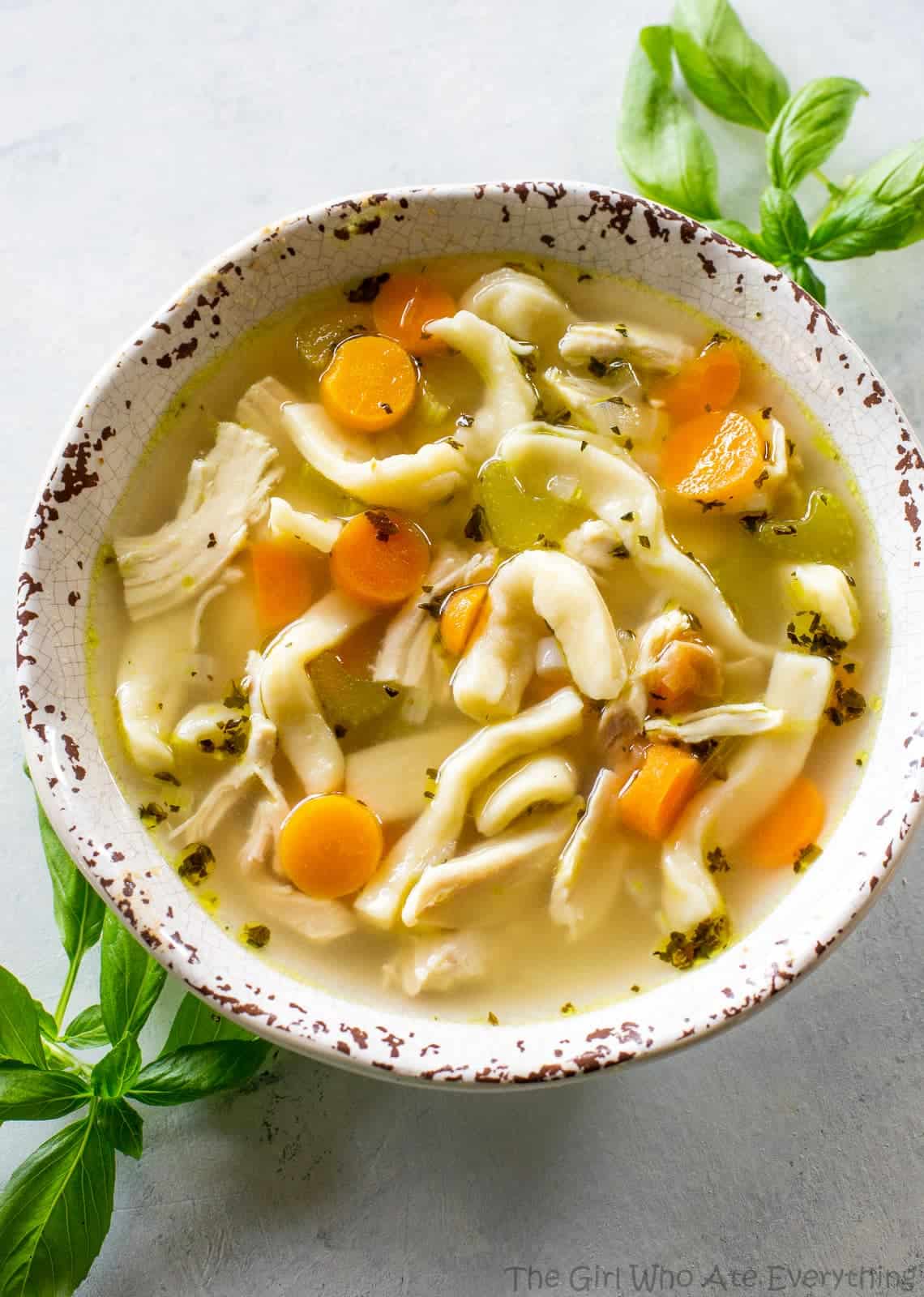
The preparation process is categorized by its reliance on a foundational mirepoix—a culinary base of diced carrots, celery, and onions. These aromatics provide the essential micronutrients and flavor profile required for the broth. When combined with chicken and a source of carbohydrates, such as traditional egg noodles, the dish achieves a balanced macronutrient ratio that is frequently cited by nutritionists as an ideal recovery meal.
The Science of the Broth and Protein Ratio
Professional culinary analysis emphasizes that the success of a chicken noodle soup hinges on the viscosity and depth of the broth. While many home cooks rely on commercial, shelf-stable stocks, the use of high-quality bases, such as concentrated chicken pastes, has gained traction for its ability to mimic the richness of long-simmered bone broths.
Data regarding the preparation of this dish indicates that the "chicken-to-liquid" ratio is the primary variable that determines the final quality of the meal. An improper balance—often caused by an excess of water or insufficient protein volume—can dilute the essential amino acids found in chicken, which are vital for immune support. Furthermore, the inclusion of fresh herbs and properly sautéed aromatics ensures that the dish retains a depth of flavor that is often lost in industrial production.
The Role of Homemade Pasta in Culinary Tradition
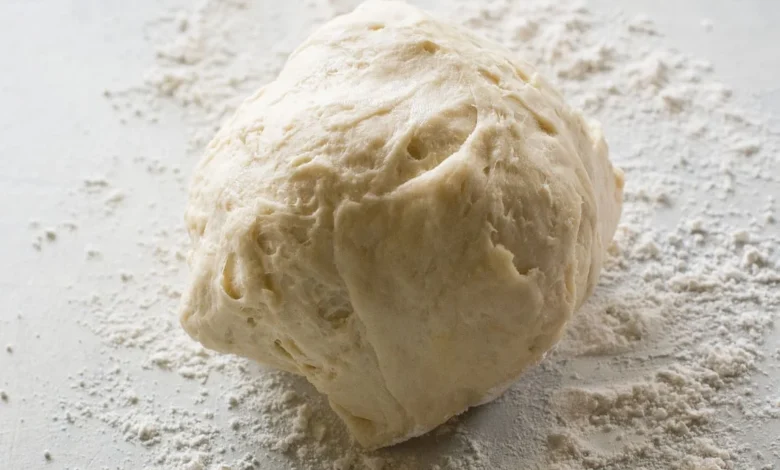
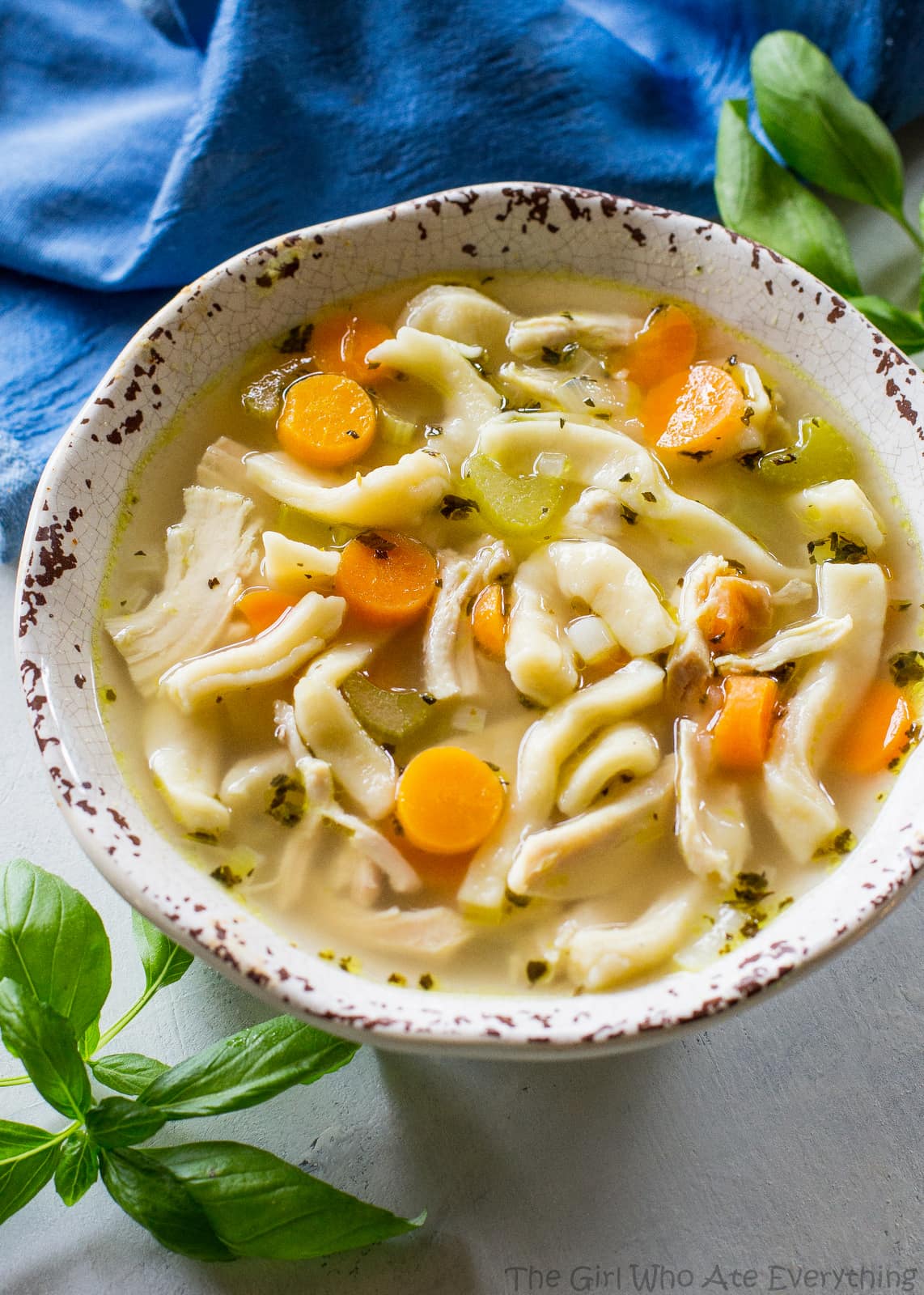
The inclusion of homemade noodles is widely considered the hallmark of authentic chicken noodle soup. From a chemical perspective, homemade noodles, typically composed of flour, eggs, and a small amount of liquid, offer a different textural integrity compared to dehydrated, store-bought alternatives. The protein in the eggs creates a structure that withstands the high-temperature environment of a simmering broth without losing its structural integrity.
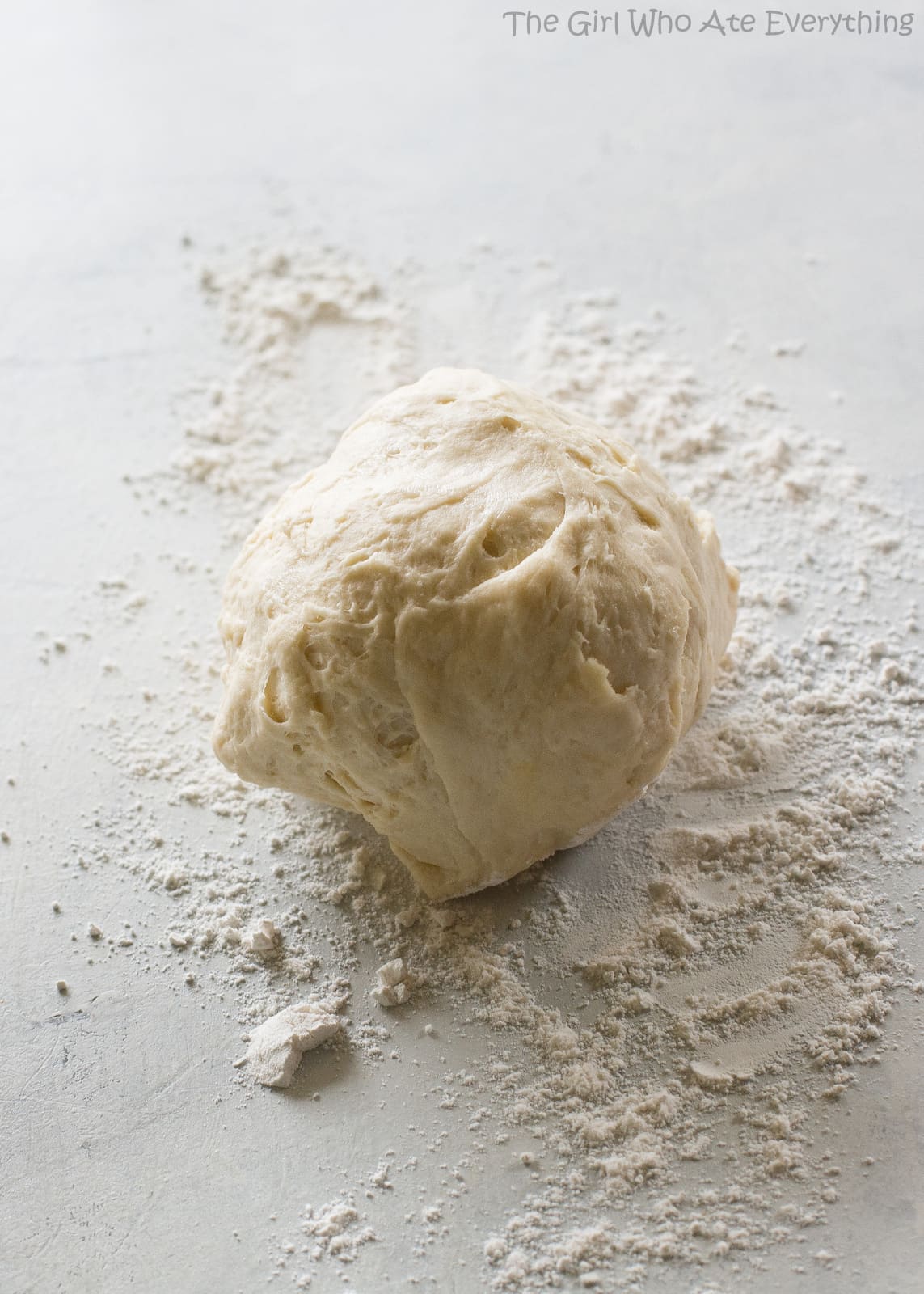
Culinary experts note that drying the noodles prior to immersion is a critical step in the cooking process. Allowing the pasta to rest for approximately 30 to 60 minutes removes excess surface moisture, which prevents the soup from becoming overly starchy or cloudy. This technical detail, though seemingly minor, dictates the final mouthfeel of the soup. While commercial egg noodles serve as a viable substitute, they often lack the chewiness and structural resilience of a handmade product, which maintains a distinct identity within the broth.
Chronology of Preparation and Efficiency
A common misconception regarding traditional chicken noodle soup is that it requires an extensive time investment. In reality, the workflow for this meal can be streamlined into a manageable 30-to-45-minute window. A standardized production timeline follows this sequence:
- Preparation (0-10 minutes): Washing and chopping the mirepoix. The uniformity of the cuts is essential for ensuring that all vegetables reach the desired tenderness simultaneously.
- Sautéing (10-15 minutes): Cooking the aromatics in fat to release essential oils, followed by the addition of the broth and seasonings.
- Protein Integration (15-25 minutes): Adding pre-cooked or shredded chicken to the simmering broth to ensure it is thoroughly heated without overcooking the fibers.
- Noodle Incorporation (25-35 minutes): Adding the noodles last. If using homemade pasta, they require a shorter cooking time than dry, commercial varieties, often becoming al dente within three to five minutes of boiling.
Nutritional Implications and Consumer Feedback
From a dietary standpoint, chicken noodle soup is an effective vehicle for hydration and electrolyte intake. The salt content of the broth, combined with the potassium from the vegetables, makes it a medically recognized intervention for individuals suffering from seasonal illness.
Feedback from consistent home cooks suggests that the scalability of the recipe is a significant advantage. Many practitioners report that the dish serves as a "batch-cooking" solution, capable of being stored for several days without significant degradation in quality. The ability to gift or share the meal with relatives and neighbors, as reported by frequent practitioners of the craft, underscores the social utility of the recipe. The economic efficiency—using readily available, affordable ingredients—further solidifies its status as a cornerstone of modern household meal planning.
Broader Economic and Household Impacts
The enduring popularity of chicken noodle soup is not merely a result of its flavor profile, but also its economic accessibility. In times of inflation or economic uncertainty, the ability to produce a high-yield, nutritious meal from relatively inexpensive staples like carrots, onions, and basic pantry items provides a hedge against the rising costs of dining out.
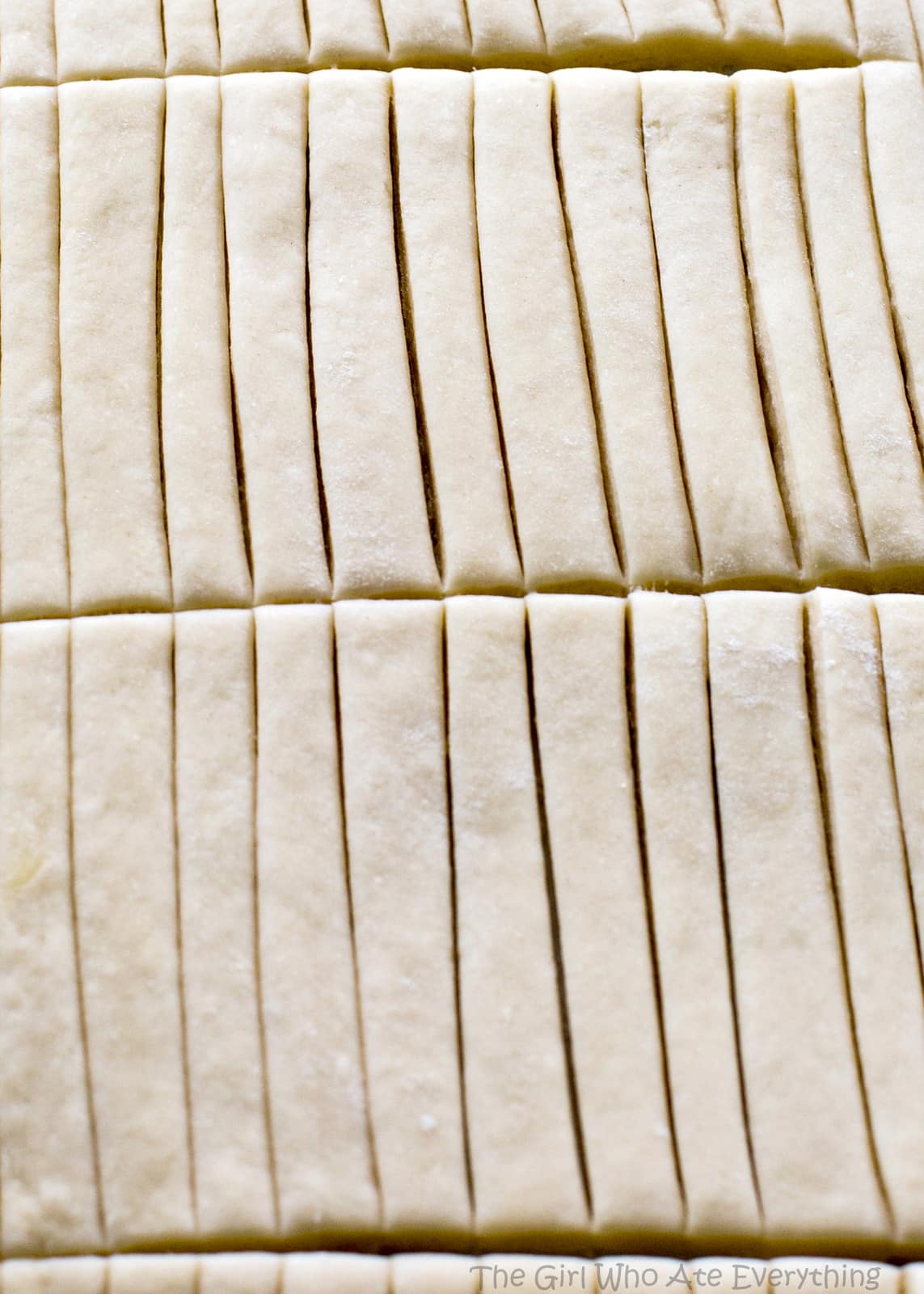
Furthermore, the rise of "DIY" culinary trends has empowered home cooks to master techniques previously thought to be overly complex, such as making pasta from scratch. This shift indicates a broader movement toward food autonomy, where individuals are increasingly seeking to understand the provenance and preparation of their meals. The ease with which these techniques can be mastered—requiring no specialized equipment beyond a rolling pin and a knife—serves as an entry point for those looking to improve their culinary proficiency.
Conclusion: The Future of the Classic Recipe
As culinary trends continue to evolve, the chicken noodle soup recipe remains remarkably resistant to radical change, yet it remains adaptable to modern preferences. Whether through the incorporation of organic, locally sourced poultry or the experimentation with gluten-free flour blends for the noodles, the core architecture of the soup persists. It serves as a reminder that the most enduring culinary successes are often the simplest, rooted in basic, high-quality ingredients and a methodical approach to preparation.
For the contemporary home cook, the recipe is not merely a list of instructions, but a framework for consistency. By focusing on the quality of the broth, the precision of the vegetable cuts, and the texture of the noodles, one can elevate a domestic staple into a refined culinary experience that honors tradition while meeting the demands of a modern lifestyle. As demonstrated by the widespread success of such recipes, the intersection of comfort and nutrition continues to be the driving force behind the most significant dishes in the home kitchen.