English Muffin Pizzas: A Timeless Culinary Staple for Modern Households

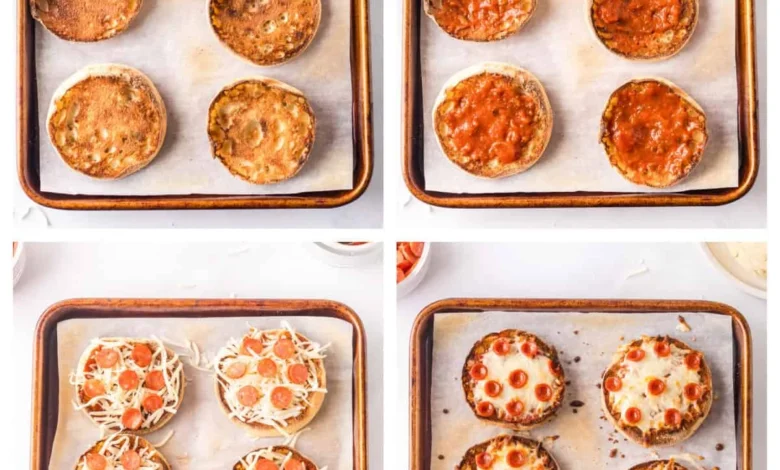
The English muffin pizza has emerged as a quintessential fixture in the landscape of quick-service home cooking, bridging the gap between convenience and traditional culinary satisfaction. Comprising a toasted English muffin base, a layer of tomato-based sauce, a generous application of mozzarella, and various toppings, this dish has sustained its popularity for decades due to its rapid preparation time and minimal ingredient requirements. As modern households increasingly seek efficient, time-sensitive meal solutions, the English muffin pizza serves as a case study in how simple pantry staples can be repurposed to meet the demands of contemporary dining.

Historical Context and Culinary Evolution
The origin of the English muffin pizza can be traced back to the post-war era in the United States, a period characterized by the rapid expansion of convenience foods and the widespread adoption of the domestic toaster oven. By the 1960s and 70s, as frozen pizza products began to dominate the market, home cooks sought a "do-it-yourself" alternative that could be assembled in under 20 minutes. The English muffin—a product popularized in the 19th century by Samuel Bath Thomas—provided an ideal architecture for a miniature pizza. Its distinct "nooks and crannies" serve a functional purpose, acting as reservoirs for sauce and heat, which ensures that the structural integrity of the base is maintained during the broiling process.
Over the last fifty years, the recipe has transitioned from a childhood snack to a versatile, customizable meal option. Its resilience in the culinary world is attributed to its low barrier to entry; the dish requires no dough preparation, no rolling pins, and minimal cleanup.

Procedural Standards for Optimal Preparation
From a technical standpoint, the preparation of an English muffin pizza involves a precise sequence of events designed to maximize texture and flavor profiles. Food science dictates that the moisture content of the sauce can compromise the crispness of the bread. Consequently, the industry standard for preparation involves a two-stage heating process:
- Initial Toasting: The split English muffin must be toasted until the crumb is firm and the surface exhibits a golden-brown coloration. This dehydration of the surface layer creates a barrier that prevents the sauce from saturating the bread, which would otherwise result in a compromised, "soggy" mouthfeel.
- Topping Assembly: Application of sauce, cheese, and proteins occurs only after the initial toasting phase.
- The Broiling Finish: The final step involves exposing the assembled product to high-intensity radiant heat. This facilitates the Maillard reaction in the cheese—browning it while simultaneously melting the proteins—and crisps the edges of the muffin.
Data and Efficiency Metrics
Analysis of domestic meal-preparation times indicates that the average American household spends approximately 45 to 60 minutes preparing a standard dinner. In contrast, the English muffin pizza offers a significant reduction in labor. Data shows that the total cycle time for these pizzas, from preparation to final plating, averages between 18 and 22 minutes.

Nutritionally, a single serving of a standard English muffin pizza—typically consisting of one half of a muffin with standard toppings—contains approximately 168 calories. The composition of the dish is generally balanced, providing roughly 9 grams of protein and 15 grams of carbohydrates. While sodium content varies depending on the brand of sauce and pepperoni used, the dish remains a manageable portion-controlled option for families, particularly when compared to commercial delivery pizzas which can exceed 2,000 calories per serving.
Technological Adaptation: The Air Fryer Impact
The recent surge in the adoption of air fryers has further revolutionized the preparation of this dish. Unlike traditional conventional ovens, which heat the ambient air, air fryers utilize high-speed convection to circulate heat, resulting in a more rapid crisping of the crust. Culinary experts note that the air fryer provides a superior environment for smaller batches, reducing energy consumption and preparation time by nearly 30% compared to a full-sized wall oven. This technological shift has effectively repositioned the English muffin pizza as an even more viable option for single-serving meals or late-night snacks.

Cultural Significance and Social Dynamics
Beyond the logistical benefits, the English muffin pizza holds a unique place in social dining. Because the dish is assembled on a per-unit basis, it removes the friction associated with dietary preferences or allergen requirements. In a communal setting, such as a family gathering or a social event, the "build-your-own" model allows individuals to customize their toppings—whether that involves the addition of mushrooms, bell peppers, sausage, or pineapple—without requiring the host to prepare multiple distinct meals.
This autonomy is particularly significant in households with children, where the activity of assembling the pizzas serves as an introduction to basic kitchen skills and food assembly. By allowing individuals to curate their own ingredients, the dish promotes agency and encourages the exploration of flavor profiles, albeit within the confines of a simple, reliable format.

Broader Culinary Implications
The enduring relevance of the English muffin pizza speaks to a larger trend in the food industry: the prioritization of "accessible gourmet." While high-end culinary trends often focus on complex techniques, the consistent popularity of simple, functional recipes highlights a consumer preference for reliability and efficiency.
From an economic perspective, the dish is highly scalable. The four core ingredients—English muffins, tomato sauce, mozzarella cheese, and a protein source—are among the most affordable items in a standard grocery inventory. During periods of economic uncertainty, consumers often migrate toward such "recession-proof" recipes that offer high satisfaction at a low cost-per-serving.

Expert Analysis and Conclusion
Industry analysts suggest that the market for simple, quick-assembly meal solutions will continue to grow as urban living spaces shrink and the demand for time-saving cooking methods increases. The English muffin pizza occupies a strategic position in this market, as it requires zero specialized equipment beyond basic kitchen tools.
While the dish may be categorized as a snack or a "quick fix," its utility cannot be overstated. It provides a foundational template that allows for infinite culinary iteration, from sophisticated artisanal toppings to the classic pepperoni standard. As long as there is a need for efficient, nutrient-dense, and customizable meals, the English muffin pizza will remain a fundamental element of the domestic kitchen.

The successful implementation of this recipe serves as a reminder that culinary excellence does not always require extensive preparation time or rare ingredients; rather, it often relies on the correct application of heat and the thoughtful assembly of quality components. Whether utilizing a traditional oven, a broiler, or modern convection technology, the process remains a testament to the effectiveness of simple, time-tested preparation techniques in the modern age.