The Global Ascent of Chilean Cabernet Sauvignon and the Evolution of the Maipo Valley Terroir

Chilean Cabernet Sauvignon has solidified its standing as a formidable presence in the international wine market, transitioning from a source of high-volume, affordable exports to a producer of world-class, terroir-driven reds that rival the traditional powerhouses of Bordeaux and Napa Valley. This evolution is the culmination of centuries of viticultural history, unique geographical advantages, and a recent surge in technical sophistication and international investment. As the global wine community concludes extensive tasting retrospectives, such as the 34-week systematic evaluation of diverse wine regions, the focus has increasingly turned toward Chile’s ability to produce Cabernet Sauvignon that balances Old World structure with New World fruit intensity.
The Historical Context: From Colonial Roots to French Influence
The history of Chilean viticulture is one of the oldest in the Americas, dating back to the mid-16th century. When Spanish conquistadors and missionaries arrived, they brought with them the Vitis vinifera vines necessary for sacramental wine. For nearly 300 years, the dominant variety was Pais (known in Spain as Listán Prieto and in California as Mission). This grape produced rugged, high-alcohol wines that served as the "house wine" for the region.
However, the mid-19th century marked a definitive turning point. In 1851, wealthy Chilean landowners, inspired by the prestigious estates of France, began importing noble varieties from Bordeaux, including Cabernet Sauvignon, Merlot, Cabernet Franc, and Malbec. This occurred just before the Great French Wine Blight, caused by the phylloxera aphid, devastated European vineyards. Because Chile is geographically isolated—bordered by the Atacama Desert to the north, the Andes Mountains to the east, the Patagonian ice fields to the south, and the Pacific Ocean to the west—it remained one of the few places on Earth where original French vines could grow on their own rootstocks, unaffected by the pest.
Throughout the 20th century, Chile focused primarily on domestic consumption and the production of accessible, fruity wines. It was not until the late 1980s and early 1990s that a modernization movement, spurred by the return of democracy and an influx of foreign capital, elevated the quality of Chilean Cabernet Sauvignon to the premium tier it occupies today.
The Maipo Valley: The "Bordeaux of South America"
Within the diverse landscape of Chilean viticulture, the Maipo Valley stands as the historic and spiritual home of Cabernet Sauvignon. Often referred to as the "Bordeaux of South America," the Maipo Valley’s climate and soil composition provide an ideal environment for the late-ripening Cabernet grape.
The valley is characterized by a Mediterranean climate, featuring warm, dry summers and cool, wet winters. However, the defining factor for quality is the influence of the Andes Mountains. The Maipo is typically divided into three distinct sectors:

- Alto Maipo (Upper Maipo): Situated at the foot of the Andes, these vineyards sit at elevations of 400 to 800 meters. The cool mountain breezes create a significant diurnal temperature swing (the difference between day and night temperatures), which allows the grapes to retain acidity while developing complex phenolic ripeness. The wines here are known for their elegance, firm tannins, and signature notes of mint and eucalyptus.
- Central Maipo: This region is warmer and features more alluvial soils. The wines produced here tend to be riper, more fruit-forward, and possess softer tannins compared to their highland counterparts.
- Maipo Costa (Coastal Maipo): Influenced by the Pacific Ocean’s cooling Humboldt Current, this area is increasingly being explored for its ability to produce fresher, more vibrant iterations of Cabernet Sauvignon.
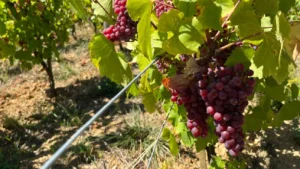
The soil in the Maipo Valley is largely composed of alluvial stones and gravel, which offers excellent drainage. This lack of water retention forces the vines to struggle, resulting in smaller, more concentrated berries with deep color and intense flavor profiles.
Analytical Profile: The 2016 Cousiño Macul Dama de Plata
A primary example of the Maipo Valley’s capabilities is found in the 2016 Cousiño Macul Dama de Plata. Cousiño Macul, established in 1856, is one of the few remaining estates in Chile still owned by the founding family, representing a direct link to the 19th-century "Bordeaux era."
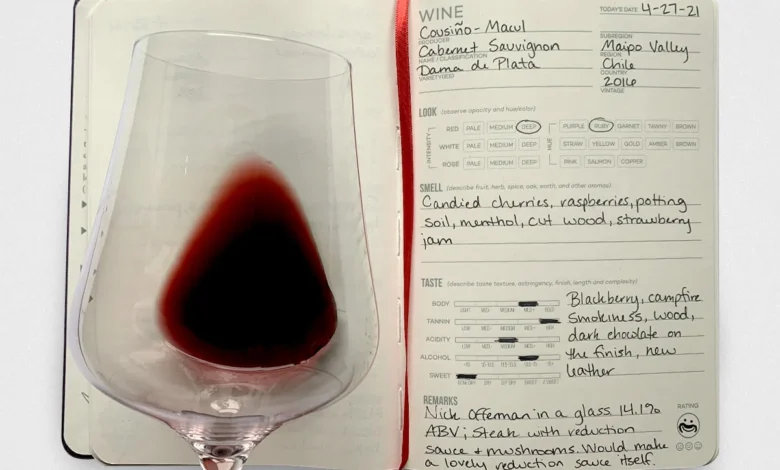
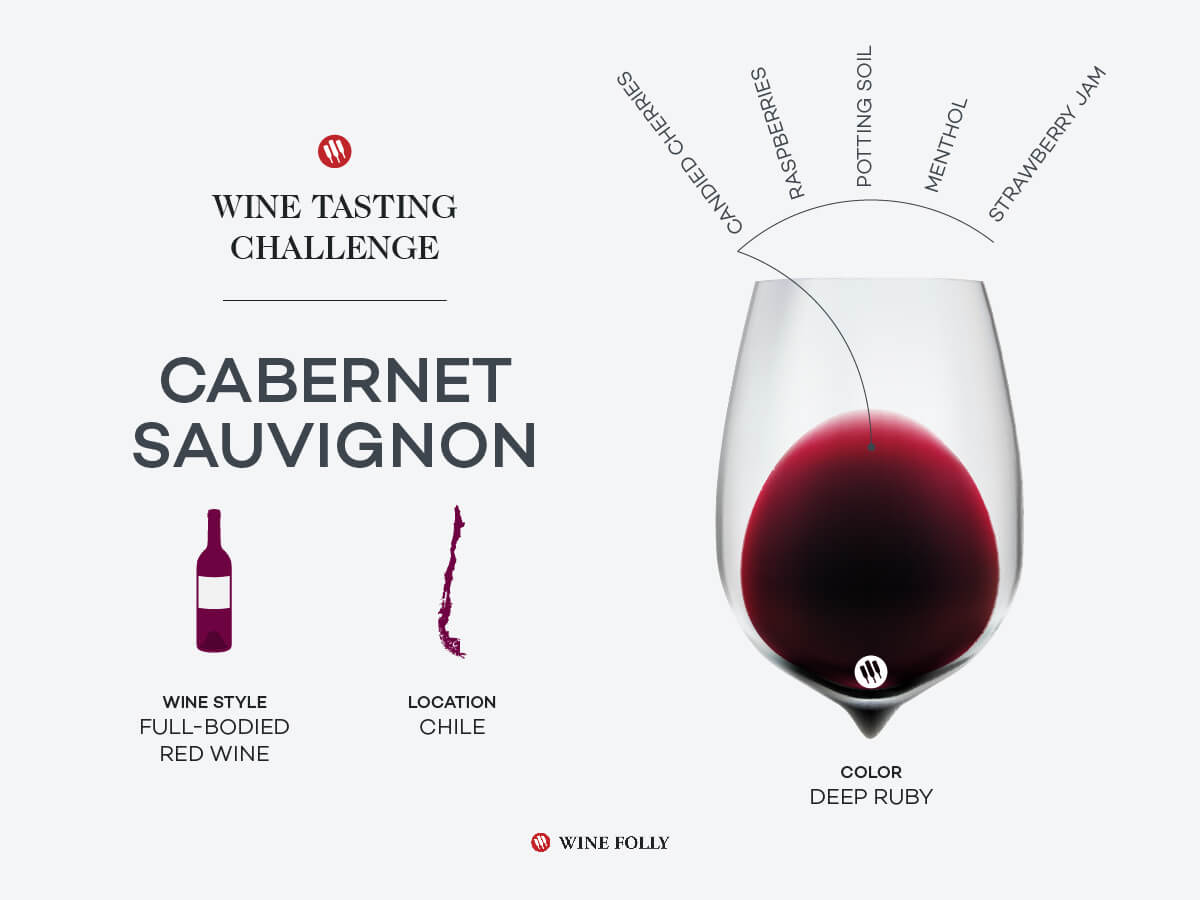
The 2016 Dama de Plata demonstrates the classic characteristics of a high-altitude Maipo Cabernet. Visually, the wine presents a deep ruby hue, indicating a high concentration of anthocyanins. On the nose, the aromatic profile is complex, moving beyond simple fruit to include tertiary and savory notes. Analysts identify primary aromas of candied cherries and raspberry jam, underpinned by secondary and tertiary scents of potting soil, menthol, and cut wood.
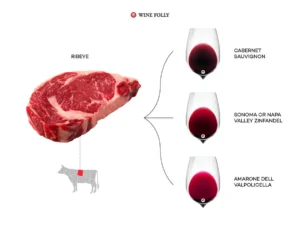
On the palate, the wine is full-bodied with a robust tannic structure. The "big tannins" are a hallmark of the 2016 vintage, providing a framework for flavors of blackberry, dark chocolate, and a distinctive campfire smokiness. This smokiness is often attributed to both the oak aging process and the specific mineral composition of the Maipo soils. The finish is persistent, characterized by a balance of fruit sweetness and savory depth, making it a quintessential candidate for pairing with protein-rich dishes such as grilled steak with mushroom reduction.
Economic Impact and Global Investment Trends
The increasing quality of Chilean Cabernet Sauvignon has not gone unnoticed by the global wine elite. Since the late 20th century, some of the most prestigious names in French winemaking have established joint ventures in Chile, specifically targeting Cabernet-based blends.
Significant partnerships include:
- Almaviva: A collaboration between Viña Concha y Toro and Baron Philippe de Rothschild (of Château Mouton Rothschild).
- Los Vascos: Owned by Les Domaines Barons de Rothschild (Lafite).
- Viña Sena: A joint venture formerly between Eduardo Chadwick and the late Robert Mondavi.
These investments have brought not only capital but also advanced French viticultural techniques and enological expertise. According to data from Vinos de Chile, the industry body representing Chilean producers, Cabernet Sauvignon remains the country’s most planted variety, accounting for over 40,000 hectares. It is the primary driver of Chile’s export economy, with major markets including China, the United Kingdom, and the United States.
Market analysis suggests that Chile’s competitive advantage lies in its "value-to-quality" ratio. While a top-tier Cabernet from Napa Valley or the Médoc can command prices in the hundreds or thousands of dollars, Chilean equivalents of comparable quality are often available at a third of the cost. This has made Chilean wine a favorite among collectors and enthusiasts seeking "smart buys" in the premium red category.
Technical Innovations and the Menthol Signature
One of the most debated and researched aspects of Chilean Cabernet Sauvignon is its distinctive aromatic profile, which often includes notes of eucalyptus, menthol, and dried herbs. For years, it was speculated that this was due to the proximity of eucalyptus trees to the vineyards. However, recent chemical analysis has suggested that the compound p-menthane-8-thiol may be naturally occurring in the grapes under specific climatic conditions in the Maipo and Colchagua valleys.
Furthermore, Chilean winemakers have shifted their technical approach in the last decade. There is a move away from over-extraction and excessive new oak, which characterized the "international style" of the early 2000s. Instead, there is a renewed focus on "finesse," with earlier harvest dates to preserve natural acidity and the use of larger, neutral oak foudres or concrete eggs to allow the purity of the fruit and the nuances of the terroir to shine through.
Broader Implications for the Global Wine Market
The success of Chilean Cabernet Sauvignon marks a broader shift in the global wine landscape. As climate change impacts traditional regions like Bordeaux—where rising temperatures are pushing alcohol levels higher and altering traditional flavor profiles—Chile’s diverse topography offers a variety of "cool-climate" alternatives. By moving higher into the Andes or closer to the Pacific coast, Chilean producers are finding new ways to maintain the elegance and structural balance that Cabernet Sauvignon drinkers demand.
The conclusion of the 34-week Tasting Challenge, which systematically explored 12 countries and 34 distinct wine styles, highlights the educational shift among modern consumers. Today’s wine drinkers are less tethered to traditional European labels and are more willing to explore high-quality alternatives from the Southern Hemisphere. The inclusion of Chilean Cabernet as a final, climactic installment of such a challenge underscores its status as a foundational pillar of modern viticulture.
As the industry looks forward, the focus remains on sustainability and the exploration of neglected regions. While the Maipo Valley remains the gold standard for Cabernet, regions such as the Aconcagua Valley and the Colchagua Valley are increasingly producing award-winning wines that challenge the status quo. For the consumer, the message is clear: the Chilean wine industry has matured into a sophisticated, diverse, and quality-driven sector that offers some of the most compelling red wines in the world today. The "South American refuge of Old World styles" has successfully transformed into a New World leader, setting its own standards for excellence and innovation.