Châteauneuf-du-Pape 2016: A Comprehensive Retrospective on a Landmark Southern Rhône Vintage

The 2016 vintage in Châteauneuf-du-Pape is widely regarded by viticulturists and oenologists as one of the most exceptional years in the recent history of the Southern Rhône Valley. A decade removed from the harvest, these wines have moved out of their primary, fruit-forward phase and into a period of sophisticated development, revealing the nuanced interplay between the region’s iconic galet-strewn terroir and a near-perfect climatic cycle. While vintage quality is often treated as a monolith in regional reporting, a granular analysis of the 2016 output reveals a fascinating spectrum of stylistic diversity, ranging from the ethereal and floral to the dense and profoundly structured.
Climatic Conditions: The Genesis of Excellence
To understand the current state of these wines, one must first look at the unique meteorological conditions of the 2016 growing season. The year was characterized by a mild winter followed by a relatively cool, wet spring, which helped to replenish deep-soil water reserves—a critical factor for survival during the typically arid Southern Rhône summers.
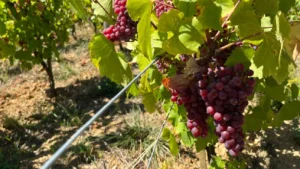
Flowering occurred under near-ideal conditions in early June, leading to excellent fruit set. The summer months were marked by hot, dry days, but crucially, the nights remained cool. This diurnal temperature variation is the secret weapon of the 2016 vintage; it allowed the grapes to achieve full phenolic ripeness while retaining the high levels of natural acidity necessary to provide tension and longevity. By the time of the harvest, the fruit was pristine, healthy, and perfectly balanced, allowing winemakers to produce wines of remarkable purity and focus.
The Evolution of the 2016 Profile
Ten years on, the wines are currently undergoing a fascinating transition. In their youth, many of the 2016s were defined by their overt primary fruit—wild strawberries, raspberries, and dark cherries. Today, those vibrant notes are being complemented by the development of complex, tertiary aromas: hints of forest floor, dried Provençal herbs, tobacco, and subtle spice.
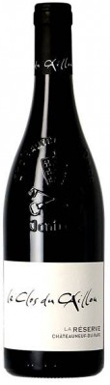
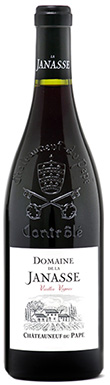
A critical observation across the board is the "effortless" nature of the vintage. Unlike the heat-stressed years that can lead to jammy, over-extracted profiles, the 2016s maintain a sense of poise. Even the most powerful, high-alcohol cuvées, such as those from Domaine de la Janasse or Le Clos du Caillou, possess an inherent energy that prevents them from feeling heavy. This suggests that the vintage has the structural integrity to continue evolving in the cellar for another decade or more, provided storage conditions are optimal.
Comparative Analysis of Key Producers
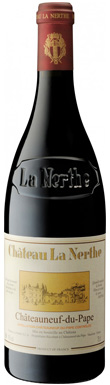
The diversity within the appellation is best illustrated by the varying approaches of the top estates. For example, the wines of Château La Nerthe, particularly their Cuvée des Cadettes, exemplify the capacity for depth and velvet-like texture, showcasing a harmonious integration of oak and fruit that has matured beautifully.
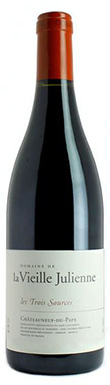
Conversely, estates like Domaine de la Vieille Julienne, with their Les Trois Sources, demonstrate the hallmark of a great vintage: the ability to remain "tight" and reductive in youth, only to unfurl into a display of precision and focus as the tannins soften. The Cornelia Constanza from Domaine de la Solitude highlights the aromatic complexity the vintage can offer, featuring pine resin and iodine notes that are less common in warmer, more aggressive years.
The spectrum of the vintage is further broadened by producers like Domaine Charvin, whose commitment to a more traditional, medium-bodied, and fresh style remains a benchmark for the region. Their 2016 is a masterclass in balance, offering firm acidity and a grippy, long finish that highlights the structural potential of the vintage’s Grenache-dominant blends.
Economic and Market Implications
The prestige of the 2016 vintage has had a tangible impact on the secondary market. As these wines enter their prime drinking window, demand among collectors has surged. The scarcity of high-end cuvées, combined with the universal acclaim from critics, has solidified 2016 as a "blue-chip" vintage.
For the average consumer or collector, the primary challenge is the qualitative spread. While the top-tier wines are spectacular, the "average" estate also produced better-than-average results, making 2016 a year where even entry-level Châteauneuf-du-Pape labels punch above their weight. This has created a unique window for wine enthusiasts to acquire bottles that offer a high "value-to-quality" ratio compared to the historically expensive 2010 or 2015 vintages.
The Role of Viticultural Stewardship
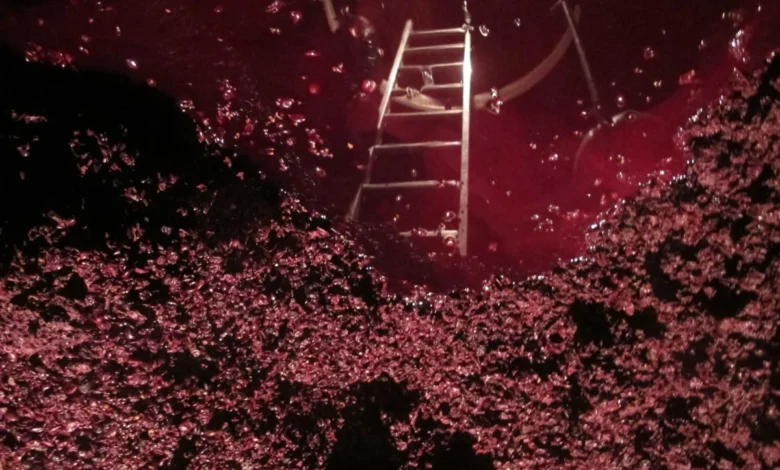
The success of 2016 cannot be attributed to luck alone. It was a year that rewarded precision in the vineyard. Growers who managed their canopy effectively to protect against the summer sun, and who exercised restraint during the fermentation process, produced the most iconic results.
There is also a noticeable trend toward "freshness" in the 2016s. Many winemakers in the region have been moving away from excessive extraction and heavy oak regimes. The 2016 vintage served as the perfect canvas for this philosophy; the fruit quality was so high that it did not require aggressive intervention. As a result, many of the wines from this year possess a level of transparency—a "truthfulness" to the terroir—that defines the best of the Southern Rhône.
Future Projections: Longevity and Aging
Looking ahead, the next five to ten years will be the "golden age" for these wines. While many are drinking beautifully right now, the more concentrated cuvées—those with higher proportions of Mourvèdre and Syrah, or those from old-vine parcels—are still showing signs of youth.
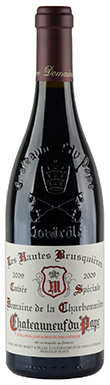
The structural components are clearly defined: the tannins are mature and polished, the acidity is well-integrated, and the alcohol levels, while significant, are buffered by the sheer concentration of fruit. It is highly probable that the best 2016s will still be providing profound drinking experiences well into the 2030s.
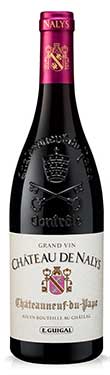
Conclusion
The 2016 Châteauneuf-du-Pape vintage remains a cornerstone for any serious study of Southern Rhône viticulture. It represents a rare alignment of environmental favor and human expertise. Whether one prefers the generous, full-bodied expressions that define the traditional character of the appellation, or the more refined, tension-filled styles that represent the new wave of winemaking in the region, the 2016 vintage offers a definitive answer. It is a year of balance, a year of depth, and, quite simply, a year that will continue to set the standard for the region for many years to come.
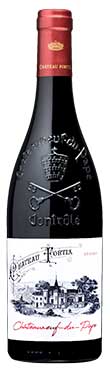
As we continue to observe the development of these wines, the overarching takeaway is clear: the 2016 vintage has earned its place in the pantheon of great French wine years. For those holding these bottles, patience will continue to be rewarded, but for those ready to open them, the experience is one of pure, unadulterated excellence. The landscape of the Rhône Valley is always shifting, but the 2016 harvest stands as a fixed, shining point of reference for the quality that can be achieved when the climate and the craft move in perfect synchronization.