Exploring the Dual Identity of Gewürztraminer and the Viticultural Heritage of the Alsace Region

Gewürztraminer, a grape variety renowned for its pungent aromatic profile and complex historical lineage, remains one of the most distinctive offerings in the global wine market, serving as a liquid testament to the shifting borders and shared cultural heritage of Western Europe. While the grape’s nomenclature and genetic origins are firmly rooted in German-speaking territories, its most prestigious expressions are found within the French administrative region of Alsace. This paradox of a German-named grape achieving its highest culinary and critical acclaim under French viticultural standards provides a unique lens through which to examine the intersection of history, geology, and enology.
The Genetic and Linguistic Origins of the "Spicy" Grape
The name Gewürztraminer is a compound of the German word "Gewürz," meaning herb or spice, and "Traminer," referring to the village of Tramin in the South Tyrol region of northern Italy. Ampelographers—scientists who study and classify grapevines—have traced the lineage of the grape back to the ancient Traminer family. Over centuries, a pink-skinned mutation of the Savagnin Rose grape emerged, characterized by significantly higher aromatic intensity. This mutation eventually became standardized as Gewürztraminer.
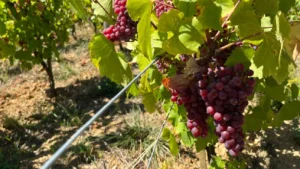
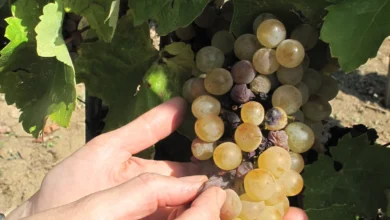
The variety is characterized by its high natural sugar content and relatively low acidity, a combination that requires precise harvesting windows to prevent the resulting wine from becoming overly "flabby" or cloying. The skins of the grapes are notably thick and take on a pinkish-copper hue when ripe, contributing to the deep golden, straw-like color often seen in the finished product.
Historical Context: The Alsace Pendulum
To understand why a French region produces the world’s most celebrated "Germanic" wine, one must look at the turbulent history of the Alsace region. Situated on the western bank of the Rhine River, Alsace has been a territorial prize for centuries, oscillating between French and German sovereignty.
Following the Franco-Prussian War in 1871, Alsace was annexed by the German Empire. It remained under German control until the end of World War I in 1918, when the Treaty of Versailles returned the territory to France. This cycle repeated during World War II, with Nazi Germany occupying the region from 1940 until its liberation by Allied forces in 1945. These shifts in governance deeply influenced the region’s agricultural identity. While France’s wine culture typically emphasizes "terroir" and regional blends, the German influence in Alsace encouraged the production of varietal-labeled wines, which is why Alsace is the only major French wine region where the grape variety—such as Gewürztraminer or Riesling—is prominently featured on the label.

This dual identity is reflected in the local dialect, Alsatian, which remains a Germanic tongue spoken by a significant portion of the population. The result is a viticultural landscape that utilizes French winemaking techniques—often producing drier, more structured wines than their German counterparts—while maintaining the aromatic and linguistic traditions of the Rhine Valley.
Viticultural Characteristics and the Alsace Microclimate
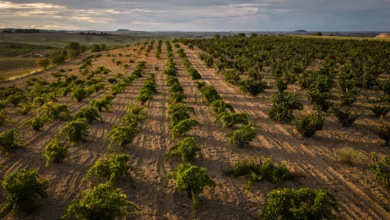
The success of Gewürztraminer in Alsace is largely due to the unique geography of the region. Alsace is shielded by the Vosges Mountains to the west, which create a "rain shadow" effect. This makes Alsace one of the driest and sunniest regions in France, despite its northern latitude.
The lack of rainfall and the extended sunlight hours allow Gewürztraminer to reach full physiological ripeness, which is essential for the development of its signature aromatic compounds. The soil diversity of the region, ranging from limestone and marl to granite and volcanic rock, allows winemakers to produce various styles. The most prestigious of these are categorized under the Alsace Grand Cru AOC, a designation established in 1975 that recognizes 51 specific vineyard sites capable of producing wines of exceptional character and aging potential.
Aromatic Profile and the Chemistry of Scent
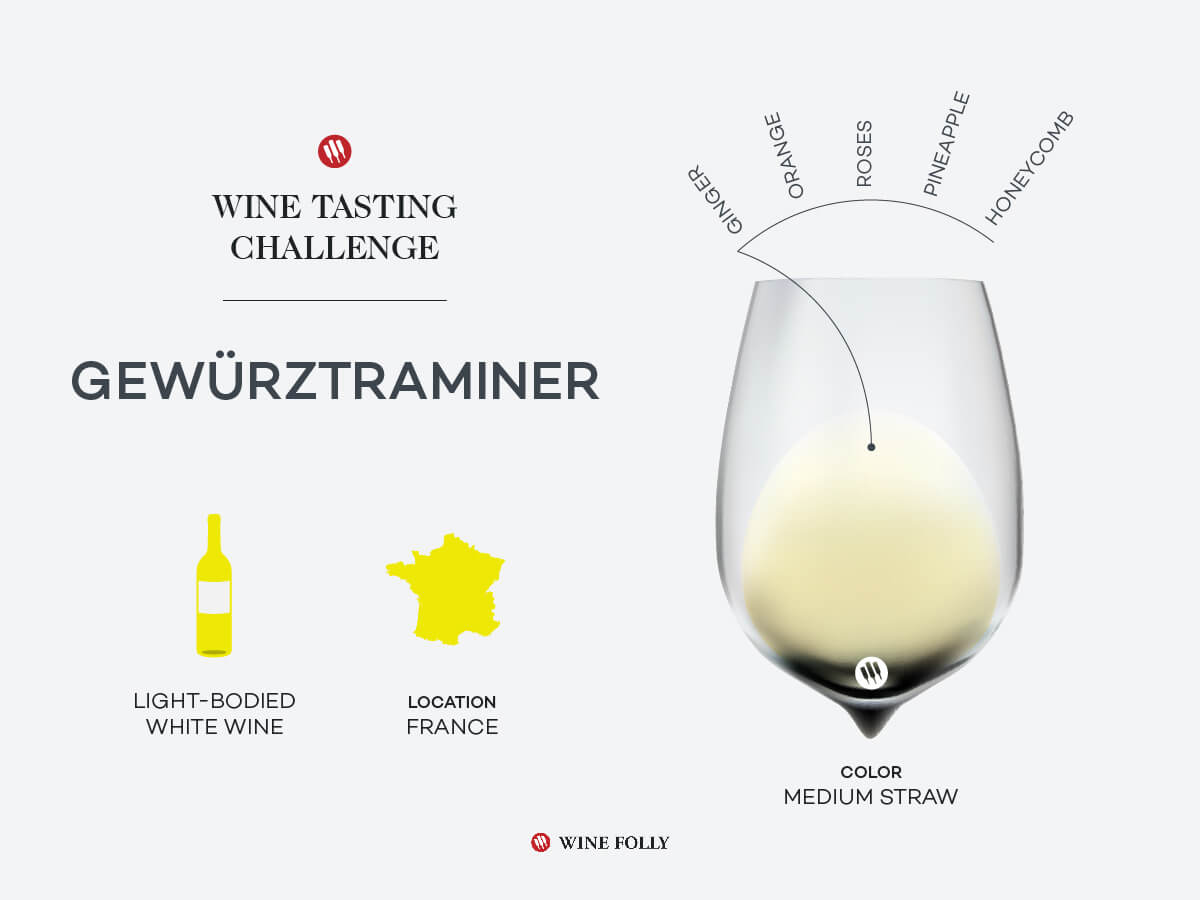
The defining characteristic of Gewürztraminer is its unmistakable aroma, often described by sommeliers as "explosive." This intensity is driven by high concentrations of terpenes, specifically geraniol and citronellol, which are also found in roses and lychees.
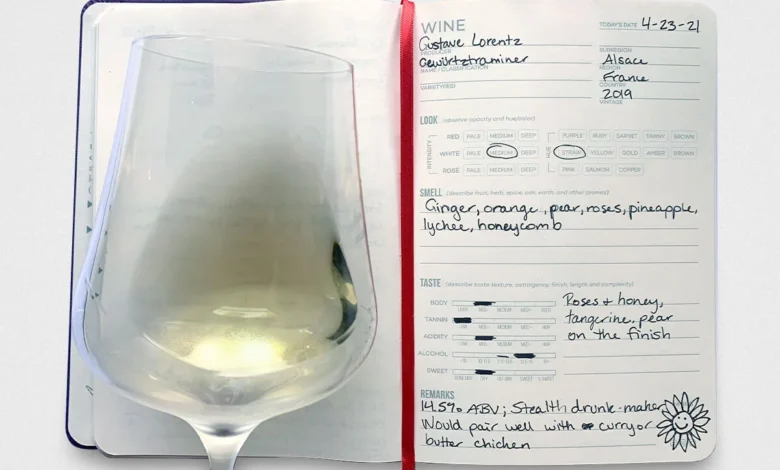
In a professional tasting of a representative bottle, such as the 2019 Gustave Lorentz Gewürztraminer Reserve, several distinct layers of complexity emerge:
- Visual Appearance: The wine typically presents a medium straw to deep gold color, often with oily "tears" or "legs" on the glass, indicating high viscosity and alcohol content.
- Olfactory Notes: The primary aromas are dominated by lychee and rose petals. Secondary notes often include ginger, honeycomb, and tropical fruits like pineapple and orange zest.
- Palate Structure: On the palate, the wine is full-bodied. The 2019 Gustave Lorentz specifically exhibits a rich texture where honeyed floral notes meet a finish of pear and tangerine. Unlike many white wines, the acidity is moderate, which emphasizes the wine’s weight and "spiciness."
Global Production and Market Data
While Alsace remains the global benchmark, Gewürztraminer has found a foothold in several other regions. According to international viticultural data, the global acreage for Gewürztraminer is relatively small compared to giants like Chardonnay or Sauvignon Blanc, making it a niche but highly valued variety.
- France (Alsace): Approximately 3,000 hectares (roughly 18-20% of the region’s total vineyard area).
- Germany (Pfalz and Rheinhessen): Around 800 to 1,000 hectares, where it is often produced in a sweeter style.
- United States (California and Oregon): Notable plantings exist in cooler climates like the Anderson Valley and the Willamette Valley.
- Italy (Alto Adige): High-altitude vineyards produce some of the crispest and most mineral-driven versions of the grape.
- Australia and New Zealand: Cooler regions like the Clare Valley and Marlborough have successfully adapted the grape, focusing on bright acidity and floral aromatics.
Culinary Implications and Pairing Science
The unique profile of Gewürztraminer makes it one of the few wines capable of standing up to the complex spice profiles of South Asian and Southeast Asian cuisines. Traditional wine pairing logic often struggles with heat and bold spices, but the aromatic intensity and residual sugar often found in Gewürztraminer act as a bridge.
Industry experts frequently recommend pairing Alsatian Gewürztraminer with dishes such as yellow Thai curry, butter chicken, or Moroccan tagines. The ginger and floral notes in the wine complement the aromatics in the food, while the slight sweetness helps to neutralize the capsaicin heat of chili peppers. Furthermore, the wine is a classic pairing for pungent cheeses, most notably Munster, a cheese native to the Alsace region.
Future Outlook and Environmental Challenges
As the global climate continues to shift, the Alsace region faces significant challenges in maintaining the balance of its Gewürztraminer production. The grape is sensitive to heat; excessive temperatures can cause acidity levels to drop too rapidly and alcohol levels to skyrocket, potentially resulting in wines that feel heavy or "hot" on the palate.
In response, many Alsatian producers are turning to organic and biodynamic farming practices to improve vine resilience. There is also an increasing trend toward producing "bone-dry" Gewürztraminer to satisfy modern consumer preferences, moving away from the off-dry styles that dominated the market in the late 20th century.
Conclusion: A Cultural Bridge in a Glass
The story of Gewürztraminer is more than just a study of a grape variety; it is a narrative of European history and the resilience of agricultural traditions. By bridging the gap between German heritage and French craftsmanship, the wines of Alsace offer a sensory experience that is both geographically specific and culturally fluid.
For participants in the Wine Tasting Challenge and general consumers alike, Gewürztraminer serves as a reminder that the world’s most interesting wines are often those that refuse to be easily categorized. Its persistent popularity, despite its difficult-to-pronounce name and specific growing requirements, ensures that this "spicy" grape will remain a cornerstone of the international wine community for decades to come. As the 2019 Gustave Lorentz Reserve demonstrates, the ability of this grape to capture the essence of a specific time and place—the "terroir" of the Rhine—remains unparalleled in the world of aromatic whites.