Robert Mondavi Winery Unveils $200 Million Transformation of Historic Oakville Estate to Mark 60th Anniversary

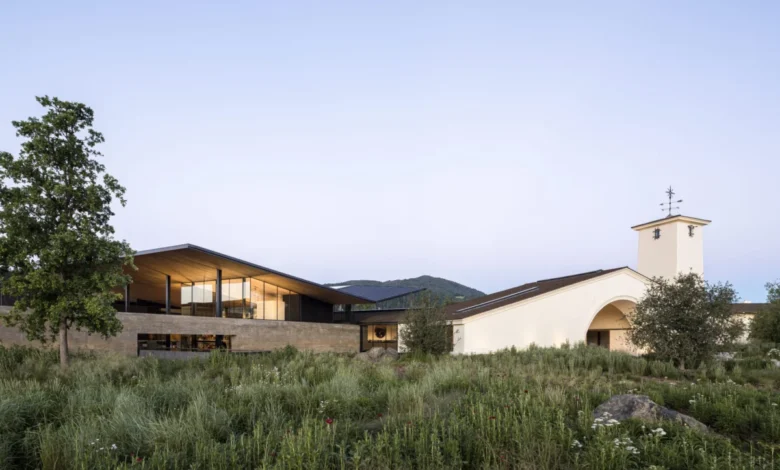
The Robert Mondavi Winery, a cornerstone of American viticulture and a primary architect of Napa Valley’s global reputation, has officially announced the reopening of its Oakville estate on April 20. This milestone marks the completion of a multi-year, comprehensive renovation project representing an investment exceeding $200 million by parent company Constellation Brands. The project, which has been under construction for three years, represents the most significant overhaul of the property since its founding and serves as a strategic pivot toward a more elevated, hospitality-focused future. The unveiling of the reimagined estate is timed to coincide with the winery’s 60th anniversary, signaling a new chapter for a brand that has defined the California wine industry since 1966.
A Vision Reimagined: The Scope of the Renovation
The $200 million transformation of the Robert Mondavi Winery is not merely a cosmetic update but a fundamental reimagining of how the estate interacts with its environment and its visitors. Constellation Brands, which acquired the winery in 2004, has focused on a "fully modernized" approach that seeks to balance the preservation of the estate’s historic identity with cutting-edge architectural and winemaking advancements.

Key structural changes include the addition of a massive new wing dedicated specifically to hospitality and guest engagement. The estate now features an expanded array of indoor-outdoor tasting experiences, designed to provide panoramic views of the surrounding vineyards and the Mayacamas Mountains. These enhancements are supported by a new culinary building intended to host a sophisticated gastronomy program, rooting the visitor experience in the agricultural bounty of the region.
The renovation was led by a team of world-renowned design firms. Aidlin Darling Design handled the architectural overhaul, while Surfacedesign managed the landscape architecture. Interior aesthetics were curated by the San Francisco-based firm BAMO. Together, these teams were tasked with creating a "contemporary architectural language" that maintains the spirit of the original site while deepening the connection between the guests and the land.
Historical Context: From 1966 to the Modern Era
To understand the weight of this $200 million investment, one must look at the history of the site. When Robert Mondavi founded the winery in 1966, it was the first major winery built in Napa Valley since the repeal of Prohibition. Mondavi’s vision was revolutionary; he believed that California could produce wines that rivaled the finest growths of Europe. He commissioned architect Cliff May to design a winery that reflected this ambition, resulting in the iconic Mission-style arch and bell tower that became synonymous with Napa Valley luxury.

For decades, the winery served as the educational heart of the valley, welcoming tourists and connoisseurs alike. However, as the Napa landscape became increasingly competitive and luxury-oriented, the need for a modern facility that could accommodate high-end hospitality became apparent. The current renovation honors Cliff May’s original vision while addressing the demands of the 21st-century wine traveler. By retaining the emblematic arch and tower, the design team has ensured that the "soul" of the property remains intact, even as the surrounding structures undergo a radical transformation.
Architectural Harmony and Landscape Integration
The new design philosophy centers on the concept of opening the estate outward. David Darling, co-founder of Aidlin Darling Design, noted that the partnership between Robert Mondavi and Clifford May was a meeting of pioneering minds that produced a mid-century landmark. The new work aims to carry that spirit forward. A central feature of the redesign is a new inverted gable canopy that anchors a series of gathering areas, terraces, and tasting spaces.
The landscape architecture, overseen by Roderick Wyllie of Surfacedesign, is intended to be an educational journey in itself. The new plantings and pathways are designed to reflect the geological forces—tectonic shifts, volcanic activity, and sedimentary deposits—that created the unique terroir of the Oakville bench. A prominent water feature runs through the south wing of the property, serving both as a cooling aesthetic element and a symbolic nod to the winery’s commitment to sustainable water stewardship.

Inside, the furnishings by BAMO draw on a palette inspired by the Mayacamas Mountains. In a tribute to the winery’s heritage, the interiors include hand-painted tiles by Margrit Mondavi, the late wife of Robert Mondavi and a legendary figure in her own right who helped integrate art and culture into the winery’s mission. Furthermore, materials salvaged from earlier parts of the property were repurposed throughout the new construction, reinforcing a sense of continuity between the past and the present.
State-of-the-Art Winemaking: The To Kalon Cellar
While the hospitality enhancements are the most visible aspect of the renovation, the technical upgrades to the winemaking facilities are equally significant. The centerpiece of these upgrades is the new To Kalon Cellar. Named after the world-famous To Kalon Vineyard, which is now certified organic by California Certified Organic Farmers (CCOF), the cellar has been outfitted with the latest in vinification technology.
The new facility features optical sorting systems, which use high-speed cameras to ensure only the highest quality berries proceed to fermentation. Gravity-flow systems have been implemented to handle fruit and wine as gently as possible, minimizing shear stress and preserving delicate aromatics. Additionally, the cellar includes highly precise, temperature-controlled fermentation and barrel spaces that allow the winemaking team to conduct smaller, lot-by-lot vinification.

Head winemaker Kurtis Ogasawara emphasized that these enhancements allow for a more nuanced and site-driven approach. "The reopening reflects the evolution happening behind the cellar doors," Ogasawara stated. "While our approach is grounded in decades of tradition, we continue to refine how we farm and vinify—bringing greater precision to each decision. This allows us to highlight the distinct character of the vineyards we work with."
The Guest Experience: Education and Commemoration
The reimagined estate offers a host of new curated experiences for visitors. These include guided cellar tours that showcase the new technology, vertical tastings of legacy vintages, and walking tours of the To Kalon Vineyard. Three new dedicated tasting spaces have been established, including an intimate venue within the converted bell tower, now known as the Tower Library. In this space, guests can sample the full portfolio of wines under the Constellation Brands luxury umbrella, including Robert Mondavi Winery, To Kalon Vineyard Company, Schrader Cellars, and Double Diamond.
To mark the grand reopening and the 60th anniversary of the winery, a limited-edition wine has been produced: the 2023 Commemorative Edition Napa Valley Cabernet Sauvignon. Priced at $125 (£120 in the UK), the wine is sourced from exceptional blocks within the To Kalon and Wappo Hill Vineyards. It is intended to serve as a liquid representation of the estate’s current quality and future potential.

Strategic Implications and Market Analysis
The $200 million expenditure by Constellation Brands is a clear indicator of the "premiumization" trend currently sweeping the global wine industry. As mass-market wine sales face headwinds, the ultra-premium and luxury segments—defined by bottles priced over $100—continue to show resilience and growth. By investing heavily in the Robert Mondavi estate, Constellation is positioning the brand to compete at the highest levels of the luxury market, moving away from its historical association with more accessible price points.
Furthermore, the renovation addresses the evolving nature of Napa Valley tourism. Modern wine tourists are increasingly seeking "experiential" visits that combine education, gastronomy, and high-end design. The shift from simple tasting bars to immersive, indoor-outdoor hospitality spaces is a direct response to this demand. Industry analysts suggest that such investments are necessary for legacy brands to remain relevant to younger, affluent demographics who value authenticity and sustainability.
Peggy Hemphill, brand marketing director for Robert Mondavi Winery, summarized the project’s intent: "This transformation reflects a renewal of Robert Mondavi’s original vision. As we reopen, we’re proud to carry that legacy forward—welcoming guests to experience Napa Valley in a more thoughtful, elevated way while setting the stage for the winery’s next era."

Conclusion: A Landmark Restored
The reopening of the Robert Mondavi Winery estate on April 20 is more than just a corporate milestone; it is a significant event for the Napa Valley community and the wine world at large. By successfully blending the mid-century architectural heritage of Cliff May with the contemporary needs of a global luxury brand, the renovation ensures that the winery remains a focal point of American wine culture.
As the doors swing open to reveal the fruits of this three-year endeavor, the industry will be watching closely. The project stands as a testament to the enduring power of Robert Mondavi’s name and the significant capital required to maintain a leadership position in the modern wine landscape. With its organic-certified vineyards, state-of-the-art cellar, and world-class hospitality facilities, the Robert Mondavi Winery is well-equipped to navigate the challenges of the next sixty years, continuing the legacy of the man who first taught the world that California wine belongs on the world stage.