The Art and Science of the Equal Parts Cocktail: A Masterclass in Equilibrium

If you have ever stood behind a bar, shaken a tin, or stirred a mixing glass, you are likely familiar with the fundamental geometries of mixology. There is the Golden Ratio of the sour family, such as the classic Margarita—two parts spirit, one part sweet, one part sour. Then there are the long-drink highballs, like the Moscow Mule, which typically rely on a ratio of two parts spirit to five parts mixer. Yet, sitting quietly at the center of the cocktail pantheon is a category that defies these complex balancing acts: the equal parts cocktail. From the storied Negroni to the herbaceous complexity of the Last Word, these drinks operate on a philosophy of precise, democratic measurements. Whether it is a 1:1, 1:1:1, or 1:1:1:1 ratio, the equal parts cocktail is a testament to the idea that simplicity, when executed with high-quality ingredients, is the ultimate sophistication.
The Evolution of the Equal Parts Philosophy
The history of the cocktail is often defined by the "base, modifier, and accent" structure. However, the equal parts model—where no single ingredient dominates the flavor profile—emerged as a rebellious counter-narrative in the early 20th century. While the exact origins of many of these drinks are shrouded in the haze of prohibition-era legend, their survival is no accident.
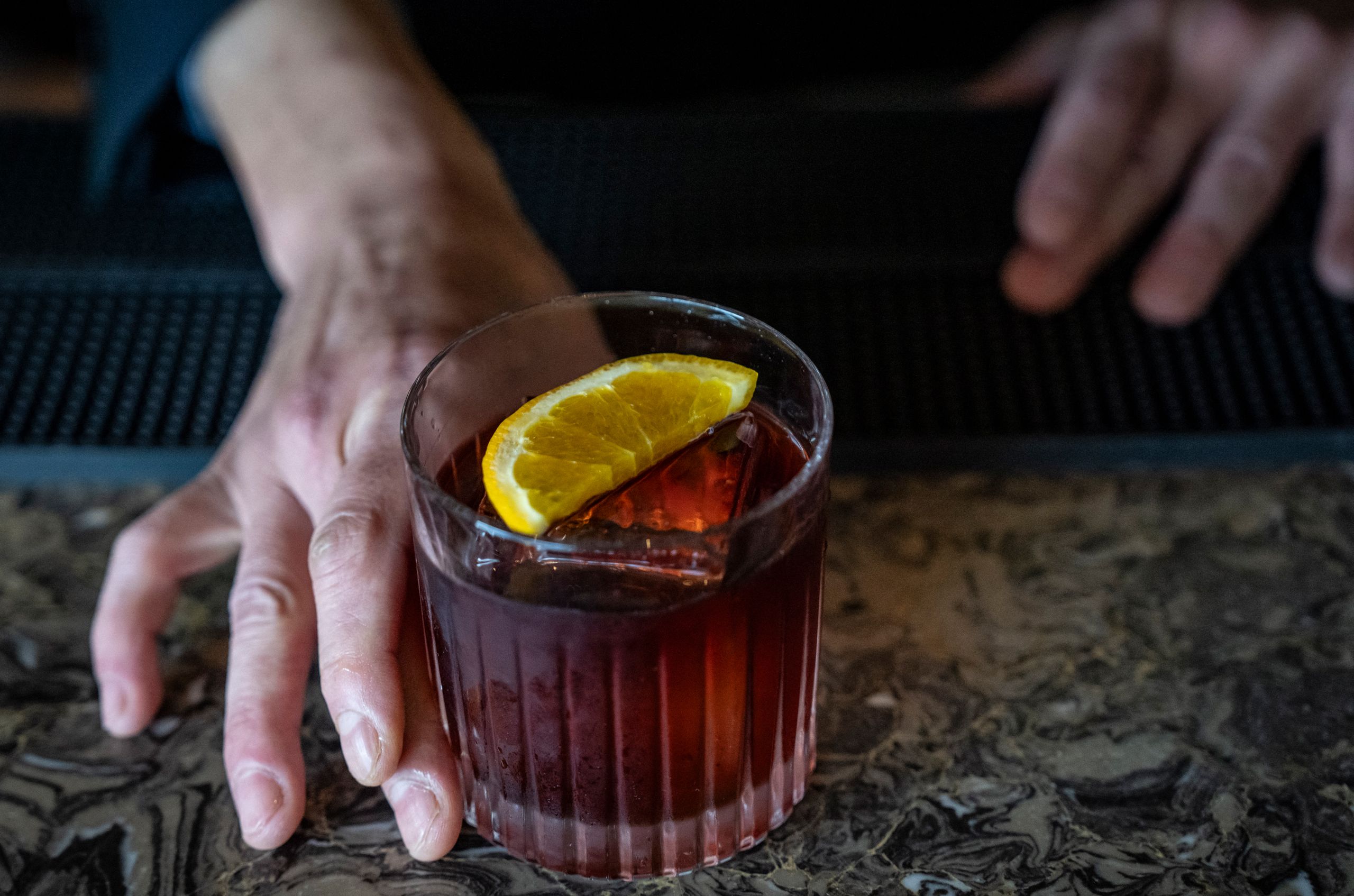
Erik Lorincz, co-owner of the renowned Kwãnt Mayfair in London, suggests that the magic of these drinks lies in the alchemy of supporting ingredients. "When I first encountered the Negroni, I was skeptical," Lorincz admits. "It sounded like an overwhelming amount of high-proof liquid. But upon tasting it, I discovered that the interplay between the gin, sweet vermouth, and Campari creates a third, entirely new flavor profile. It is the definition of a drink being greater than the sum of its parts."
This phenomenon is corroborated by data from the hospitality sector. Consumer trends over the last decade have shifted toward "low-ABV" and "balanced-flavor" profiles. Equal parts cocktails, which often hover between 20% and 25% ABV depending on the proof of the components, fit perfectly into this modern drinking landscape.
Anatomy of Equilibrium: Why They Work
The technical challenge of an equal parts cocktail is significant. In a traditional sour, a bartender can adjust the citrus or simple syrup to mask a harsh spirit. In an equal parts drink, the ingredients must be selected with extreme precision because there is nowhere for a poor-quality component to hide.
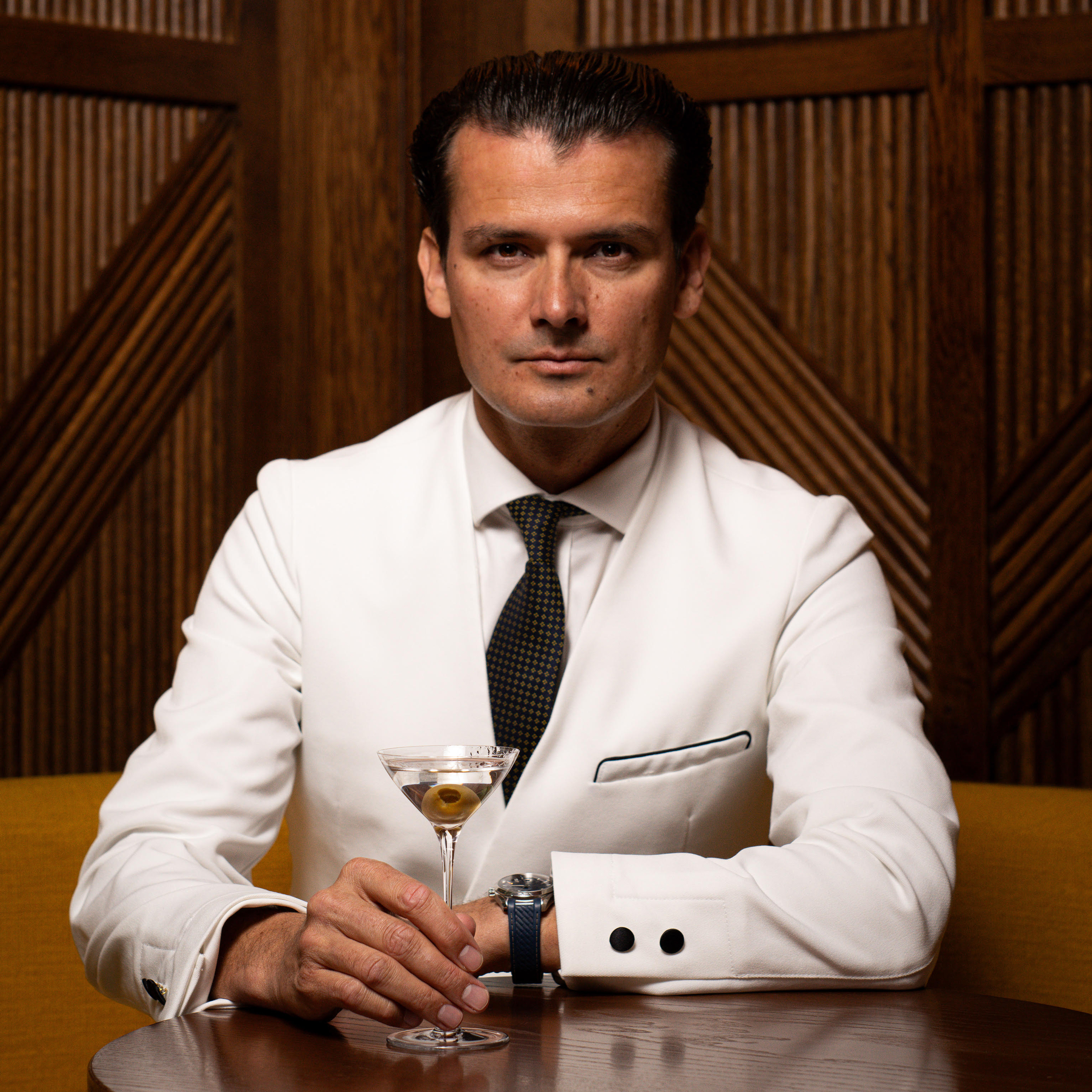
Carina Soto, bar director at London’s Equal Parts bar in Hackney, emphasizes that the appeal lies in the democratic distribution of flavor. "Most cocktails are anchored by a base spirit, with other ingredients serving as support," Soto explains. "In an equal parts cocktail, the drink is a layered architecture. It isn’t about one specific ingredient; it is about the intersection of all four layers."
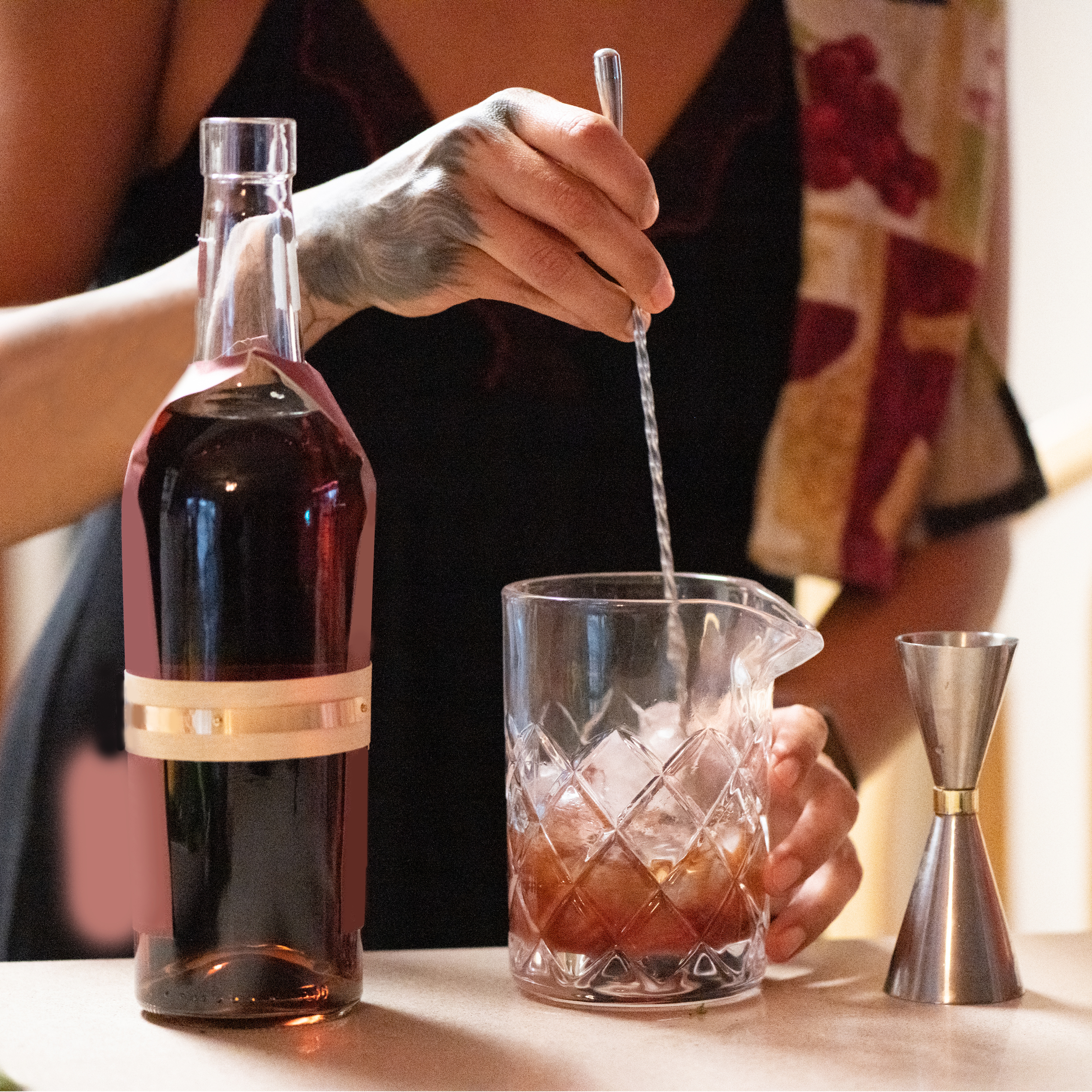
From a chemical perspective, the dilution factor is critical. Because these drinks are often stirred or shaken to a specific, uniform temperature, the water introduced via the ice acts as a solvent that brings the disparate chemical compounds of the spirits and modifiers into a single, cohesive emulsion. If a bartender fails to account for the dilution rate, the entire structure collapses, turning a harmonious drink into a disjointed one.
The Practicality of the Equal Parts Template
Beyond the aesthetic and flavor profile, the equal parts cocktail offers a logistical advantage that has cemented its popularity in both home and commercial bars. Marc Sarton du Jonchay, co-founder of Circle13, argues that these drinks are the "prime templates" of mixology because of their mnemonic simplicity.
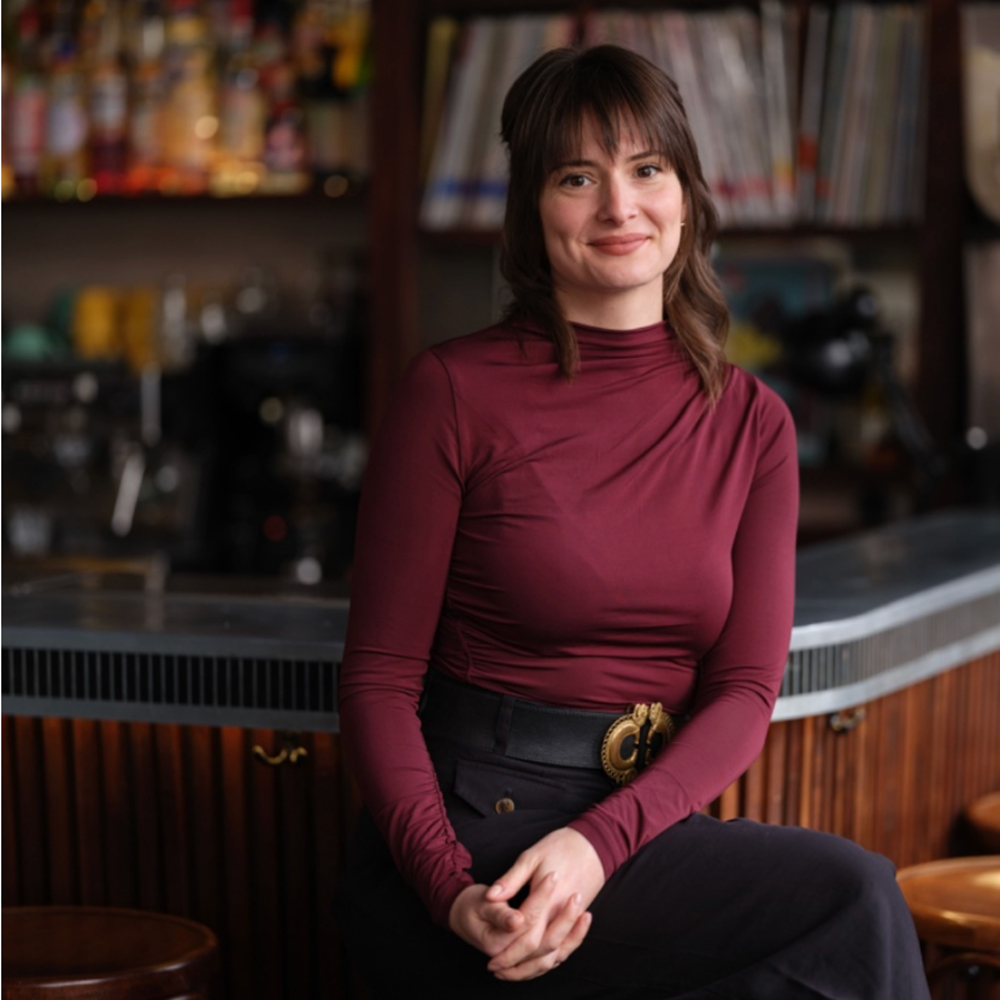
"People remember the drinks they cannot mess up," says Sarton du Jonchay. "If you are hosting a dinner party and you need to make a drink for ten people, the ease of remembering one part of everything is invaluable. You do not need a complicated jigger system or a deep understanding of mixology theory to replicate a successful result."
This reliability has led to a resurgence in the popularity of classics like the Paper Plane and the Last Word, both of which utilize the 1:1:1:1 ratio. The Paper Plane, for instance, requires equal parts bourbon, Aperol, Amaro Nonino, and fresh lemon juice. The result is a vibrant, orange-hued cocktail that balances the deep oak notes of bourbon with the bright acidity of citrus and the bitterness of the amaro.
Navigating the Rules of Success
While the template is simple, the rules for creating a new equal parts masterpiece are rigorous. Industry experts highlight three key pillars for success:
- The ABV Balance: As Soto notes, the total alcohol content must be considered. When combining multiple high-proof spirits, the dilution must be sufficient to open up the botanical or cereal notes, or the drink will feel "hot" and unpalatable.
- Flavor Profile Matching: Lorincz notes that dark spirits, such as Mezcal and Cognac, can create a powerful synergy when paired in equal measures. "I once worked on a serve that utilized the smoke of the mezcal to support the deep, fruity notes of the cognac. Because both were high-proof, they didn’t dilute into nothingness; they held their own."
- Acid Management: Sarton du Jonchay observes that "sour" style equal parts drinks require an acid component that is aggressive enough to stand up to the equal measure of heavy spirits. If the acid is too weak, the drink becomes cloying.
The Ongoing Debate: Is the Negroni Perfect?
Perhaps the most famous equal parts cocktail is the Negroni. Yet, it serves as the center of a long-standing debate within the bartending community. Is the 1:1:1 ratio truly the gold standard, or is it a historical artifact that modern palates have outgrown?
Many high-end establishments now "tweak" the classic Negroni recipe, often slightly reducing the Campari or increasing the ratio of the vermouth to suit a more contemporary, nuanced palate. This highlights a broader implication for the home bartender: the "recipe" is merely a starting point.
"Technically, the Negroni is a member of the Martini family," Sarton du Jonchay explains. "It is an aromatized wine and spirit cocktail. In that family, there are no rigid rules about ratios. If you prefer a drier drink, you shift the balance. The ‘equal parts’ label is a guide, not a prison."
Experimentation and The Path Forward
For those looking to craft their own signatures at home, the professionals offer a unified piece of advice: start by modifying existing templates rather than inventing from scratch.
"Identify what you like about a drink," says Soto. "If you enjoy the structure of a Last Word, try swapping the lime for grapefruit, or the maraschino for a different fruit-based liqueur. Play slowly. And always, always consider the ice."
The pursuit of a perfect equal parts drink is, for many professionals, a lifelong endeavor. It is a pursuit that honors the history of the craft while acknowledging that our understanding of flavor is constantly evolving. Whether you are shaking a "Final Ward" with its precise mix of rye, Green Chartreuse, maraschino, and lemon, or stirring a "Norman Conquest" with its blend of Calvados and bourbon, you are participating in a tradition that prizes elegance and balance above all else.
As the industry moves toward more sustainable and ingredient-focused practices, the equal parts cocktail remains a beacon of efficiency. It reduces waste, minimizes complexity, and maximizes the inherent qualities of the bottles on your shelf. In a world of over-complicated mixology, the equal parts movement serves as a reminder that sometimes, the most complex result comes from the simplest of beginnings.
Summary of Essential Recipes for the Home Bartender
For those looking to begin their journey into the world of balanced measures, these four recipes represent the pillars of the craft.
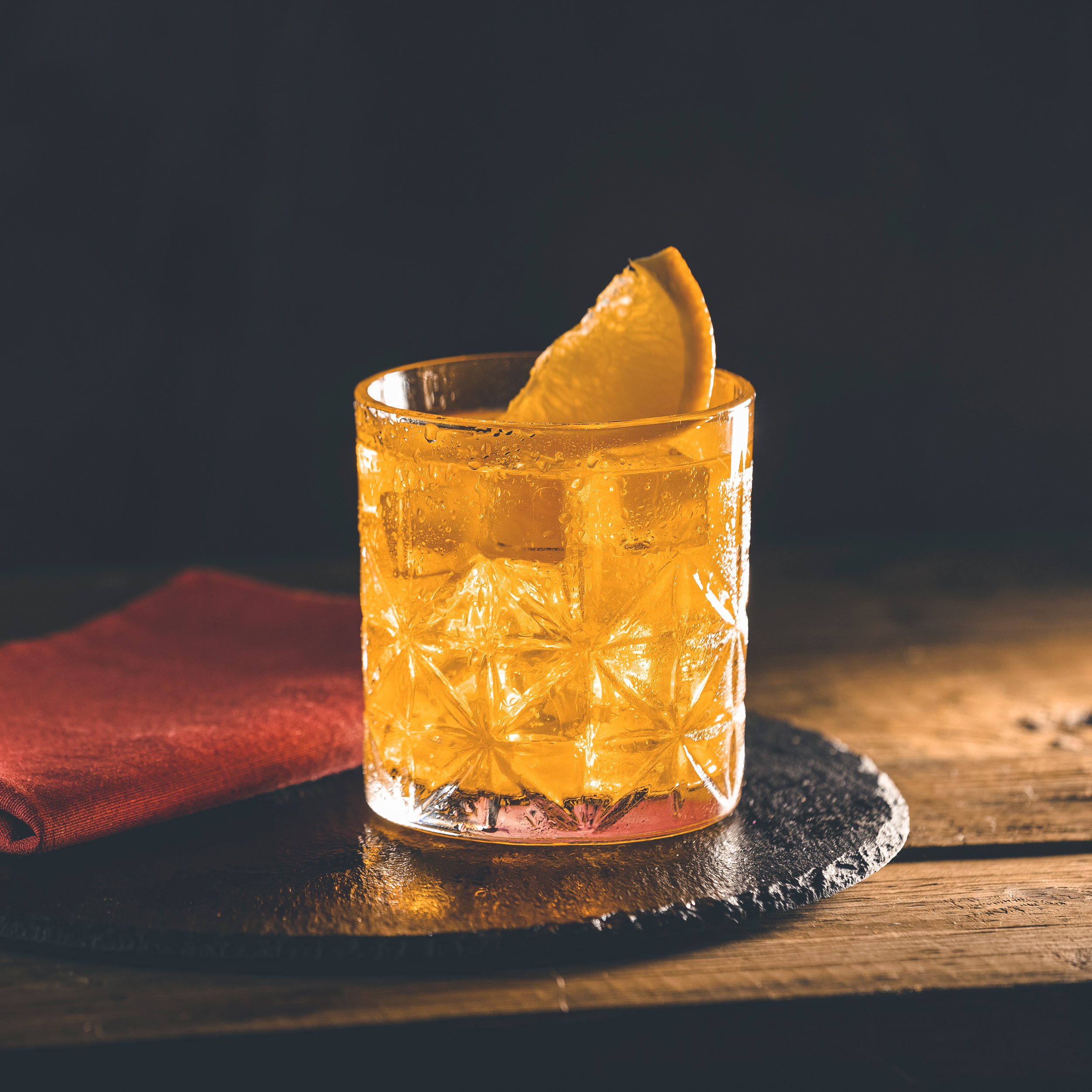
- The Norman Conquest (Created by Erik Lorincz): A sophisticated study in orchard and grain. Combine 25ml Calvados, 25ml bourbon or Scotch, and 25ml sweet vermouth. Stir with ice and strain into a rocks glass. Garnish with an orange slice.
- The Naked and Famous (Created by Joaquín Simó): A modern classic that showcases the power of agave. Combine 25ml mezcal, 25ml Yellow Chartreuse, 25ml Aperol, and 25ml fresh lime juice. Shake vigorously with ice and double-strain into a chilled coupe.
- The Equal Parts Martini: The baseline for all spirit-forward cocktails. Combine 50ml dry gin or vodka with 50ml of your favorite dry vermouth. Stir well with high-quality ice and strain into a chilled martini glass. Garnish with a lemon twist or an olive.
- The Final Ward: A complex, herbaceous variation on the Last Word. Combine 25ml rye whiskey, 25ml Green Chartreuse, 25ml maraschino liqueur, and 25ml fresh lemon juice. Shake with ice and strain into a coupe. The rye provides a spicy backbone that elevates the herbal notes of the Chartreuse.
By mastering these foundational recipes, the home bartender gains more than just a repertoire of drinks; they gain a vocabulary of flavor. The equal parts cocktail is not just a style of mixing; it is a philosophy that encourages the drinker to slow down, taste the layers, and appreciate the precise, mathematical beauty of a well-made drink.