The Evolution of Precision Viticulture: How Argentina’s Uco Valley Redefined Terroir Through Parcel-Level Winemaking

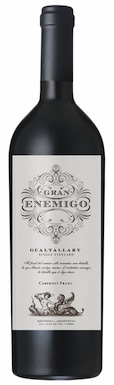
The landscape of Argentine viticulture has undergone a radical transformation over the past two decades, shifting from a model defined by broad regional designations to one obsessed with the microscopic differences within individual vineyard plots. At the heart of this evolution is the Uco Valley, a high-altitude region in Mendoza that has become the global laboratory for precision viticulture. Oenologists like Alejandro Vigil of Catena Zapata and El Enemigo have championed a movement where the focus is no longer just on the grape variety or the estate, but on the specific geological composition of parcels sitting mere meters apart.
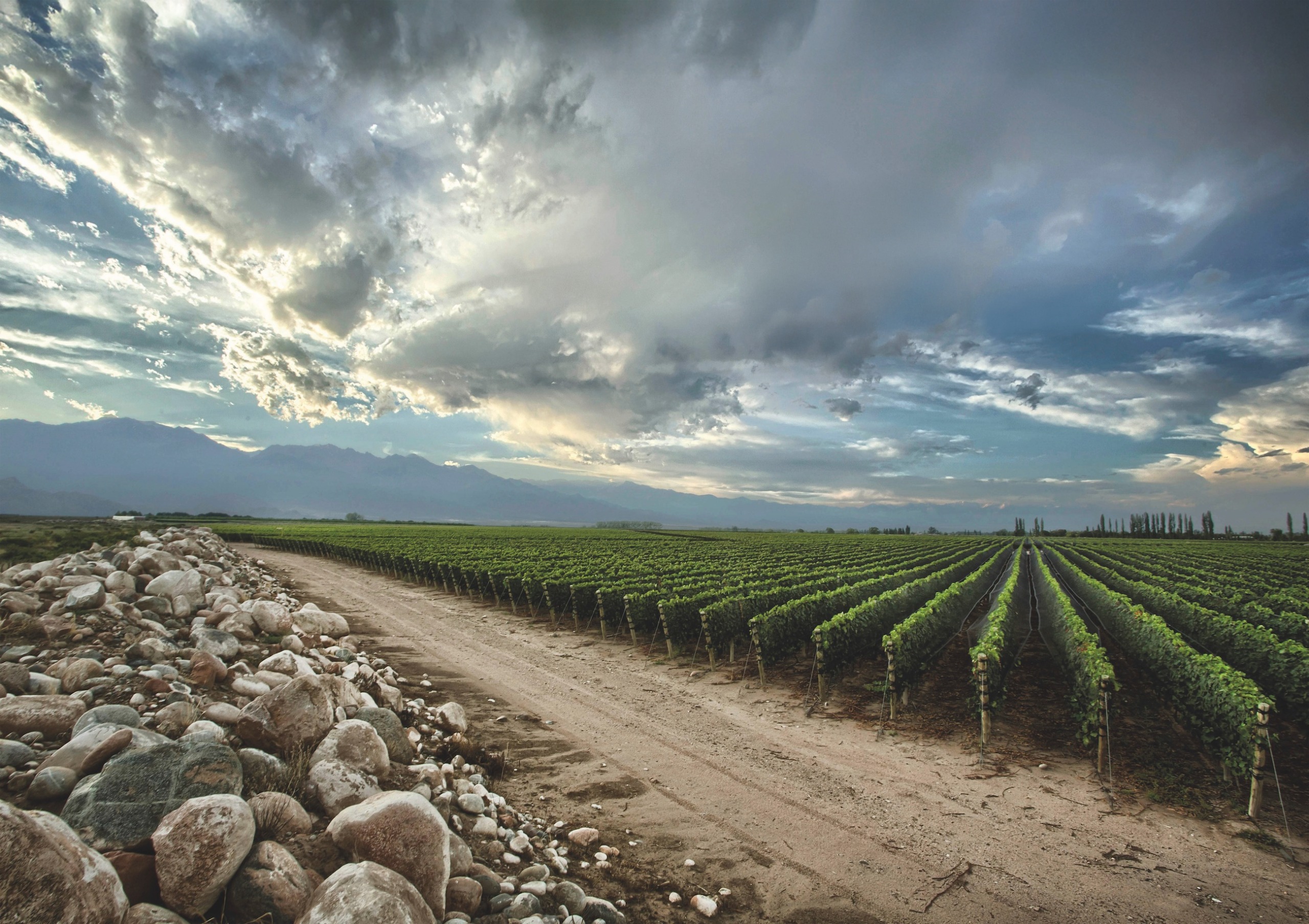
This shift marks a departure from traditional mass-market production, favoring a granular understanding of soil profiles, altitude, and microclimates. By segregating parcels in zones like Gualtallary, Paraje Altamira, and Los Chacayes, producers are now bottling wines that serve as distinct maps of the Andean foothills, fundamentally altering the international perception of South American fine wine.
A Chronology of Discovery: From Regionality to Micro-Terroir
The journey toward precision viticulture in the Uco Valley did not happen overnight. In the late 1990s and early 2000s, the focus in Mendoza was primarily on identifying the potential of the Uco Valley as a whole, moving away from the lower-altitude vineyards of the traditional Mendoza plains.
By 2005, a "Gold Rush" of investment began as winemakers realized that the dramatic diurnal temperature swings—often exceeding 15°C between day and night—offered a unique environment for phenolic ripeness. However, it was not until around 2010 that the current philosophy of "parcelization" took hold. Winemakers began mapping their estates not by acreage, but by soil morphology.
The following timeline highlights the key phases of this development:
- 2000–2005: The establishment of foundational high-altitude vineyards; initial exploration of Gualtallary’s potential for cool-climate Chardonnay and Cabernet Franc.
- 2006–2012: Adoption of soil pits and geological surveying. Producers began identifying limestone-rich sectors versus sandy or clay-heavy patches within the same estate.
- 2013–2018: The era of "minimal intervention." Winemakers reduced the use of new oak, moving toward concrete vats and native yeast fermentations to allow the specific parcel character to emerge without masking.
- 2019–Present: Institutionalization of sub-regional classifications. The focus has turned to the technical communication of "place," with producers releasing single-parcel bottlings that carry the unique signature of specific stones, slope orientations, and mineral deposits.
The Science of the Soil: Why Location Matters
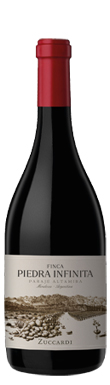
The Uco Valley’s geological complexity is the engine driving this revolution. In Paraje Altamira, for example, the presence of alluvial fans—deposits left by ancient riverbeds—creates a mosaic of calcium carbonate (limestone) deposits. When vines are planted in these high-calcium soils, the resulting wines often exhibit a distinctive, chalky texture and a refined acidity that is markedly different from wines grown in the deeper, more fertile alluvial soils just a few hundred meters away.
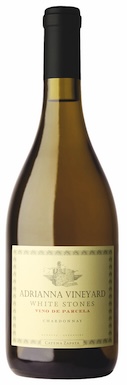
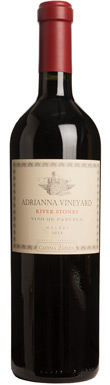
Alejandro Vigil’s work with Catena Zapata’s Adrianna Vineyard is the benchmark for this study. The "White Stones" and "River Stones" bottlings represent a deliberate attempt to capture the chemical reality of the soil. River Stones, sourced from an ancient riverbed with heavy rounded rocks, produces a Malbec with an intense, mineral-driven structure, while the limestone-heavy sections of the same estate yield Chardonnay with a crystalline, tension-filled profile.
Comparative Data: The Shift in Production Techniques
The shift toward precision viticulture has necessitated a change in cellar practices. Data from the 2021–2024 vintages across the Uco Valley indicates a clear trend toward non-invasive winemaking.
| Region | Primary Soil Type | Preferred Vessel | Aging Strategy |
|---|---|---|---|
| Gualtallary | Calcareous/Limestone | Concrete/Used Oak | 12–16 months |
| Paraje Altamira | Alluvial/Stony | Concrete/Whole Bunch | 12–15 months |
| Los Chacayes | Sandy/Rocky | Concrete/Neutral Oak | 12–18 months |
As the data suggests, there is a clear preference for concrete vessels, which provide the thermal stability needed for fermentation without imparting the flavors associated with new oak barrels. This allows the fruit profile to remain transparent, showcasing the terroir-specific markers of the Uco Valley.
Industry Perspectives: The Philosophy of Transparency
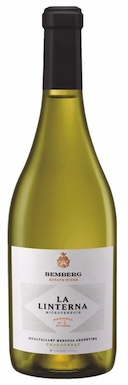
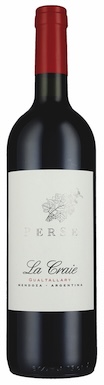
The move toward micro-terroir is not merely a marketing strategy; it is a fundamental shift in the winemaker’s role from "creator" to "translator." Producers such as Zuccardi, Bemberg, and PerSe have emphasized that their goal is to remove as many technical hurdles as possible.
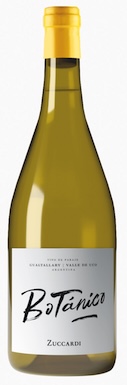
"We are looking for a transparent reading of place," notes the production team at Zuccardi, whose Botánico Chardonnay has become a touchstone for this minimalist approach. By utilizing native yeasts and avoiding malolactic fermentation in many of these high-altitude whites, they ensure that the "mountain character"—the tension and the floral notes of the region—remains the focal point of the tasting experience.
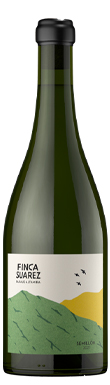
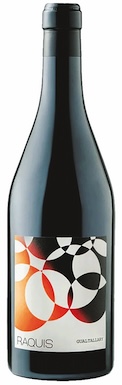
This philosophy is echoed by newer, smaller-scale producers like Finca Suarez and Raquis. Andrés Vignoni, the mind behind Raquis, has been noted for his focus on texture over power. By using whole-bunch fermentation and minimizing extraction, he creates wines that lean into the savory, herbal, and stony qualities of Los Chacayes, proving that the Uco Valley is capable of elegance that competes with the world’s most prestigious cool-climate regions.
Broader Economic and Global Implications
The global implications of this development are significant. Historically, Argentine wine was pigeonholed as a source of high-volume, inexpensive Malbec. The success of the Uco Valley’s parcel-level movement has effectively broken this stereotype, positioning Argentina as a serious contender in the luxury fine wine market.

- Market Repositioning: By labeling wines by specific parcels or micro-regions, producers are commanding higher price points, shifting the country’s export value upward.
- Viticultural Tourism: The rise of specific, recognizable vineyards has transformed Mendoza into a global epicenter for wine tourism. Visitors are no longer just looking for a "winery visit" but are seeking out the specific geological sites they have read about in trade journals.
- Climate Resilience: The emphasis on altitude and specific soil types has also provided a hedge against climate change. By planting in higher, cooler, and more mineral-rich zones, producers are maintaining the acidity and freshness required for world-class wines even as global temperatures rise.
The Future of the Uco Valley
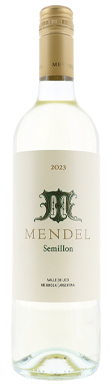
As the industry looks forward, the challenge for the Uco Valley will be to maintain this momentum without over-complicating the narrative for the consumer. The sheer number of sub-regions and "parcel" designations can be daunting for the average buyer. However, the consistent quality of the 2021–2024 vintages—showcased in high-scoring wines from producers like PerSe, Mendel, and Matias Riccitelli—suggests that the industry is hitting its stride.
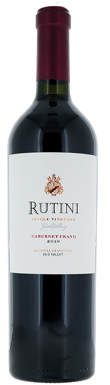
The current landscape of Argentine wine is one of intense focus and intellectual curiosity. Whether it is the thyme-scented Chardonnay from Bemberg’s Finca El Tomillo or the refined, graphite-edged Cabernet Franc from Rutini, the message from the Uco Valley is consistent: the greatness of the region lies in the details. By respecting the nuances of the soil and the specificities of the climate, the winemakers of Mendoza have successfully elevated their craft, turning a vast, rugged wilderness into one of the most precisely mapped and celebrated viticultural regions on the planet.
This transformation is not just a trend; it is a mature evolution of a wine-producing nation that has learned to listen to its land. As these wines enter the global market, they offer a testament to the fact that when winemakers stop trying to impose their will on the vine and start listening to the geology beneath their feet, the result is nothing short of exceptional.