The Evolution of a Culinary Classic: How Pan-Seared Steak with Soy Sauce Became a Staple of Chinese American Home Cooking

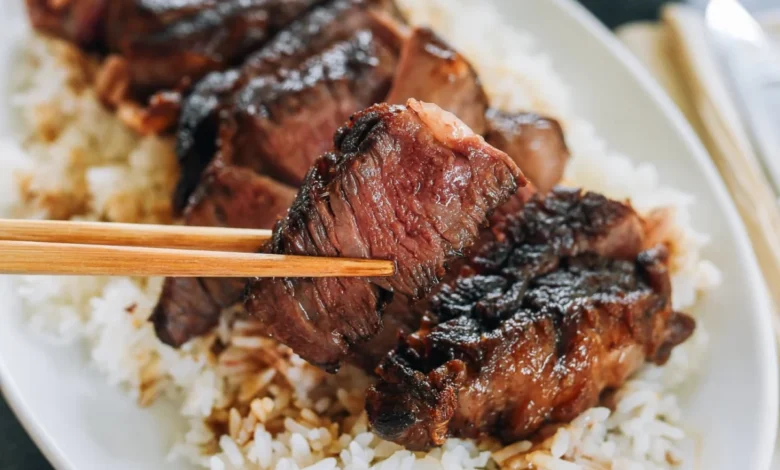
The intersection of culinary traditions often gives rise to unheralded masterpieces, dishes born not out of high-end restaurant kitchens or formal recipe development, but from the practical daily adaptations of immigrant families. Among these is a seemingly minimalist dish: a pan-seared steak, sliced thin, and finished with a simple drizzle of Chinese light soy sauce served over steamed white rice. While never traditionally documented in classic cookbooks or elevated on Western steakhouse menus, this preparation has quietly served as a fundamental comfort food across generations of Chinese American households.
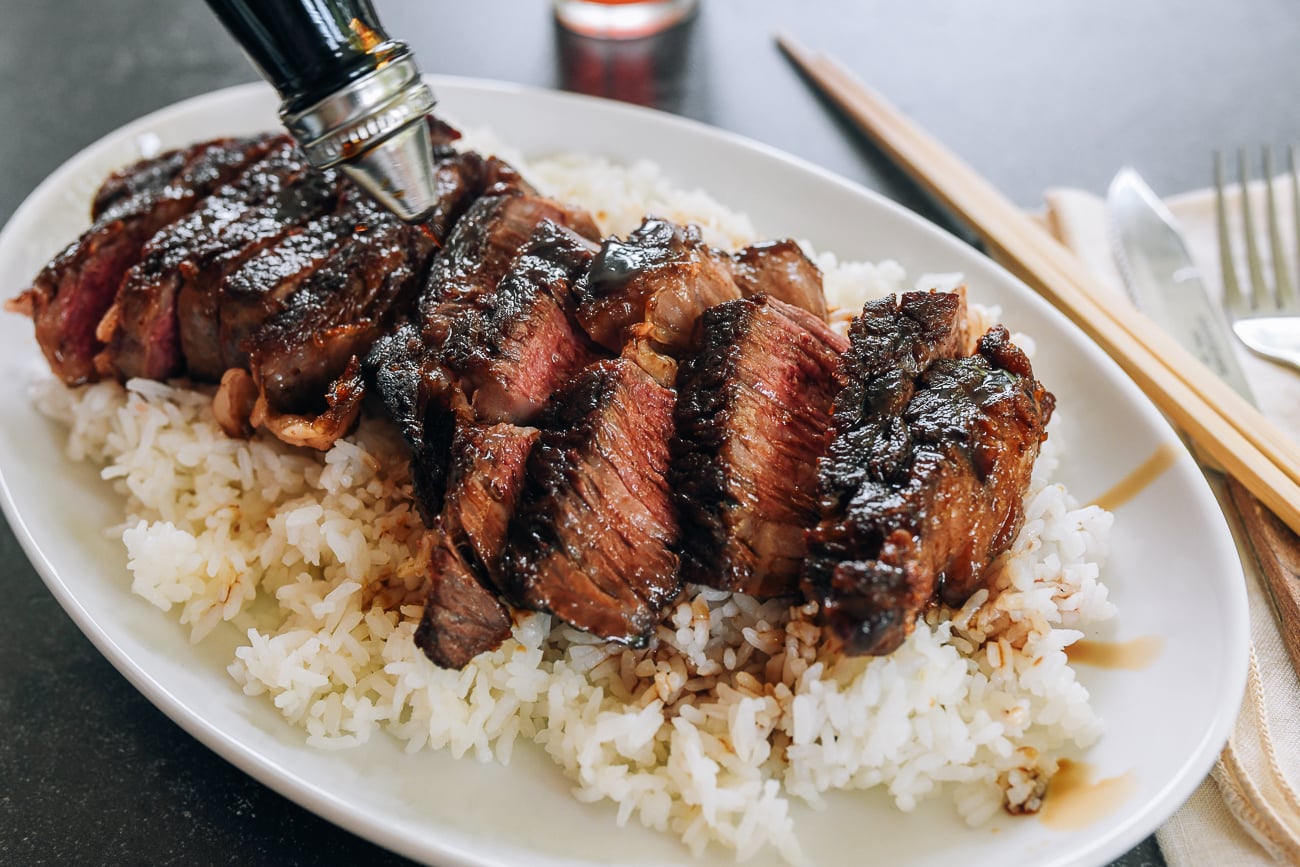
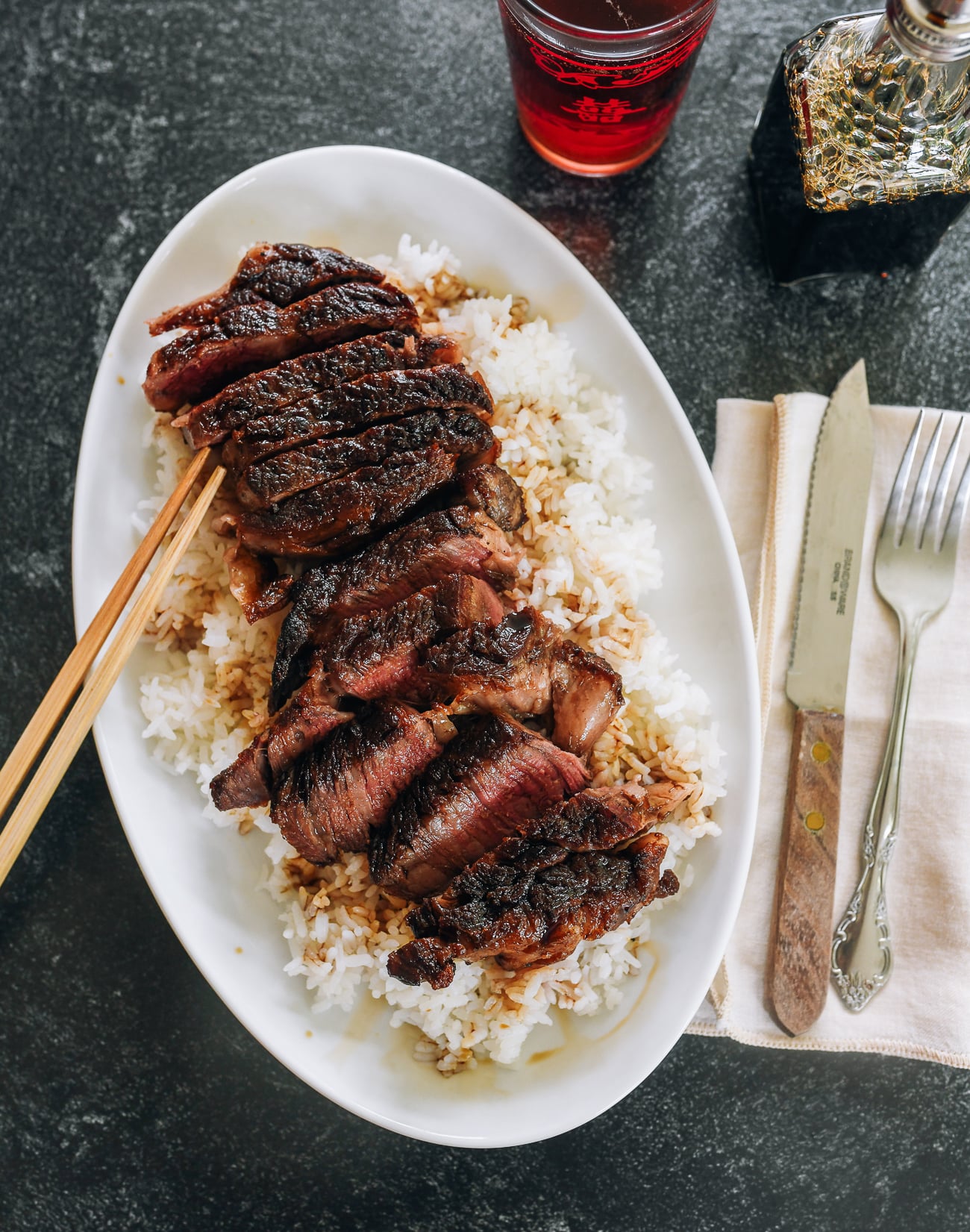
The preparation defies conventional Western steak paradigms. Unlike Argentine preparations featuring herbaceous chimichurri, French steak au poivre enveloped in a heavy cream and peppercorn reduction, or traditional American steakhouse presentations accompanied by heavy heaps of mashed potatoes and creamed spinach, this household method strips the protein down to its bare elements. It relies entirely on the dynamic synergy of two fundamental umami heavyweights: high-grade beef and Chinese light soy sauce.
Historical Context and Cultural Adaptation
To understand the origins of this dish, one must examine the historical role of beef in traditional Chinese cuisine. For centuries, large cuts of meat, particularly beef, were neither common nor economically viable for the average household in China. Cattle were primarily valued as vital agricultural draft animals rather than livestock for daily slaughter. Furthermore, the culinary philosophy of historical Chinese domestic life favored communal dining models where protein was sliced into manageable, bite-sized pieces, extended with copious amounts of seasonal vegetables, and shared among numerous diners. Preparing an entire, unsegmented cut of meat for a single individual was a luxury largely reserved for the imperial court or the affluent elite.
As waves of Chinese immigrants arrived in North America throughout the 19th and 20th centuries, they encountered a radically different agricultural landscape. Abundant land and industrial livestock farming made large cuts of beef remarkably accessible and affordable compared to their countries of origin. Assimilating into Western grocery markets while retaining foundational taste preferences, Chinese immigrant families began adapting native ingredients to American staples.
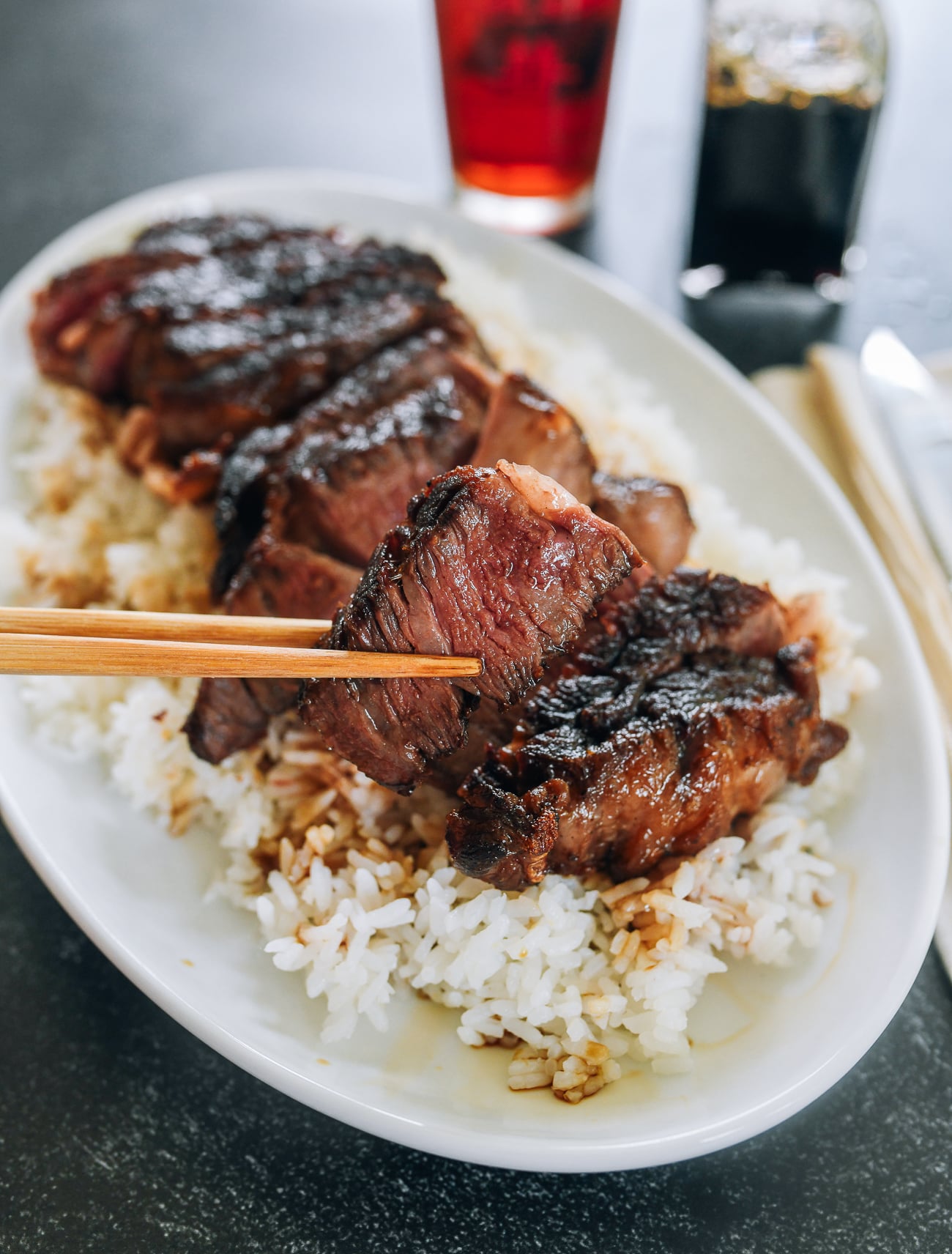
The resulting culinary fusion combined the American preference for a substantial, pan-seared cut of beef with the deeply ingrained Chinese reliance on soy sauce as a primary seasoning agent. The practice of slicing the meat and serving it over a foundation of steamed rice bridges the gap between individual Western plating and the communal nature of Asian dining culture.
The Science of Umami: Beef and Light Soy Sauce
Food scientists and culinary historians alike have long noted the powerful chemical compatibility between beef and soy sauce. Both ingredients are exceptionally rich in free glutamate, an amino acid responsible for triggering the human tongue’s umami receptors. When a seared beef protein—brimming with Maillard reaction compounds developed during high-heat casting—is paired with the fermented salinity of Chinese light soy sauce, the resulting sensory experience is significantly amplified.
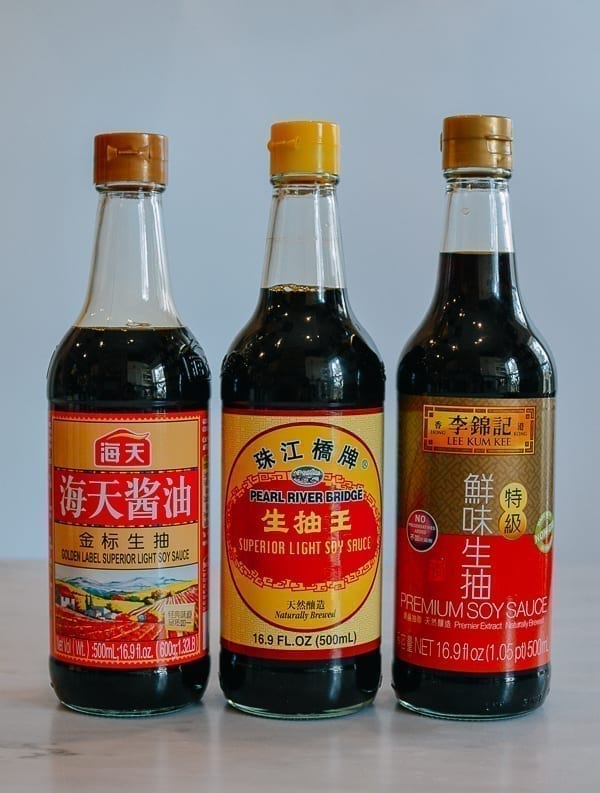
Despite its ubiquity in Asian cooking, light soy sauce is frequently misunderstood by home cooks accustomed to all-purpose supermarket soy sauce blends or darker, sweeter varieties. Culinary experts emphasize that authentic Chinese light soy sauce—distinguished by its thinner consistency, lighter reddish-brown hue, and pronounced salinity—is essential for achieving the intended flavor profile. Unlike dark soy sauce, which is aged longer and often infused with caramel for color and sweetness, light soy sauce provides a clean, sharp saltiness that penetrates the seared crust of the beef without overpowering its natural flavors.
Step-by-Step Preparation and Technique
While the dish lacks a formal recipe pedigree, achieving optimal results requires precise execution, particularly given the absence of marinades, rubs, or heavy sauces. Professional kitchen standards adapted for home cooks dictate a specific sequence of preparation, cooking, and resting phases.
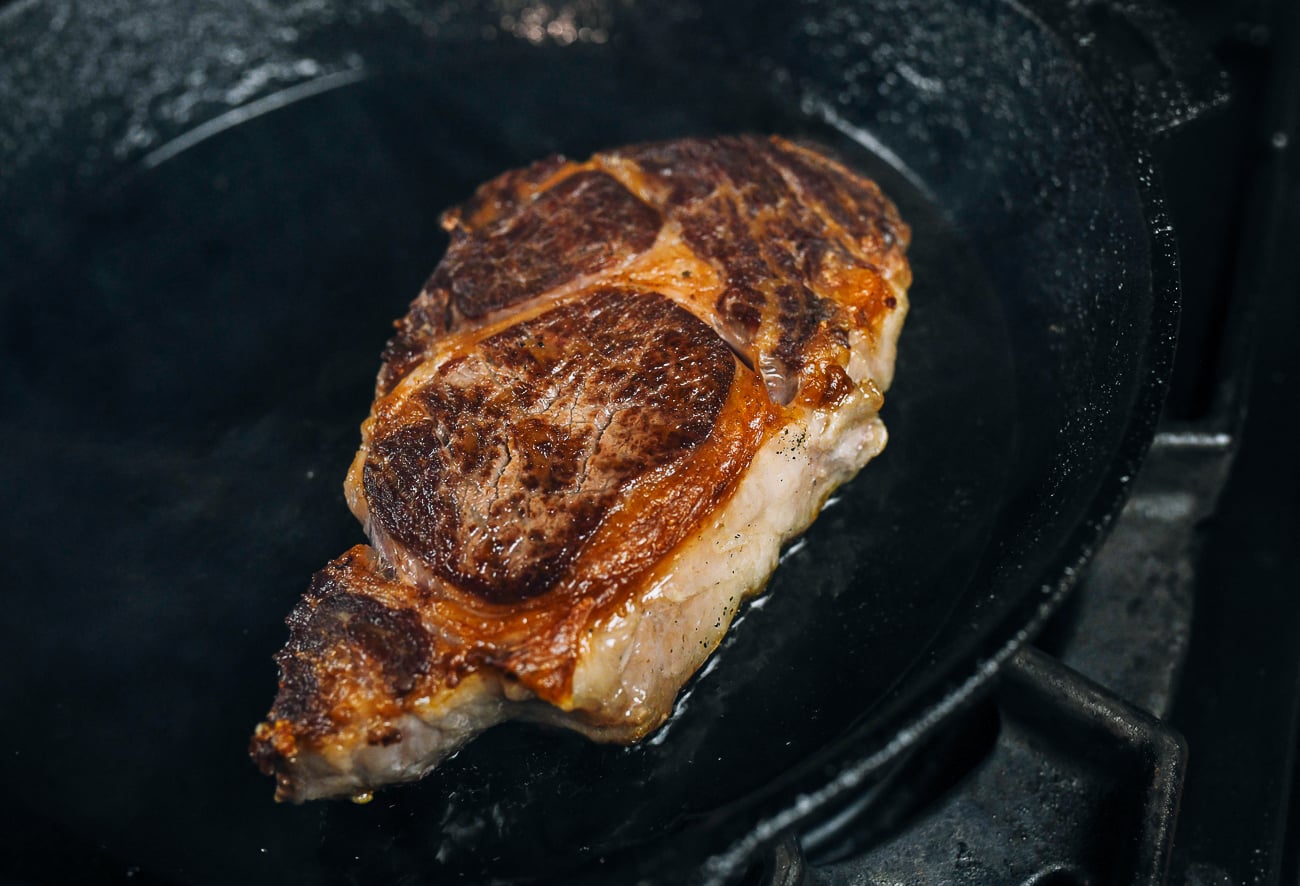
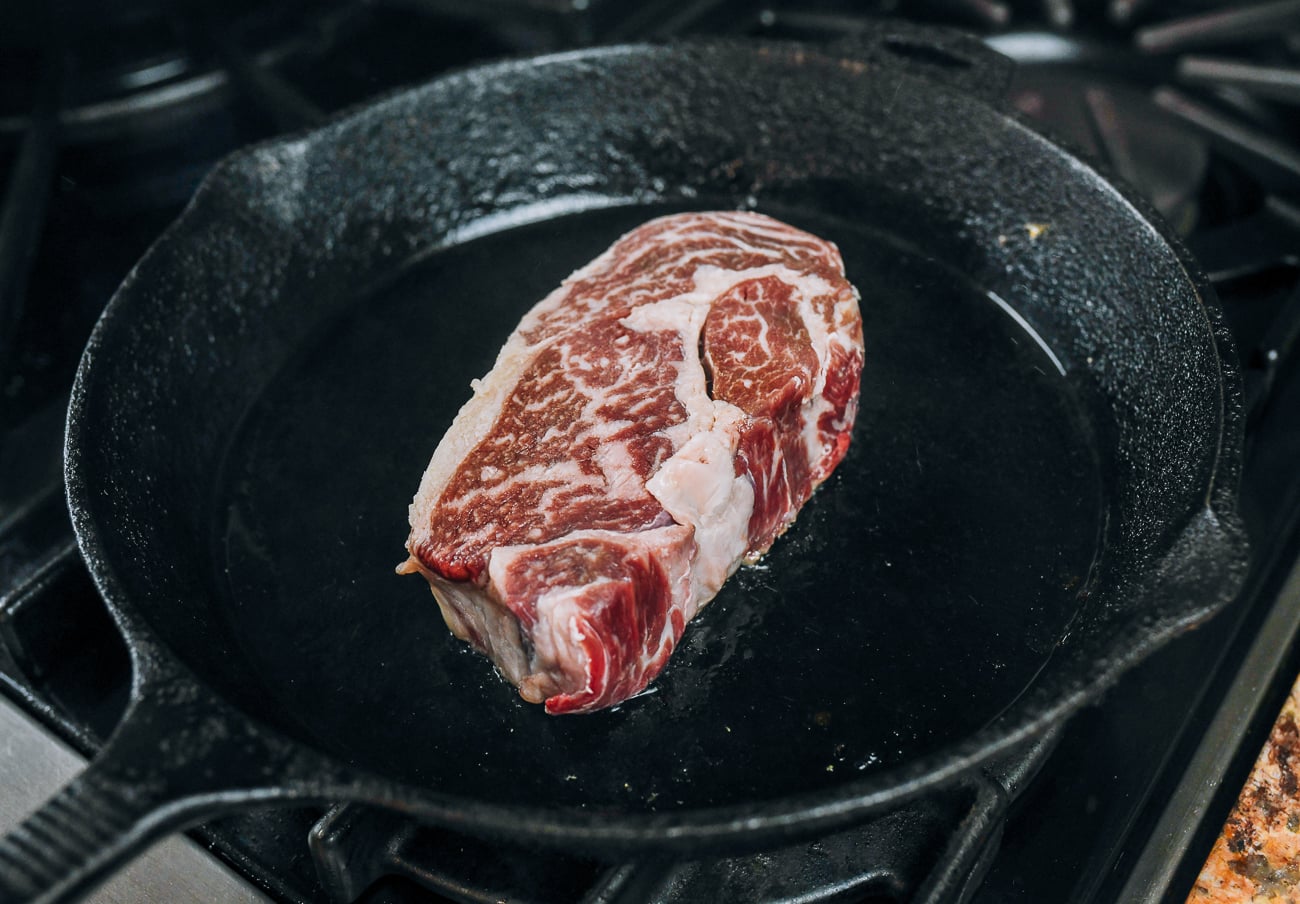
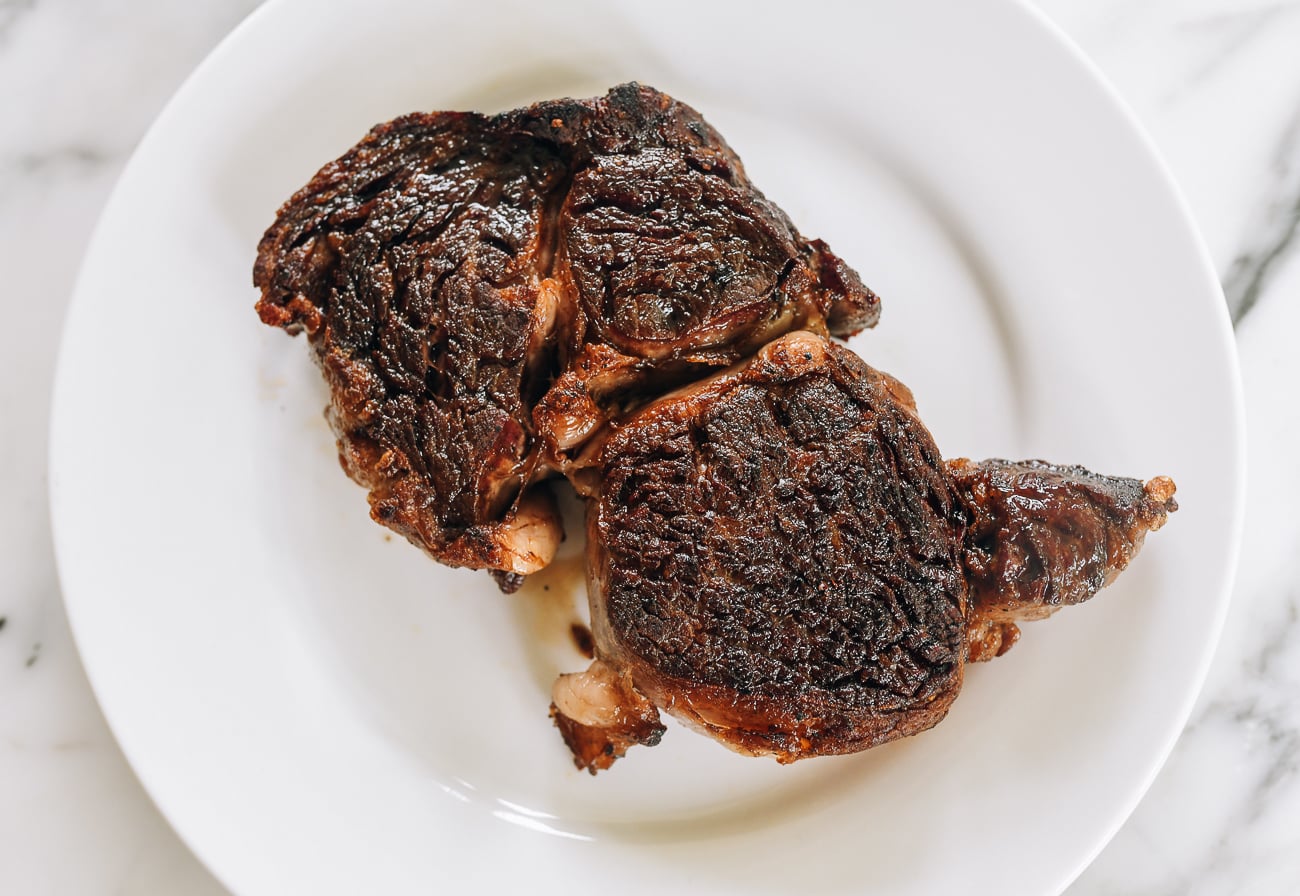
The cooking process begins with thermal preparation. A heavy-bottomed cast-iron skillet or a heavy-duty outdoor grill must be heated until it reaches an exceptionally high temperature—colloquially referred to in professional kitchens as "screaming hot." An unseasoned, well-marbled cut of beef, such as a one-pound, one-inch-thick boneless ribeye, is placed directly onto the dry, heated surface without the addition of heavy oils or marinades.
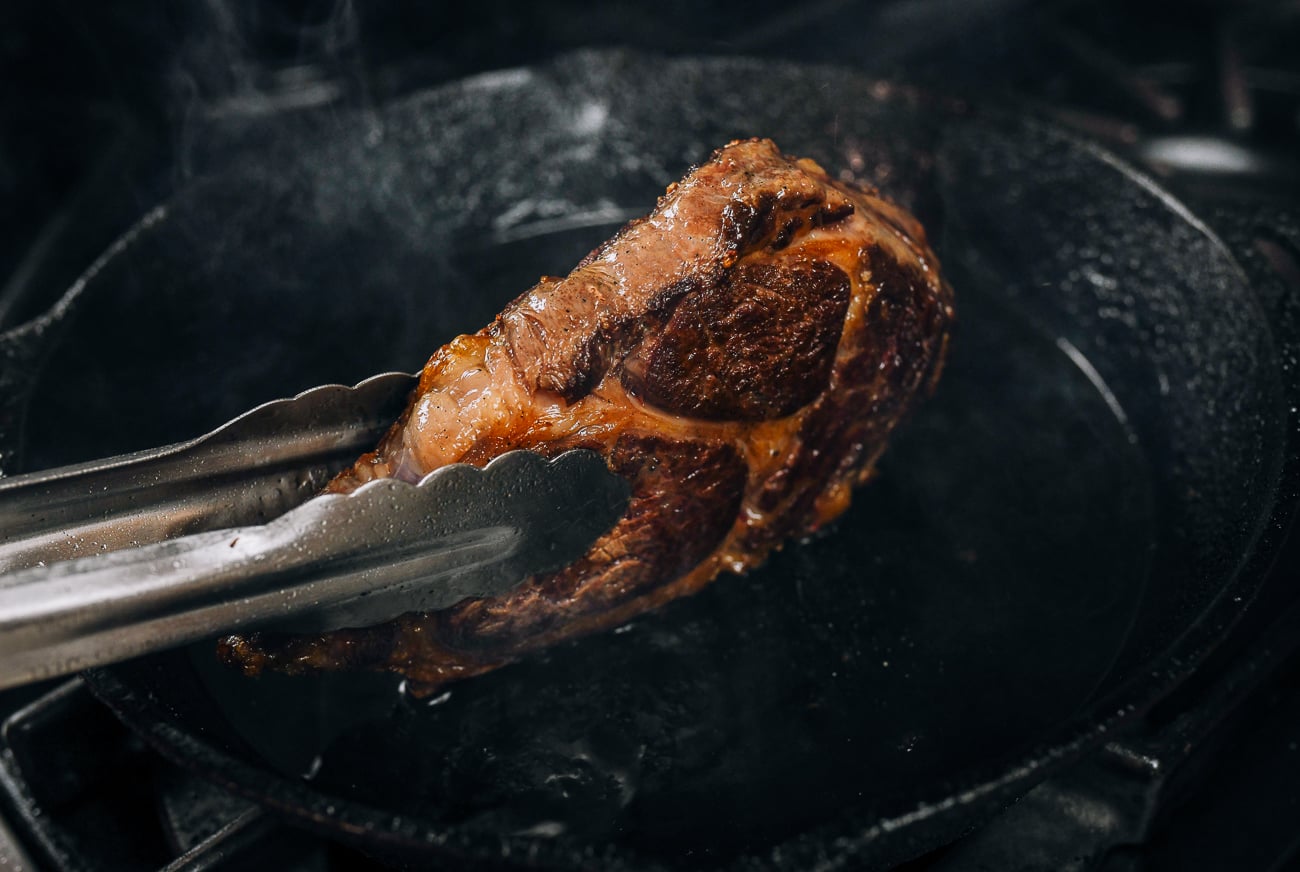
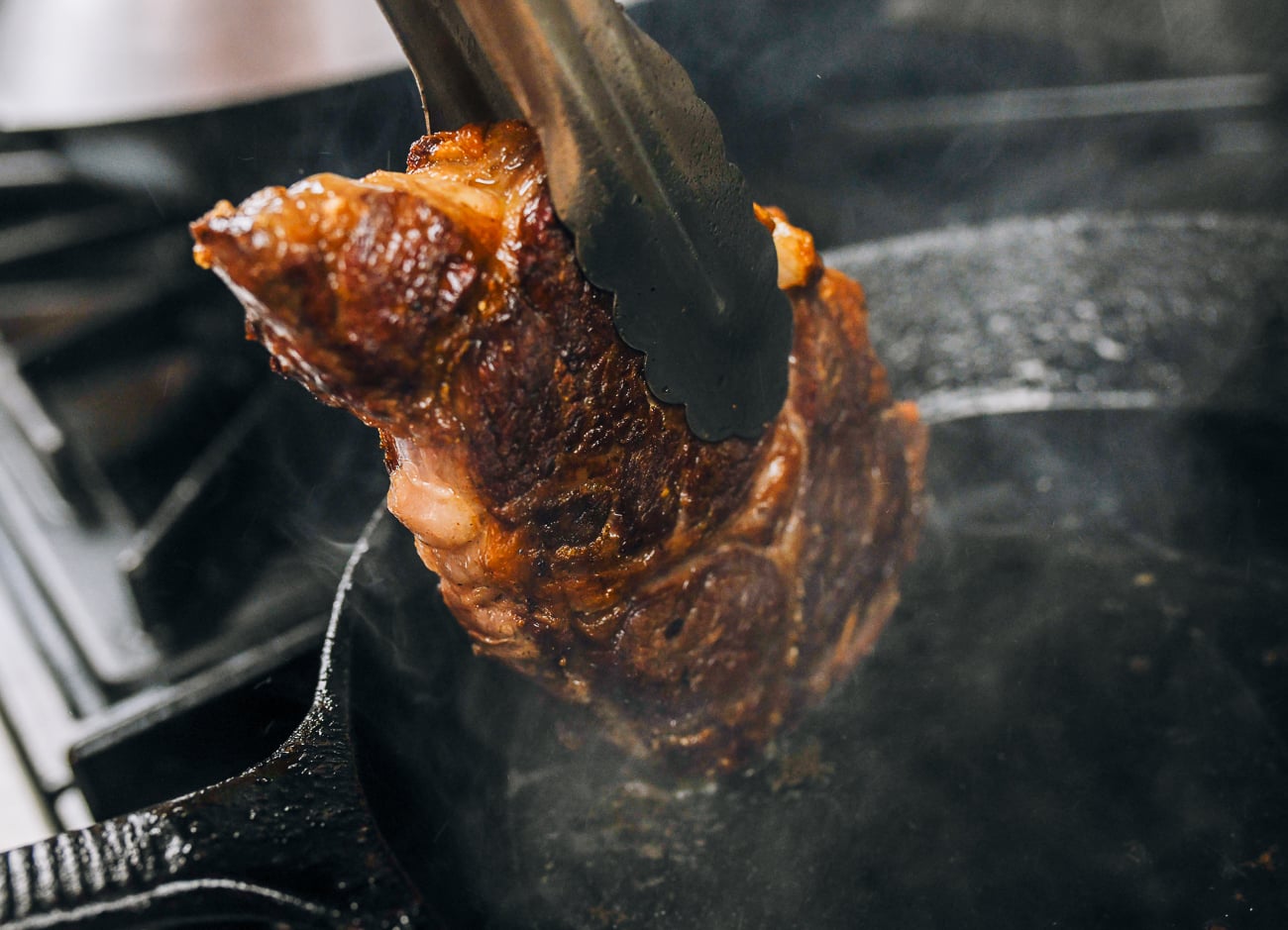
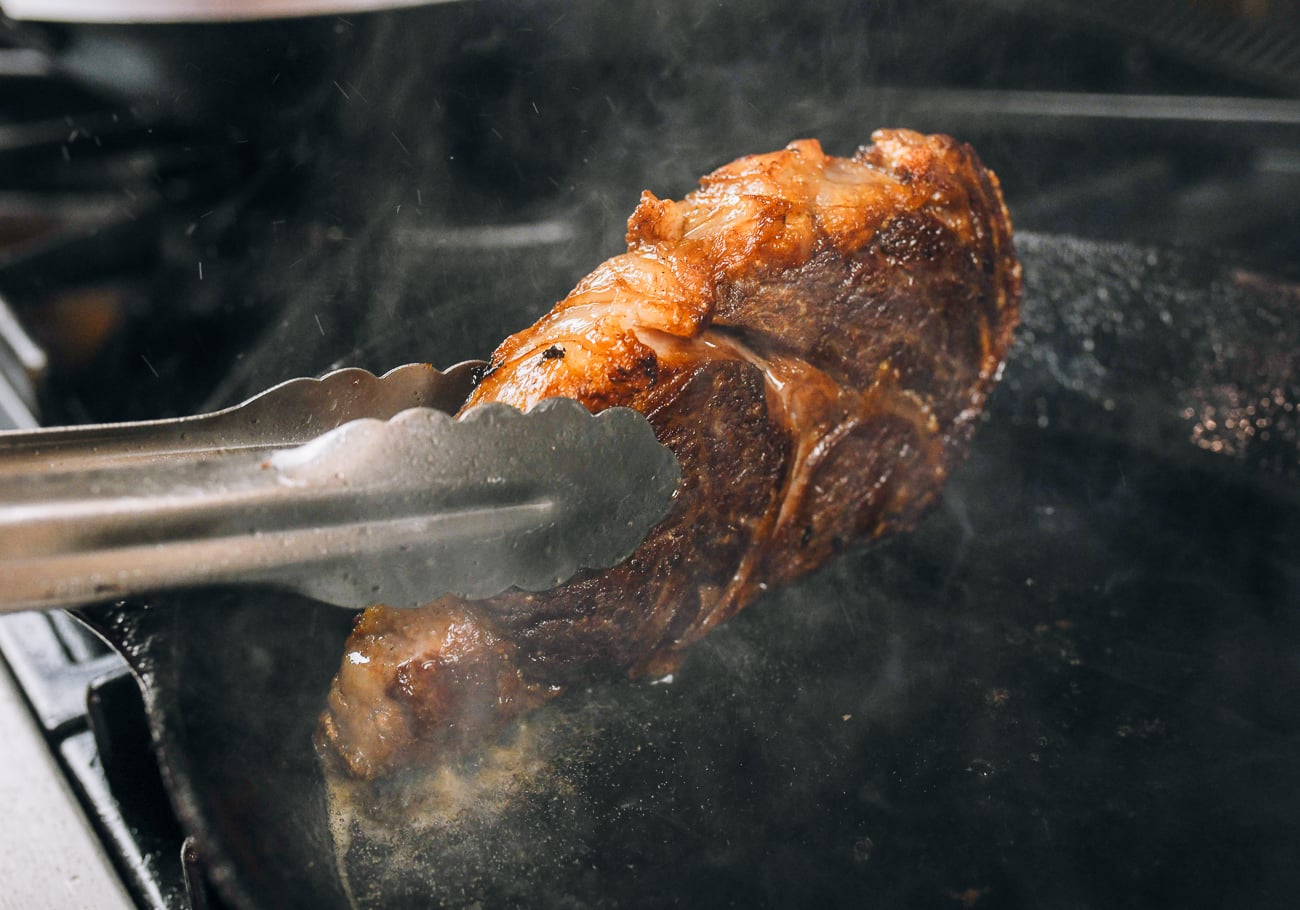
The beef is left undisturbed to develop a deeply caramelized crust. For grill preparations, chefs recommend rotating the steak 90 degrees halfway through the searing phase on each side to create distinct cross-hatch grill marks. For thicker cuts, tongs are utilized to hold the steak vertically, ensuring that the lateral edges receive equal sear and render the exterior fat cap appropriately.
Temperature Control and Doneness Metrics
Precision in internal temperature management remains critical to prevent the lean cut from drying out. Culinary professionals recommend utilizing an instant-read digital meat thermometer inserted into the thickest part of the meat to gauge doneness accurately:
- Rare: 115°F to 120°F
- Medium-Rare: 125°F to 130°F
- Medium: 135°F to 140°F
- Medium-Well: 145°F
Culinary experts strongly advise against cooking the protein beyond 145°F. Due to residual heat retention, the internal temperature of the steak will naturally climb an additional 5°F during the mandatory resting period. For a standard one-pound, one-inch boneless ribeye with rich intramuscular marbling, cooking times generally average three to four minutes per side, supplemented by brief searing on the lateral edges, totaling approximately 10 minutes of active cooking time. This methodology consistently yields a medium-rare to medium finish.
Resting, Slicing, and Assembly
Following the removal of the protein from the heat source, the steak must undergo a crucial resting period of five to ten minutes on a warm plate or cutting board. This pause allows muscle fibers, which tighten under high heat, to relax and reabsorb escaping natural juices, ensuring a moist texture upon consumption.
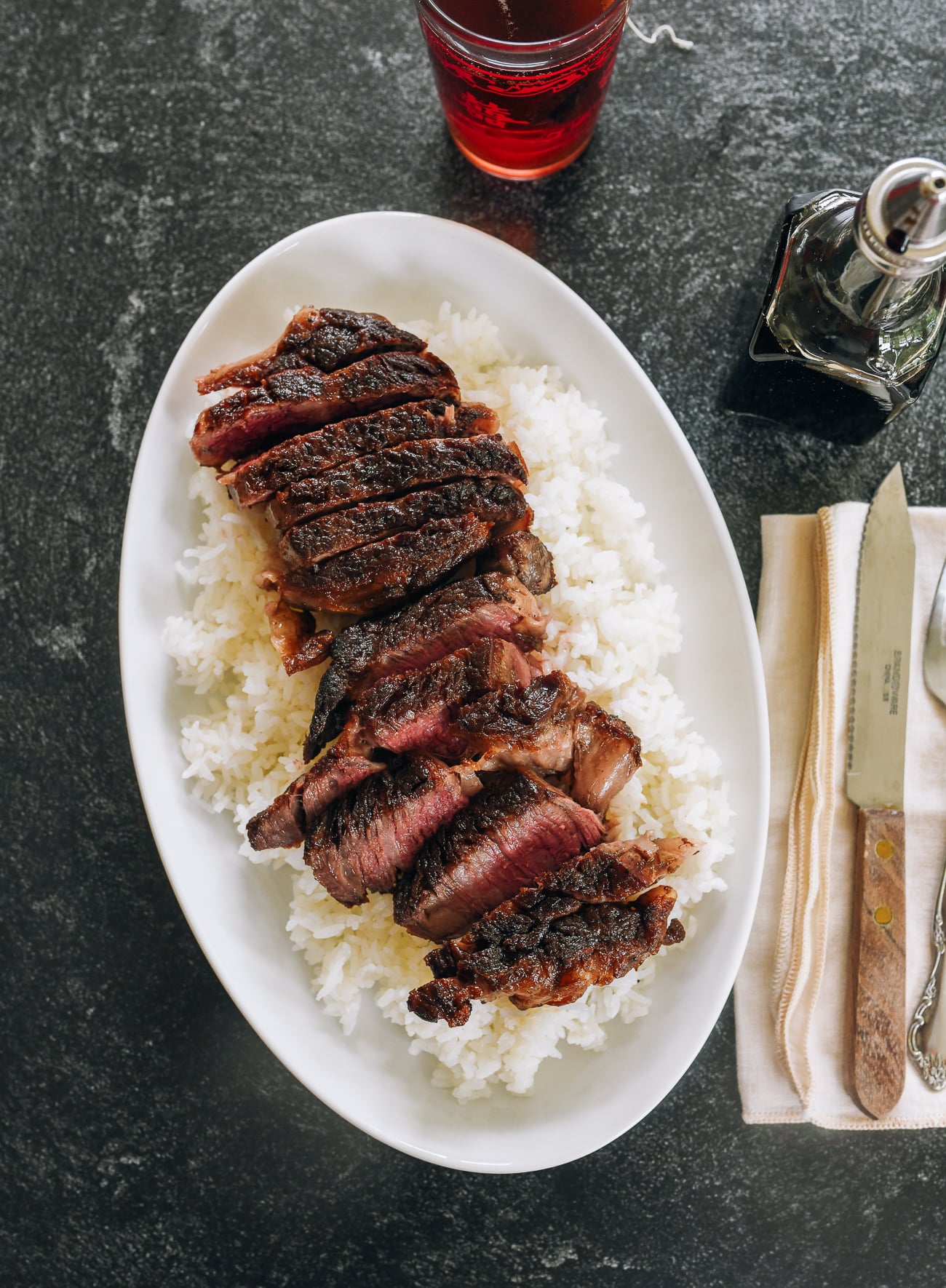
Once rested, the steak is sliced across the grain into thin strips. These slices are arranged generously over a bed of freshly steamed white rice. The final step involves a measured drizzle of Chinese light soy sauce applied directly over the sliced beef and rice bed, allowing the warm grains to absorb the seasoned pan juices and soy infusion.
Broader Socioeconomic and Cultural Implications
The enduring popularity of steak with soy sauce within the Chinese American diaspora highlights a broader sociological phenomenon: the resilience of culinary identity through cross-cultural adaptation. Rather than completely abandoning traditional cooking methods in favor of Western steakhouse norms, immigrant families successfully integrated localized proteins into a familiar flavor framework.
Food anthropologists note that dishes of this nature represent a form of culinary diplomacy within multi-cultural households. As demonstrated by second- and third-generation descendants and their non-Chinese partners, the accessibility and profound flavor profile of the dish transcend cultural barriers, turning what was once a pragmatic household compromise into a universally celebrated meal.
Ultimately, the longevity of steak with soy sauce underscores a fundamental truth of gastronomy: complexity is not a prerequisite for excellence. By respecting the quality of the ingredients and relying on the timeless science of umami, this understated home-style preparation has secured its enduring place in the modern culinary landscape.
Related posts: