Chinese Sweet and Sour Fish (糖醋鱼) Reinvents Traditional Holiday Entertaining for the Modern Home Kitchen

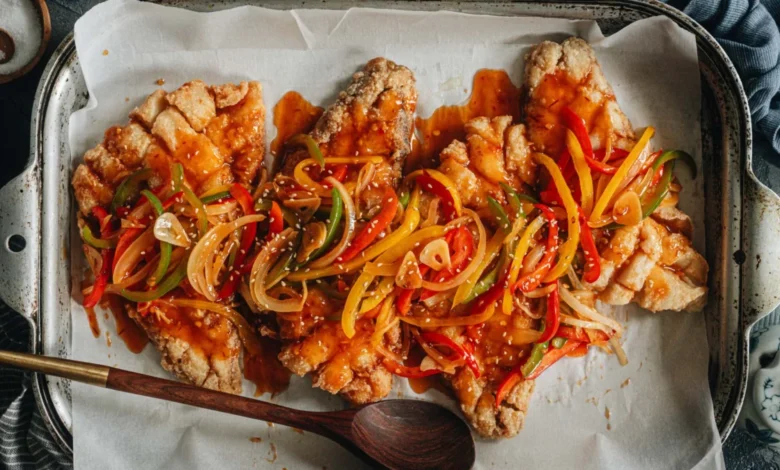
The inclusion of a whole fish course at celebration meals throughout China is more than a culinary tradition; it is a profound cultural symbol rooted in linguistic homophones. The Mandarin word for fish, yú (鱼), sounds identical to the word for surplus or abundance (yú, 余). Consequently, serving a whole river fish during the Lunar New Year and other major festivals embodies the collective aspiration for prosperity and wealth in the coming year. Traditionally, this centerpiece takes the form of a whole river fish, meticulously filleted and folded so the skin curls backward, scored deeply, and fried into an elaborate blossom shape before being generously drizzled with a rich sauce. While visually striking, this preparation presents considerable logistical and technical challenges for home cooks, particularly those operating outside of regions with abundant live wet markets.
Adapting Tradition for Global Kitchens
The logistical hurdles of sourcing live fish suitable for traditional Chinese banquets have driven culinary adaptation among diaspora communities. For home cooks transitioning from bustling municipal markets in China to metropolitan centers abroad—such as Austin and New York—acquiring a fresh, live river fish tailored for classic banquet presentation can prove remarkably difficult. In response, contemporary recipe developers have engineered alternative preparations that preserve the symbolic integrity and aesthetic grandeur of the traditional whole fish course while eliminating sourcing barriers.
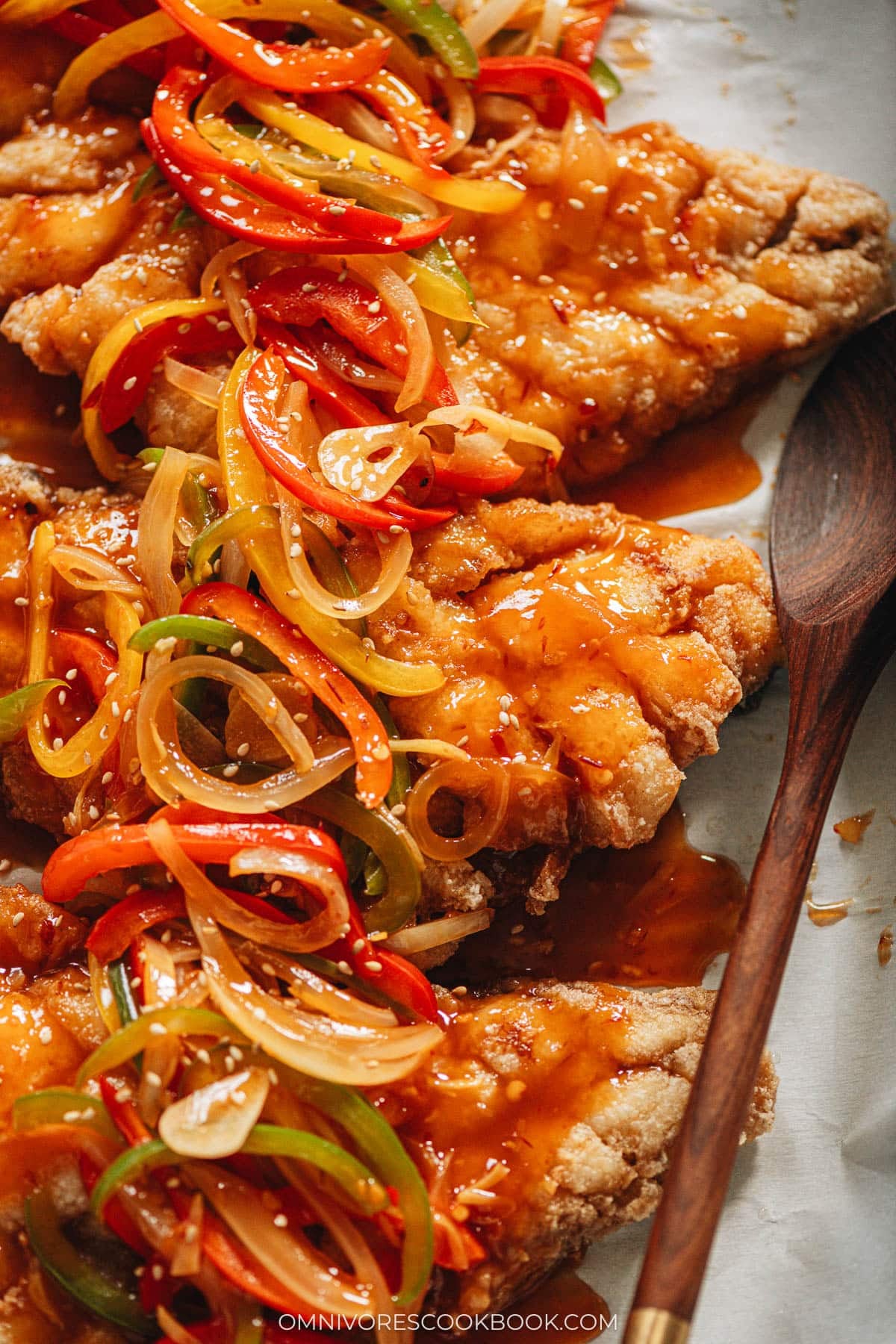
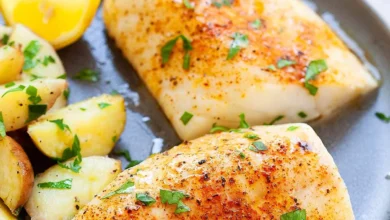
Among these innovations, the fillet-based sweet and sour mandarin fish has emerged as a preferred holiday centerpiece. By utilizing firm, slightly fatty white fish fillets, home cooks can achieve a presentation that honors festive customs while reducing preparation time to a manageable 40-minute window. This method bypasses the complexities of deep-frying a whole fish, relying instead on a precise shallow-frying technique that yields a golden, crackling crust with significantly less oil.
Culinary Architecture and Technique
The execution of this modern centerpiece relies on a structured, two-part process designed to maximize flavor retention and textural contrast. The foundation of the dish rests on the selection of appropriate white fish, characterized by firm flesh capable of holding its structural integrity during high-heat cooking.

The Coating and Frying Process
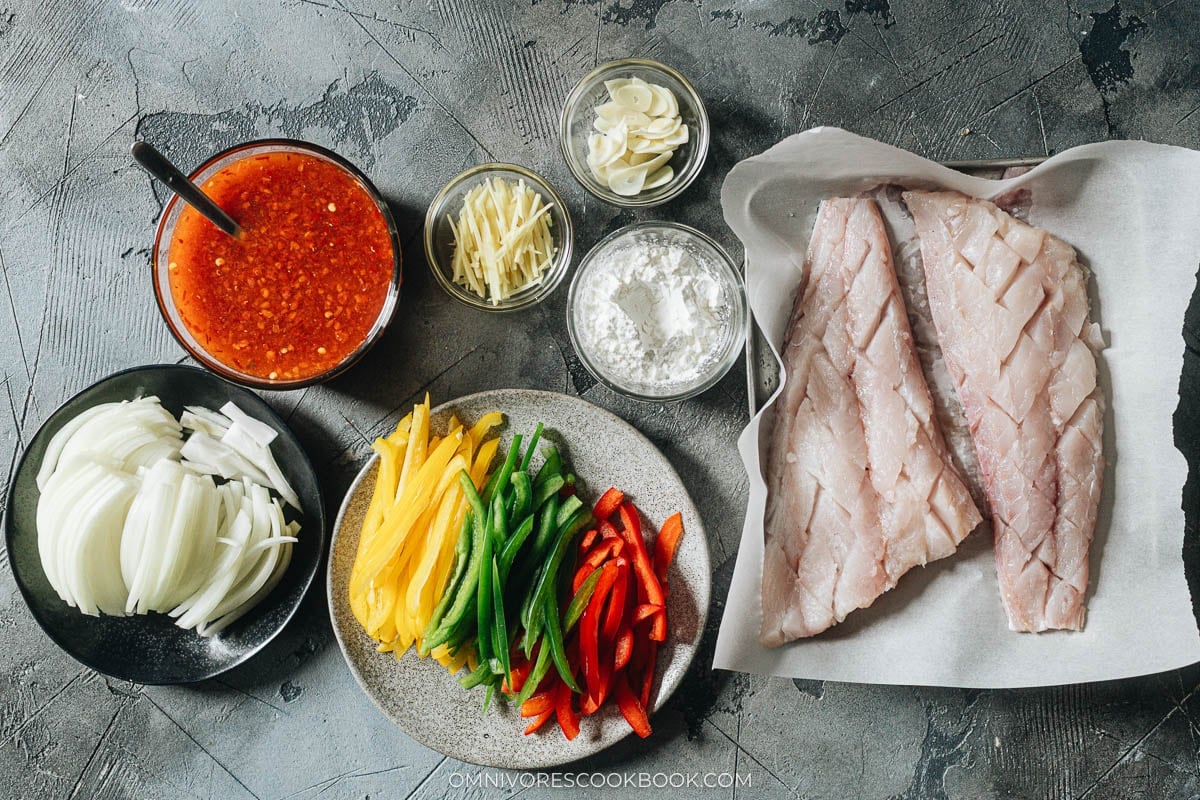
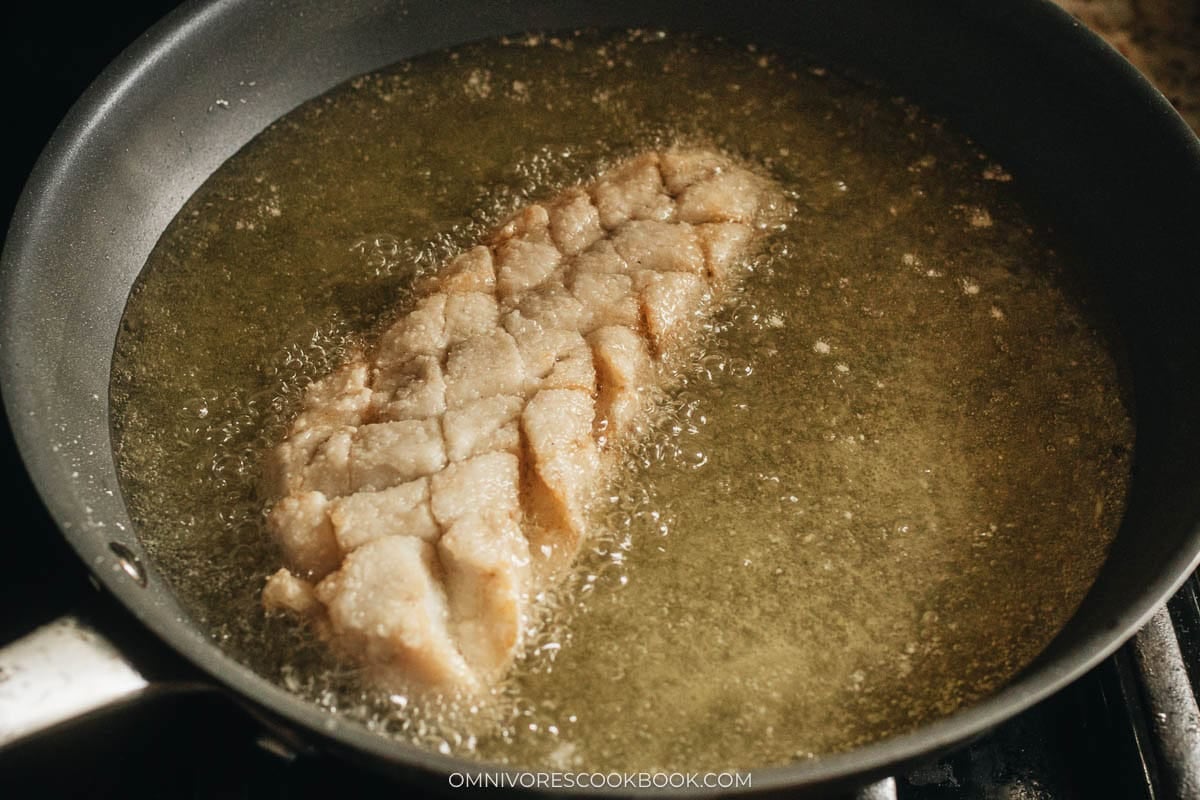
The preparation begins with the creation of a seasoned cornstarch dredge. Cornstarch is chemically favored over wheat flour in this application due to its ability to fry into a lighter, crispier, and more delicate crust. The fish fillets undergo a crosshatch scoring process—sliced approximately 2.5 centimeters apart. For skin-on fillets, the cut extends down to, but not through, the skin; for skinless varieties, incisions penetrate roughly two-thirds of the depth. This scoring allows the cornstarch seasoning mixture of salt and white pepper to penetrate the flesh while facilitating the formation of the characteristic "blossom" shape upon contact with hot oil.

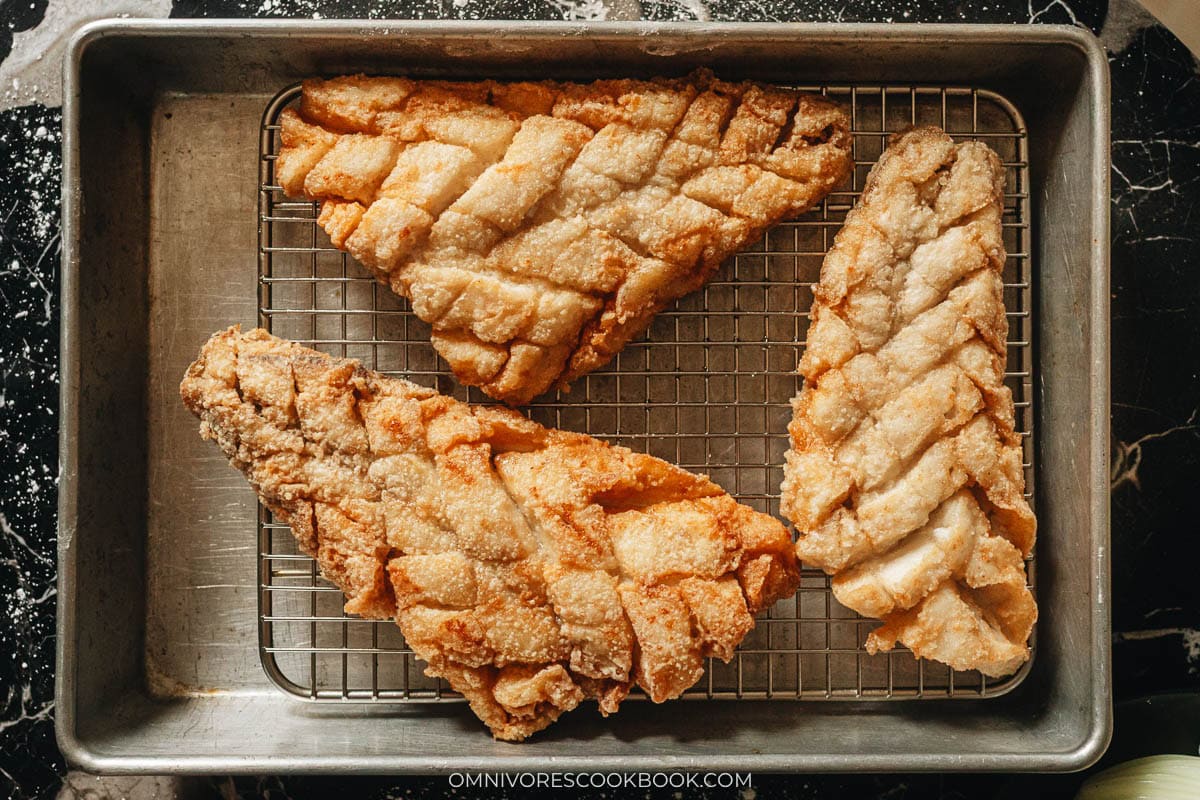
Rather than submerging the fish in vast quantities of oil, chefs employ shallow frying in approximately 2.5 centimeters of oil heated to 375°F (190°C). Cooking the fillets flesh-side down first for three to four minutes, followed by a brief two-to-three-minute spell on the reverse side, ensures an even, golden exterior while maintaining internal moisture.
The Aromatic Sweet and Sour Sauce
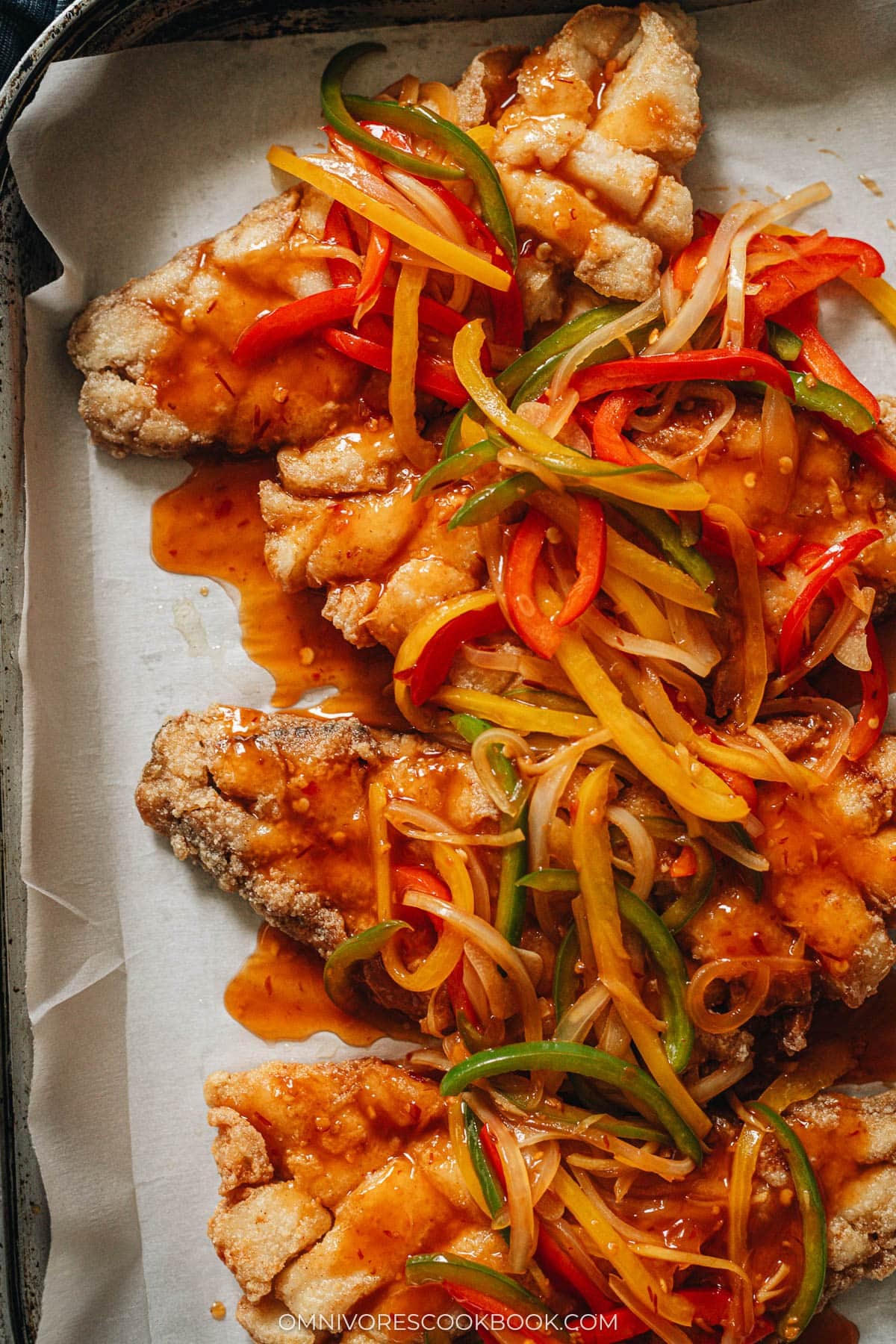
The sensory profile of the dish is defined by its complex sweet and sour sauce, engineered to balance multiple flavor dimensions. The base combines rice vinegar for acidity and sugar for sweetness, anchored by Shaoxing rice wine and soy sauce for umami depth. Chili garlic sauce introduces a measured element of heat and color.
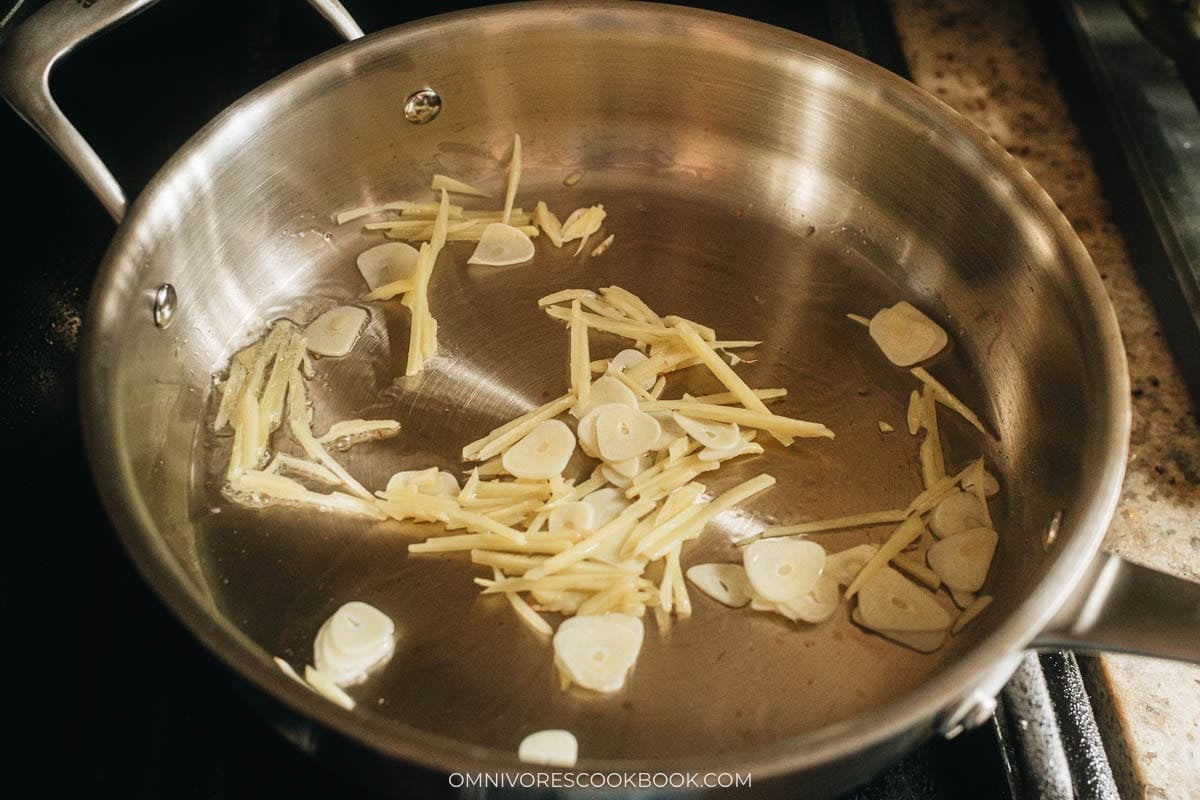
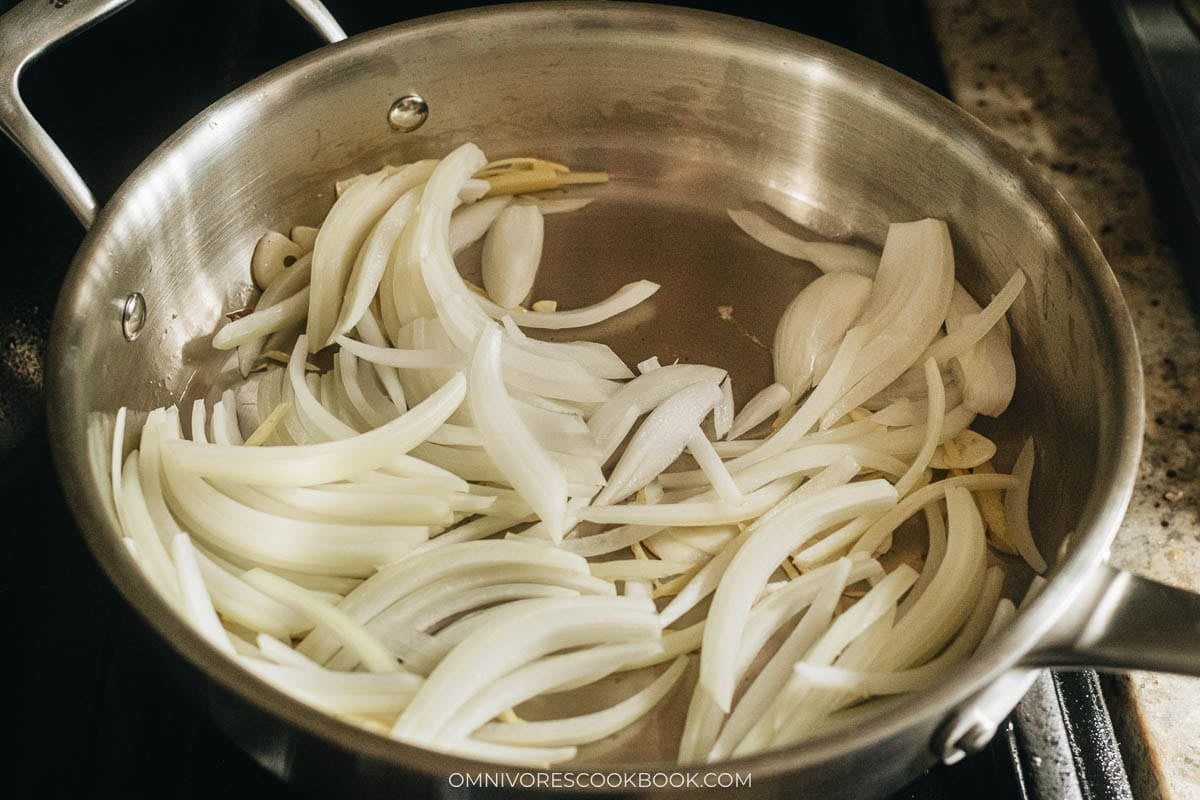
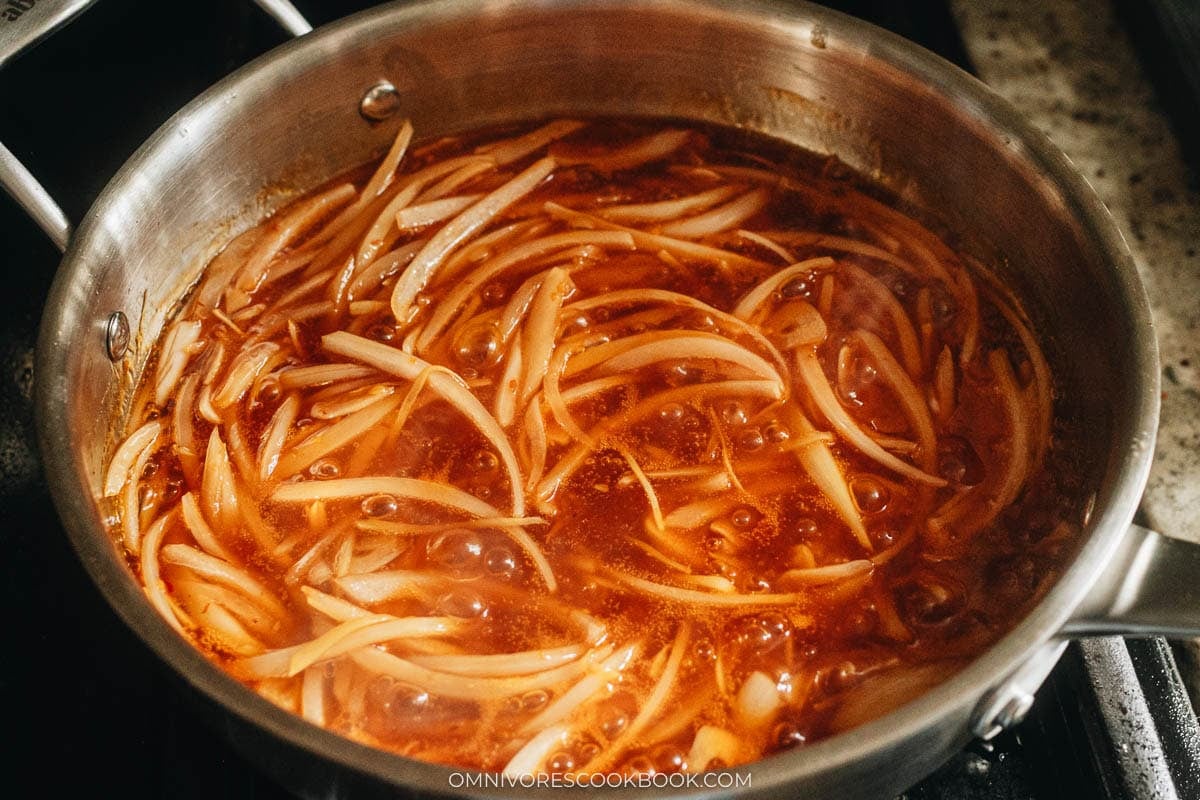
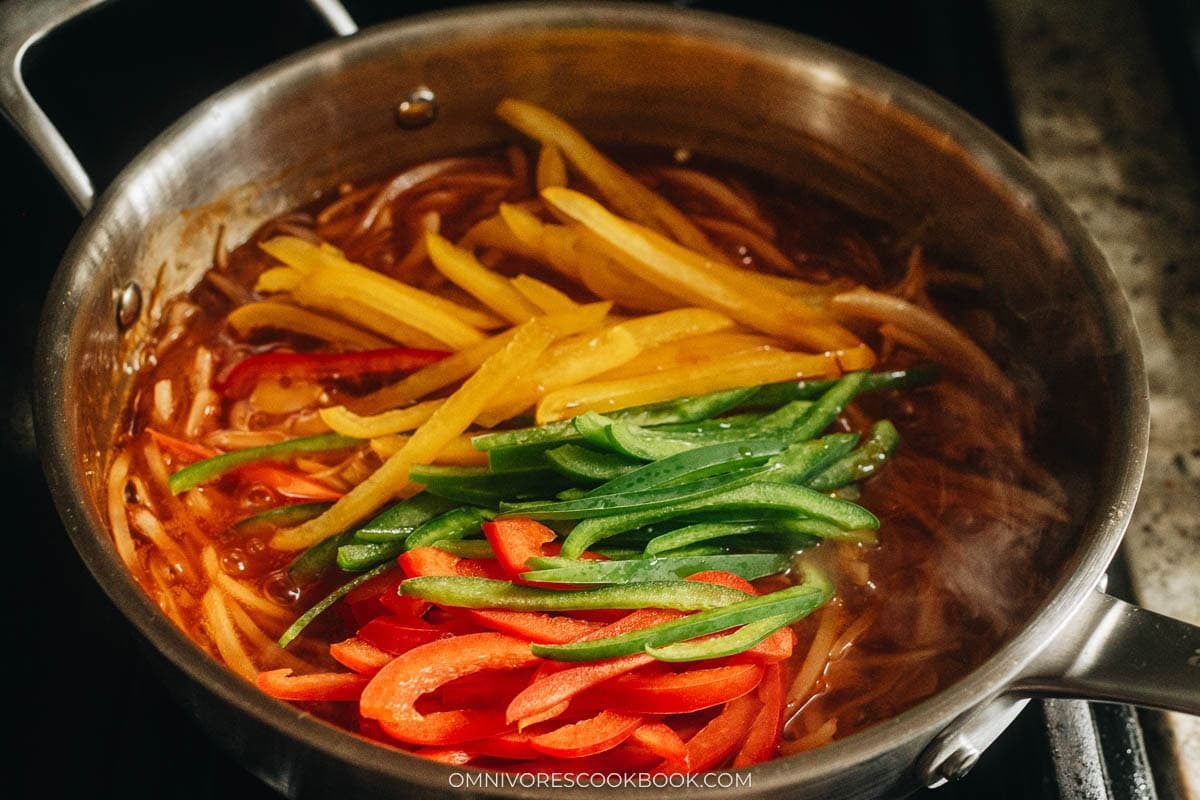
Aromatics including finely minced ginger, garlic, and sliced onions are briefly sautéed before the liquid base—loosened with a small amount of dissolved cornstarch—is introduced and brought to a boil. Sliced bell peppers are incorporated at the final stage of sauce reduction, ensuring they retain their vibrant color and fresh crunch. The resulting glossy emulsion is then generously spooned over the drained, crispy fish fillets immediately prior to service.
Nutritional Profile and Dietary Adaptability
Modern adaptations of classic banquet dishes increasingly account for diverse dietary requirements and nutritional awareness. The sweet and sour mandarin fish recipe offers a nutrient-dense profile well-suited to contemporary nutritional standards, while remaining adaptable for gluten-free diets through the substitution of standard soy sauce with tamari.
A standard single serving of the dish yields approximately 501 kilocalories, containing 45 grams of high-quality protein and 30.1 grams of carbohydrates. Total fat content is managed efficiently through the shallow-frying method, registering at 16.7 grams, of which only 2.7 grams are saturated fats. The dish also provides critical micronutrients, including 87 milligrams of calcium and 1 milligram of iron, alongside moderate sodium levels driven by traditional seasoning components.
Broader Cultural and Economic Implications
The evolution of symbolic dishes like the sweet and sour mandarin fish reflects broader trends in global food culture, where traditional practices intersect with modern lifestyles. As younger generations and diaspora communities navigate fast-paced schedules and limited access to specialized traditional markets, the democratization of complex cultural dishes ensures the preservation of intangible heritage.
Food historians note that the simplification of banquet recipes does not dilute their cultural significance; rather, it reinforces their relevance by making them accessible for everyday celebration. By maintaining the core symbolism of abundance and prosperity through accessible ingredients and streamlined techniques, home cooks continue to bridge the gap between ancestral heritage and modern domestic realities, ensuring that culinary traditions endure across generations and geographic boundaries.