The Art and Science of Thoroughly Washing Produce: A Kitchen Essential for Health and Flavor

Ensuring that the vegetables gracing our tables are not only fresh but impeccably clean is a cornerstone of mindful eating and culinary excellence. This comprehensive guide delves into the meticulous process of washing a wide array of produce, from delicate leafy greens and aromatic herbs to robust peppers and dense root vegetables. The practice, often overlooked in its complexity, is paramount for maximizing flavor, ensuring food safety, and making the most of valuable fresh ingredients. For those who prefer visual instruction, a detailed YouTube video accompanies this article, offering a dynamic demonstration of these essential techniques.
The Unsung Hero of the Kitchen: Why Vegetable Washing Matters
The act of washing vegetables is far more than a perfunctory rinse; it is a critical step that directly impacts the quality and safety of our meals. The author, a self-proclaimed stickler for vegetable cleanliness, emphasizes that a commitment to eating a diverse range of vegetables each week necessitates a rigorous washing and preparation routine. The desire for peace of mind and an unblemished eating experience drives this attention to detail. The unpleasant crunch of grit in a restaurant dish or the discovery of an improperly trimmed vegetable can detract significantly from an otherwise enjoyable meal.
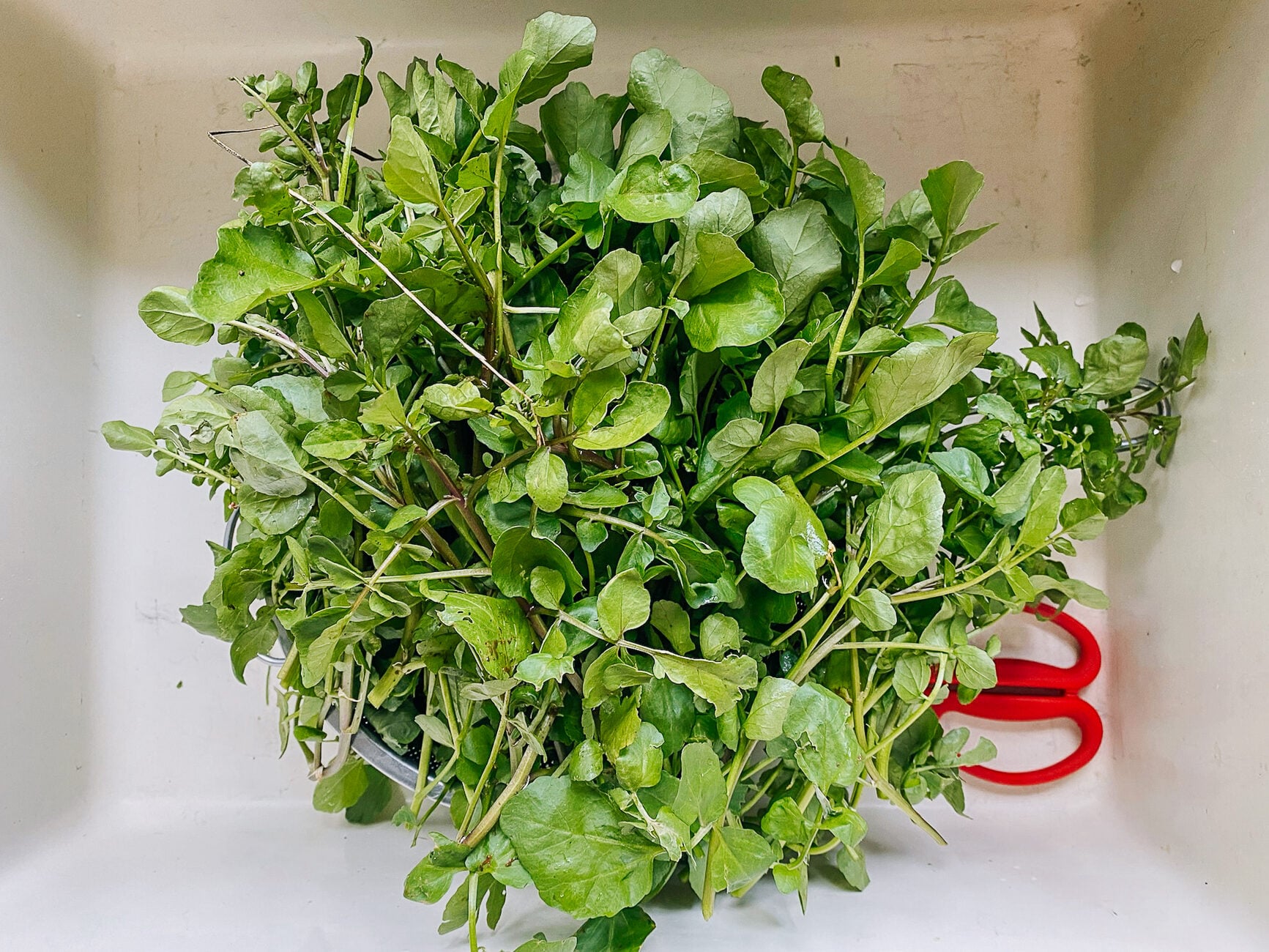
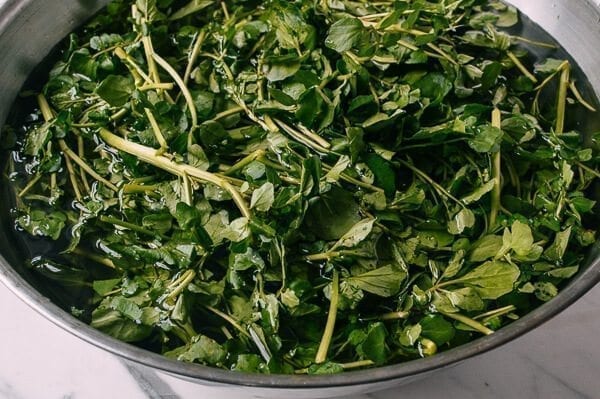
Beyond the immediate sensory experience, the thorough washing of produce is increasingly vital in an era where pesticide use is widespread. Residues can not only affect the taste and texture of the final dish but also diminish the overall yield of usable produce. Furthermore, certain vegetables, particularly those grown in or near water like watercress, can harbor sand or even tiny aquatic creatures, making a thorough rinse indispensable for avoiding unexpected and unappetizing surprises.
In an economic climate where fresh produce represents a significant investment, mastering these washing techniques ensures that consumers derive the full value from their hard-earned money. By minimizing waste and maximizing the cleanliness and appeal of ingredients, home cooks can elevate their culinary endeavors.
A Multi-Stage Approach to Pristine Produce
The process of washing vegetables, while seemingly straightforward, benefits from a systematic, multi-stage approach. This method, developed through years of experience, ensures that even the most stubborn dirt and potential contaminants are effectively removed.
Step 1: The Initial Soak – Loosening the Grime
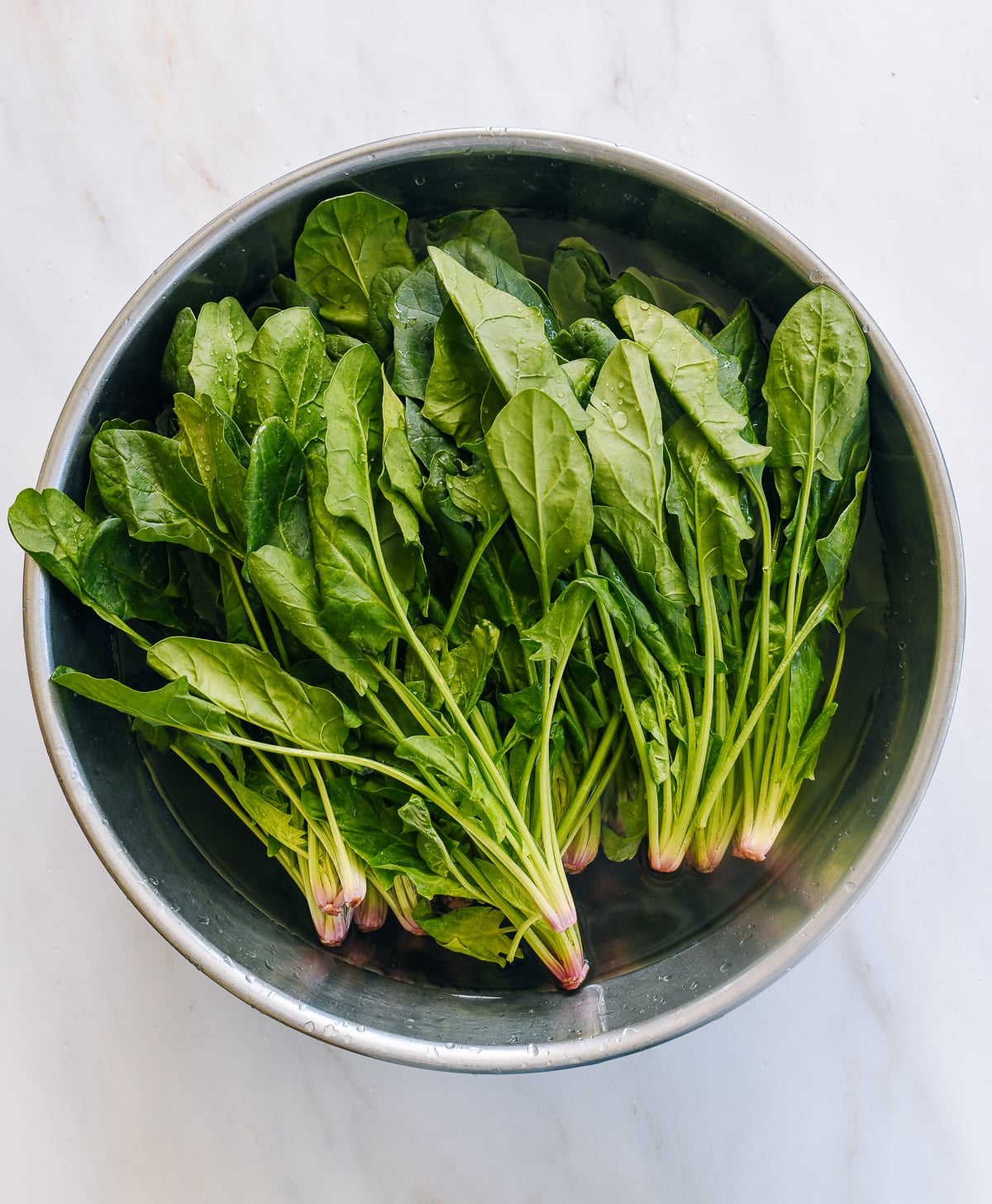
The first crucial step involves an initial soak in a large stainless steel bowl filled with cold water. This method is preferred over filling the sink, as it offers a more sanitary and water-efficient approach. The purpose of this soak is to dislodge obvious surface dirt and grit, allowing for a preliminary inspection and trimming.
As vegetables are submerged, the water begins to soften and loosen any clinging soil. During this phase, it is imperative to meticulously examine each piece of produce. Any yellowed, wilted, or bruised leaves should be discarded. Tough, woody stems or root ends that are past their prime should also be trimmed away. However, the goal at this stage is not exhaustive preparation, but rather the removal of what is clearly undesirable or inedible.
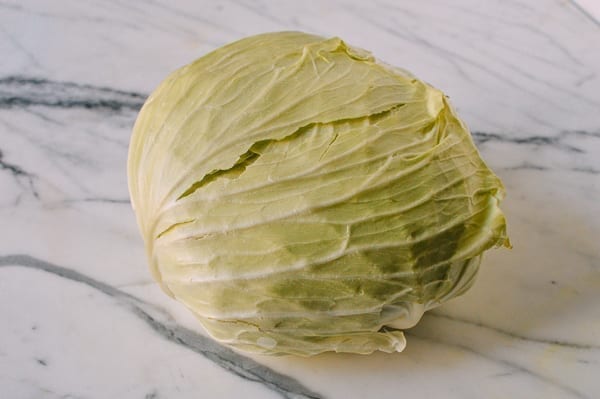
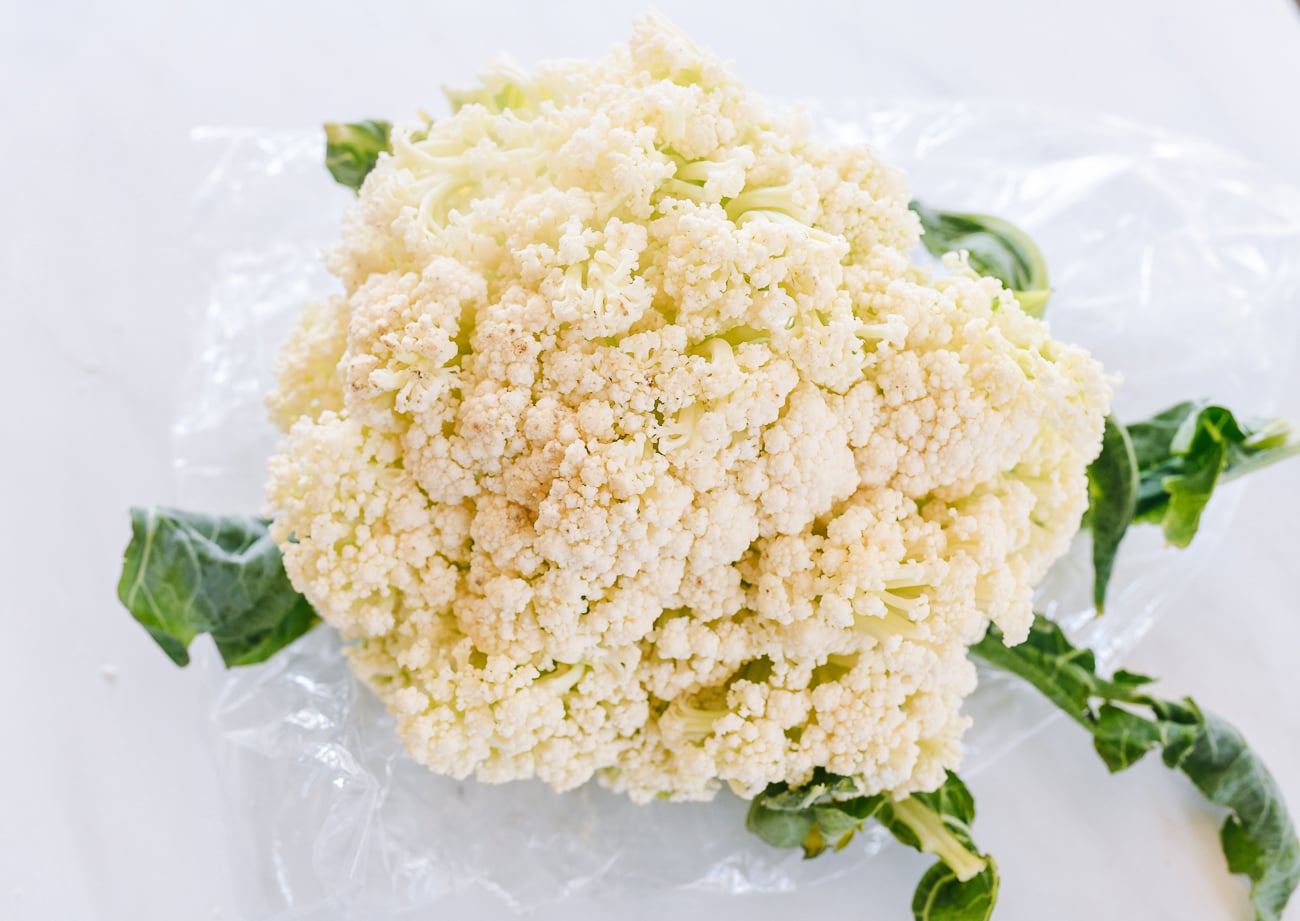
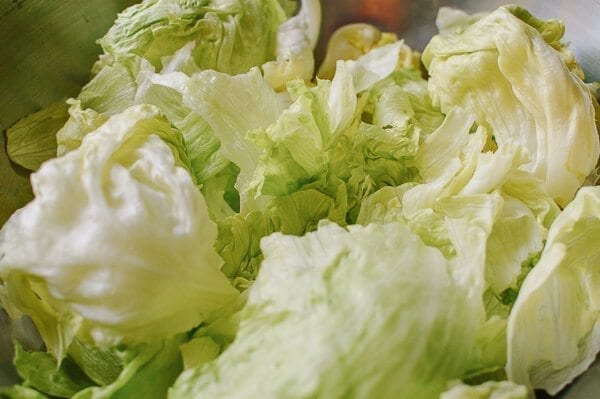
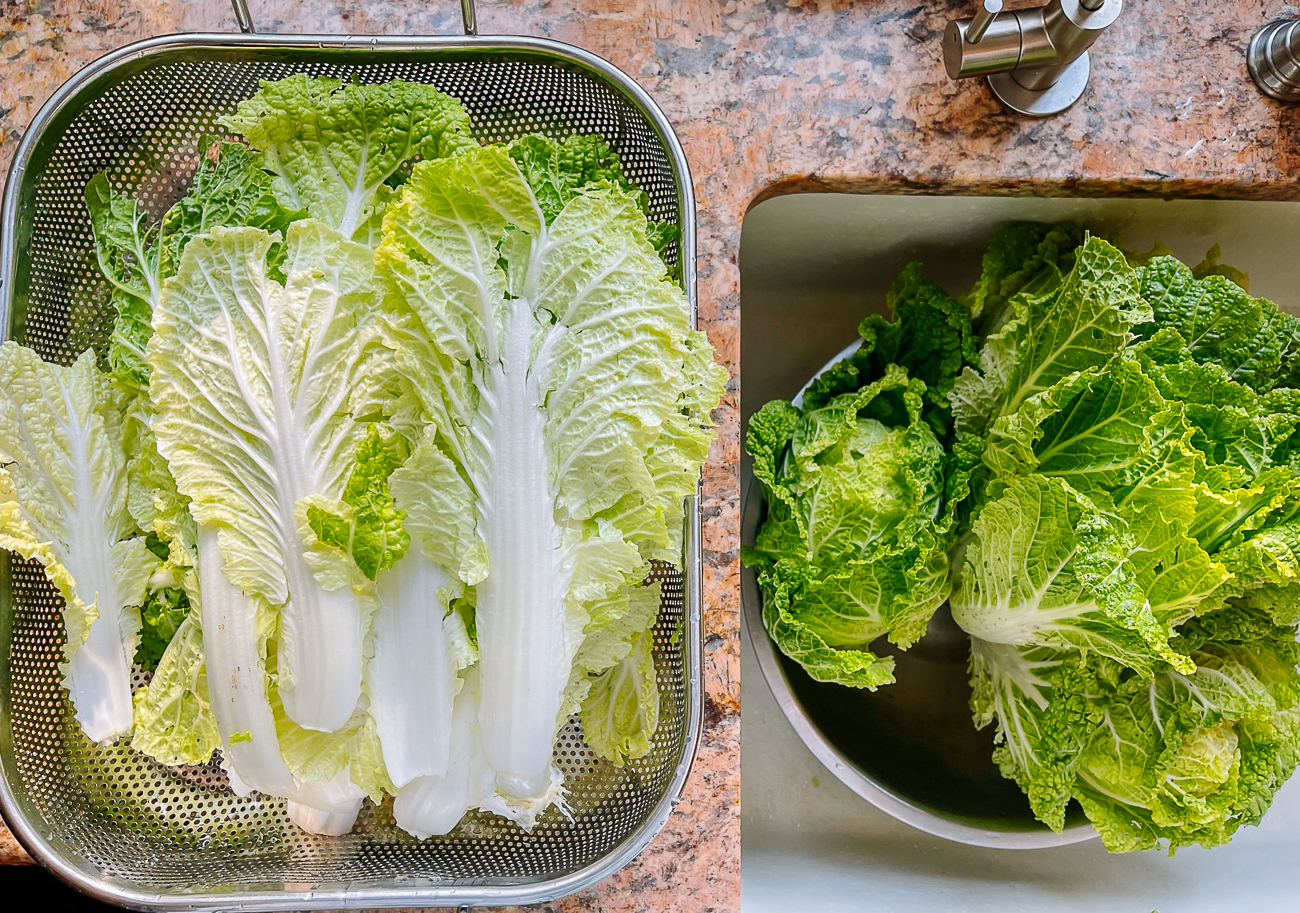
A notable exception to this general approach applies to "heading" vegetables such as lettuce, cabbage, napa cabbage, broccoli, and cauliflower. These vegetables are more susceptible to accumulating pesticides between their layers as they grow. Therefore, for these items, it is advisable to take an extra step during the initial soak.
Addressing Heading Vegetables:
For these specific vegetables, the process involves carefully separating the leaves or florets. For lettuce, this means gently pulling apart each leaf. Cabbage requires removing the core and then separating the layers to expose them to the water. Broccoli and cauliflower should be broken down into their individual florets. While perfect separation isn’t always necessary, the objective is to maximize the surface area exposed to water, allowing for more effective cleaning. This preliminary separation also makes subsequent cleaning steps more efficient.
The initial soak typically lasts between 5 to 10 minutes. Following this, the vegetables are carefully lifted out of the water and placed into a colander. It is critical not to simply pour the contents of the bowl into the colander. This would merely transfer the loosened dirt and sediment back onto the produce. By lifting the vegetables, the majority of the grit remains at the bottom of the bowl, significantly improving the cleanliness of the produce. The soaking water, now laden with impurities, can be discarded, and the bowl thoroughly rinsed.

Step 2: The Main Wash – Deep Cleaning
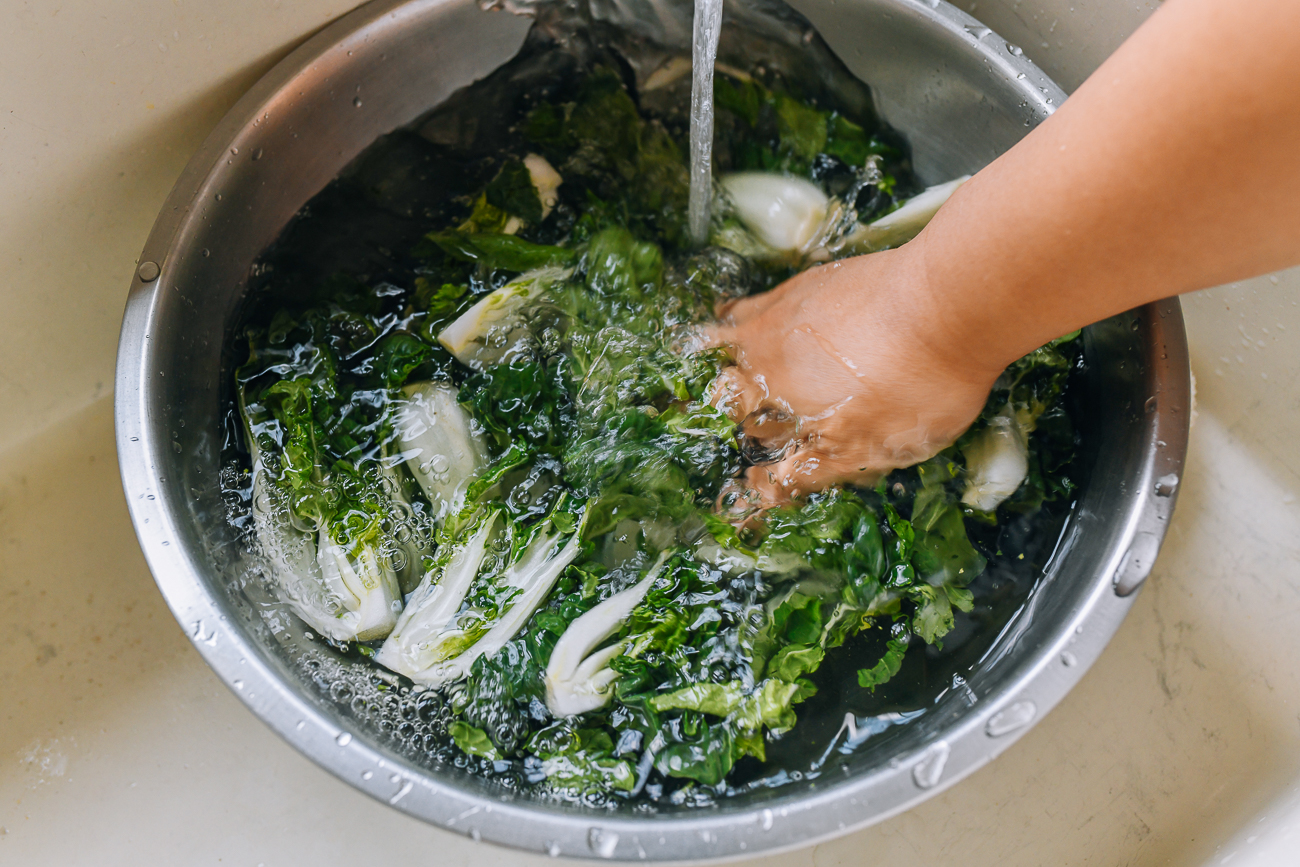
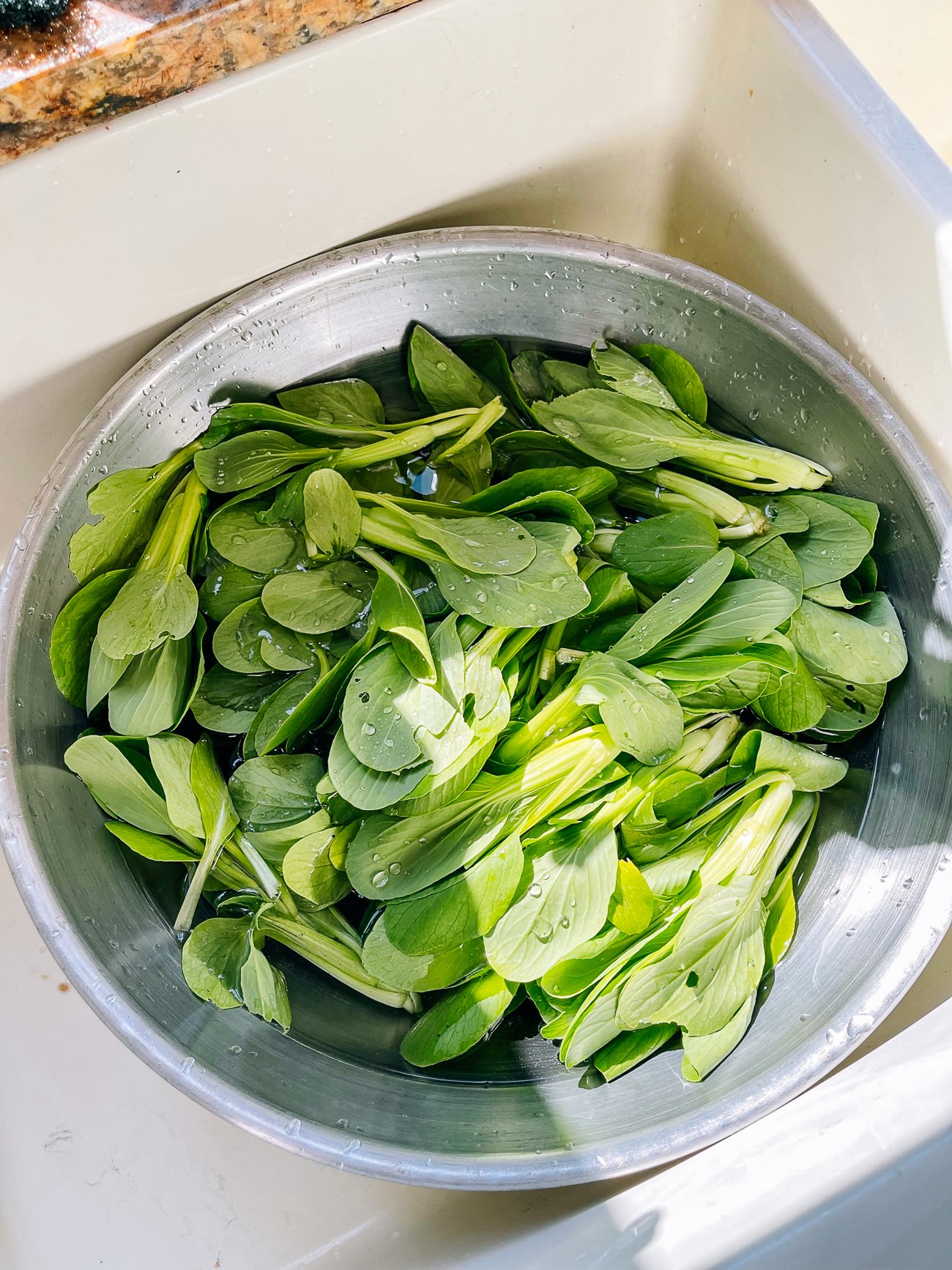
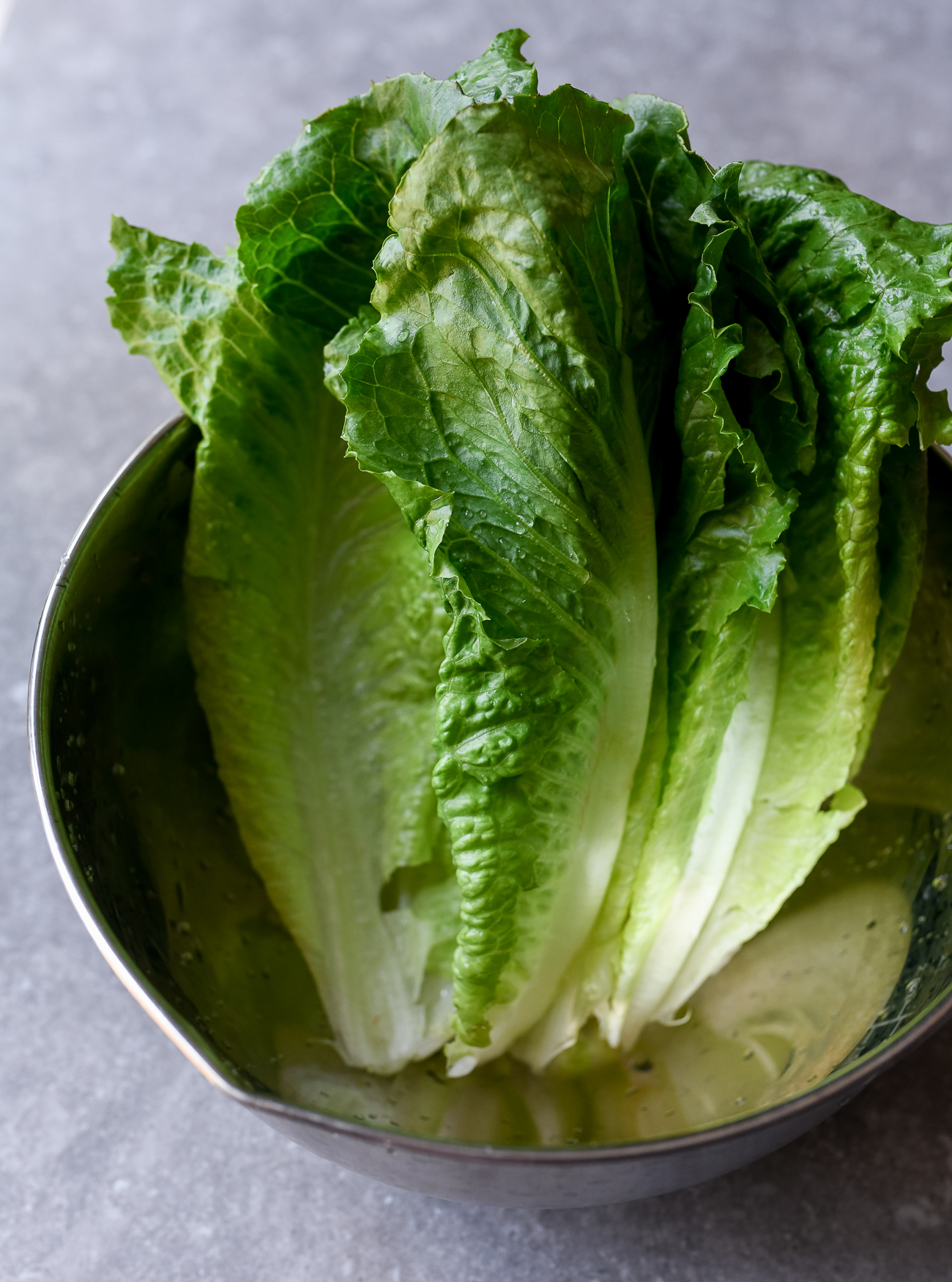
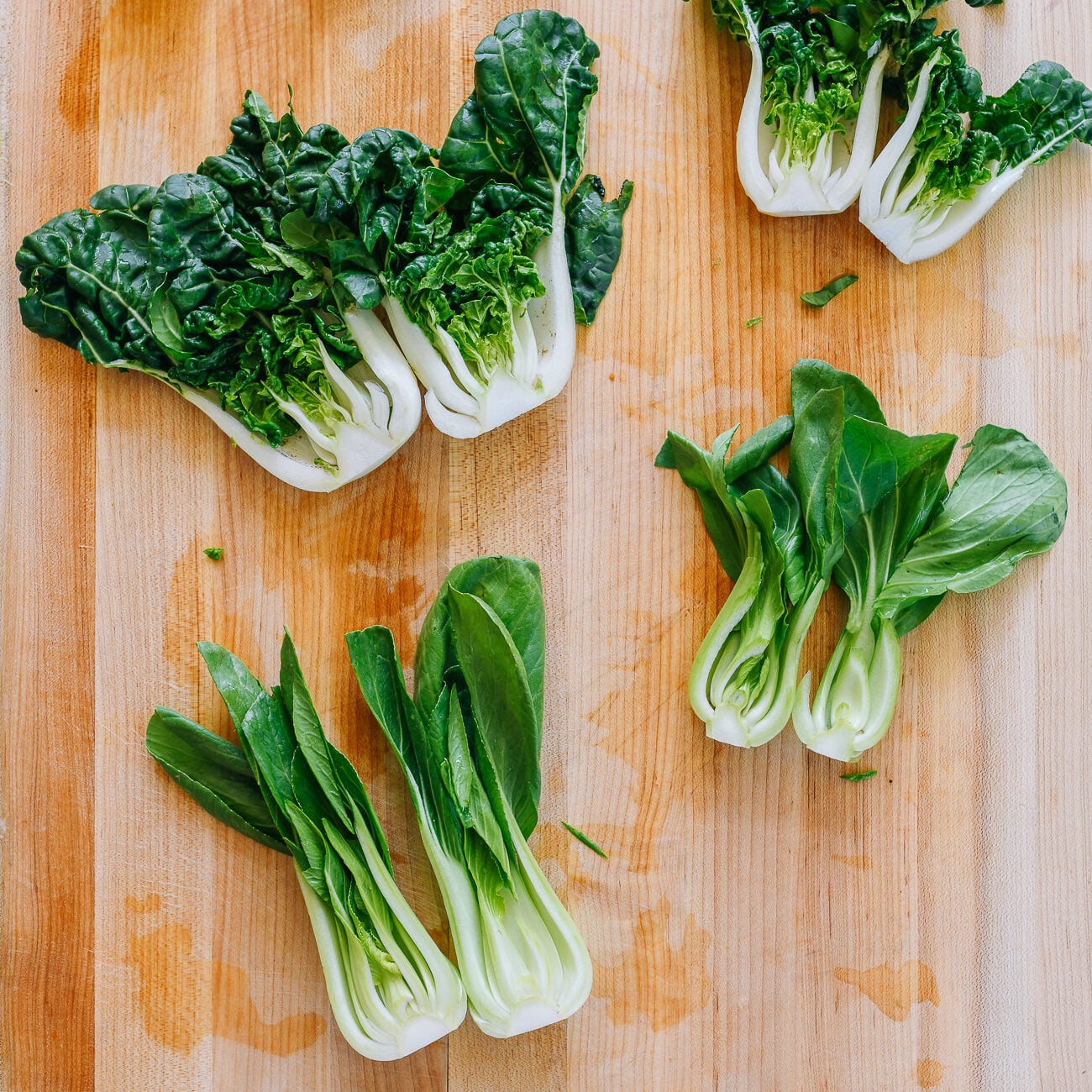
The second soak is designed for a more thorough cleansing. After rinsing the bowl, the vegetables are returned to it and submerged in fresh cold water. For vegetables with dense layers, such as bok choy or romaine lettuce, this is the ideal time to halve them. This action opens up the inner parts of the vegetable, allowing water to penetrate and dislodge any hidden dirt or potential pests.
This second soak can be extended, ranging from 10 to 20 minutes, or even up to 30 minutes. This extended period allows for a more in-depth cleaning process. While the vegetables are soaking, it’s an opportune moment to attend to other meal preparation tasks, such as chopping aromatics or preparing sauces.
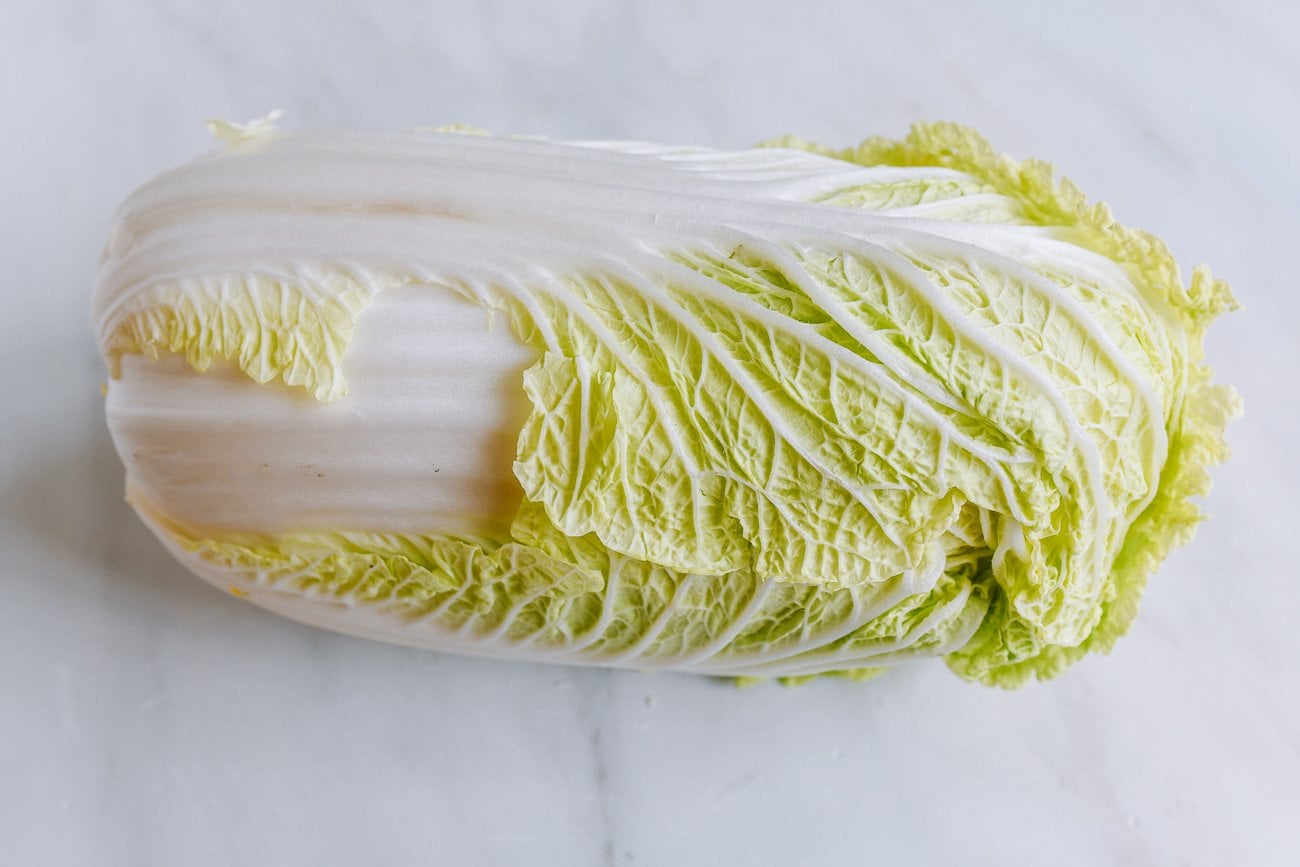
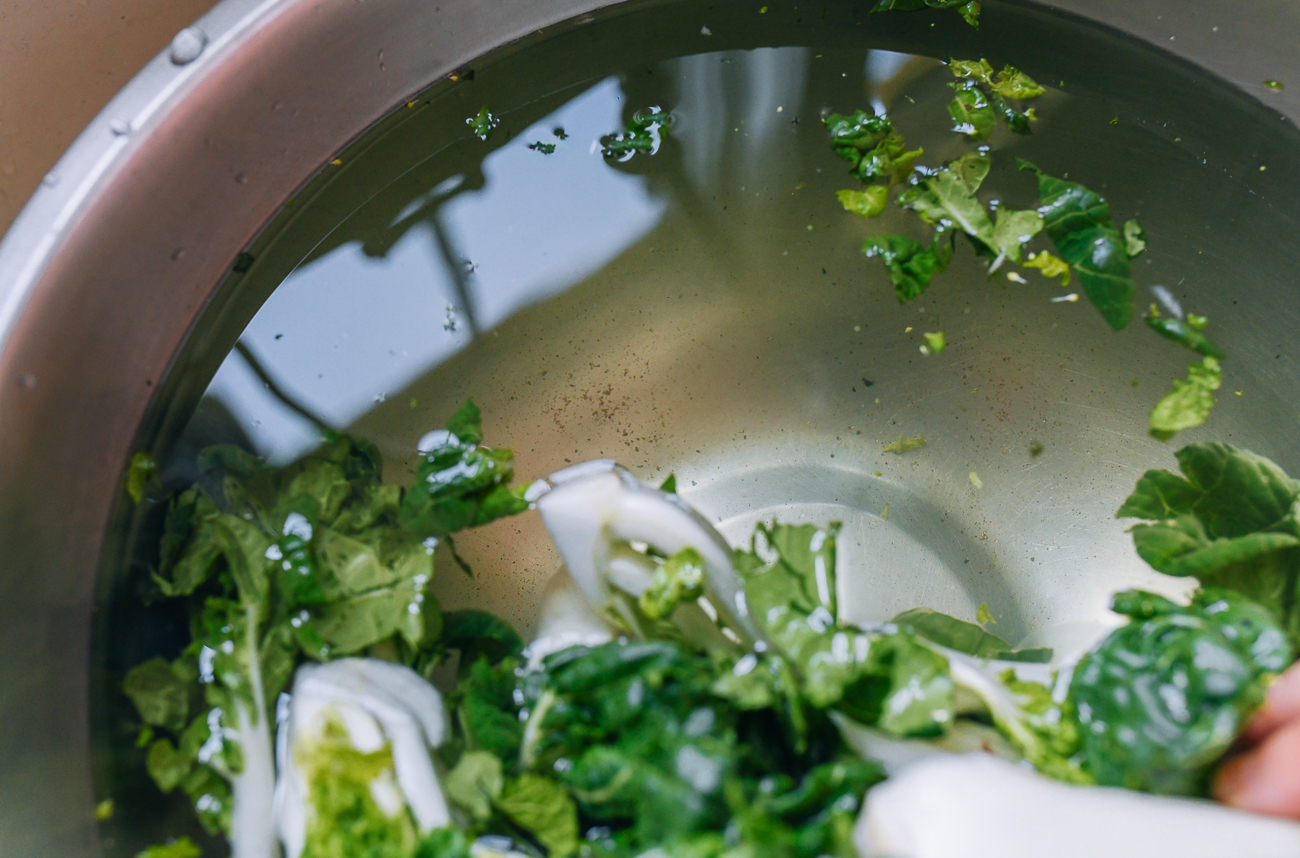
During this second soak, a hands-on approach is essential. Gently agitating the base of the stems and leaves with one’s fingers is crucial for rinsing away any remaining dirt that might be trapped within the structure of the vegetable. This is particularly important for vegetables like bok choy, choy sum, and romaine lettuce, where tightly packed leaves can conceal impurities.
As each stalk or leaf is rinsed, it is transferred to the colander. For those with a faucet sprayer attachment, this is an excellent time to use it to provide a targeted rinse, further ensuring the removal of any residual debris. Once again, the soaking water is discarded (and can be repurposed for watering plants), and the bowl is cleaned.
Step 3: The Final Rinse – For Good Measure
The third soak serves as a final assurance of cleanliness. The vegetables are returned to the clean bowl and submerged for another period, typically mirroring the duration of the second soak, from 10 to 30 minutes. This final immersion allows for any lingering contaminants to be loosened and flushed away.
During this last soak, any final trimming can be completed. For instance, the tough outer layer at the base of choy sum or gai lan stalks can be peeled away. After the soak, the vegetables are lifted into a colander for their final rinse. A sprayer can be used for a thorough cleansing.
For leafy greens destined for salads, a salad spinner is an invaluable tool for removing excess water. For other greens, arranging them stem-side up in the colander allows water to drain downwards efficiently. Once dried, the vegetables are cut to the desired size and are ready for cooking.
It is worth noting that the water from the third soak can be used as the initial soaking water for subsequent batches of vegetables, promoting water conservation.
Enhancing the Wash: The Role of Baking Soda
For an added layer of assurance against pesticide residues, baking soda can be incorporated into the washing process. Baking soda’s alkaline nature has been scientifically shown to aid in breaking down surface pesticide residues on produce. This method is particularly beneficial for fruits and vegetables that are commonly sprayed, such as berries, apples, and those with porous skins.
To use baking soda, add approximately 3 tablespoons to a large bowl of water. For smaller quantities, a ratio of 1 teaspoon per 2 cups of water is recommended. The produce should be agitated and swished thoroughly in the solution to ensure complete submersion. Baking soda can be used during either the first or second soak. However, it is advisable to limit the soaking time to around 10 minutes, as prolonged exposure can cause more delicate produce, like berries, to disintegrate.
Adapting the Method for "Hard" Vegetables
The washing protocol for "hard" vegetables—those with a firmer texture, such as tomatoes, peppers, squash, eggplant, celery, and potatoes—differs slightly and is generally less time-consuming.
While a soak in plain water is still beneficial, a 10-minute soak in a baking soda solution can be an effective precursor. Following the soak, the use of a natural bristle vegetable brush is paramount. These brushes are designed to effectively scrub the surfaces of these vegetables, reaching into crevices and around stems where dirt often accumulates. Even seemingly smooth vegetables like zucchini can harbor fine sand on their skins, necessitating a thorough brushing.
For vegetables that will be peeled, the brushing can be less meticulous. However, for root vegetables like carrots and daikon radish, a preliminary brushing and rinse are still recommended before peeling. After peeling, a final rinse under running water is sufficient.
Addressing Tough Stems: A Matter of Texture
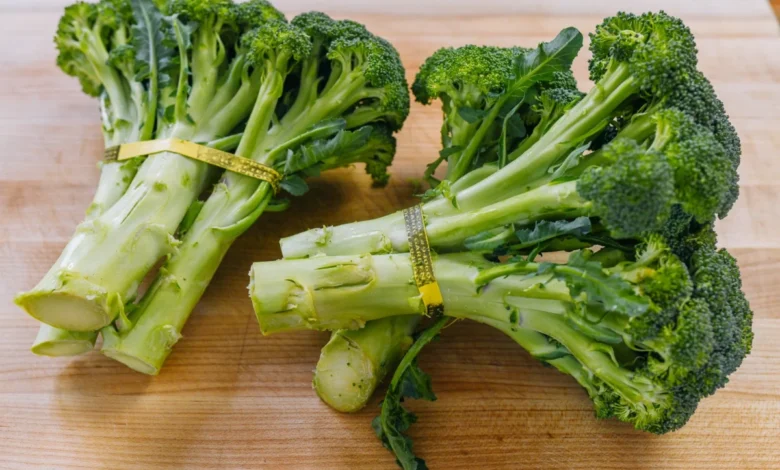
Vegetables with thick, fibrous stems, including asparagus, broccoli, gai lan (Chinese broccoli), and broccoli rabe, benefit from special attention to their stems. The outer layer of these stems can often be tough and stringy, detracting from the overall eating experience.
Using a paring knife or peeler to remove this tough outer layer is a common practice. For some vegetables, like broccoli rabe, the outer layers can even be peeled back with fingernails. The inner stem, once this outer layer is removed, is typically tender and palatable.
In many instances, these stems are not discarded but are utilized in cooking. Stir-fried broccoli stems, for example, can be a delicious and nutritious dish. However, for certain vegetables, such as pea tips and water spinach, the stems can be excessively fibrous, even after peeling. In such cases, it may be advisable to trim away the tough stem portions entirely. An alternative approach is to cut the stems into smaller pieces, as is often done with kale stems, or to reserve them for slow-cooked dishes like winter vegetable soup, where they have ample time to soften.
The Significance of a Thorough Wash: Beyond Cleanliness
The meticulous process of washing vegetables extends beyond mere cleanliness; it represents the initial act of care in preparing a meal. It is a fundamental kitchen skill that can be taught at a young age, often without the need for sharp implements. The effort invested in thoroughly cleaning and preparing ingredients directly correlates with the quality and enjoyment of the final dish. Recognizing the time and care involved in this foundational step can foster a deeper appreciation for the food we eat and the individuals who prepare it. A simple acknowledgment of gratitude for the person who meticulously washes and prepares our vegetables can go a long way in recognizing this vital culinary contribution.