Chinese Pumpkin Cake (南瓜饼, Nan Gua Bing): A Traditional Culinary Staple Reimagined for Modern Kitchens

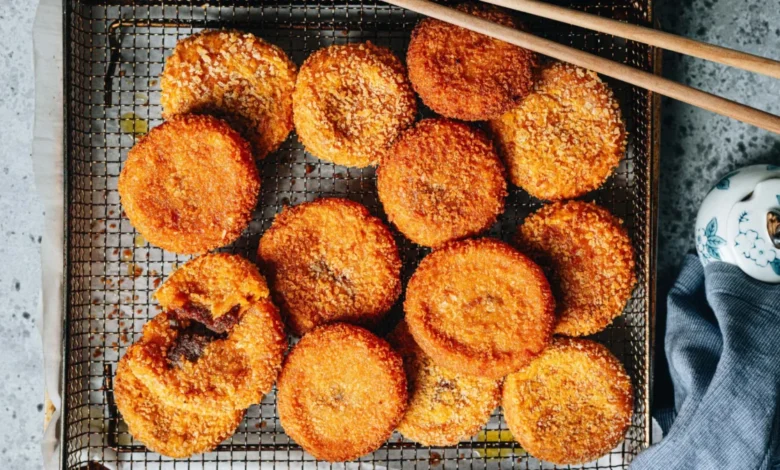
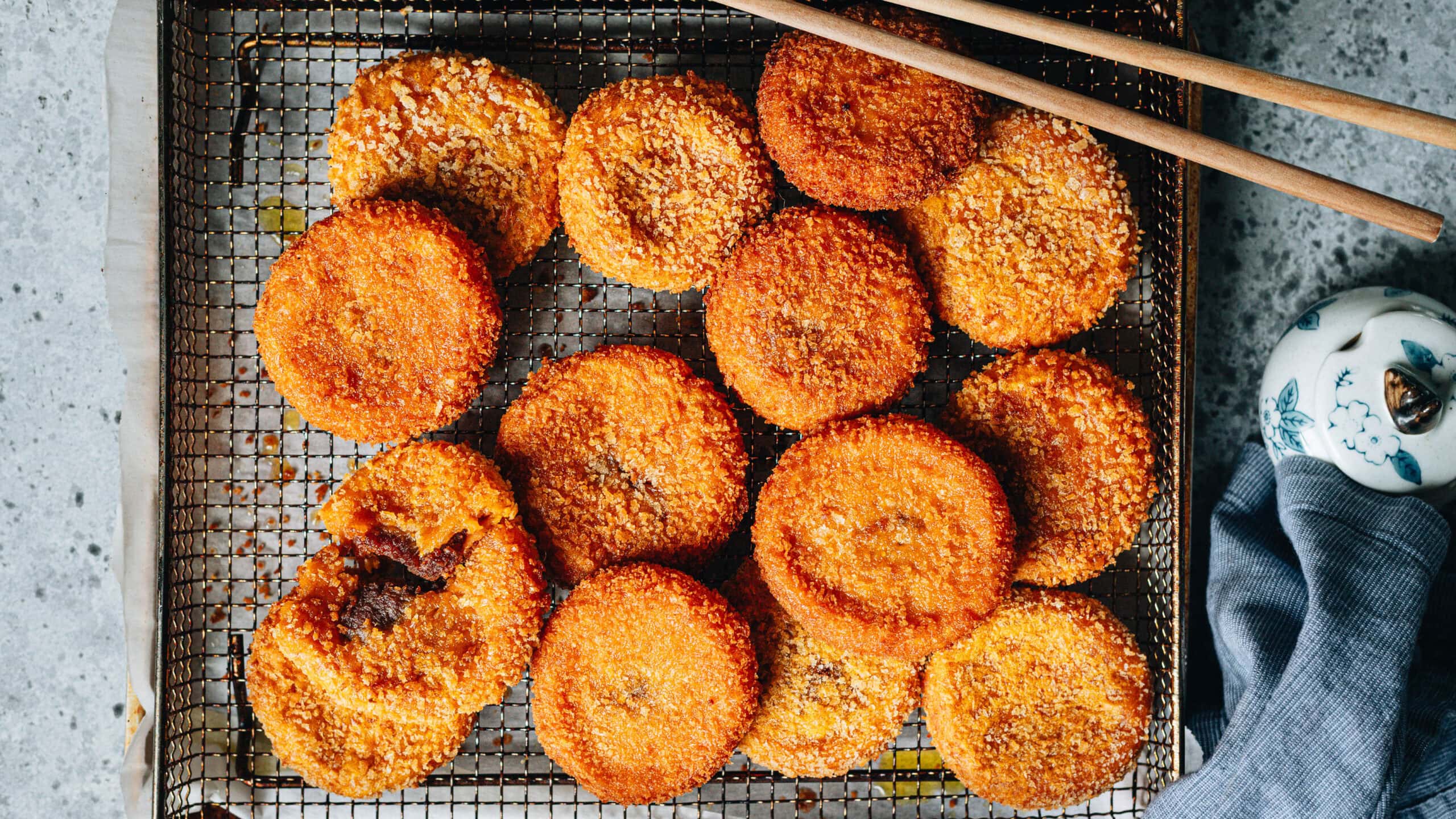
Chinese pumpkin cake, widely recognized by its Mandarin name Nan Gua Bing, has long occupied a cherished position on restaurant menus, dim sum carts, and household dining tables across China. Combining a vibrant golden-orange aesthetic with a distinct, mochi-like elasticity, this traditional pastry bridges the gap between ancient culinary heritage and contemporary global appeal. As seasonal autumn produce floods agricultural markets worldwide, home cooks and professional chefs alike continue to embrace this versatile recipe, blending cultural significance with modern preparation techniques such as air-frying.
Historical Background and Cultural Significance
The origins of Nan Gua Bing trace back centuries within southern Chinese culinary traditions, where glutinous rice flour has historically served as a foundational base for both savory and sweet delicacies. Glutinous rice, scientifically classified as Oryza sativa var. glutinosa, differs from standard grain rice due to its high concentration of amylopectin and negligible amylose content. This chemical composition produces a sticky, cohesive texture upon cooking that is culturally prized for its comforting mouthfeel.
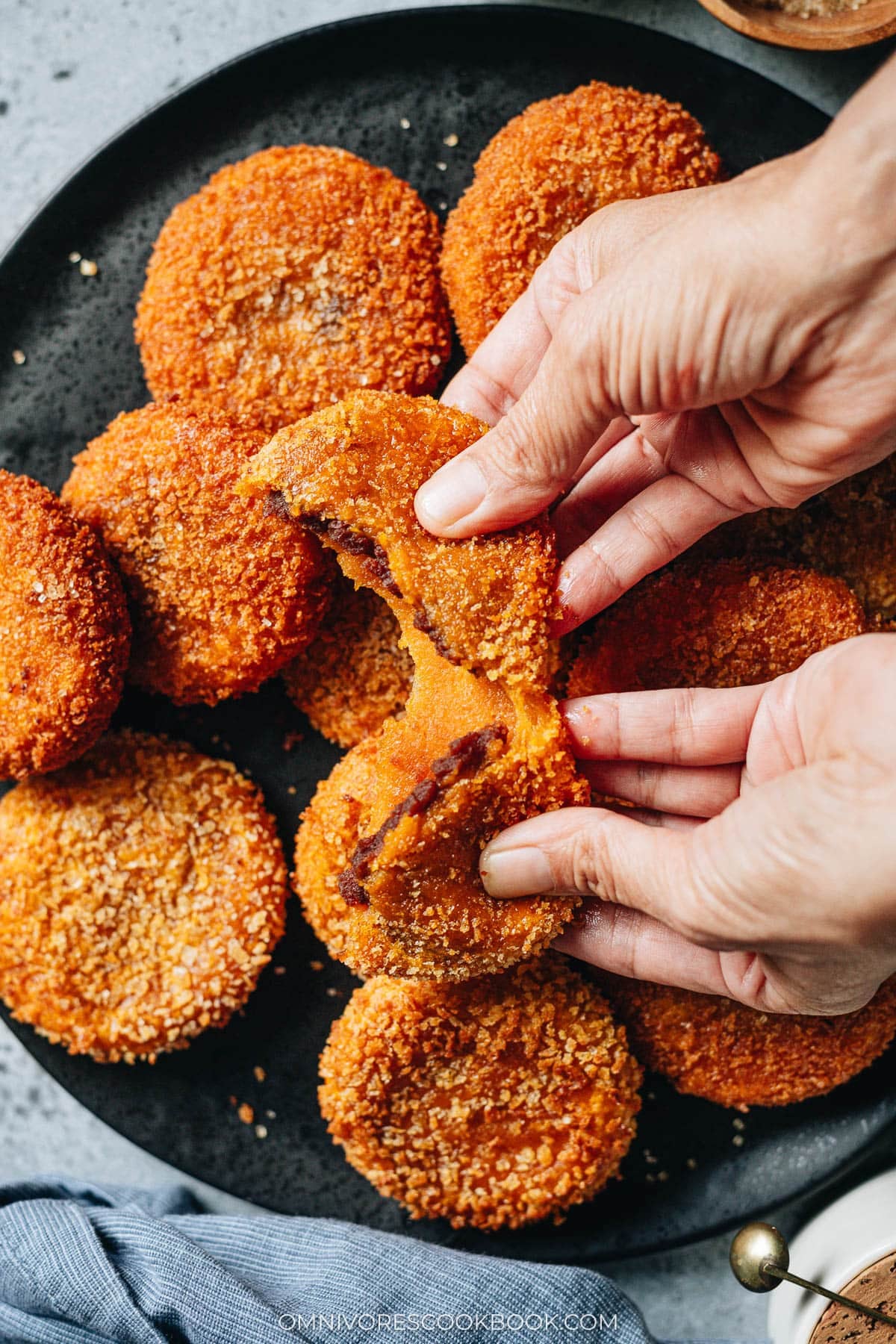
Historically, pumpkin—introduced to China via maritime trade routes during the late Ming dynasty—was integrated into local agriculture due to its high yield, resilience, and dense nutritional profile rich in beta-carotene. Combining pumpkin puree with sticky rice flour created a sustainable, cost-effective snack that gained widespread popularity during festive periods, family gatherings, and everyday tea breaks. Over generations, regional variations emerged throughout Guangdong, Fujian, and Sichuan provinces, with fillings ranging from traditional sweetened red bean paste to black sesame, lotus seed paste, and savory minced pork.
Culinary Anatomy and Nutritional Profile
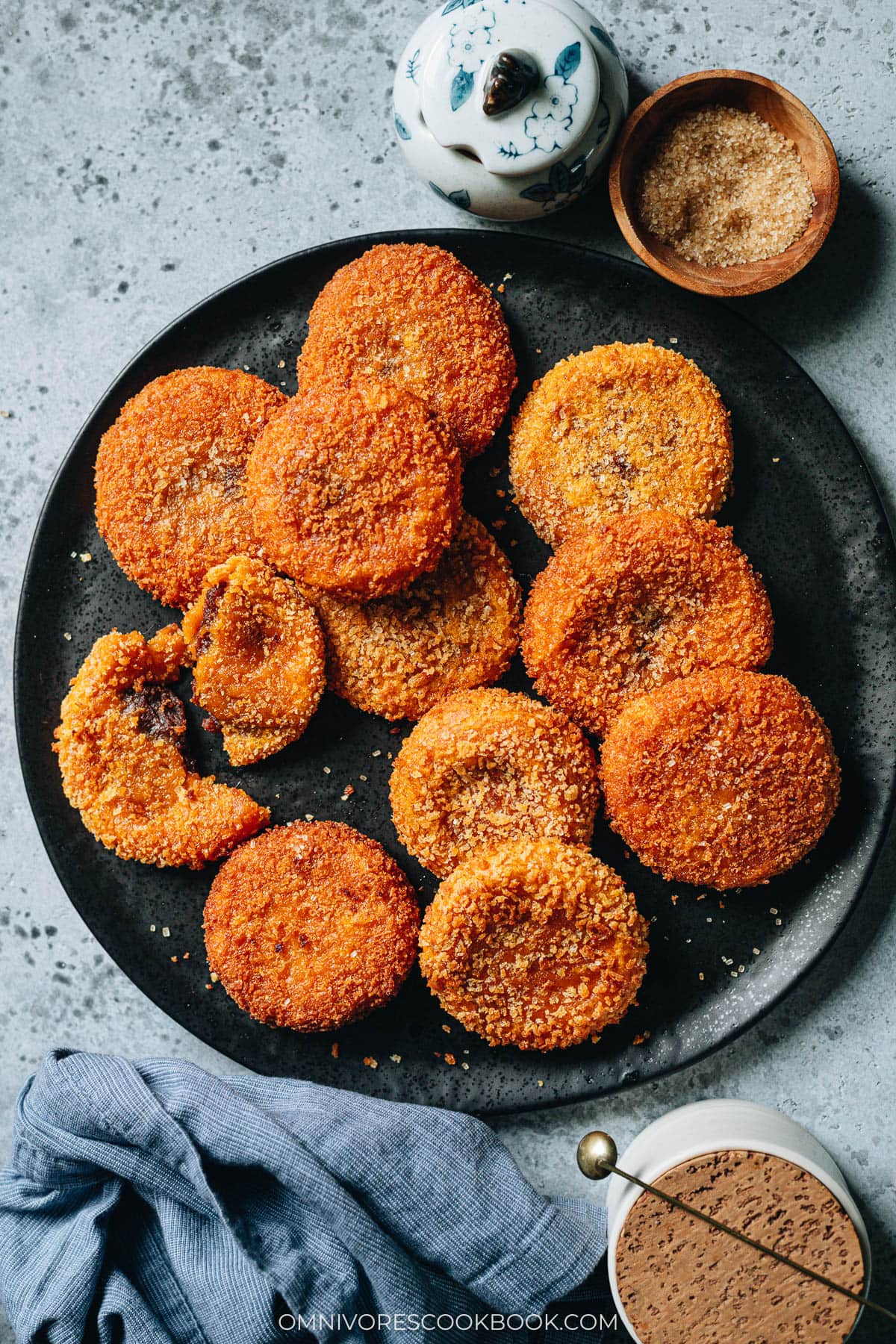
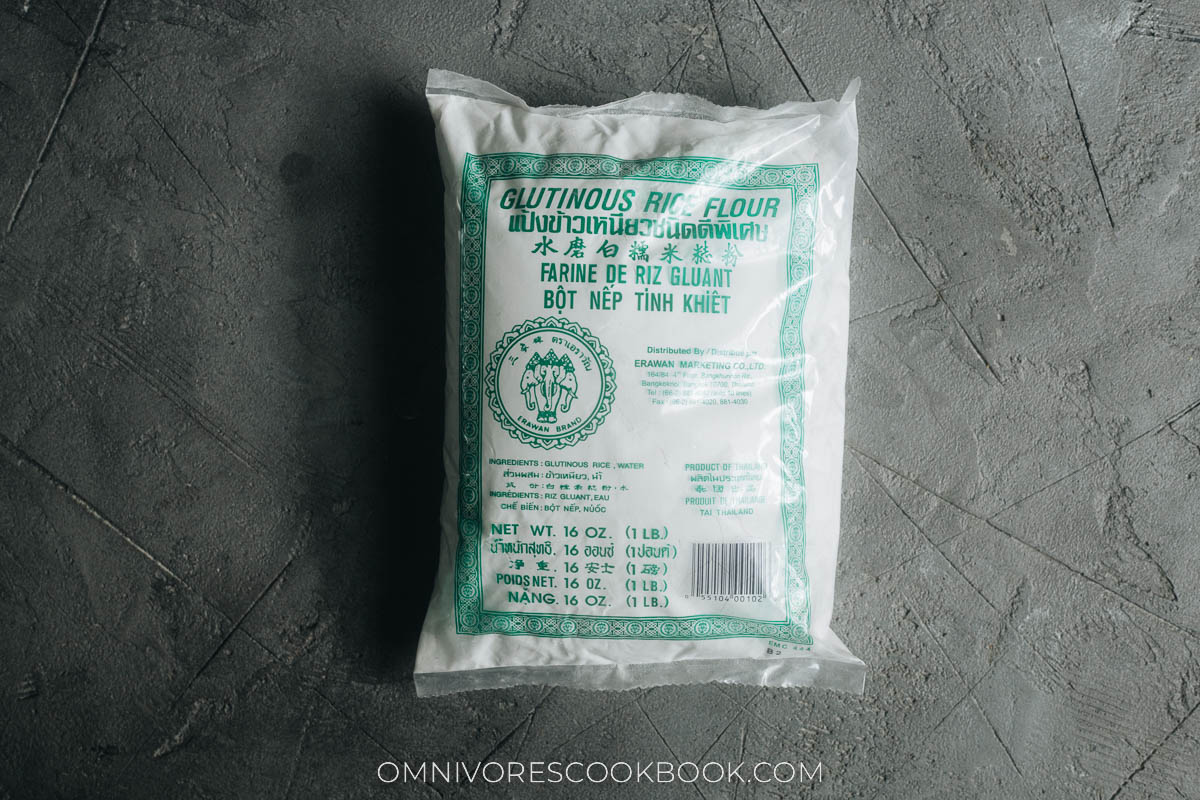
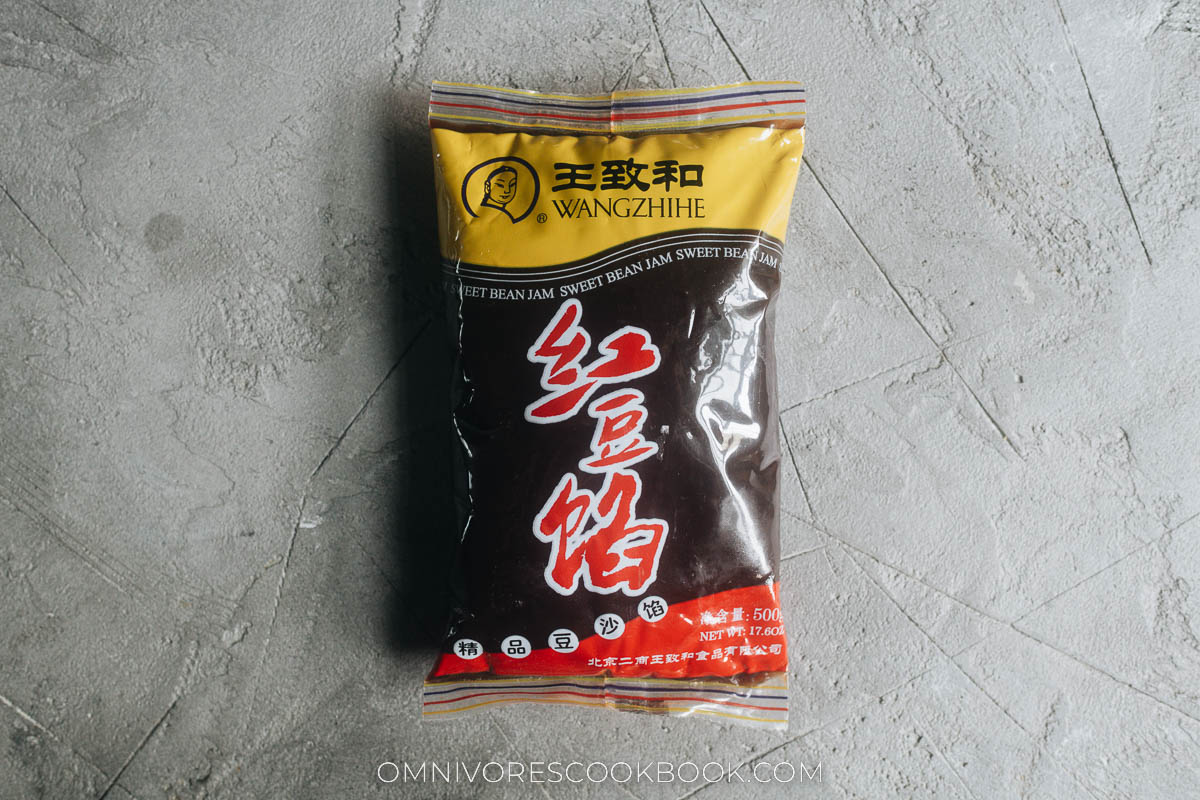
The structural integrity of Chinese pumpkin cake relies on precise hydration ratios and ingredient selection. Authentic preparations generally require only four primary components: glutinous rice flour, pumpkin puree, a filling (most commonly red bean paste), and an outer coating such as panko bread crumbs or sesame seeds to facilitate a contrasting textural crunch.
From a nutritional perspective, a standard 1-2 ounce serving of homemade Chinese pumpkin cake averages approximately 129 kilocalories, consisting largely of complex carbohydrates (around 28 grams) derived from the rice flour and pumpkin fiber. Dietary fiber content hovers near 1 gram per serving, while lipid profiles remain minimal (approximately 0.5 grams of total fat), provided the cooking method utilizes controlled shallow-frying or contemporary air-frying technologies. The incorporation of red bean paste adds modest amounts of plant-based protein and essential minerals such as iron and potassium.
Step-by-Step Preparation and Modern Adaptations
While traditional preparation required labor-intensive steaming, hand-mashing of fresh gourds, and precise dough-stretching, contemporary culinary methods have streamlined the process without compromising textural authenticity.
Dough Formulation and Hydration Dynamics
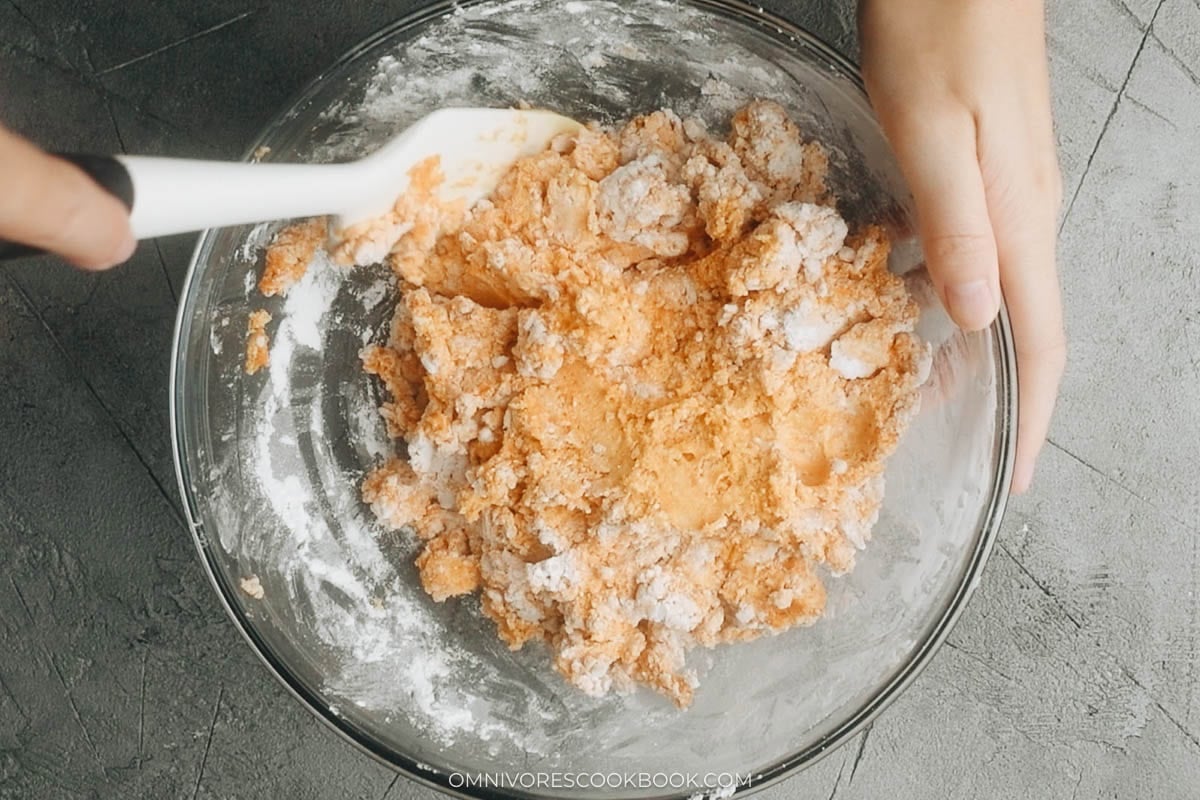
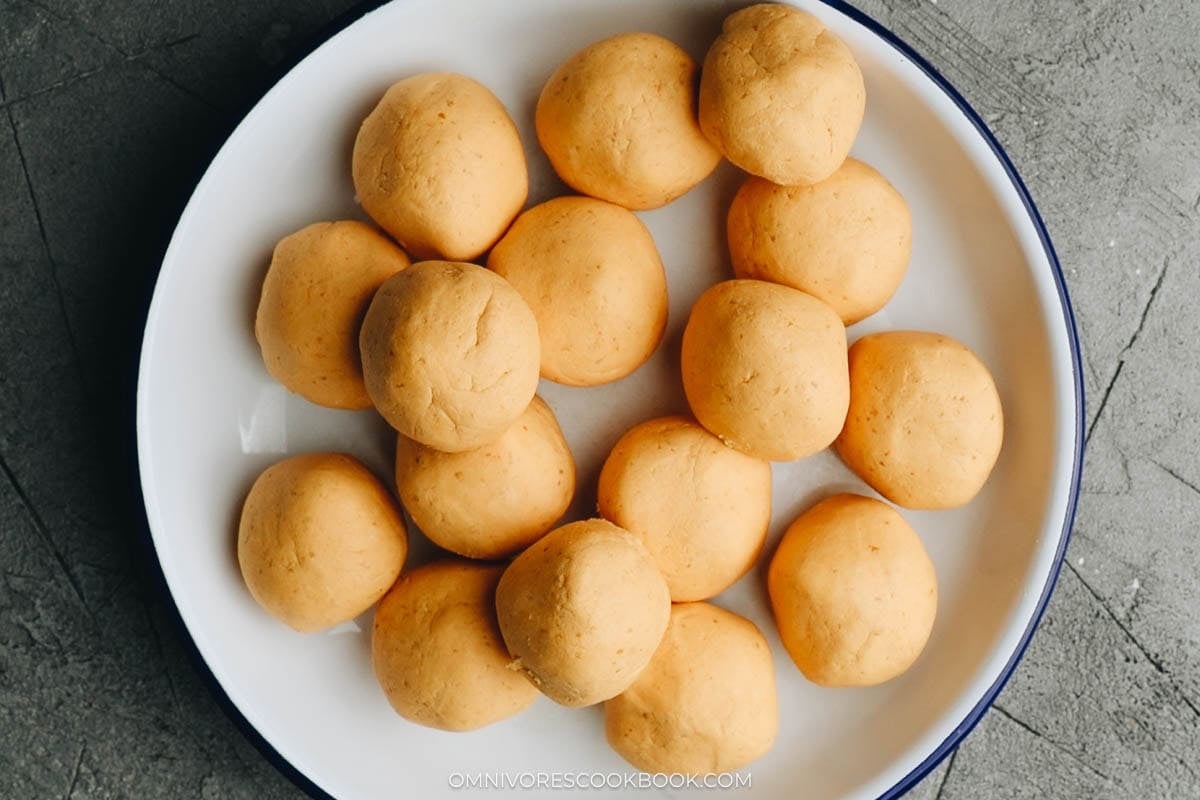
The foundational step involves combining glutinous rice flour with pumpkin puree. Because moisture levels in fresh pumpkins vary significantly compared to commercially canned alternatives, culinary experts recommend incorporating flour in incremental batches—typically two tablespoons at a time. The desired outcome is a pliable, clay-like dough that demonstrates cohesive elasticity without adhering excessively to work surfaces or utensils. Thorough kneading for approximately five minutes ensures uniform hydration of the starch molecules, preventing cracking during the subsequent shaping phase.
Portioning and Filling Integration
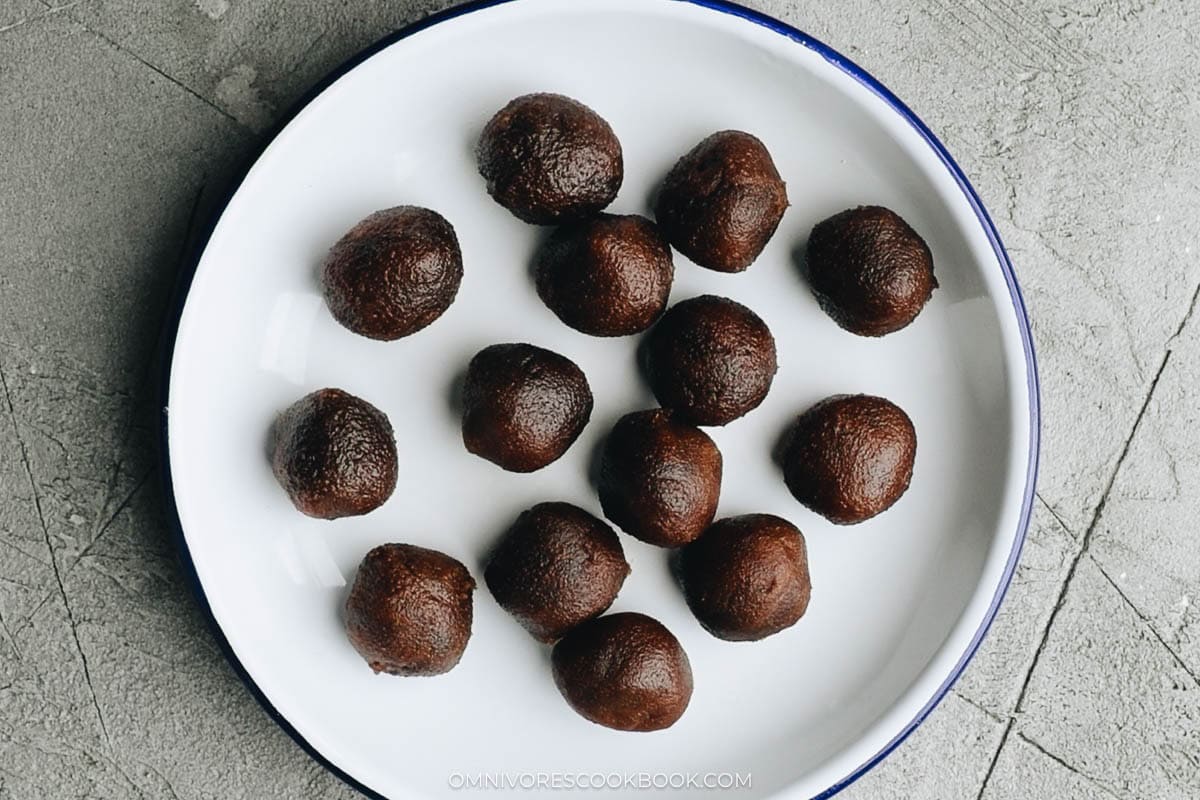
To ensure even thermal conductivity during cooking, professional standardization dictates portioning the dough into equal segments, typically weighing roughly 41 grams each. Two teaspoons of sweet red bean paste—either crafted from scratch or sourced commercially—are rolled into uniform spheres and enclosed within flattened discs of pumpkin dough. Sealing the edges securely prevents structural leakage during the cooking process.
Cooking Methodologies: Shallow-Frying vs. Air-Frying
Culinary institutions and home kitchen innovators recognize two primary thermal processing methods for finishing Nan Gua Bing:
- Traditional Shallow-Frying: Requiring approximately one-half inch of neutral cooking oil in a skillet maintained at medium-low heat, shallow-frying yields a deeply crackled outer crust and a gooey interior. Maintaining moderate temperatures is critical; excessive heat caramelizes or chars the exterior bread crumb coating before the internal glutinous rice starch gelatinizes fully.
- Modern Air-Frying: In response to consumer demand for lower-fat culinary alternatives, air-frying has gained substantial traction. Preheating an air fryer to 350°F, lining the basket with perforated parchment, applying a fine oil mist, and cooking the cakes for a total of 10 minutes produces a puffed, crispy exterior comparable to traditional frying methods while significantly reducing lipid absorption.
Industry Analysis and Consumer Trends
In recent years, the globalization of Asian gastronomy has propelled traditional items like Nan Gua Bing into mainstream Western supermarkets and culinary blogs. Food industry analysts attribute this surge in popularity to several intersecting consumer trends:
- The rise of "texture-seeking" demographics: Younger consumers, heavily influenced by global dessert trends such as Japanese mochi, Korean tteokbokki, and bubble tea toppings, increasingly prioritize chewy, elastic, and multi-layered textural experiences.
- Dietary adaptability: The core recipe is naturally dairy-free and can be easily adapted to accommodate vegan and vegetarian dietary frameworks, broadening its appeal in multicultural metropolitan centers like New York, London, and Sydney.
- Convenience-driven home cooking: The accessibility of canned pumpkin puree and commercially prepared red bean paste allows home cooks to replicate complex dim sum dishes in under 40 minutes, democratizing ethnic cuisine for busy households.
Storage, Preservation, and Food Safety Protocols
Proper post-preparation handling ensures that leftover Chinese pumpkin cakes retain their sensory qualities. Cooked or unbaked assembled cakes can be refrigerated in airtight containers for up to three days, or frozen for up to three months. To restore the characteristic exterior crunch without compromising the interior mochi texture, food safety and culinary experts recommend reheating thawed cakes in an air fryer or oven set to 300°F, or utilizing a covered skillet with a minimal amount of oil. Microwaving is generally discouraged, as it trapped steam softens the crust and eliminates the essential textural contrast that defines authentic Nan Gua Bing.